✓ Over 8,000 farmer's markets operate annually across the US.
✓ Shopping at farmer's markets supports local economies and sustainable agriculture.
✓ Produce found at farmer's markets is often fresher, having traveled shorter distances.
✓ Many markets offer more than just produce, including baked goods, crafts, and prepared foods.
How It Works
1
Identify Your Search Tools
Start by utilizing online directories, government resources, and community websites specifically designed to list local farmer's markets. These platforms often provide essential details like operating hours and vendor lists.
2
Refine by Location and Season
Once you have a list, filter results by your current location or desired radius, and consider the time of year. Many markets are seasonal, so confirm operational dates and times before planning your visit.
3
Explore Market Offerings
Check market websites or social media pages to see what specific vendors and products will be available. This allows you to plan your shopping list and discover unique local items you might not find elsewhere.
4
Plan Your Visit and Enjoy
Prepare for your trip by bringing reusable bags, cash (some vendors are cash-only), and an open mind. Engage with farmers, sample local delights, and immerse yourself in the vibrant market atmosphere.
Unlocking the Bounty: Digital Tools to Find Local Farmer's Markets Near Me
Photo: Emma Cate / Pexels
In today's interconnected world, finding local farmer's markets near you has never been easier, thanks to a plethora of digital resources designed to connect consumers with fresh, locally sourced produce. The first and often most effective step is to leverage online directories specifically dedicated to farmer's markets. Organizations like the USDA's National Farmers Market Directory are invaluable. This comprehensive database allows you to search by zip code, state, or even market name, providing details on operating hours, addresses, seasons, and sometimes even a list of vendors. Similarly, websites like LocalHarvest.org offer a robust search function that not only lists farmer's markets but also provides information on CSAs (Community Supported Agriculture), U-pick farms, and other direct-to-consumer options. These platforms are regularly updated, ensuring you have access to the most current information. Beyond these dedicated directories, general search engines like Google Maps are incredibly powerful. Simply typing "farmer's markets near me" into the search bar will often yield a map view with market locations, reviews, and direct links to their websites or social media pages. This can be particularly useful for spontaneous searches while you're out and about. Many markets also maintain active social media presences on platforms like Facebook and Instagram, where they announce weekly specials, new vendors, and any changes to their schedule. Following these pages can give you real-time updates and a deeper insight into the market's community. Furthermore, local government websites, especially those for county or city agriculture departments, often host lists of markets within their jurisdiction. These are reliable sources, as they are typically curated by local authorities. Don't overlook community forums or local news outlets online; these can sometimes highlight smaller, lesser-known markets or pop-up events that might not appear on larger national directories. Utilizing a combination of these digital tools will significantly narrow down your search and provide you with a comprehensive overview of all the fresh food options available in your vicinity, making it simple to pinpoint exactly where to find local farmer's markets near me. Remember to cross-reference information if possible, as market schedules can sometimes change due to weather or special events, ensuring your trip is fruitful and enjoyable.
Beyond the Screen: Community and Traditional Methods for Discovering Local Produce
Photo: Ron Lach / Pexels
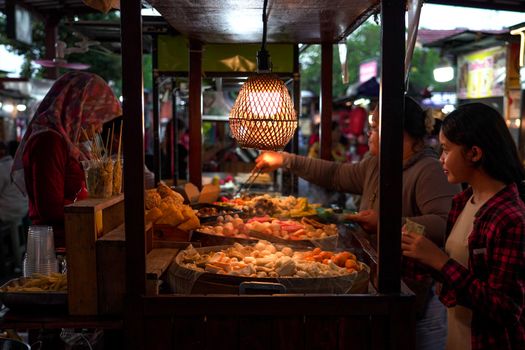
While digital tools are incredibly efficient, there's a rich tapestry of traditional and community-based methods that can also help you discover where to find local farmer's markets near you. Engaging with your local community can often reveal hidden gems or provide insider tips that online searches might miss. One of the most straightforward approaches is simply asking around. Talk to neighbors, friends, local restaurant owners, or even baristas; people who value fresh food often have personal recommendations for their favorite markets. Community centers, local libraries, and town halls frequently display flyers or bulletin board postings about upcoming market events, especially for seasonal or pop-up markets. These physical notices are excellent for discovering markets that might not have a strong online presence. Local newspapers, both print and online editions, are another valuable resource. Many communities have weekly or monthly publications that feature a community calendar, which often includes listings for farmer's markets, craft fairs, and other local gatherings. These articles might also highlight specific farmers or products, giving you a reason to visit a particular market. Additionally, keep an eye out for roadside signs, especially in more rural or suburban areas. Farmers often put up temporary signage advertising their farm stands or the nearest farmer's market during peak harvest seasons. These direct-from-farm options can sometimes offer even fresher produce than a central market. Visiting local cafes or bakeries that emphasize using local ingredients can also be a clue. Many of these establishments source their ingredients directly from nearby farms or markets, and the staff might be happy to share their sources. Participating in local community events or festivals can also expose you to markets you didn't know existed. Often, markets will have a presence at these events to promote their offerings or even set up a mini-market. Think of these traditional methods as a form of organic discovery, fostering a deeper connection with your community and the sources of your food. By combining these grassroots efforts with your digital detective work, you significantly increase your chances of finding the perfect farmer's market that aligns with your needs and values. Remember, the best markets are often those discovered through a blend of modern convenience and old-fashioned community engagement.
Making the Most of Your Market Visit: Tips for a Rewarding Experience
Photo: @coldbeer / Pexels
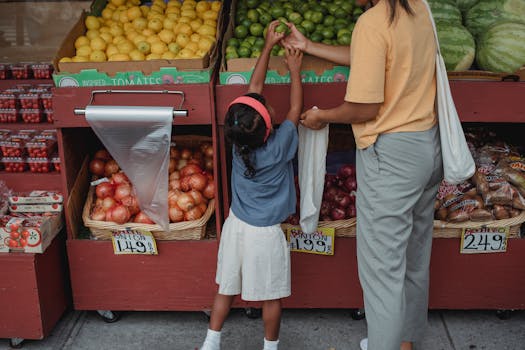
Once you've successfully identified where to find local farmer's markets near you, the next step is to prepare for a fulfilling and efficient visit. A little planning can transform your market trip from a simple shopping errand into a delightful culinary adventure. First and foremost, arrive early, especially if you're keen on securing the best selection of popular items like berries, artisanal bread, or specialty cheeses. Early birds often get the freshest pick and avoid the biggest crowds. Conversely, arriving towards the end of the market can sometimes lead to discounts, as vendors may want to sell off remaining produce before packing up. However, selection might be limited. Always bring your own reusable bags, and consider a cooler bag with ice packs if you plan on buying dairy, meat, or delicate produce on a warm day. Many markets are moving away from single-use plastics, and being prepared helps both the environment and your wallet. Cash is king at many farmer's markets. While more vendors are now accepting credit cards or digital payments, having small bills on hand ensures you can purchase from any stall, especially the smaller, independent farmers. It also often speeds up transactions. Don't be afraid to engage with the farmers and vendors. They are a wealth of knowledge about their products, farming practices, and even tips for preparation and storage. Asking questions like "How do you grow this?" or "What's your favorite way to prepare this?" can lead to fascinating conversations and new culinary ideas. It's also a great way to learn about the seasonality of produce and understand sustainable farming practices. Be open to trying new things. Farmer's markets are excellent places to discover unique heirloom varieties of fruits and vegetables, local honey, homemade jams, and artisanal crafts that you won't find in a conventional grocery store. Sampling is often encouraged, so take advantage of the opportunity to taste before you buy. Finally, embrace the atmosphere. Farmer's markets are more than just places to shop; they are community hubs, offering live music, food demonstrations, and a chance to connect with your neighbors and the people who grow your food. By following these tips, you'll not only find incredible fresh produce but also create memorable experiences and foster a deeper connection to your local food system.
Common Mistakes to Avoid When Visiting Farmer's Markets
Photo: Nishant Aneja / Pexels
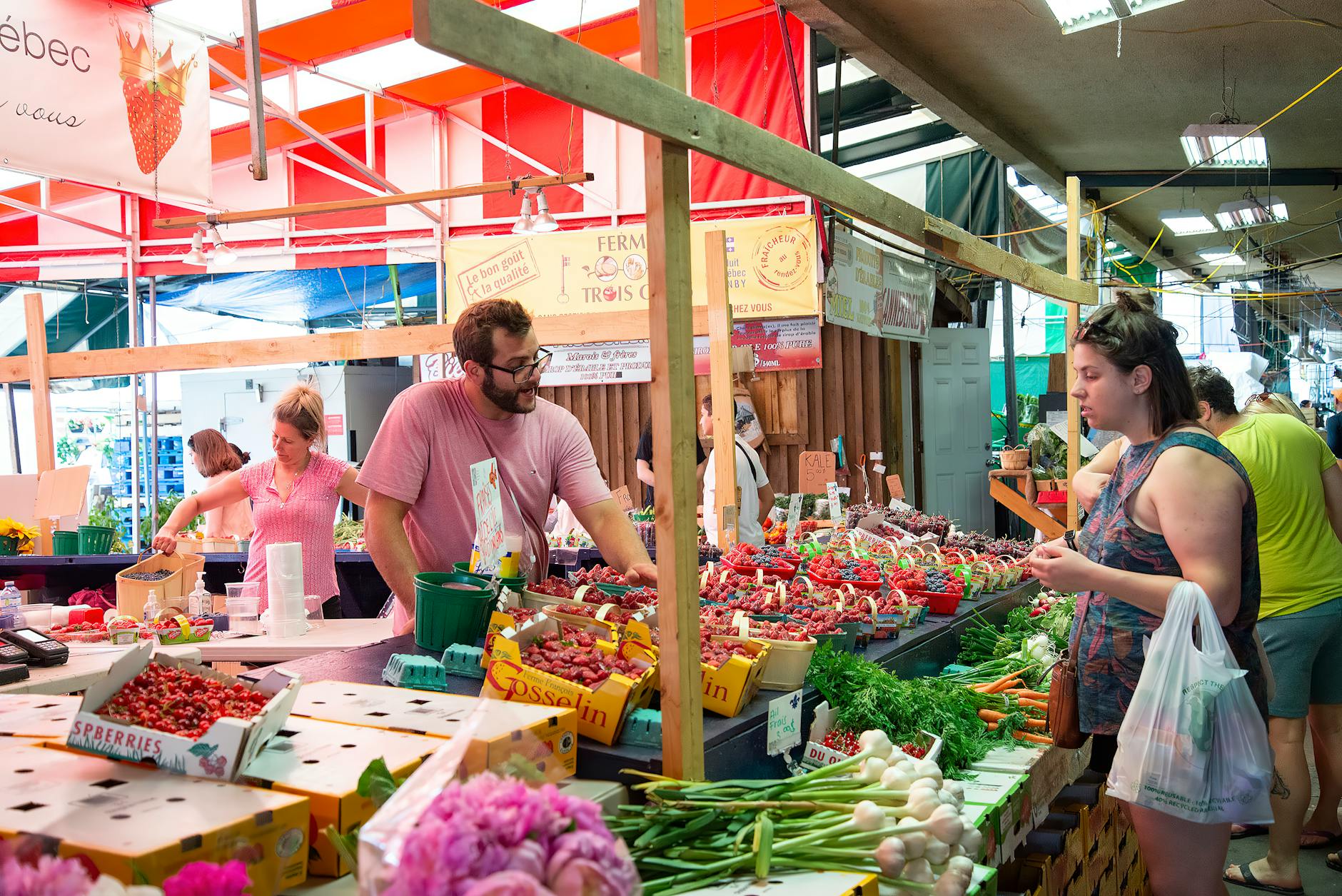
Navigating the vibrant world of farmer's markets can be incredibly rewarding, but a few common pitfalls can detract from your experience. Being aware of these can help ensure your visits are always fruitful and enjoyable.
* **Forgetting Cash:** While many vendors now accept cards, relying solely on plastic can leave you unable to purchase from smaller stalls or those experiencing technical issues. Always carry small denominations of cash.
* **Not Bringing Reusable Bags:** This is perhaps the most common mistake. You'll accumulate a lot of produce, and plastic bags are often discouraged or not provided. Multiple sturdy reusable bags are essential, and a cooler bag for perishables is a bonus.
* **Ignoring Seasonality:** Expecting to find strawberries in December or pumpkins in July will lead to disappointment. Farmer's markets are all about seasonal produce. Research what's in season in your region before you go.
* **Not Asking Questions:** Vendors are the experts on their products. Not asking about growing methods, cooking suggestions, or storage tips means missing out on valuable information and connection.
* **Going on an Empty Stomach:** The delicious aromas and samples can be overwhelming. Eating a light snack beforehand can help you make more deliberate choices rather than impulse buys driven by hunger.
* **Overlooking Non-Produce Items:** Many markets offer a fantastic array of artisanal breads, cheeses, meats, eggs, flowers, and crafts. Don't limit your focus solely to fruits and vegetables.
* **Not Comparing Prices (Sensibly):** While supporting local is key, a quick glance at prices across similar stalls for popular items can help you get the best value, but avoid aggressive haggling.
* **Arriving Too Late for Popular Items:** If you have your heart set on a specific, popular item (like a certain type of heirloom tomato or a freshly baked pie), showing up near closing time might mean it's already sold out.
* **Not Planning for Transport:** Consider how you'll get your haul home, especially if you're buying a lot. A cart or wagon can be a lifesaver if you're walking or taking public transport.
By avoiding these common mistakes, you'll optimize your farmer's market experience, ensuring you leave with fresh, high-quality goods and a sense of satisfaction.
Comparison
Feature
USDA National Farmers Market Directory
LocalHarvest.org
Google Maps Search
Community Bulletin Boards
Ease of Use
High
High
Very High
Medium
Data Accuracy
High (Gov't Source)
Medium-High (User/Admin Updated)
Medium-High (User Contributed)
Medium (Manual Updates)
Coverage (US)
Excellent
Excellent
Excellent
Hyperlocal
Additional Features
Operating Hours, Contact
CSAs, U-Pick, Farms
Reviews, Photos, Directions
Event Fliers, Local News
Real-time Updates
✗
✓
✓
✗
Direct Farmer Info
Limited
✓
Limited
✓
What Readers Say
★★★★★
"This guide was incredibly helpful for where to find local farmer's markets near me. I used the USDA directory and found a fantastic market just 10 minutes from my house that I never knew existed! The produce is amazing."
Sarah J. · Portland, OR
★★★★★
"I always struggled to find good, fresh produce. Following the tips here, I tried LocalHarvest.org and not only found a great market but also a CSA that delivers to my neighborhood. Game changer for my weekly groceries."
Mark D. · Austin, TX
★★★★★
"The advice to arrive early really paid off! I got the last dozen farm-fresh eggs and some unique heirloom tomatoes at my local market thanks to this article. Now I know exactly where to find local farmer's markets near me and how to shop effectively."
Elena R. · Chicago, IL
★★★★★
"Good overview, though some of the smaller markets I found through local word-of-mouth weren't on the national directories. Still, the general advice on preparation and engagement with farmers was excellent and improved my market visits."
David L. · Miami, FL
★★★★★
"As a new resident, I felt disconnected from local food sources. This article on where to find local farmer's markets near me was a perfect starting point. I discovered two amazing markets and have become a regular, enjoying the community aspect as much as the food."
Jessica M. · Denver, CO
Frequently Asked Questions
What is the best way to find local farmer's markets near me that are currently open?
The most reliable methods are using the USDA National Farmers Market Directory or LocalHarvest.org, as these platforms are regularly updated. Google Maps also provides real-time operating hours and user reviews, which can indicate if a market is currently active. Always cross-reference with the market's direct website or social media if possible for the most current information.
Are farmer's markets more expensive than grocery stores?
Prices at farmer's markets can vary. While some specialty items or organic produce might be priced similarly or slightly higher than conventional grocery store options, the freshness, quality, and direct support for local farmers often provide greater value. Many find that seasonal produce can be very competitively priced, especially towards the end of market hours.
How can I ensure the produce I buy at a farmer's market is truly local?
The best way to ensure produce is local is to ask the farmer directly. Most farmers at markets are proud to discuss their growing practices and farm location. Look for signs that indicate the farm's name and location, and don't hesitate to engage in conversation about where and how their products are grown.
Do farmer's markets accept SNAP/EBT benefits?
Many farmer's markets across the US do accept SNAP/EBT benefits, often participating in programs that match funds for fresh produce (like Double Up Food Bucks). Look for signage at the market's information booth or inquire online before visiting to confirm their participation.
What's the difference between a farmer's market and a farm stand?
A farmer's market typically features multiple independent vendors, often from various farms, selling their produce and goods in a centralized location. A farm stand, on the other hand, is usually a single farm selling its own produce directly from their property or a designated roadside spot, offering a more direct-from-farm experience.
Who should prioritize finding local farmer's markets near me?
Anyone looking for fresher, often healthier produce, seeking to support local economies and sustainable agriculture, or wishing to connect more directly with their food sources and community should prioritize finding local farmer's markets. It's ideal for food enthusiasts, health-conscious individuals, and families.
Is it safe to buy food from farmer's markets?
Yes, it is generally safe to buy food from farmer's markets. Farmers typically adhere to agricultural safety standards, and the direct farm-to-consumer model often means less handling. Always inspect produce for quality and cleanliness, and ask vendors about their practices if you have concerns. Most markets operate under local health department guidelines.
What trends are emerging in farmer's markets in the US?
Emerging trends include an increase in year-round indoor markets, more integration of online ordering and curbside pickup options, a greater focus on artisanal prepared foods and ready-to-eat meals, and an expansion of educational workshops and community events held at market locations, enhancing their role as community hubs.
Armed with this ultimate guide, you now know exactly where to find local farmer's markets near me. Take the first step towards fresher food, stronger communities, and a more vibrant culinary journey. Start exploring your local markets today and taste the difference!