✓ Local honey can help with seasonal allergies due to local pollen.
✓ Raw, unfiltered honey retains more beneficial enzymes and antioxidants.
✓ Buying local supports small beekeepers and sustainable agricultural practices.
✓ The taste of local honey varies based on the floral sources in the region.
How It Works
1
Identify Your Needs
Determine if you're looking for raw, unfiltered honey for health benefits, or just a sweet, natural sweetener. This will guide your search for specific types of local producers.
2
Explore Local Sources
Use online directories, local farmer's market listings, and community groups to identify potential honey suppliers in your immediate area. Look for beekeepers directly.
3
Verify Authenticity
Ask questions about the honey's origin, processing methods, and if it's truly local and raw. A reputable beekeeper will be happy to provide this information and often offer samples.
4
Make Your Purchase
Once you've found a trusted source, purchase your local honey. Consider buying in bulk if you consume a lot, as it often offers better value and supports the beekeeper more consistently.
The Allure of Local Honey: More Than Just Sweetness
Photo: Keegan Checks / Pexels
The quest for "where to buy local honey near me" isn't just about finding a natural sweetener; it's about tapping into a world of potential health benefits, unique flavors, and supporting local ecosystems. Unlike commercially processed honey, local raw honey retains all its natural goodness – enzymes, amino acids, vitamins, minerals, and a unique blend of pollens from your specific region. This pollen content is often cited as a key reason why many people believe local honey can help mitigate seasonal allergies. When you consume small, regular doses of local pollen through honey, your body may gradually build up a tolerance, potentially reducing allergic reactions. Beyond health, the flavor profile of local honey is a true reflection of its origin. The nectar sources – be they wildflowers, clover, alfalfa, or specific fruit blossoms – impart distinct notes, ranging from light and floral to dark and robust. This regional variation makes exploring local honey a delightful culinary adventure. Imagine drizzling a light, citrusy honey over yogurt or using a rich, almost malty variety in your baking; the possibilities are endless. Choosing local also means supporting small-scale beekeepers who are often passionate stewards of their bees and the environment. They typically employ sustainable practices, which are crucial for bee health and the broader agricultural landscape. These beekeepers are not just producing honey; they are actively contributing to pollination services that are vital for our food supply. By seeking out these local artisans, you're not just making a purchase; you're investing in the health of your community and its natural resources. The journey to find your perfect jar of local honey is a rewarding one, connecting you directly to the source and the dedicated individuals who nurture these incredible insects. The transparency and care involved in local honey production stand in stark contrast to the often opaque supply chains of mass-produced alternatives. For more insights into the health benefits of such natural products, check out our guide on the benefits of organic produce.
Your Comprehensive Guide to Finding Local Honey Sources
Photo: Surya Travel / Pexels
So, you've decided to embark on the journey to find pure, local honey. The good news is, there are more avenues than you might think. Your first and often best bet is to visit local farmer's markets. These vibrant hubs are frequently populated by beekeepers who bring their fresh harvests directly to consumers. You can engage with them, ask about their practices, taste samples, and learn about the specific floral sources their bees are foraging on. This direct interaction provides invaluable transparency and a personal connection to your food source. Another excellent resource is agricultural co-ops and specialty food stores. Many of these establishments prioritize sourcing from local producers and often have dedicated sections for local honey. While you might not meet the beekeeper directly, these stores typically have information about the origin of their products. Online directories, such as those provided by local beekeeping associations or agricultural departments, can also be incredibly useful. A quick search for "[Your State] Beekeeping Association" or "[Your City] Farmer's Market" will often yield lists of local honey producers. Don't overlook smaller, independent health food stores or even community-supported agriculture (CSA) programs; some CSAs include honey as part of their seasonal offerings. Roadside stands, especially in rural areas, are another charming and reliable option. Keep an eye out for signs advertising "local honey" or "fresh honey" as you drive through the countryside. These often come directly from a family farm or a small, independent beekeeper. Finally, consider reaching out to local gardening clubs or community groups. Members often share information about where to find local products, and sometimes even have their own small-scale beekeeping operations or know someone who does. These word-of-mouth recommendations can lead you to truly hidden gems and the freshest honey available. Remember to inquire about whether the honey is raw and unfiltered, as this is key to maximizing its potential benefits.
What to Look For: Ensuring You Get Authentic Raw Local Honey
Photo: Mihman Duğanlı / Pexels
When you're on the hunt for authentic raw local honey, knowing what to look for can make all the difference. The term "local" can sometimes be loosely applied, so it's crucial to ask the right questions. First and foremost, inquire about the honey's origin. A truly local honey will come from bees foraging within a reasonable proximity to where you live, typically within a 50-100 mile radius. Beekeepers should be able to tell you where their apiaries are located. Next, focus on whether the honey is "raw" and "unfiltered." Raw honey means it hasn't been heated above natural hive temperatures (typically 95-105°F), which preserves delicate enzymes, antioxidants, and beneficial bacteria. Unfiltered means it hasn't been put through fine filters that remove pollen, propolis, and beeswax particles, all of which contribute to its nutritional value and unique texture. Raw honey often appears cloudy, contains small bits of pollen or comb, and will crystallize naturally over time – a sign of its purity, not spoilage. If honey is perfectly clear and never crystallizes, it's likely been heavily processed. Ask the beekeeper about their processing methods. Are they simply extracting the honey from the comb and bottling it, or is it heated and finely filtered? The less intervention, the better. Reputable beekeepers are proud of their product and will gladly share these details. Don't be afraid to ask for a taste! The flavor profile should be complex and reflect the local flora. If it tastes bland or overly sugary, it might not be the quality you're seeking. Look for certifications if available, such as local agricultural co-op labels or beekeeping association endorsements, though many small producers may not have formal certifications. Finally, consider the packaging. Glass jars are often preferred as they don't leach chemicals like some plastics can. A well-labeled jar with the beekeeper's name and contact information is another good sign of a professional and transparent operation. Understanding these aspects will empower you to make an informed choice and truly benefit from your local honey purchase. For more insights into ethical food sourcing, explore our article on sustainable food choices.
Tips for Storing Local Honey and Avoiding Common Mistakes
Once you've successfully found your perfect jar of local honey, proper storage is key to maintaining its quality and extending its shelf life. Honey is naturally antimicrobial and has an incredibly long shelf life if stored correctly. The most important rule is to keep it in a cool, dry place away from direct sunlight. A pantry or cupboard is ideal. Avoid refrigerating honey, as this can accelerate crystallization and make it harder to pour. While crystallization is a natural process and a sign of raw, unprocessed honey, refrigeration speeds it up. If your honey does crystallize, don't worry! It's still perfectly good to eat. To return it to a liquid state, gently warm the jar in a bowl of warm water (not boiling) or place it in a warm oven that has been turned off. Avoid microwaving, as high heat can destroy beneficial enzymes. Always ensure the lid is tightly sealed to prevent moisture absorption, which can dilute the honey and potentially lead to fermentation, though this is rare. Here are some common mistakes to avoid:
* **Storing in a humid environment:** Moisture can degrade honey over time.
* **Using metal utensils for long-term storage:** While brief contact is fine, acidic honey can react with some metals.
* **Discarding crystallized honey:** Many mistakenly believe crystallized honey is spoiled; it's not.
* **Heating honey too quickly or too hot:** This can diminish its nutritional value.
* **Buying from unverified sources:** Always ensure you're getting genuine local honey to reap its full benefits.
By following these simple storage tips and avoiding common pitfalls, you can enjoy the rich flavor and health benefits of your local honey for months, or even years, to come. Your investment in quality local honey deserves proper care.
Comparison
Feature
Local Raw Honey
Commercial Processed Honey
Imported Honey
Origin Transparency
High (direct from beekeeper)
Low (blended from many sources)
Very Low (unknown origin)
Pollen Content
High (local pollen)
Low to None (filtered out)
Varied (non-local pollen)
Enzyme & Nutrient Retention
High (unheated)
Low (heat-processed)
Low (heat-processed)
Crystallization
✓ (natural process)
✗ (often delayed by processing)
✓ (can be delayed)
Flavor Complexity
Unique, regional
Uniform, often bland
Variable, often generic
Support for Local Economy
✓ (direct support)
✗ (corporate profits)
✗ (supports foreign markets)
What Readers Say
★★★★★
"I was looking for where to buy local honey near me for my allergies, and this guide led me to a fantastic beekeeper at our local farmer's market. The honey is delicious and my seasonal sniffles have noticeably improved!"
Sarah J. · Austin, TX
★★★★★
"Finally found truly raw, unfiltered honey thanks to these tips! The taste is so much richer than anything from the grocery store. I appreciate the emphasis on supporting local beekeepers."
Mark D. · Portland, OR
★★★★★
"After reading this, I visited three local farm stands. One had the most incredible wildflower honey. My morning tea has never tasted better, and I feel good knowing exactly where it came from."
Emily R. · Boston, MA
★★★★★
"The advice on what to look for in raw honey was spot on. It took a couple of tries, but I found a great local source. While the allergy benefits aren't a miracle cure, I definitely notice a difference in my overall well-being."
David L. · Denver, CO
★★★★★
"As a baker, I'm always searching for unique ingredients. This guide helped me discover where to buy local honey near me that has transformed my recipes. The distinct floral notes add an incredible depth of flavor."
Jessica M. · San Francisco, CA
Frequently Asked Questions
What are the main benefits of buying local honey?
Buying local honey offers several key benefits. It can potentially help alleviate seasonal allergies due to exposure to local pollen, it supports small beekeepers and sustainable agricultural practices, and it ensures you're getting a product with unique flavor profiles reflecting your region's flora. Local raw honey also retains more beneficial enzymes and antioxidants compared to processed alternatives.
Is local honey better for allergies than regular honey?
Many people report that consuming local raw honey helps with seasonal allergies. The theory is that by ingesting small amounts of local pollen found in the honey, your body can build up an immunity. While scientific evidence is still emerging, anecdotal reports are strong, and it's a natural, delicious way to potentially find relief.
How can I tell if honey is truly local and raw?
To identify truly local and raw honey, look for cloudiness, small bits of pollen or beeswax, and natural crystallization. Ask the beekeeper about their apiary location and processing methods – raw honey is unheated and unfiltered. Reputable local beekeepers are usually happy to share this information and often offer samples.
Is local honey more expensive, and is it worth the cost?
Local raw honey can sometimes be more expensive than mass-produced commercial honey due to smaller production scales and higher quality standards. However, many find the investment worthwhile for the potential health benefits, superior taste, and the satisfaction of supporting local businesses and sustainable practices. The value often outweighs the slight price difference.
What's the difference between local honey and organic honey?
Local honey refers to honey produced by bees foraging within a specific geographic area, often near the consumer. Organic honey adheres to strict USDA organic standards, which dictate what bees can forage on and how they are managed, often meaning no pesticides. While some local honey may also be organic, 'local' primarily refers to proximity, and 'organic' refers to production methods.
Who should prioritize buying local honey?
Anyone looking for a natural sweetener, individuals seeking potential relief from seasonal allergies, and those who prioritize supporting local agriculture and sustainable practices should consider buying local honey. It's also ideal for food enthusiasts who appreciate unique, complex flavor profiles derived from regional floral sources.
Are there any risks associated with consuming raw local honey?
For most adults and children over one year old, raw local honey is safe to consume. However, it should never be given to infants under 12 months due to the risk of infant botulism. Always ensure you're purchasing from a reputable source to guarantee quality and proper handling.
What are the future trends in local honey production?
Future trends in local honey production are likely to focus on increased transparency, innovative sustainable beekeeping practices to combat colony collapse disorder, and diversification of honey products (e.g., infused honeys, specific varietal honeys). There's also a growing interest in urban beekeeping, making local honey even more accessible in metropolitan areas.
Embark on your journey to discover the incredible world of local honey. Use this guide to find where to buy local honey near me, connect with dedicated beekeepers, and experience the unparalleled taste and benefits of nature's purest sweetener. Support your local community and enhance your well-being today!
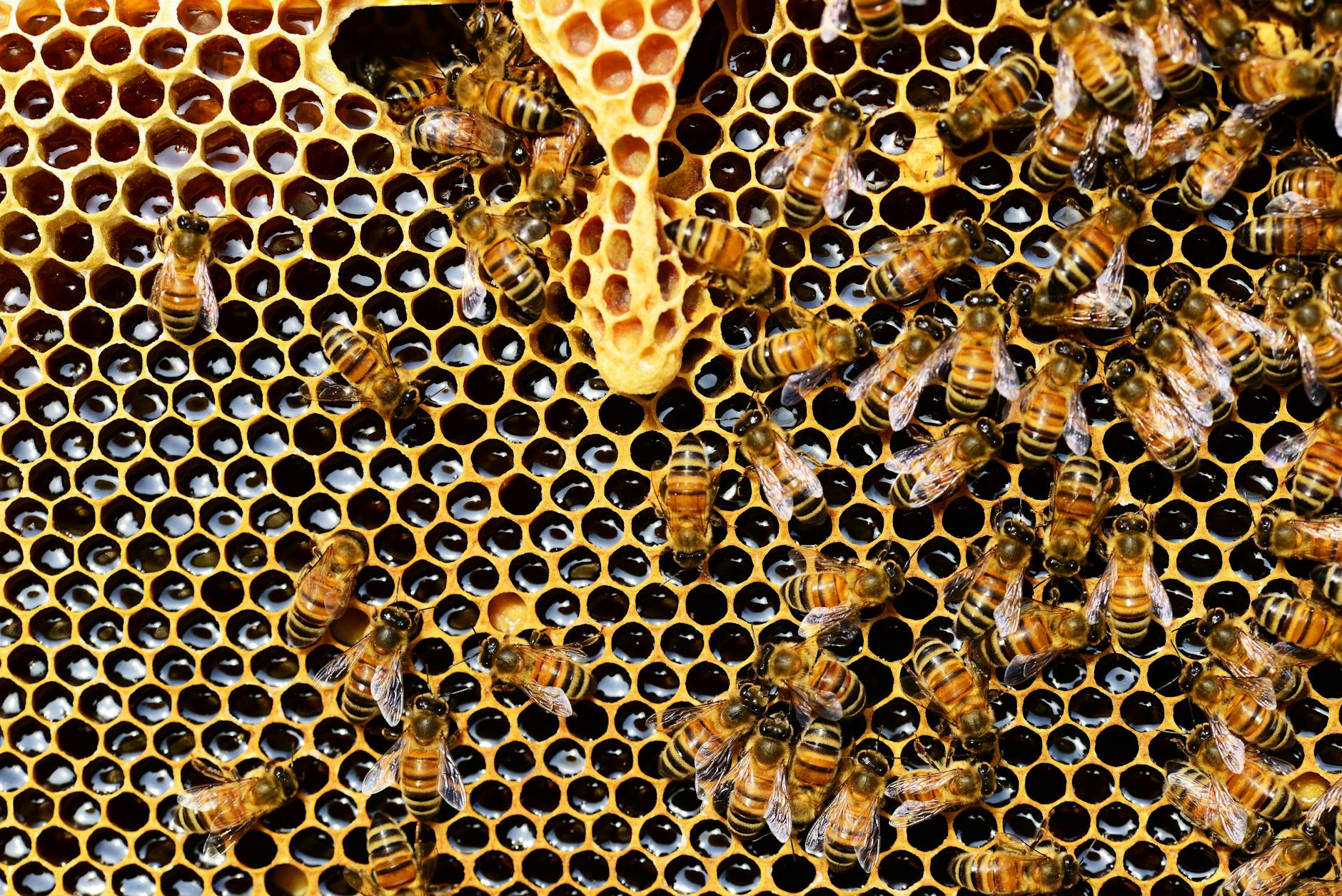
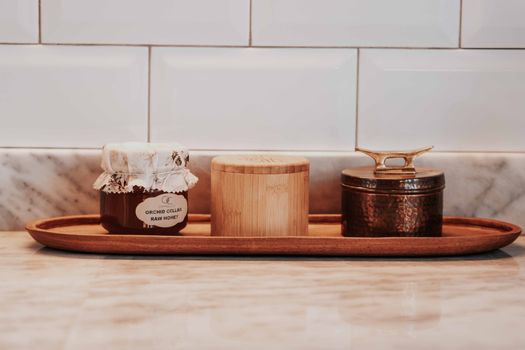 Photo: Keegan Checks / Pexels
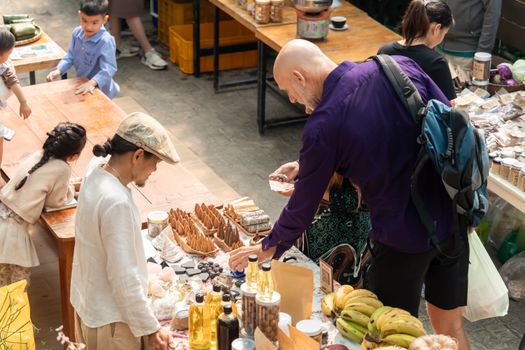 Photo: Surya Travel / Pexels
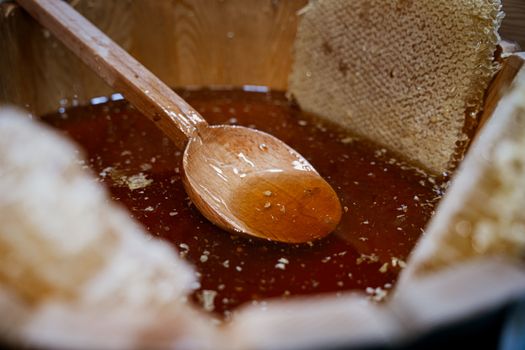 Photo: Mihman Duğanlı / Pexels