✓ Emphasizes plant-based foods, healthy fats, and lean proteins.
✓ Rooted in the traditional eating patterns of countries bordering the Mediterranean Sea.
✓ Scientifically linked to reduced risk of heart disease, stroke, and certain cancers.
✓ Focuses on whole, unprocessed foods and mindful eating.
How It Works
1
Prioritize Plant-Based Foods
Make fruits, vegetables, whole grains, nuts, seeds, and legumes the foundation of your meals. These foods provide essential vitamins, minerals, and fiber.
2
Embrace Healthy Fats
Incorporate extra virgin olive oil as your primary cooking fat and source of healthy monounsaturated fats. Avocados, nuts, and fatty fish are also key.
3
Moderate Dairy and Lean Protein
Enjoy dairy products like yogurt and cheese in moderation, and include fish, poultry, and eggs a few times a week. Red meat is consumed sparingly.
4
Practice Mindful Eating & Social Connection
Eat slowly, savor your food, and enjoy meals with family and friends. This diet is as much about lifestyle as it is about food choices.
Understanding the Core Principles of Mediterranean Eating
Photo: Daniela Elena Tentis / Pexels
The Mediterranean diet is more than just a list of foods; it's a holistic approach to eating that has been practiced for centuries in countries like Greece, Italy, and Spain. At its heart, it emphasizes whole, unprocessed foods, savoring meals, and maintaining an active lifestyle. The foundational principles revolve around prioritizing plant-based foods. This means a generous intake of fresh fruits and vibrant vegetables, which are rich in antioxidants, vitamins, and dietary fiber. Whole grains like oats, brown rice, and whole-wheat pasta are preferred over refined grains, providing sustained energy and supporting digestive health. Legumes such as lentils, chickpeas, and beans are also staples, offering an excellent source of plant-based protein and fiber, making them incredibly satiating and beneficial for blood sugar regulation. Nuts and seeds, often consumed as snacks or added to meals, contribute healthy fats, protein, and micronutrients. These plant-based components form the bulk of every meal, reflecting a plate that is colorful and nutrient-dense.
Another cornerstone is the pervasive use of extra virgin olive oil. This isn't just a condiment; it's the primary source of added fat in Mediterranean cuisine, used for cooking, dressing salads, and even dipping bread. Its high content of monounsaturated fatty acids and polyphenols is a key contributor to the diet's celebrated cardiovascular benefits. Beyond olive oil, healthy fats are also derived from avocados, olives themselves, and the aforementioned nuts and seeds. Fish and seafood are consumed regularly, typically a few times a week, providing omega-3 fatty acids vital for brain and heart health. Poultry and eggs are included in moderation, while red meat is reserved for occasional consumption, often as a smaller portion within a larger, plant-focused meal. Dairy products, primarily yogurt and cheese, are enjoyed in modest amounts. The diet also encourages the use of herbs and spices to flavor food, reducing the need for excessive salt. This balanced approach to food groups, coupled with a focus on fresh, seasonal ingredients, creates a dietary pattern that is both delicious and incredibly nourishing. Understanding these core principles is the first step in adopting what is the Mediterranean diet plan and making it a sustainable part of your life. Learn more about healthy cooking fats here.
The Remarkable Health Benefits of the Mediterranean Diet
Photo: Susanne Jutzeler, suju-foto / Pexels
Adopting the Mediterranean diet plan isn't just about enjoying delicious food; it's about investing in your long-term health. The scientific community has extensively studied this dietary pattern, consistently linking it to a myriad of impressive health benefits. One of the most well-documented advantages is its profound impact on cardiovascular health. The emphasis on healthy fats, particularly extra virgin olive oil, and the high intake of fruits, vegetables, and whole grains, contribute to lower levels of LDL (bad) cholesterol, reduced blood pressure, and improved arterial function. This significantly lowers the risk of heart disease, heart attacks, and strokes, making it a powerful preventive measure against the leading causes of mortality in many Western countries. Many studies have shown that individuals adhering to the Mediterranean diet have a lower incidence of these conditions compared to those following more conventional Western diets.
Beyond heart health, the Mediterranean diet is also a strong ally in managing and preventing chronic diseases. Its anti-inflammatory properties, largely due to the abundance of antioxidants found in plant foods and olive oil, play a crucial role in combating chronic inflammation, a known precursor to many ailments. This anti-inflammatory effect is thought to contribute to a reduced risk of certain cancers, including colorectal and breast cancer. Furthermore, the diet's high fiber content and focus on complex carbohydrates help regulate blood sugar levels, making it highly beneficial for individuals with type 2 diabetes or those at risk of developing it. The steady release of glucose from whole grains and legumes prevents sharp spikes and crashes, promoting better glycemic control.
The benefits extend to brain health and cognitive function as well. The omega-3 fatty acids from fish, along with the antioxidants and healthy fats, support brain health, potentially reducing the risk of cognitive decline, Alzheimer's disease, and dementia. Studies suggest that adherence to this diet can lead to better memory and overall cognitive performance as we age. Moreover, the Mediterranean diet is often associated with improved gut health, thanks to its rich fiber content that feeds beneficial gut bacteria. A healthy gut microbiome is increasingly linked to overall well-being, including immune function and even mood regulation. Finally, many people find that the Mediterranean diet supports healthy weight management without the restrictive feeling of traditional 'diets.' Its emphasis on satiating whole foods, healthy fats, and mindful eating helps control appetite and promotes a sustainable approach to maintaining a healthy weight. These extensive benefits underscore why understanding what is the Mediterranean diet plan and incorporating it into your life can be a transformative step for your health.
Crafting Your Mediterranean Plate: Practical Food Choices
Photo: AXP Photography / Pexels
Transitioning to the Mediterranean diet plan doesn't require a complete overhaul overnight; it's a gradual shift towards more mindful and wholesome eating. The beauty of this diet lies in its flexibility and the delicious variety of foods it embraces. When crafting your Mediterranean plate, start by visualizing a significant portion dedicated to vegetables. Aim for a rainbow of colors: leafy greens like spinach and kale, cruciferous vegetables such as broccoli and cauliflower, and vibrant peppers, tomatoes, and cucumbers. These can be roasted, grilled, steamed, or enjoyed raw in salads, always with a generous drizzle of extra virgin olive oil. Fruits are excellent for snacks or dessert, offering natural sweetness and a bounty of vitamins. Berries, apples, oranges, and grapes are all fantastic choices. For your carbohydrate source, opt for whole grains. This means choosing whole-wheat bread over white, brown rice instead of white, and incorporating quinoa, farro, or bulgur into your meals. These provide sustained energy and essential fiber.
Protein sources are diverse within the Mediterranean diet. Fish and seafood should be a regular feature, ideally at least twice a week. Think salmon, tuna, sardines, mackerel, and shellfish, all rich in omega-3s. These can be baked, grilled, or pan-seared with herbs and lemon. Poultry, such as chicken or turkey, is a good choice a few times a week, prepared without skin and with minimal added fats. Eggs are also a versatile protein source, whether scrambled, boiled, or in an omelet with plenty of vegetables. Legumes are your plant-based protein powerhouses: chickpeas in hummus, lentils in soups, or black beans in salads. Nuts and seeds, like almonds, walnuts, chia seeds, and flaxseeds, are perfect for snacking or adding to oatmeal and salads, but remember portion control due to their calorie density. Dairy, primarily in the form of Greek yogurt and certain cheeses (feta, mozzarella), is enjoyed in moderation; look for lower-fat or full-fat options that are less processed. Water should be your primary beverage, with coffee and tea also acceptable. Red wine, if consumed, is done so in moderation with meals. ">Discover more about plant-based protein sources. This practical approach to food selection makes adopting what is the Mediterranean diet plan both enjoyable and sustainable, focusing on fresh, seasonal ingredients to create flavorful and nourishing meals.
Common Misconceptions and Tips for Success
Photo: taha balta / Pexels
While the Mediterranean diet is widely praised, there are several common misconceptions that can hinder successful adoption. One major misconception is that it's a restrictive diet, similar to many fad diets. In reality, it's a flexible eating pattern that emphasizes variety and enjoyment, rather than strict calorie counting or elimination of entire food groups. Another common error is assuming that all Mediterranean foods are inherently healthy; for instance, while pizza and pasta are Italian staples, the diet prioritizes whole-grain versions with ample vegetables and lean proteins, not the processed, cheese-laden varieties often found in fast food. Similarly, while red wine is mentioned, it's about moderate consumption, not excessive drinking, and it's entirely optional. Don't mistake 'Mediterranean' as a license to overindulge in rich desserts or fried foods, which are typically reserved for very special occasions.
To ensure success when embarking on what is the Mediterranean diet plan, here are some practical tips:
* **Stock Your Pantry Wisely:** Fill your kitchen with staples like extra virgin olive oil, whole grains (quinoa, brown rice, whole-wheat pasta), a variety of canned or dried legumes, nuts, seeds, and an array of herbs and spices. Having these on hand makes meal preparation much easier.
* **Embrace Cooking at Home:** The Mediterranean diet thrives on fresh, home-cooked meals. Experiment with new recipes that highlight vegetables, fish, and legumes. Cooking allows you to control ingredients and portion sizes.
* **Focus on Fresh and Seasonal:** Prioritize fresh fruits and vegetables that are in season. They taste better and are often more affordable. Visit local farmers' markets for inspiration.
* **Plan Your Meals:** A little planning goes a long way. Decide on your meals for the week, create a shopping list, and even do some meal prep on weekends. This reduces the temptation to opt for less healthy, convenient options.
* **Mindful Eating:** Slow down and savor your food. Pay attention to hunger and fullness cues. Eating with others and making meal times a social occasion is a key aspect of the Mediterranean lifestyle.
* **Stay Hydrated:** Drink plenty of water throughout the day. Herbal teas are also a good option.
* **Incorporate Physical Activity:** The Mediterranean lifestyle isn't just about food; it also emphasizes regular physical activity. Find activities you enjoy, whether it's walking, cycling, or gardening. These tips will help you integrate the Mediterranean diet seamlessly into your daily life, leading to long-term health benefits.
Comparison
Feature
Mediterranean Diet
Keto Diet
Standard American Diet
Primary Focus
Whole, plant-based foods, healthy fats
High fat, very low carb
Processed foods, high sugar, unhealthy fats
Main Fat Source
Extra Virgin Olive Oil
Animal fats, butter, oils
Trans fats, processed oils
Carbohydrates
Whole grains, fruits, vegetables
Very restricted (under 50g/day)
Refined grains, sugary drinks
Protein Sources
Fish, legumes, poultry, nuts
Meat, eggs, cheese
Processed meats, fast food
Long-Term Sustainability
✓
✗
✗
Health Benefits
Heart, brain, longevity
Weight loss, blood sugar control (short-term)
Obesity, chronic disease risk
What Readers Say
★★★★★
"Understanding what is the Mediterranean diet plan changed my life! I've lost weight, have more energy, and my doctor is thrilled with my cholesterol levels. It's so easy to follow."
Maria S. · Boston, MA
★★★★★
"I was skeptical, but the variety of foods on the Mediterranean diet is incredible. My digestion has improved, and I truly enjoy cooking and eating healthy meals now."
David L. · Austin, TX
★★★★★
"After struggling with other diets, I discovered what is the Mediterranean diet plan. In six months, I've reduced my blood pressure medication and feel consistently energized without deprivation."
Sophia K. · Seattle, WA
★★★★★
"It took a bit of adjustment to cut down on red meat, but the benefits are undeniable. I appreciate the focus on fresh ingredients and the emphasis on a healthy lifestyle, not just food."
James R. · Denver, CO
★★★★★
"As someone who loves food, the Mediterranean diet is perfect. It's flavorful, satisfying, and I feel good knowing I'm nourishing my body with delicious, wholesome ingredients."
Elena P. · Miami, FL
Frequently Asked Questions
What is the Mediterranean Diet Plan primarily composed of?
The Mediterranean Diet Plan is primarily composed of plant-based foods like fruits, vegetables, whole grains, legumes, nuts, and seeds. It also heavily features extra virgin olive oil as the main fat source, with moderate consumption of fish, poultry, dairy, and eggs, and very limited red meat and processed foods.
Is the Mediterranean Diet expensive to follow?
While fresh produce and quality olive oil can sometimes seem pricey, the Mediterranean diet can be very budget-friendly. It emphasizes affordable staples like legumes, whole grains, and seasonal vegetables, which are often less expensive than meat-heavy diets. Planning and cooking at home also help manage costs.
How do I start what is the Mediterranean Diet Plan?
To start, gradually incorporate more fruits, vegetables, and whole grains into your meals. Switch to extra virgin olive oil for cooking, increase your intake of fish and legumes, and reduce red meat and processed foods. Focus on small, sustainable changes rather than an immediate overhaul.
Does the Mediterranean Diet help with weight loss?
Yes, many people experience healthy and sustainable weight loss on the Mediterranean diet. Its emphasis on whole, unprocessed foods, high fiber content, and healthy fats promotes satiety and reduces overall calorie intake without feeling deprived, leading to natural weight management.
How does the Mediterranean Diet compare to a vegetarian diet?
While both emphasize plant-based foods, the Mediterranean diet is not strictly vegetarian. It includes fish, poultry, and dairy in moderation, whereas a vegetarian diet typically excludes all meat and fish. A vegan diet, a subset of vegetarianism, excludes all animal products entirely.
Who should consider following what is the Mediterranean Diet Plan?
The Mediterranean Diet Plan is suitable for almost anyone looking to improve their overall health, reduce the risk of chronic diseases like heart disease and diabetes, manage weight, or simply adopt a more sustainable and delicious way of eating. It's widely recommended by health professionals.
Are there any risks or downsides to the Mediterranean Diet?
For most healthy individuals, there are very few downsides. Some may find the initial transition challenging if accustomed to a highly processed diet. It's important to ensure adequate iron and calcium if reducing dairy and red meat, but these can be easily obtained from plant sources and fortified foods.
What role does olive oil play in the Mediterranean Diet?
Extra virgin olive oil is a cornerstone of the Mediterranean diet. It's the primary source of healthy monounsaturated fats, which are beneficial for heart health, and it's rich in antioxidants. It's used for cooking, dressings, and as a flavor enhancer in almost every meal.
Now that you understand what is the Mediterranean Diet Plan, it's time to take the first step towards a healthier, more vibrant you. Embrace this delicious and sustainable way of eating to unlock a lifetime of well-being and culinary delight. Start your Mediterranean journey today!

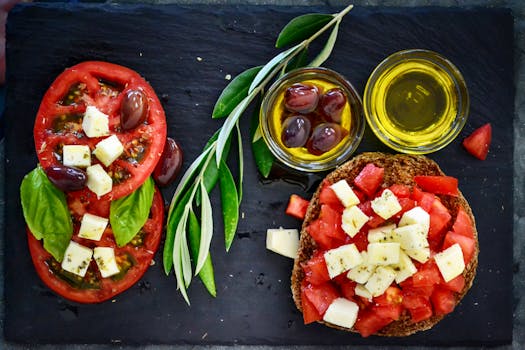 Photo: Daniela Elena Tentis / Pexels
 Photo: Susanne Jutzeler, suju-foto / Pexels
 Photo: AXP Photography / Pexels
 Photo: taha balta / Pexels