What is the Keto Diet Food List? Your Ultimate Guide
what is the keto diet food list

What is the Keto Diet Food List? Your Ultimate Guide

Master the ketogenic food list to transform your health, boost energy, and achieve sustainable weight loss.

Start Your Keto Journey

Key Takeaways

  • ✓ The keto diet emphasizes high fat, moderate protein, and very low carbohydrate intake.
  • ✓ Its primary goal is to shift your body into a metabolic state called ketosis, burning fat for fuel.
  • ✓ Key foods include healthy fats, non-starchy vegetables, quality proteins, and certain dairy.
  • ✓ Strict carbohydrate restriction (typically under 20-50g net carbs per day) is essential for ketosis.

How It Works

1
Understand Macronutrient Ratios

The keto diet typically aims for 70-80% of calories from fat, 15-20% from protein, and 5-10% from carbohydrates. This specific balance is crucial for initiating and maintaining ketosis.

2
Eliminate High-Carb Foods

To enter ketosis, you must drastically reduce your intake of sugars, grains, starchy vegetables, and most fruits. This deprives your body of its usual glucose fuel source.

3
Prioritize Keto-Friendly Foods

Focus on consuming healthy fats, quality proteins, and non-starchy vegetables from the approved keto food list. These foods provide essential nutrients while keeping carb counts low.

4
Monitor and Adjust

Pay attention to your body's response and, if desired, use ketone testing to confirm ketosis. Adjust your food intake as needed to stay within your macronutrient targets and achieve your health goals.

Understanding the Core Principles of Ketogenic Eating
A plate with a sad face drawing and cutlery on a vibrant pink background symbolizes sadness. Photo: Thought Catalog / Pexels
Embarking on a ketogenic diet can feel like a complete paradigm shift from conventional eating patterns. At its heart, the ketogenic diet, or keto for short, is a very low-carbohydrate, high-fat diet that aims to put your body into a metabolic state called ketosis. Instead of relying on glucose (sugar) from carbohydrates for energy, your body becomes incredibly efficient at burning fat for fuel. This process involves the liver converting fat into ketones, which then become the primary energy source for the brain and body. Understanding this fundamental shift is crucial to grasping what is the keto diet food list and why certain foods are in or out. The typical macronutrient breakdown for a standard ketogenic diet is approximately 70-80% of calories from fat, 15-20% from protein, and a mere 5-10% from carbohydrates. This drastic reduction in carbs, usually to under 20-50 grams of net carbohydrates per day, is the cornerstone of achieving ketosis. To put this into perspective, a single banana can contain over 25 grams of carbohydrates, illustrating the strictness required. This isn't just about cutting out obvious sugars; it extends to many common staples like bread, pasta, rice, and even some seemingly healthy fruits and vegetables that are high in natural sugars or starches. The benefits often associated with ketosis are wide-ranging and include weight loss, improved blood sugar control, increased energy levels, enhanced mental clarity, and even potential therapeutic applications for certain neurological conditions. However, these benefits are only accessible if the body successfully enters and maintains a state of ketosis, which is directly influenced by your food choices. Therefore, a clear understanding of what is the keto diet food list is not just helpful, it's absolutely essential for success and for avoiding the dreaded 'keto flu' – a collection of symptoms that can arise when the body transitions to burning fat without adequate electrolyte intake or proper food choices. When you begin to explore what is the keto diet food list, you'll notice a strong emphasis on whole, unprocessed foods. While the fat content is high, the quality of that fat matters immensely. We're talking about healthy fats from sources like avocados, olive oil, and nuts, not trans fats or highly processed vegetable oils. Similarly, protein sources should be high-quality, such as grass-fed meats, wild-caught fish, and pasture-raised eggs. The limited carbohydrate allowance is predominantly reserved for non-starchy vegetables, which provide essential vitamins, minerals, and fiber without derailing ketosis. This focus on nutrient-dense, real foods is what makes the keto diet a sustainable and healthy approach for many, rather than just a restrictive fad. For more on how your body uses these foods, explore our guide on understanding macronutrients.

The Essential Keto Diet Food List: What to Eat Freely
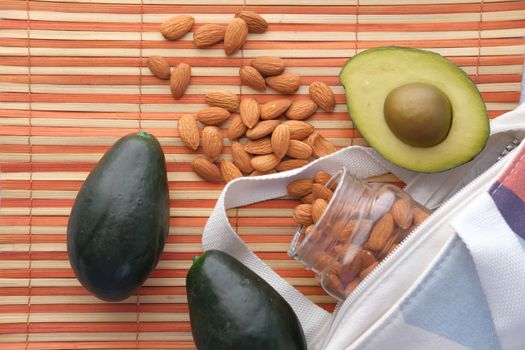
Top view of fresh avocados and almonds in a glass jar on a bamboo mat, perfect for healthy snacking. Photo: Towfiqu barbhuiya / Pexels
When asking what is the keto diet food list, the good news is that there's a wide array of delicious and satisfying foods you can enjoy. The key is to prioritize foods that are naturally low in carbohydrates, high in healthy fats, and provide adequate protein. Let's break down the categories that form the foundation of a successful ketogenic diet. **Healthy Fats:** This is the cornerstone of the keto diet, as fat will be your primary energy source. Embrace healthy fats like avocado and avocado oil, olive oil (extra virgin is best), coconut oil, MCT oil, butter (preferably grass-fed), ghee, and fatty cuts of meat. Nuts and seeds (in moderation, due to varying carb counts) like macadamia nuts, pecans, walnuts, and almonds, along with their butters, are also excellent sources of fat. These fats not only provide energy but also help with satiety, keeping hunger at bay. **Quality Proteins:** While keto is not a high-protein diet, adequate protein intake is crucial for maintaining muscle mass and supporting various bodily functions. Opt for high-quality, unprocessed protein sources such as grass-fed beef, pasture-raised poultry (chicken, turkey), pork, lamb, and wild-caught fatty fish like salmon, mackerel, sardines, and tuna. Eggs, especially pasture-raised, are also an excellent and versatile protein source. Processed meats should be consumed sparingly due to added sugars and unhealthy additives. **Non-Starchy Vegetables:** These are your primary source of fiber, vitamins, and minerals on a keto diet. They allow you to add volume and nutrients to your meals without significantly impacting your carb count. Think leafy greens like spinach, kale, lettuce, and collard greens. Other excellent choices include broccoli, cauliflower, asparagus, zucchini, bell peppers (especially green), cucumbers, green beans, and Brussels sprouts. These vegetables are versatile and can be incorporated into countless keto recipes. **Full-Fat Dairy (in moderation):** Certain full-fat dairy products can be included on a keto diet, but it's important to be mindful of their carb content, especially with options like yogurt. Good choices include full-fat cheeses (cheddar, mozzarella, brie, cream cheese), heavy cream, and sour cream. Always check labels for added sugars or starches, as these can quickly add up. Some individuals may find dairy causes digestive issues or stalls weight loss, so personal tolerance is key. **Berries (in strict moderation):** While most fruits are too high in sugar for keto, a small amount of berries can be enjoyed occasionally. Blackberries, raspberries, and strawberries are lower in carbs than other fruits. A small handful can be a nice treat, but portion control is paramount to stay within your daily carb limit. **Beverages:** Water is always your best friend. Beyond that, unsweetened coffee, unsweetened tea, and sparkling water are excellent choices. Avoid sugary sodas, fruit juices, and most alcoholic beverages, as they are typically high in carbs. Dry wines and spirits without added sugars can be consumed in very limited quantities, but alcohol can slow down ketosis.

Foods to Avoid on Keto: The High-Carb Culprits

Close-up of various artisan breads showcasing their crispy crusts and rustic appeal. Photo: Nadine Ginzel / Pexels
Just as important as knowing what is the keto diet food list that you can eat, is understanding which foods to strictly avoid. These are the high-carb culprits that will quickly kick you out of ketosis, halting your fat-burning efforts and potentially leading to the 'keto flu.' Eliminating these items from your diet is non-negotiable for keto success. **Sugary Foods:** This category is perhaps the most obvious. All forms of sugar are out. This includes candy, soda, fruit juice, cakes, cookies, ice cream, pastries, and any food with added sugar. Be vigilant and read food labels, as sugar hides in many unexpected places, such as condiments, sauces, and even some processed meats. Natural sweeteners like honey, maple syrup, and agave nectar are also high in carbs and should be avoided. Instead, opt for keto-friendly sweeteners like erythritol, stevia, or monk fruit in moderation. **Grains and Starches:** This is a major area of restriction. Say goodbye to wheat-based products like bread, pasta, crackers, and cereals. Rice (white, brown, wild), oats, quinoa, barley, and corn are also off-limits. These foods are packed with carbohydrates that will prevent ketosis. Even 'healthy' whole grains are too high in carbs for a ketogenic diet. Look for keto-friendly alternatives like almond flour, coconut flour, or cauliflower rice to satisfy cravings for these textures. **Most Fruits:** While fruits are often lauded for their health benefits, most are simply too high in natural sugars to be compatible with a ketogenic diet. This includes bananas, apples, oranges, grapes, mangoes, and pineapple. As mentioned previously, a very small amount of low-carb berries can be an exception, but discretion is key. Focus on getting your vitamins and antioxidants from non-starchy vegetables instead. **Starchy Vegetables:** Not all vegetables are created equal on keto. Starchy vegetables, such as potatoes (white and sweet), corn, peas, and most root vegetables (carrots, parsnips, beets), contain too many carbohydrates to fit within the strict keto limits. While they offer nutrients, their carb load will disrupt ketosis. Prioritize the non-starchy options discussed earlier. **Legumes:** Beans (black beans, kidney beans, chickpeas), lentils, and peanuts are generally too high in carbohydrates to be included in a ketogenic diet. While nutritious, their carb count makes them unsuitable for maintaining ketosis. Peanut butter, for example, is often a hidden source of carbs and sugar, so careful label reading is essential if you choose to consume it in tiny amounts. **Low-Fat and Diet Products:** Ironically, many 'low-fat' or 'diet' products are often loaded with sugar or artificial sweeteners to compensate for the lack of fat, making them unsuitable for keto. Always opt for full-fat versions of dairy and other products, ensuring they don't have added sugars or starches. These products are often highly processed and lack the nutrient density of whole foods. Understanding these restrictions is fundamental to successfully navigating your keto journey and achieving your health goals.

Practical Tips for Navigating Your Keto Food List and Avoiding Common Mistakes
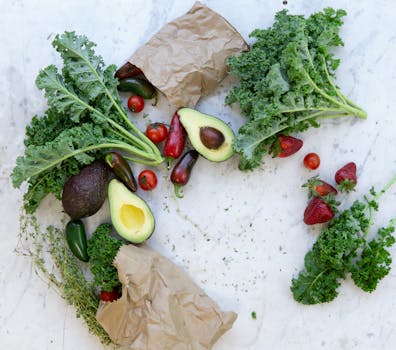
Top view of fresh avocados, kale, tomatoes, and peppers arranged on a marble surface. Photo: Elle Hughes / Pexels
Successfully adhering to what is the keto diet food list requires more than just knowing what to eat and avoid; it demands practical strategies and an awareness of common pitfalls. Here are some essential tips to help you thrive on your ketogenic journey: **1. Plan Your Meals in Advance:** Meal prepping is a game-changer for keto. Planning your meals and snacks for the week helps you stay on track, reduces the temptation to grab non-keto options, and ensures you have all the necessary ingredients on hand. This is especially helpful during busy weekdays. **2. Read Food Labels Diligently:** This cannot be stressed enough. Hidden sugars and carbs are everywhere, even in seemingly benign products. Always check the 'Total Carbohydrates' and 'Fiber' content to calculate net carbs (Total Carbs - Fiber = Net Carbs). Pay attention to serving sizes, as they can be deceiving. **3. Stay Hydrated and Mind Your Electrolytes:** When transitioning to keto, your body sheds a lot of water, which can lead to electrolyte imbalances. Drink plenty of water and consider supplementing with electrolytes like sodium, potassium, and magnesium to prevent the 'keto flu.' Bone broth is an excellent natural source of electrolytes. **4. Don't Fear Healthy Fats:** Many people are still conditioned to avoid fat. On keto, fat is your friend and your primary energy source. Embrace healthy fats from avocados, olive oil, fatty fish, and nuts. They are crucial for satiety and energy. **5. Prioritize Whole, Unprocessed Foods:** While there are many keto-friendly processed snacks available, focus the majority of your diet on whole, unprocessed foods. These are more nutrient-dense and will support overall health better than highly engineered keto products. **6. Be Mindful of Protein Intake:** While keto is high-fat, it's moderate-protein, not high-protein. Consuming too much protein can lead to gluconeogenesis, where your body converts excess protein into glucose, potentially hindering ketosis. Aim for approximately 0.6-0.8 grams of protein per pound of lean body mass. **7. Experiment with Keto-Friendly Alternatives:** There are excellent keto versions of many high-carb favorites. Cauliflower can be mashed, riced, or made into pizza crust. Almond and coconut flours can replace wheat flour in baking. Zucchini noodles or spaghetti squash can stand in for pasta. These alternatives can make the diet more enjoyable and sustainable. **8. Listen to Your Body:** Everyone's body is different. What works for one person might need slight adjustments for another. Pay attention to how you feel, your energy levels, and any digestive changes. Adjust your food choices and macronutrient ratios as needed. If you're unsure, consulting with a healthcare professional or a registered dietitian experienced in ketogenic diets can be beneficial. **Common Mistakes to Avoid:** * **Not tracking carbs:** Even small amounts add up. Use an app to track your intake, especially when starting. * **Not enough fat:** If you're hungry, you might not be eating enough fat. This is a common mistake for those new to keto. * **Too much protein:** As mentioned, excess protein can be converted to glucose. * **Ignoring electrolytes:** This is a primary cause of the 'keto flu.' * **Relying on processed keto snacks:** While convenient, they shouldn't be the bulk of your diet. * **Not drinking enough water:** Dehydration can exacerbate keto flu symptoms and overall discomfort. By following these tips and avoiding common pitfalls, you can successfully navigate what is the keto diet food list and reap the many benefits of a ketogenic lifestyle.

Comparison

FeatureKeto DietStandard American DietLow-Fat Diet
Primary Fuel SourceFat (Ketones)Carbohydrates (Glucose)Carbohydrates (Glucose)
Carbohydrate IntakeVery Low (20-50g/day)High (250-300g+/day)Moderate-High (150-250g/day)
Fat IntakeHigh (70-80% of calories)Moderate (20-35% of calories)Low (10-25% of calories)
Protein IntakeModerate (15-20% of calories)Moderate (10-20% of calories)Moderate-High (20-30% of calories)
Focus FoodsAvocado, olive oil, fatty meats, non-starchy veggiesGrains, processed foods, sugary drinksLean meats, fruits, whole grains
Metabolic StateKetosisGlucose-dependentGlucose-dependent
Potential BenefitsWeight loss, blood sugar control, mental clarityConvenience, wide food varietyHeart health (debated), weight loss (often short-term)

What Readers Say

"Understanding what is the keto diet food list was a game-changer for me. This guide clearly laid out what to eat and avoid, making my transition to keto so much smoother. I've lost 15 pounds and have more energy than ever!"

Sarah J. · Austin, TX

"I was overwhelmed by conflicting information about keto, but this article provided a clear, actionable what is the keto diet food list. It's incredibly helpful for meal planning and grocery shopping, simplifying my entire approach to eating."

Mark T. · Denver, CO

"After struggling with my blood sugar for years, I decided to try keto. This comprehensive guide on what is the keto diet food list helped me implement the diet correctly, and my A1C levels have significantly improved in just three months. Truly life-changing!"

Jessica L. · Miami, FL

"The food list was excellent, though I found it took a bit of trial and error to figure out the best keto-friendly snacks that fit my personal taste. Still, the core information on what is the keto diet food list is invaluable and has kept me on track."

David P. · Seattle, WA

"As a busy mom, I needed a straightforward guide. This article delivered exactly that, detailing what is the keto diet food list in an easy-to-understand format. My family now enjoys many keto-friendly meals, and we all feel better."

Emily R. · Chicago, IL

Frequently Asked Questions

What are the absolute must-have foods on a keto diet?

The absolute must-have foods on a keto diet include healthy fats like avocado, olive oil, and coconut oil; quality protein sources such as grass-fed meats, wild-caught fish, and eggs; and non-starchy vegetables like spinach, broccoli, and cauliflower. These form the foundation of most keto meals, providing essential nutrients while keeping carbohydrate intake very low.

Will I feel deprived on the keto diet with such a restrictive food list?

While the keto diet is restrictive in terms of carbohydrates, many people find they feel less deprived than on other diets due to the high fat content, which promotes satiety. The wide variety of delicious keto-friendly meats, cheeses, healthy fats, and non-starchy vegetables allows for creative and satisfying meals, often leading to reduced cravings and sustained fullness.

How do I calculate net carbs for foods on the keto diet food list?

To calculate net carbs, you subtract the fiber content from the total carbohydrates listed on a food's nutrition label. For example, if a food has 10g total carbs and 5g fiber, its net carb count is 5g. This calculation is crucial because fiber is a carbohydrate that your body doesn't digest, so it doesn't impact blood sugar or ketosis.

Is the keto diet expensive compared to a regular diet?

The cost of a keto diet can vary. While some keto staples like grass-fed meat or specialty oils can be pricier, focusing on whole, unprocessed foods like eggs, chicken thighs, and frozen non-starchy vegetables can be budget-friendly. Avoiding expensive processed keto snacks and meal planning can also help manage costs effectively, making it comparable to a balanced, whole-food diet.

How does the keto diet food list compare to a low-carb diet food list?

The keto diet food list is a stricter version of a general low-carb diet food list. While both restrict carbohydrates, keto aims for a very low intake (typically under 20-50g net carbs) to induce ketosis, whereas a low-carb diet might allow for a higher carb intake (e.g., 50-150g net carbs) without necessarily aiming for ketosis. The keto list is more precise in its exclusions.

Who should consider following what is the keto diet food list?

Individuals looking for significant weight loss, improved blood sugar control (especially those with Type 2 Diabetes or prediabetes), increased energy levels, or enhanced mental clarity might benefit from following what is the keto diet food list. It's also explored for therapeutic uses in conditions like epilepsy. However, it's always recommended to consult a healthcare professional before starting any new restrictive diet.

Are there any risks associated with strictly adhering to the keto diet food list?

While generally safe for most healthy adults, strictly adhering to the keto diet food list can pose some risks. These include the 'keto flu' (fatigue, headache, nausea) during transition, potential nutrient deficiencies if not well-planned, and digestive issues like constipation due to lack of fiber. Long-term effects are still being researched, and individuals with certain medical conditions should avoid keto or proceed with extreme caution under medical supervision.

What are the future trends for what is the keto diet food list?

Future trends for what is the keto diet food list are likely to include an expansion of convenient, high-quality keto-friendly processed foods and meal services, more research into personalized ketogenic approaches, and a greater emphasis on sustainable and ethically sourced keto ingredients. There's also growing interest in cyclical or targeted keto approaches that offer more flexibility while still leveraging ketosis benefits.

Now that you have a comprehensive understanding of what is the keto diet food list, you're equipped to make informed choices. Start building your personalized keto meal plan today to unlock the potential health and wellness benefits of this transformative eating style.

Topics: what is the keto diet food listketogenic diet foodsketo friendly foodslow carb high fat dietketo food guide
Leo List
Brampton weed
Adultwork