
What Are Superfoods Good For? Unlock Your Health Potential
what are superfoods good for

What Are Superfoods Good For? Unlock Your Health Potential

Explore the incredible benefits of incorporating superfoods into your daily diet for a healthier, more vibrant life.

Start Your Superfood Journey

Key Takeaways

  • ✓ Superfoods are exceptionally rich in vitamins, minerals, antioxidants, and other beneficial compounds.
  • ✓ They can support various bodily functions, from immunity and digestion to brain health and energy levels.
  • ✓ No single superfood provides all necessary nutrients; a diverse diet is key.
  • ✓ Incorporating superfoods can reduce the risk of chronic diseases and promote longevity.

How It Works

1
Understand Nutrient Density

Superfoods are defined by their high concentration of vital nutrients relative to their calorie count. This means you get more health benefits per bite.

2
Boost Cellular Protection

Many superfoods are packed with antioxidants, which combat free radicals and reduce oxidative stress in your cells. This protects against damage and aging.

3
Support Systemic Health

From enhancing immune response to improving gut flora and cardiovascular function, superfoods contribute to the optimal operation of your body's systems.

4
Integrate & Diversify

The 'magic' of superfoods comes from consistent, varied consumption. Regularly adding a range of these foods ensures you receive a broad spectrum of benefits.

Unpacking the Nutritional Powerhouse: The Core Benefits of Superfoods
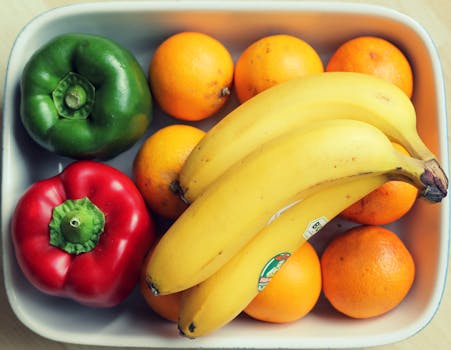
Vibrant mix of fruits and vegetables, including bananas and peppers, in a bowl. Photo: Manuel Joseph / Pexels
The term "superfood" has become a buzzword in health and wellness circles, but what exactly are superfoods good for, beyond just sounding healthy? At its heart, a superfood is a nutrient-dense food, meaning it packs a significant punch of vitamins, minerals, antioxidants, and phytonutrients with relatively few calories. These are not just empty calories; they are powerhouses designed by nature to fuel and protect your body at a cellular level. Consider the humble blueberry, often lauded as a superfood. It's bursting with anthocyanins, a type of antioxidant that gives it its vibrant color. These compounds are extensively studied for their ability to combat oxidative stress, which is a key contributor to aging and many chronic diseases. Oxidative stress occurs when there's an imbalance between free radicals and antioxidants in your body. Free radicals are unstable molecules that can damage cells, proteins, and DNA, leading to inflammation and various health issues. By consuming foods rich in antioxidants, like blueberries, you help neutralize these free radicals, offering a protective shield for your cells. This foundational benefit of cellular protection is a cornerstone of what makes superfoods so valuable. Beyond just antioxidants, superfoods are typically rich in a spectrum of essential vitamins and minerals that are crucial for countless bodily functions. For example, dark leafy greens like spinach and kale are loaded with Vitamin K, vital for blood clotting and bone health, and Vitamin A, essential for vision and immune function. They also provide folate, magnesium, and potassium, which play roles in energy production, muscle function, and blood pressure regulation. These aren't just isolated benefits; they work synergistically. A diet rich in these micronutrients can lead to improved energy levels, better skin health, enhanced cognitive function, and stronger bones. The cumulative effect of these nutritional contributions is what truly defines the impact of superfoods. It's not about a single miracle compound, but rather a complex symphony of beneficial elements working together to optimize your health. Understanding this fundamental concept is the first step to truly appreciating what superfoods are good for and how they can elevate your overall well-being. For more on dietary essentials, explore healthy eating habits.

Boosting Immunity and Fighting Inflammation with Superfoods
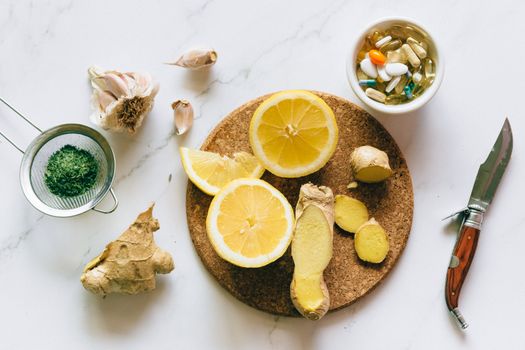
Flat lay of natural remedies including lemon, ginger, and garlic alongside pills. Photo: Nataliya Vaitkevich / Pexels
Two of the most compelling answers to the question "what are superfoods good for?" revolve around their profound impact on your immune system and their ability to combat chronic inflammation. In today's world, supporting a robust immune system is more critical than ever, and superfoods offer a delicious and natural way to do just that. Many superfoods are packed with immune-boosting vitamins like Vitamin C, found abundantly in citrus fruits, bell peppers, and acerola cherries, and Vitamin E, present in nuts, seeds, and avocados. These vitamins act as powerful antioxidants, protecting immune cells from damage and enhancing their ability to fight off pathogens. Zinc, another crucial mineral for immune function, is found in pumpkin seeds, cashews, and lentils, playing a vital role in the development and function of immune cells. Furthermore, certain superfoods contain unique compounds that directly stimulate immune responses. For instance, medicinal mushrooms like reishi and shiitake are known for their beta-glucans, polysaccharides that can modulate the immune system, making it more efficient at identifying and destroying invaders. Chronic inflammation is an insidious underlying factor in many modern diseases, including heart disease, diabetes, arthritis, and even some cancers. While acute inflammation is a natural and necessary bodily response to injury or infection, persistent low-grade inflammation can wreak havoc on your body. This is where the anti-inflammatory properties of many superfoods become incredibly valuable. Foods like turmeric, with its active compound curcumin, are renowned for their potent anti-inflammatory effects, comparable to some pharmaceutical drugs but without the side effects. Omega-3 fatty acids, found in fatty fish like salmon, chia seeds, and walnuts, are powerful anti-inflammatory agents that help regulate the body's inflammatory pathways. Berries, with their rich anthocyanin content, not only offer antioxidant protection but also exhibit strong anti-inflammatory actions. Green tea, another superfood staple, contains catechins, particularly EGCG, which are potent anti-inflammatory compounds. By regularly incorporating these foods into your diet, you can actively reduce systemic inflammation, easing symptoms of inflammatory conditions and potentially lowering your risk of developing chronic diseases. This dual action – boosting immunity and reducing inflammation – highlights a critical aspect of what superfoods are good for in maintaining long-term health and vitality.

Enhancing Digestion, Gut Health, and Metabolic Function

Hands preparing vegetables with olive oil, garlic, and squash in a kitchen setting. Photo: Андрей / Pexels
When we ask what superfoods are good for, we cannot overlook their pivotal role in digestive health and metabolic function. A healthy gut is increasingly recognized as the cornerstone of overall well-being, influencing everything from immunity to mood. Many superfoods are excellent sources of dietary fiber, both soluble and insoluble. Soluble fiber, found in oats, apples, and beans, helps regulate blood sugar levels and can lower cholesterol. Insoluble fiber, abundant in whole grains, vegetables, and nuts, adds bulk to stool, promoting regular bowel movements and preventing constipation. This dual action of fiber is crucial for maintaining a healthy digestive tract. Beyond mere fiber, some superfoods act as prebiotics, which are non-digestible food components that selectively stimulate the growth and activity of beneficial bacteria in your colon. Foods like garlic, onions, leeks, and asparagus contain fructans that feed your gut microbiome, fostering a diverse and healthy community of microorganisms. A thriving gut microbiome is linked to improved digestion, enhanced nutrient absorption, and even a stronger immune system. Furthermore, superfoods play a significant role in optimizing metabolic function, which encompasses all the biochemical processes that occur in your body to maintain life. This includes converting food into energy, building and breaking down proteins, and eliminating waste. Certain superfoods can help stabilize blood sugar, improve insulin sensitivity, and support a healthy metabolism. For example, cinnamon has been shown to help lower blood glucose levels and improve insulin function, making it beneficial for those managing or preventing type 2 diabetes. Legumes like lentils and chickpeas are not only rich in fiber but also provide complex carbohydrates and protein, leading to sustained energy release and preventing sharp blood sugar spikes. Healthy fats found in avocados, nuts, and seeds are crucial for hormone production and can help keep you feeling full and satisfied, aiding in weight management. The comprehensive nutrient profile of superfoods ensures that your body has the raw materials it needs to perform its metabolic tasks efficiently. By supporting a healthy gut and optimizing metabolic processes, superfoods contribute to sustained energy, balanced weight, and a reduced risk of chronic metabolic disorders. To learn more about how diet impacts your body, check out this resource on metabolic health foods.

Practical Tips for Incorporating Superfoods into Your Daily Diet
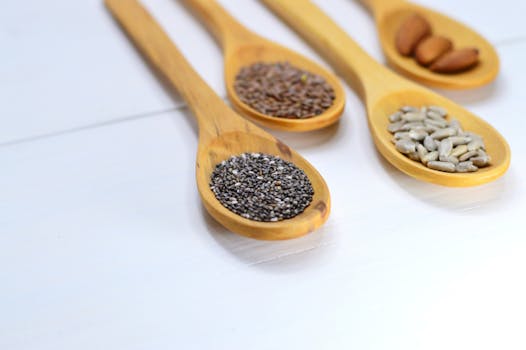
A variety of seeds and nuts in wooden spoons displayed on a white surface. Photo: Miguel Á. Padriñán / Pexels
Understanding what superfoods are good for is one thing; consistently incorporating them into your daily diet is another. It doesn't have to be complicated or expensive. The key is small, sustainable changes. Start by identifying a few superfoods you enjoy and find accessible. For instance, if you love berries, add a handful to your morning oatmeal, yogurt, or smoothie. If you're a fan of greens, try adding spinach or kale to scrambled eggs, pasta sauces, or even blending them into fruit smoothies – you often won't taste them! Don't feel pressured to overhaul your entire diet overnight. Gradually introducing these foods will make the transition smoother and more enjoyable. Here are some actionable tips: * **Breakfast Boost:** Add chia seeds, flax seeds, or berries to oatmeal, cereal, or yogurt. Blend spinach into your morning smoothie for an invisible nutrient kick. * **Lunchtime Upgrade:** Pack a salad with dark leafy greens, bell peppers, and a sprinkle of walnuts or pumpkin seeds. Add avocado slices to sandwiches or wraps. * **Snack Smart:** Opt for an apple with almond butter, a handful of mixed berries, a small portion of nuts, or a hard-boiled egg. Roasted chickpeas make a great crunchy snack. * **Dinner Delights:** Incorporate lentils or beans into stews, chilis, or as a side dish. Swap white rice for quinoa. Add turmeric to curries or roasted vegetables. Include fatty fish like salmon a couple of times a week. * **Hydration with a Twist:** Infuse your water with lemon, cucumber, or berries for a refreshing and subtly beneficial drink. Remember, consistency trumps perfection. Even small, regular additions of superfoods can accumulate significant health benefits over time. Focus on diversity and enjoyment rather than strict adherence to a list. The goal is to make healthy eating a natural and delicious part of your lifestyle.

Comparison

FeatureBerries (e.g., Blueberries)Leafy Greens (e.g., Kale)AvocadoTurmeric
Antioxidant ContentVery HighHighMediumVery High
Anti-inflammatory
Fiber SourceGoodExcellentGoodLow
Vitamin KLowExcellentGoodLow
Healthy FatsExcellent
Versatility in DishesHighHighHighMedium

What Readers Say

"I started adding a handful of spinach to my morning smoothie, and honestly, the energy difference is noticeable. It's amazing what superfoods are good for when you actually incorporate them!"

Sarah J. · Austin, TX

"Since learning what superfoods are good for, I've swapped processed snacks for nuts and berries. My digestion has improved, and I feel generally more vibrant throughout the day."

Mark P. · Seattle, WA

"My chronic inflammation used to bother me daily. After consistently adding turmeric and omega-3 rich foods, I've seen a significant reduction in discomfort. Superfoods truly deliver on their promise!"

Emily R. · Miami, FL

"I'm still figuring out how to fit all these superfoods into my busy schedule, but even the small changes I've made, like adding chia to my oatmeal, have made me feel better. It's a journey."

David L. · Chicago, IL

"As a busy mom, I need all the immune support I can get. Since focusing on what superfoods are good for and adding more berries and greens, I feel like I'm catching fewer colds. Highly recommend!"

Jessica M. · Denver, CO

Frequently Asked Questions

What are the most effective superfoods for overall health?

While 'most effective' can vary by individual needs, a diverse range of superfoods like leafy greens (kale, spinach), berries (blueberries, acai), cruciferous vegetables (broccoli, cauliflower), nuts and seeds (almonds, chia, flax), legumes, and fatty fish (salmon) are consistently praised for their broad spectrum of benefits.

Are superfoods a magic bullet for health problems?

No, superfoods are not magic bullets or a substitute for a balanced diet and healthy lifestyle. They are nutrient-dense foods that can significantly enhance your health when integrated into an overall healthy eating pattern, but they cannot singularly cure diseases or compensate for poor lifestyle choices.

How can I easily add superfoods to my daily meals?

Start small! Add berries to your breakfast cereal or yogurt, blend spinach into smoothies, sprinkle chia or flax seeds on salads, snack on nuts, or incorporate more beans and lentils into your dinners. Gradual integration is key to making it a sustainable habit.

Are expensive exotic superfoods always better than common ones?

Not necessarily. While some exotic superfoods offer unique benefits, many common, affordable foods like apples, bananas, oats, and broccoli are also incredibly nutrient-dense and offer significant health advantages. Focus on variety and accessibility rather than just price or rarity.

Can children benefit from superfoods?

Absolutely! Introducing children to a variety of nutrient-dense superfoods early on can establish healthy eating habits and provide essential vitamins and minerals for their growth and development. Always consider age-appropriate portions and preparations.

Who should avoid certain superfoods?

While generally safe, individuals with specific allergies (e.g., nuts, shellfish), certain medical conditions (e.g., kidney issues might need to limit potassium-rich foods), or those on specific medications (e.g., blood thinners with Vitamin K-rich greens) should consult their doctor or a registered dietitian before making significant dietary changes.

Is it possible to consume too many superfoods?

While individual superfoods are generally safe, consuming excessively large quantities of any single food, even a healthy one, can lead to nutrient imbalances or digestive upset. The emphasis should always be on a varied and balanced diet for optimal health benefits.

What is the future trend for superfoods?

The trend for superfoods is likely to move towards sustainable, locally sourced options and a greater focus on plant-based proteins, adaptogens, and foods that support gut health and cognitive function. Expect more research into personalized nutrition based on individual genetic and microbiome profiles.

Now that you understand what superfoods are good for, it's time to take action. Begin your journey towards enhanced health and vitality by thoughtfully integrating these nutritional powerhouses into your daily routine. Your body will thank you.

Topics: what are superfoods good forsuperfood benefitsnutrient-dense foodsimmune-boosting foodsanti-inflammatory diet
Leo List

DK Escorts LU Escorts AT Escorts SE Escorts FI Escorts CH Escorts DE Escorts HR Escorts IE Escorts GR Escorts CZ Escorts NO Escorts BE Escorts FR Escorts SI Escorts IL Escorts NL Escorts PL Escorts HU Escorts ES Escorts IT Escorts PT Escorts SK Escorts RO Escorts ZA Escorts UY Escorts US Escorts UK Escorts NZ Escorts AU Escorts
Brampton weed
Adultwork EstrelaBet Vai de Bet R7 Bet Betão Galera Bet Rainbet Bet9ja Shop SportyBet BetKing Sisal Loto Foot Hollywoodbets YesPlay Odibets RushBet Jugabet BetWarrior BetCity MSport betPawa Fortebet