What Are Superfoods Benefits? Unlock Optimal Health
what are superfoods benefits

What Are Superfoods Benefits? Unlock Optimal Health

Explore the profound impact of nutrient-dense superfoods on your body and mind for a healthier, more vibrant life.

Start Your Superfood Journey

Key Takeaways

  • ✓ Superfoods are nutrient-dense foods, not a scientifically defined category.
  • ✓ They are rich in vitamins, minerals, antioxidants, and phytochemicals.
  • ✓ Common superfoods include berries, leafy greens, nuts, seeds, and certain fish.
  • ✓ Incorporating superfoods can support immunity, heart health, and energy levels.

How It Works

1
Identify Key Nutrients

Understand which specific vitamins, minerals, and antioxidants your body needs most. Superfoods are packed with these essential components.

2
Incorporate Daily

Integrate a variety of superfoods into your daily meals and snacks. Small, consistent additions can lead to significant health improvements over time.

3
Observe Health Changes

Pay attention to how your body responds to increased superfood intake. Many report enhanced energy, better digestion, and improved skin health.

4
Maintain Balanced Diet

While powerful, superfoods are part of an overall healthy diet. Combine them with whole grains, lean proteins, and other fruits and vegetables for best results.

Unpacking the Nutritional Power of Superfoods

Top view of assorted orange fruits and vegetables on orange surface, offering organic health benefits. Photo: Vanessa Loring / Pexels
The term 'superfood' has gained significant traction in health and wellness circles, but what exactly does it mean, and more importantly, what are superfoods benefits? While not a scientific classification, 'superfood' generally refers to foods that are exceptionally rich in nutrients and are considered beneficial for health and well-being. These aren't just any healthy foods; they're often packed with a concentrated dose of vitamins, minerals, antioxidants, and phytochemicals that can offer a wide array of health advantages. Think of them as nutritional powerhouses, delivering maximum goodness with minimal calories. At the core of superfoods' benefits lies their dense nutritional profile. For instance, many superfoods are abundant in antioxidants, compounds that combat oxidative stress in the body. Oxidative stress, caused by free radicals, is linked to chronic diseases like heart disease, cancer, and neurodegenerative disorders, as well as the aging process itself. By neutralizing these free radicals, antioxidants found in foods like berries, dark chocolate, and green tea help protect your cells from damage, contributing to long-term health and vitality. This protective mechanism is one of the most compelling answers to the question, what are superfoods benefits. Beyond antioxidants, superfoods often provide a significant source of essential vitamins and minerals. For example, leafy greens like spinach and kale are bursting with Vitamin K, crucial for blood clotting and bone health, as well as Vitamin A for vision and immune function, and Vitamin C for collagen production and immunity. Oily fish like salmon and mackerel are renowned for their omega-3 fatty acids, vital for brain health, reducing inflammation, and supporting cardiovascular function. These fatty acids are not produced by the body, making dietary intake essential. Nuts and seeds, such as almonds, chia seeds, and walnuts, offer healthy fats, fiber, and protein, contributing to satiety and stable blood sugar levels. Understanding the specific nutritional components of various superfoods helps us appreciate their profound impact. It's not just about eating 'healthy'; it's about strategically choosing foods that deliver a potent punch of beneficial compounds. The cumulative effect of regularly consuming these nutrient-dense items can lead to measurable improvements in various bodily functions and disease prevention. For a deeper dive into the specific nutrients, explore our guide on essential vitamins and minerals. The sheer variety of superfoods available means that you can easily incorporate them into diverse diets, ensuring a broad spectrum of nutritional intake without monotony. This diversity is key to ensuring you get a full range of benefits, as different superfoods offer different strengths. From the vibrant pigments of berries indicating anthocyanins to the healthy fats in avocados, each superfood contributes uniquely to your overall nutritional landscape.

Boosting Immunity and Reducing Inflammation with Superfoods
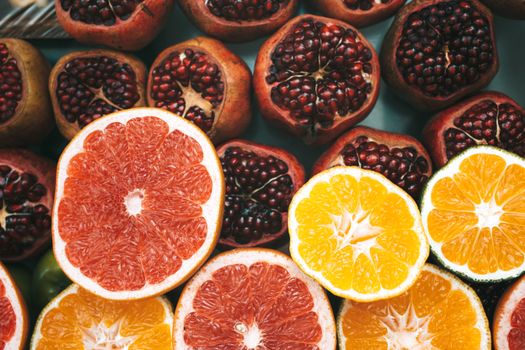
Close-up view of colorful sliced citrus fruits and pomegranates showcasing freshness and nutrition. Photo: ROMAN ODINTSOV / Pexels
One of the most significant answers to what are superfoods benefits centers on their remarkable ability to bolster the immune system and combat chronic inflammation. In today's world, where environmental stressors and processed foods are prevalent, maintaining a robust immune defense and managing inflammation are paramount for optimal health. Superfoods offer a natural and delicious way to achieve this. Many superfoods are celebrated for their high vitamin C content, a well-known immune booster. Citrus fruits, bell peppers, and kiwi are excellent sources, but berries like strawberries and blueberries also pack a powerful vitamin C punch. This vitamin is crucial for the production and function of white blood cells, which are the body's primary defense against pathogens. Beyond vitamin C, superfoods often contain other immune-supportive nutrients like zinc (found in pumpkin seeds, cashews), selenium (Brazil nuts), and various B vitamins, all of which play intricate roles in modulating immune responses and enhancing the body's resilience against infections. Chronic inflammation is a silent threat, underlying many serious health conditions including heart disease, diabetes, certain cancers, and autoimmune disorders. Superfoods, with their rich array of antioxidants and anti-inflammatory compounds, can play a pivotal role in mitigating this harmful process. Turmeric, for instance, contains curcumin, a powerful anti-inflammatory compound that has been extensively studied for its therapeutic effects. Ginger is another potent anti-inflammatory spice. Berries, with their anthocyanins, not only act as antioxidants but also possess strong anti-inflammatory properties, helping to quell inflammatory pathways in the body. Green leafy vegetables like kale and spinach provide vitamins, minerals, and phytonutrients that actively reduce inflammation. Omega-3 fatty acids, predominantly found in fatty fish like salmon, mackerel, and sardines, as well as in flaxseeds and chia seeds, are perhaps some of the most well-researched anti-inflammatory compounds. They help balance the body's inflammatory response, shifting it away from pro-inflammatory states. Regular consumption of these superfoods can significantly lower systemic inflammation markers, contributing to better joint health, reduced risk of chronic diseases, and improved overall well-being. The synergy of these diverse compounds within superfoods means they often offer a more comprehensive anti-inflammatory effect than isolated supplements. Incorporating these immune-boosting and anti-inflammatory superfoods into your daily diet is a proactive step towards preventative health. It's about empowering your body's natural defenses and creating an internal environment that is less susceptible to disease. This holistic approach to wellness is a testament to the profound impact of understanding what are superfoods benefits and integrating them thoughtfully into your lifestyle.

Enhancing Energy, Heart Health, and Digestive Wellness

A vibrant display of bananas, strawberries, and pomegranate on a pink background. Photo: Viktoria Slowikowska / Pexels
Beyond immunity and inflammation, what are superfoods benefits when it comes to daily energy, cardiovascular strength, and a healthy digestive system? The answer is substantial. Many superfoods are natural energy enhancers, not through stimulants, but by providing the body with the sustained fuel and micronutrients it needs to function optimally. For instance, complex carbohydrates found in superfoods like quinoa, oats, and sweet potatoes release glucose slowly, preventing blood sugar spikes and crashes that lead to fatigue. Coupled with healthy fats from avocados, nuts, and seeds, these foods ensure a steady supply of energy throughout the day, supporting both physical and mental performance. Iron-rich superfoods like spinach and lentils are crucial for preventing iron-deficiency anemia, a common cause of low energy and fatigue, by supporting oxygen transport in the blood. This direct impact on cellular energy production makes them invaluable for vitality. Heart health is another area where superfoods shine. The combination of antioxidants, healthy fats, and fiber makes them incredibly protective for the cardiovascular system. Berries, rich in anthocyanins, have been shown to improve blood vessel function and lower blood pressure. Omega-3 fatty acids from fish and flaxseeds reduce triglycerides, decrease blood clotting, and lower the risk of arrhythmias. Soluble fiber, found in oats, beans, and apples, helps lower LDL ('bad') cholesterol by binding to it in the digestive tract and preventing its absorption. Potassium-rich superfoods like bananas, sweet potatoes, and leafy greens contribute to blood pressure regulation by counteracting the effects of sodium. These combined actions illustrate the powerful role superfoods play in maintaining a healthy heart and circulatory system, significantly reducing the risk of heart disease, which remains a leading cause of mortality. For more details on maintaining cardiovascular health, consider reading our article on natural ways to support heart health. Digestive wellness is the foundation of overall health, and superfoods are instrumental in maintaining a healthy gut. They are often excellent sources of dietary fiber, both soluble and insoluble. Insoluble fiber adds bulk to stool, promoting regular bowel movements and preventing constipation, while soluble fiber forms a gel-like substance that feeds beneficial gut bacteria. Fermented superfoods like kimchi, sauerkraut, and kombucha are rich in probiotics, live beneficial bacteria that colonize the gut, improving digestion, nutrient absorption, and even impacting mood and immune function. A healthy gut microbiome is increasingly recognized for its widespread effects on systemic health. Superfoods like chia seeds and flaxseeds, when soaked, form a mucilaginous texture that can soothe the digestive tract. By fostering a balanced and thriving gut environment, superfoods contribute to efficient nutrient extraction from food, reduced bloating, and a stronger barrier against pathogens. The profound connection between a healthy gut and overall well-being underscores the critical role these foods play in our daily diet.

Integrating Superfoods into Your Daily Diet: Tips and Common Mistakes

Cute child eating broccoli, promoting healthy eating habits indoors. Photo: cottonbro studio / Pexels
Successfully integrating superfoods into your daily diet is simpler than you might think, and it doesn't require a complete overhaul of your eating habits. The key is consistency and variety. Start by identifying a few superfoods you enjoy and find easy to incorporate. For example, add a handful of berries to your breakfast cereal or yogurt, toss spinach into your morning smoothie, or sprinkle chia seeds over your oatmeal. Lunch can be enhanced with a kale salad or avocado slices in a sandwich. For dinner, consider incorporating salmon or other fatty fish, or adding lentils and beans to stews and soups. Snacking on nuts, seeds, or apple slices with nut butter can also boost your superfood intake. Remember, small, consistent changes accumulate into significant benefits over time. Think about how to 'hide' them in dishes if you're not a fan of their raw taste, such as blending greens into sauces or adding turmeric to curries. Here are some actionable tips for seamless integration: * **Smoothie Power-Ups:** Blend spinach, kale, berries, flaxseeds, or chia seeds into your morning smoothie for an effortless nutrient boost. * **Breakfast Bowls:** Top oatmeal, yogurt, or overnight oats with nuts, seeds, fresh berries, or goji berries. * **Salad Enhancements:** Add vibrant bell peppers, broccoli florets, avocado, or a sprinkle of walnuts and sunflower seeds to your salads. * **Savory Dishes:** Incorporate leafy greens into stir-fries, omelets, or pasta sauces. Use turmeric and ginger liberally in cooking. * **Smart Snacking:** Keep a stash of almonds, walnuts, or a piece of fruit like an apple or banana handy. * **Meal Prep:** Prepare batches of quinoa or lentils to easily add to meals throughout the week. While the benefits of superfoods are clear, it's easy to fall into common traps. One major mistake is viewing superfoods as a magic bullet. No single food, no matter how nutrient-dense, can compensate for an otherwise unhealthy diet. Relying solely on superfoods while neglecting other food groups, or consuming excessive amounts of processed foods, will undermine any potential benefits. Another error is over-reliance on superfood supplements. While some supplements can be beneficial, whole foods provide a complex matrix of nutrients, fiber, and other beneficial compounds that are often missing in isolated supplements. Furthermore, absorption rates can be higher from whole foods. Beware of the 'superfood tax,' where exotic or highly processed superfood products come with inflated prices, often with minimal added benefit over more affordable, local options. For instance, while goji berries are great, local blueberries offer similar antioxidant power at a fraction of the cost. Finally, neglecting variety is a mistake. Each superfood offers a unique profile of nutrients. Consuming a wide range ensures you're getting a broad spectrum of vitamins, minerals, and phytochemicals, maximizing the collective what are superfoods benefits. Embrace diversity in your superfood choices to unlock their full potential.

Comparison

FeatureBerries (e.g., Blueberries)Leafy Greens (e.g., Kale)Oily Fish (e.g., Salmon)Nuts & Seeds (e.g., Chia)
AntioxidantsHigh (Anthocyanins)High (Vitamins C, E)ModerateHigh (Polyphenols)
Fiber ContentHighHighLowVery High
Omega-3 Fatty AcidsLowLowVery HighHigh (ALA)
Immune Support
Heart Health
Energy Boost

What Readers Say

"Understanding what are superfoods benefits truly changed my diet. I started adding berries and spinach to my smoothies, and I've noticed a significant boost in my energy levels throughout the day. It's not just a fad; these foods genuinely make a difference."

Sarah J. · Austin, TX

"I was skeptical about the hype, but after incorporating more superfoods like salmon and walnuts, my joint pain has decreased, and I feel much more alert. The anti-inflammatory effects are real, and I'm a convert."

Mark D. · Seattle, WA

"Since focusing on what are superfoods benefits, my digestion has improved dramatically. Adding chia seeds and fermented foods has regulated my system, and I no longer feel bloated. It's a simple change with huge results."

Jessica L. · Miami, FL

"While I appreciate the nutritional value of superfoods, it took some effort to find ones I genuinely enjoy. However, once I found my favorites like avocados and sweet potatoes, I started feeling more vibrant. It's worth the exploration."

Kevin P. · Denver, CO

"As a busy mom, I needed an easy way to boost my family's health. Learning what are superfoods benefits helped me sneak more greens and berries into our meals, and everyone seems to have more energy and fewer sick days. Highly recommend!"

Elena R. · Chicago, IL

Frequently Asked Questions

What is the primary benefit of incorporating superfoods into my diet?

The primary benefit is receiving a concentrated dose of essential nutrients, including vitamins, minerals, and antioxidants, which support overall health, boost immunity, reduce inflammation, and protect against chronic diseases. They provide foundational support for your body's vital functions.

Are superfoods just a marketing term, or do they have real scientific backing?

While 'superfood' is a marketing term and not a scientific classification, the individual foods labeled as superfoods (e.g., berries, leafy greens, nuts) are extensively studied and have strong scientific backing for their health benefits due to their rich nutritional profiles and bioactive compounds.

How can I easily add more superfoods to my daily meals?

You can easily add superfoods by blending them into smoothies, topping breakfast cereals or yogurts with berries and seeds, incorporating leafy greens into salads and main dishes, snacking on nuts and fruits, and using spices like turmeric and ginger in your cooking. Start with small, consistent additions.

Are expensive exotic superfoods necessarily better than common, affordable ones?

Not necessarily. Many common and affordable foods like blueberries, spinach, oats, and beans offer comparable, if not superior, nutritional benefits to more expensive, exotic options. Focus on variety and nutrient density rather than price or rarity for the best value.

How do superfoods compare to vitamin supplements for getting essential nutrients?

Superfoods offer a complete package of nutrients, fiber, and synergistic compounds that often work better together than isolated supplements. While supplements can fill specific gaps, whole superfoods provide a more holistic and bioavailable source of nutrition, including beneficial fiber often absent in supplements.

Who should prioritize understanding what are superfoods benefits?

Anyone looking to improve their overall health, boost immunity, increase energy levels, manage chronic inflammation, or prevent disease should prioritize understanding superfoods. They are beneficial for people of all ages and dietary preferences, from athletes to those with specific health goals.

Are there any risks or downsides to eating too many superfoods?

While generally safe and highly beneficial, consuming an extreme amount of any single food can lead to imbalances. For example, excessive intake of certain superfoods high in specific compounds (like Vitamin K in leafy greens for those on blood thinners) might require monitoring. Variety and moderation are key.

What future trends are expected in the superfood landscape?

Future trends include a focus on sustainable and locally sourced superfoods, personalized superfood recommendations based on genetic and microbiome data, and continued research into lesser-known indigenous superfoods. Plant-based and adaptogenic superfoods are also gaining increasing popularity.

Ready to transform your health? Understanding what are superfoods benefits is your first step towards a more vibrant, energized life. Start incorporating these nutritional powerhouses into your daily routine and experience the profound difference for yourself.

Topics: what are superfoods benefitssuperfood nutritional valuehealth benefits of superfoodsimmune-boosting foodsanti-inflammatory diet
Leo List
Brampton weed
Adultwork EstrelaBet Vai de Bet R7 Bet Betão Galera Bet Rainbet Bet9ja Shop SportyBet BetKing Sisal Loto Foot Hollywoodbets YesPlay Odibets RushBet Jugabet BetWarrior BetCity MSport betPawa Fortebet