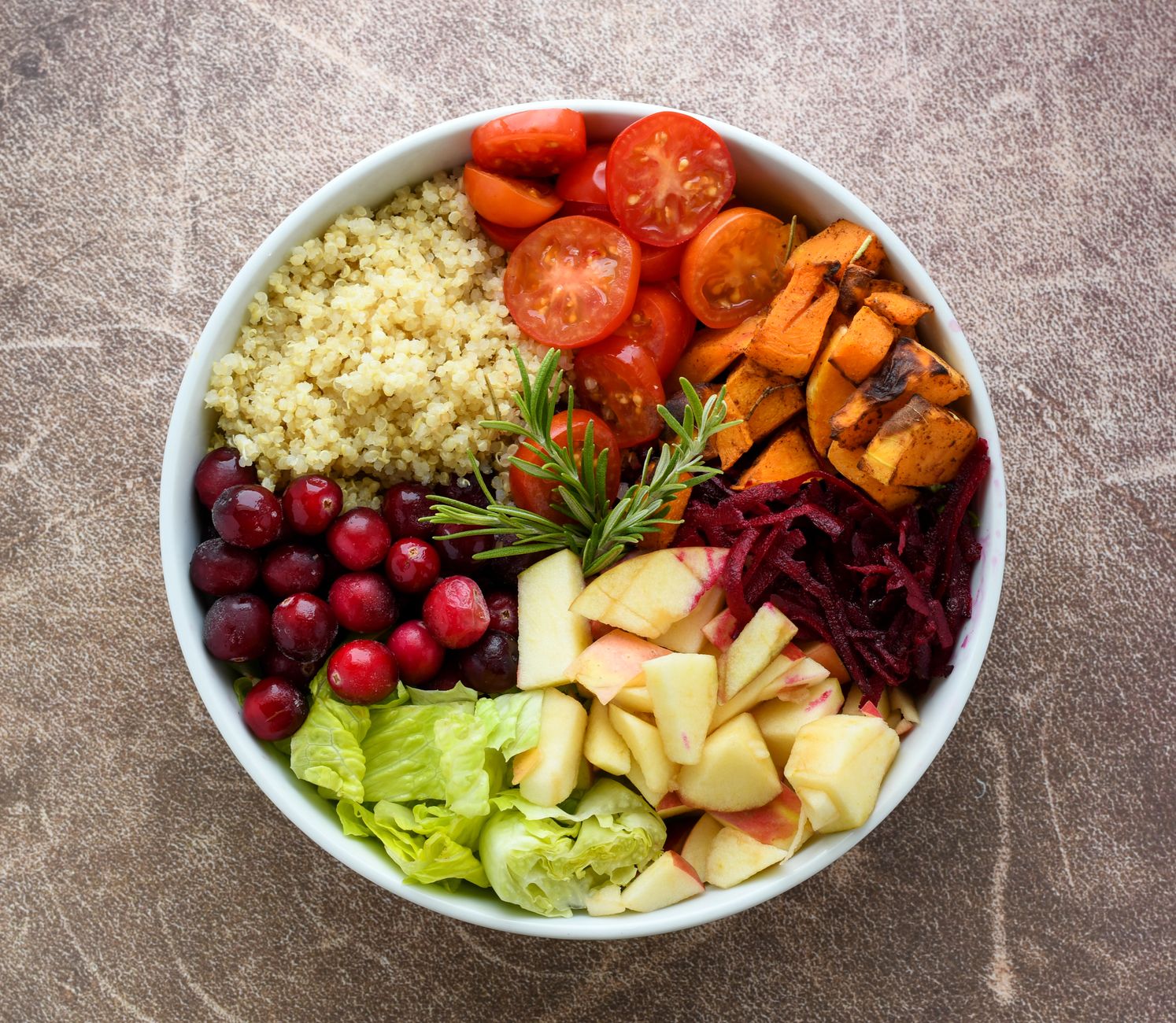
What are Superfoods Benefits? Unlock Optimal Health
what are superfoods benefits

What are Superfoods Benefits? Unlock Optimal Health

Explore the profound impact of superfoods on your health, energy, and overall well-being with practical insights.

Start Your Superfood Journey

Key Takeaways

  • ✓ Superfoods are nutrient-dense foods, not a scientifically defined category.
  • ✓ They are packed with vitamins, minerals, antioxidants, and phytochemicals.
  • ✓ Regular consumption can support immune function, reduce inflammation, and boost energy.
  • ✓ Incorporating a variety is key to maximizing their health advantages.

How It Works

1
Understand the 'Super' Factor

Learn what makes certain foods 'super' – it's their exceptional concentration of beneficial compounds beyond basic nutrition. This knowledge empowers you to make informed dietary choices.

2
Identify Key Superfood Categories

Familiarize yourself with different types of superfoods, such as berries, leafy greens, nuts, seeds, and certain spices. Each category offers unique health benefits and nutritional profiles.

3
Integrate Into Daily Meals

Discover simple and delicious ways to weave superfoods into your breakfast, lunch, dinner, and snacks. Gradual incorporation ensures sustainable dietary changes without drastic overhauls.

4
Observe and Adapt

Pay attention to how your body responds to increased superfood intake, noticing improvements in energy, digestion, and overall vitality. Adjust your choices based on personal preferences and wellness goals.

Unpacking the Nutritional Powerhouses: What Makes a Food 'Super'?
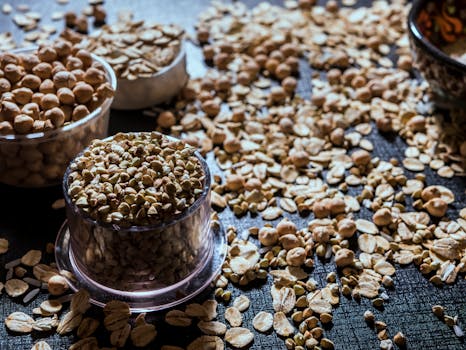
Close-up of diverse grains and legumes in plastic cups on a textured surface, highlighting healthy food options. Photo: Mike / Pexels
The term 'superfood' has gained immense popularity in recent years, often appearing on health blogs, grocery store shelves, and in dietary recommendations. But what exactly qualifies a food as 'super', and more importantly, what are superfoods benefits? While there's no official scientific definition, the consensus among nutrition experts is that superfoods are exceptionally nutrient-dense foods, meaning they pack a significant amount of vitamins, minerals, antioxidants, and phytochemicals relative to their calorie content. They are not merely filling; they are functional, offering compounds that actively promote health and prevent disease. Think of superfoods as nature's concentrated supplements. Instead of a single nutrient, they often provide a symphony of beneficial compounds working synergistically. For instance, blueberries aren't just rich in Vitamin C; they also contain anthocyanins, powerful antioxidants responsible for their deep blue hue, which have been linked to improved brain health and reduced inflammation. Similarly, leafy greens like spinach and kale are brimming with vitamins A, C, and K, along with folate, iron, and a host of phytonutrients that support bone health, vision, and detoxification pathways. The 'super' status isn't about exoticism; many common, accessible foods fit the bill. What truly sets these foods apart is their high concentration of antioxidants. Antioxidants are compounds that neutralize free radicals in the body, unstable molecules that can cause cellular damage, leading to chronic diseases like heart disease, cancer, and premature aging. By consuming a diet rich in superfoods, you essentially arm your body with a robust defense system against oxidative stress. Beyond antioxidants, many superfoods are excellent sources of fiber, which is crucial for digestive health, blood sugar regulation, and satiety. They also often provide essential fatty acids, like omega-3s found in chia seeds and flaxseeds, which are vital for brain function, heart health, and reducing inflammation. Understanding these foundational elements is the first step to truly appreciating what are superfoods benefits and how they can transform your health. It’s not just about adding a single ingredient, but embracing a holistic approach to nutrition where every bite contributes meaningfully to your well-being. This deep dive into their composition reveals why they are celebrated in the health community and why their inclusion in your diet can yield substantial positive outcomes.

Boosting Immunity and Fighting Inflammation: Core Superfood Advantages
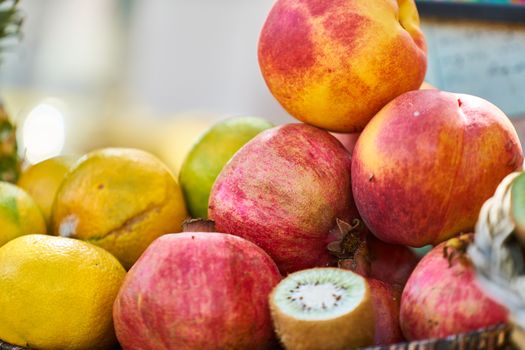
Vibrant assortment of fresh fruits including citrus, kiwi, and pomegranate, showcasing healthy, colorful produce. Photo: Engin Akyurt / Pexels
One of the most compelling answers to what are superfoods benefits lies in their profound ability to bolster the immune system and combat chronic inflammation. In today's world, where environmental stressors and processed foods are prevalent, our immune systems are constantly challenged. Superfoods offer a natural and potent way to strengthen our body's defenses. Foods rich in Vitamin C, like citrus fruits, bell peppers, and acerola cherries, are well-known immune boosters, enhancing the production of white blood cells that fight off infections. Similarly, zinc-rich foods such as pumpkin seeds and cashews play a critical role in immune cell function and wound healing. Beyond individual vitamins and minerals, the complex array of phytonutrients found in superfoods, such as quercetin in apples and onions, and curcumin in turmeric, also contribute significantly to immune modulation, helping the body respond effectively to pathogens. Chronic inflammation is a silent epidemic, recognized as a root cause for many modern diseases, including autoimmune disorders, arthritis, heart disease, and even certain cancers. Superfoods are incredibly effective anti-inflammatory agents. Omega-3 fatty acids, abundant in chia seeds, flaxseeds, and walnuts, are powerful in reducing systemic inflammation. Berries, with their high anthocyanin content, have been shown to lower inflammatory markers. Green leafy vegetables, like kale and spinach, provide vitamin K and various antioxidants that help regulate inflammatory responses. Turmeric, a spice often lauded as a superfood, contains curcumin, a compound with potent anti-inflammatory properties comparable to some anti-inflammatory drugs, but without the side effects. Regular consumption of these anti-inflammatory superfoods can help mitigate the damage caused by chronic inflammation, leading to better long-term health outcomes and a reduced risk of disease. Integrating these immune-boosting and anti-inflammatory superfoods into your daily diet isn't just about preventing illness; it's about optimizing your body's ability to heal and thrive. A robust immune system means fewer sick days, quicker recovery, and a greater resilience against environmental threats. By reducing inflammation, you can experience less pain, improved joint function, and a lower risk of developing chronic conditions that impact quality of life. The cumulative effect of these benefits is a body that functions at its peak, allowing you to live a more energetic and vibrant life. This dual action of immune support and inflammation reduction is a cornerstone of what are superfoods benefits, making them indispensable components of a health-conscious diet.

Enhancing Energy, Digestion, and Overall Well-being with Superfoods

Top view of fresh sliced vegetables including carrots, cucumbers, onions, and tomatoes in a flat lay design. Photo: Alena Darmel / Pexels
Beyond immunity and inflammation, what are superfoods benefits when it comes to daily vitality and quality of life? The impact extends significantly to boosting energy levels, optimizing digestive health, and fostering an overall sense of well-being. Many people experience energy slumps throughout the day, often reaching for caffeine or sugary snacks for a quick fix. Superfoods offer a more sustainable and nutritious alternative. Foods like spirulina, chlorella, and matcha green tea provide a steady release of energy without the jitters or crashes associated with processed stimulants. They are rich in B vitamins, iron, and complex carbohydrates, which are essential for efficient energy production at a cellular level. Nuts and seeds, packed with healthy fats, protein, and fiber, also contribute to sustained energy by stabilizing blood sugar levels and providing a slow-burning fuel source. This consistent energy supply helps maintain focus, productivity, and a positive mood throughout the day, making them excellent choices for anyone looking to naturally enhance their vitality. Digestive health is another area where superfoods shine. A healthy gut microbiome is fundamental to overall health, influencing everything from nutrient absorption to immune function and even mood. Many superfoods are excellent sources of dietary fiber, both soluble and insoluble. Soluble fiber, found in oats, apples, and beans, helps regulate blood sugar and cholesterol, while insoluble fiber, abundant in leafy greens, whole grains, and nuts, adds bulk to stool, promoting regularity and preventing constipation. Furthermore, some superfoods, like fermented foods such as kimchi, sauerkraut, and kombucha, are natural probiotics, introducing beneficial bacteria to the gut. These probiotics help maintain a balanced microbiome, which is crucial for efficient digestion, nutrient synthesis, and protection against harmful pathogens. A well-functioning digestive system means better nutrient absorption, reduced bloating, and a significant improvement in comfort and well-being. Understanding digestive health is key to unlocking full superfood potential. The holistic impact of regularly consuming superfoods on overall well-being cannot be overstated. When your body receives a consistent supply of essential nutrients, antioxidants, and anti-inflammatory compounds, it functions optimally. This leads to clearer skin, stronger hair and nails, improved cognitive function, and better mood regulation. The reduction in oxidative stress and inflammation frees up your body's resources to focus on repair and regeneration, contributing to a feeling of youthfulness and vitality. The psychological benefit of knowing you are nourishing your body with the best nature has to offer also plays a significant role in enhancing overall well-being. It’s a virtuous cycle: eating well makes you feel good, which encourages you to continue making healthy choices. This comprehensive support for energy, digestion, and general health underscores the profound and multifaceted answer to what are superfoods benefits, making them an invaluable addition to any health-conscious diet.

Practical Tips for Incorporating Superfoods and Avoiding Common Mistakes

Delicious bowl of salad with fresh greens and grilled chicken served on a wooden platter. Photo: Valeria Boltneva / Pexels
Now that we’ve thoroughly explored what are superfoods benefits, the crucial next step is to understand how to effectively integrate them into your diet without falling into common traps. The beauty of superfoods lies in their versatility and the ease with which many can be added to everyday meals. Here are some practical tips to maximize their advantages: * **Start Small and Build Up:** Don't overhaul your entire diet overnight. Begin by adding one or two new superfoods to your weekly routine. For example, toss a handful of spinach into your morning smoothie, sprinkle chia seeds on your yogurt, or snack on a few almonds instead of processed chips. Gradual changes are more sustainable. * **Variety is Key:** While it's tempting to focus on just a few popular superfoods, the greatest benefits come from a diverse intake. Different superfoods offer different nutrient profiles. Aim for a rainbow of colors on your plate, ensuring you get a broad spectrum of vitamins, minerals, and phytonutrients. Rotate your choices throughout the week and month. * **Make Them Accessible:** Keep superfoods readily available. Wash and chop leafy greens in advance, store berries in the fridge, and have nuts and seeds in easily reachable containers. When healthy options are convenient, you're more likely to choose them. * **Sneak Them In:** Superfoods can often be incorporated without significantly altering the taste of your favorite dishes. Add kale or spinach to pasta sauces, blend flaxseed into baked goods, or mix nutritional yeast (a superfood yeast) into scrambled eggs for a cheesy flavor and B vitamins. * **Hydration with a Boost:** Infuse your water with superfood slices like lemon, cucumber, or berries for added flavor and a gentle nutrient kick. Green tea and herbal teas are also excellent superfood beverages. **Common Mistakes to Avoid:** 1. **Expecting a Magic Bullet:** Superfoods are not a cure-all. They work best as part of a balanced diet rich in whole, unprocessed foods, regular exercise, and adequate sleep. Relying solely on a few superfoods while neglecting overall diet won't yield optimal results. 2. **Over-relying on Supplements:** While superfood supplements exist, getting nutrients from whole foods is generally superior. Whole foods contain a complex matrix of nutrients and fiber that often work synergistically, which can be lost in isolated supplements. 3. **Ignoring Portion Sizes:** Even healthy foods have calories. Consuming excessive amounts of calorie-dense superfoods like nuts, seeds, or avocados can lead to weight gain if not mindful of portion control. 4. **Buying into Hype for Exotic, Expensive Options:** Many common and affordable foods like broccoli, apples, and beans are fantastic superfoods. Don't feel pressured to buy expensive, hard-to-find ingredients to reap the benefits. 5. **Preparation Pitfalls:** Overcooking vegetables can degrade heat-sensitive vitamins and antioxidants. Opt for steaming, light sautéing, or eating raw when possible to retain maximum nutritional value. For nuts and seeds, consider soaking to improve digestibility. Making these simple adjustments can significantly enhance your ability to harness what are superfoods benefits for lasting health.

Comparison

FeatureBerries (e.g., Blueberries)Leafy Greens (e.g., Kale)Nuts & Seeds (e.g., Chia)Fermented Foods (e.g., Kimchi)
Primary BenefitAntioxidant PowerhouseVitamin & Mineral RichOmega-3s & FiberGut Health & Probiotics
Key NutrientsAnthocyanins, Vit C, KVit K, A, C, Folate, IronOmega-3, Fiber, ProteinProbiotics, Vit K2, C
Anti-inflammatory?
Immune Support?
Digestive Health?
Energy Boost?

What Readers Say

"Understanding what are superfoods benefits completely changed my diet. I started adding spinach to my smoothies and felt a noticeable energy boost within weeks. My skin looks clearer too!"

Sarah J. · Austin, TX

"I was skeptical about superfoods, but after reading about their immune-boosting properties, I incorporated more berries and nuts. I've had fewer colds this year, which is a huge win for me."

Mark D. · Seattle, WA

"The information on what are superfoods benefits helped me tackle my chronic fatigue. Adding spirulina and chia seeds daily has given me sustained energy and improved my digestion dramatically. I feel like a new person!"

Jessica L. · Miami, FL

"I appreciate the practical tips for integrating superfoods. While some exotic options are pricey, I've found great success with common items like kale and broccoli, significantly reducing my inflammation."

David P. · Denver, CO

"As a busy mom, I needed easy ways to boost my family's nutrition. Learning what are superfoods benefits and how to sneak them into meals has been a game-changer. My kids are even eating more greens!"

Emily R. · Chicago, IL

Frequently Asked Questions

What are the primary benefits of incorporating superfoods into my diet?

The primary benefits of incorporating superfoods include enhanced immune function, reduced chronic inflammation, improved digestive health, sustained energy levels, better cardiovascular health, and protection against cellular damage due to their high antioxidant content. They provide a dense array of vitamins, minerals, and phytonutrients essential for optimal bodily functions.

Are superfoods a marketing gimmick, or do they offer real health advantages?

While the term 'superfood' is primarily a marketing term, the foods it refers to (like berries, leafy greens, nuts, and certain spices) genuinely offer significant, scientifically-backed health advantages. They are nutrient-dense powerhouses that provide concentrated doses of beneficial compounds, far beyond their caloric value. Their positive impact on health is well-documented.

How can I easily add superfoods to my daily meals without drastic changes?

You can easily add superfoods by starting small: blend spinach into smoothies, sprinkle chia or flax seeds on oatmeal or yogurt, snack on almonds or walnuts, add berries to your breakfast, or include more kale and broccoli in your dinner. Focus on integrating them into existing meals rather than creating entirely new ones.

Are expensive, exotic superfoods always better than common, affordable ones?

No, expensive and exotic superfoods are not inherently better. Many common, affordable foods like blueberries, broccoli, spinach, oats, and lentils are incredibly potent superfoods. The key is diversity and consistency, not exclusivity or high cost. Focus on a wide range of accessible, nutrient-dense options.

How do superfoods compare to vitamin supplements for getting nutrients?

Superfoods are generally preferred over isolated vitamin supplements because they provide nutrients in their natural, whole-food matrix, along with fiber, enzymes, and other synergistic compounds. This enhances absorption and provides a broader spectrum of benefits that often cannot be replicated by single-nutrient supplements. Supplements can fill gaps, but whole foods are foundational.

Who should prioritize understanding what are superfoods benefits?

Anyone looking to improve their overall health, boost their immune system, increase energy, enhance digestion, or reduce their risk of chronic diseases should prioritize understanding what are superfoods benefits. This includes individuals with busy lifestyles, those seeking natural ways to support well-being, and anyone committed to a proactive approach to their health.

Are there any risks or side effects associated with consuming superfoods?

Generally, consuming superfoods as part of a balanced diet is safe and beneficial. However, very high doses of certain superfoods (especially in supplement form) or allergic reactions are possible. For example, excessive intake of some greens can interact with blood thinners due to Vitamin K. Always consume in moderation and consult a healthcare professional if you have specific health conditions or concerns.

What are some emerging superfood trends for the future?

Emerging superfood trends include a focus on adaptogens like ashwagandha and reishi mushrooms for stress support, sea vegetables like kelp and dulse for mineral density, and regenerative agriculture-sourced foods for enhanced nutrient profiles and environmental benefits. Plant-based proteins and fermented foods continue to grow in popularity for their diverse health advantages.

Embrace the power of nature's finest ingredients. By understanding what are superfoods benefits and integrating them thoughtfully into your daily routine, you can unlock a new level of vitality and well-being. Start your journey towards optimal health today and experience the transformative impact of these nutritional powerhouses.

Topics: what are superfoods benefitsnutrient-dense foodsimmune system boostanti-inflammatory dietsuperfood health advantages
Leo List
Brampton weed
Adultwork EstrelaBet Vai de Bet R7 Bet Betão Galera Bet Rainbet Bet9ja Shop SportyBet BetKing Sisal Loto Foot Hollywoodbets YesPlay Odibets RushBet Jugabet BetWarrior BetCity MSport betPawa Fortebet