Top Vegetarian Protein Sources for Athletes: Fuel Your Performance
June 23, 2026 16 min read 3,192 words
Unlock peak athletic potential and accelerate recovery with powerful, nutrient-dense plant-based proteins.
Optimize Your Plate
The Power of Plant-Based Protein for Athletic Performance
 Photo: Mikhail Nilov / Pexels
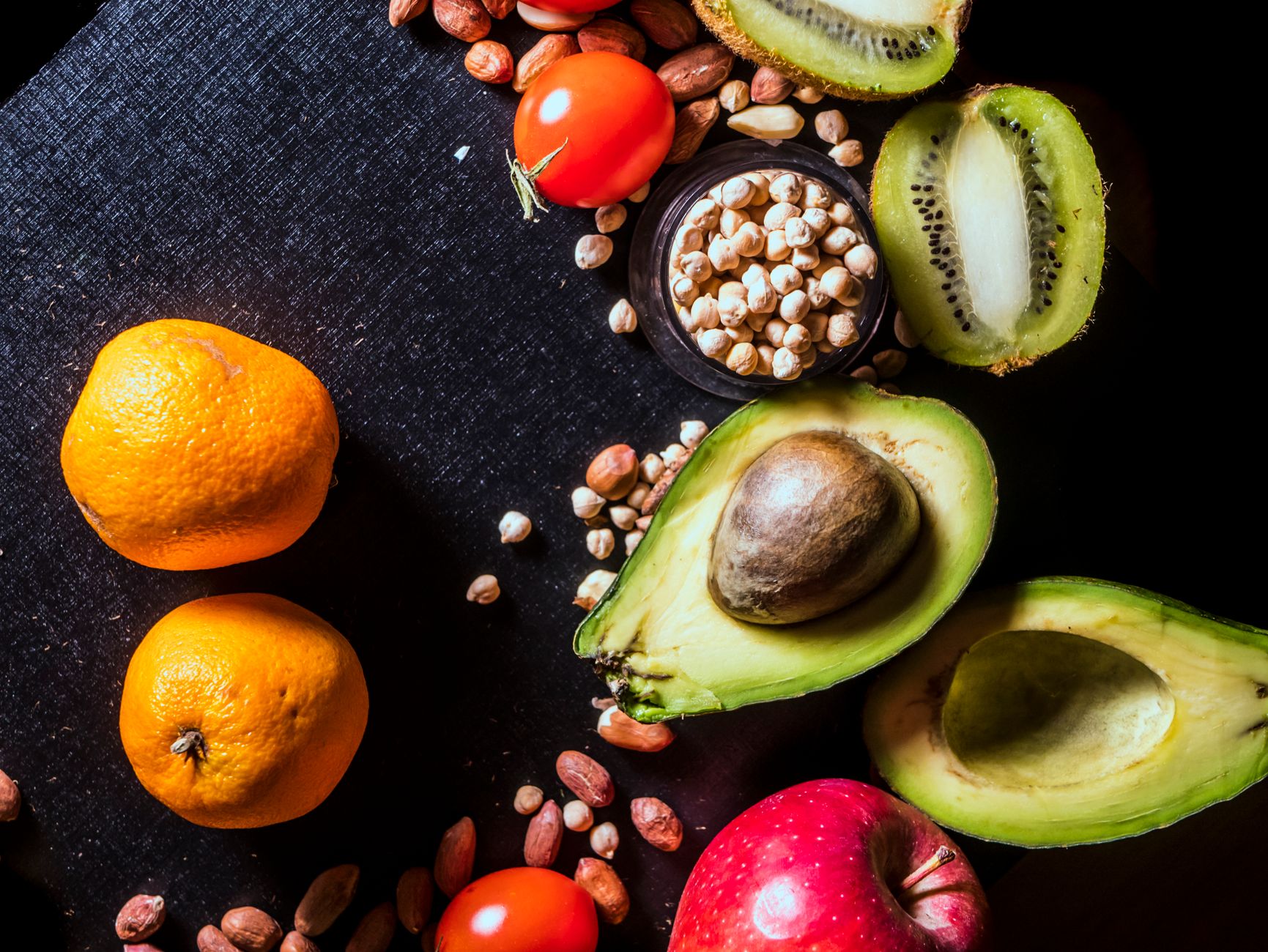
For too long, the narrative around athletic nutrition has been dominated by animal-based protein sources. However, a growing body of evidence, alongside the success stories of elite plant-based athletes, is shifting this paradigm. Vegetarian and vegan athletes are proving that not only is it possible to thrive on a meat-free diet, but it can also offer distinct advantages. The key lies in understanding the science of protein and how to effectively harness the vast array of plant-based options available. Protein is fundamental for athletes; it's the building block of muscle tissue, essential for repair after strenuous exercise, and plays a crucial role in enzyme and hormone production, immune function, and oxygen transport. Without adequate protein, recovery is hampered, performance plateaus, and the risk of injury increases. For vegetarian athletes, the concern often revolves around obtaining 'complete proteins' – those containing all nine essential amino acids that the body cannot produce on its own. While many animal products are complete proteins, most individual plant sources are not. However, this is a common misconception that often deters athletes from exploring plant-based diets. The truth is, by consuming a variety of plant proteins throughout the day, vegetarian athletes can easily meet all their amino acid requirements. The body maintains an amino acid pool, meaning it can combine amino acids from different foods eaten over the course of a day to form complete proteins. This flexibility makes a diverse plant-based diet highly effective. Beyond just protein, plant-based foods offer a wealth of other benefits critical for athletes. They are typically rich in fiber, which aids digestion and can contribute to satiety, helping with weight management. They are packed with antioxidants, vitamins, and minerals that combat oxidative stress induced by intense training, support immune function, and reduce inflammation. This nutrient density can lead to faster recovery times, increased energy levels, and improved overall health – all vital components of sustained athletic performance. Embracing
plant-based nutrition doesn't mean sacrificing strength or endurance; it means strategically fueling your body with nature's best. We'll delve into specific plant protein sources, discuss their unique benefits, and provide practical strategies for incorporating them into your daily regimen to optimize your athletic journey. The transition to a more plant-centric diet can feel daunting at first, but with the right knowledge and planning, it becomes an empowering step towards holistic well-being and peak physical condition. It's about rethinking protein and recognizing the incredible potential that lies within the plant kingdom to fuel every aspect of an athlete's demanding lifestyle. This approach not only supports physical prowess but also aligns with broader health and environmental consciousness, making it a truly sustainable choice for the modern athlete.
Essential Vegetarian Protein Sources: Your Athletic Arsenal
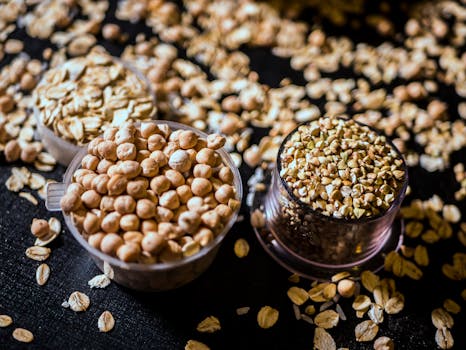 Photo: Mike / Pexels
Building a robust vegetarian diet for athletes requires a deep dive into the specific plant foods that pack a protein punch. Let's explore the key players that should form the cornerstone of your nutritional strategy.
**Legumes: The Unsung Heroes**
Legumes are arguably the most versatile and potent protein source in the vegetarian athlete's pantry. This category includes beans (black, kidney, pinto, cannellini), lentils (red, green, brown), chickpeas, and peas. A single cup of cooked lentils, for example, can provide around 18 grams of protein, alongside significant amounts of fiber, iron, and folate. Chickpeas are excellent for hummus or roasted snacks, offering about 15 grams of protein per cup. Black beans, a staple in many cuisines, deliver approximately 15 grams of protein per cup, plus magnesium and potassium, vital electrolytes for athletes. The high fiber content in legumes also aids in satiety and stable blood sugar levels, preventing energy crashes during training. They are also highly affordable, making them an accessible option for all athletes.
**Soy Products: Complete Protein Powerhouses**
Soy-based foods are unique among plant proteins because they are complete proteins, meaning they contain all nine essential amino acids in sufficient quantities. This makes them exceptionally valuable for vegetarian athletes. Tofu, made from condensed soy milk, is incredibly versatile and can absorb flavors well. A 3.5-ounce serving of firm tofu provides about 8-10 grams of protein. Tempeh, a fermented soy product, offers an even denser protein profile, with around 15-20 grams per 3.5-ounce serving, along with probiotics beneficial for gut health. Edamame, young soybeans, are a delicious snack or addition to salads, providing about 11 grams of protein per cup. Soy milk is another excellent option, often fortified with B12 and calcium, offering 7-8 grams of protein per cup. When choosing soy products, consider organic and non-GMO options if available.
**Grains: Beyond Carbohydrates**
While often celebrated for their carbohydrate content, many grains are also significant sources of protein. Quinoa stands out as a complete protein, boasting about 8 grams per cooked cup, along with iron, magnesium, and fiber. Buckwheat, another pseudo-cereal, provides around 5-6 grams of protein per cooked cup and is rich in B vitamins. Amaranth and teff are ancient grains offering similar nutritional benefits. Even common oats contribute, with about 5-6 grams of protein per half-cup dry serving, making them an excellent base for a high-energy breakfast. Incorporating a variety of these grains ensures a diverse amino acid profile and a steady supply of complex carbohydrates for sustained energy.
**Nuts and Seeds: Nutrient-Dense Minis**
Don't underestimate the power of nuts and seeds. These tiny powerhouses are not only rich in healthy fats but also provide substantial protein. Almonds offer about 6 grams of protein per ounce, while walnuts provide 4 grams. Peanuts (technically a legume, but nutritionally similar to nuts) are a strong contender with 7 grams per ounce. Among seeds, hemp seeds are a stand-out complete protein, delivering about 9-10 grams per three tablespoons. Chia seeds, while lower in protein (around 5 grams per ounce), are excellent for omega-3s and fiber. Pumpkin seeds and sunflower seeds also contribute 7-8 grams of protein per quarter cup. These can be sprinkled on salads, oatmeal, or blended into smoothies for an easy protein boost. Nut butters (almond, peanut, cashew) are also convenient and delicious ways to increase protein and calorie intake.
**Vegetables: Every Gram Counts**
While not the primary protein source, certain vegetables contribute valuable amounts that add up over the day. Spinach, broccoli, asparagus, and Brussels sprouts all contain 2-4 grams of protein per cup cooked, alongside a wealth of vitamins, minerals, and antioxidants. These contributions are important for overall nutrient intake and should not be overlooked. Combining these various sources throughout your meals ensures that you're not only meeting your protein requirements but also getting a broad spectrum of micronutrients essential for peak athletic performance and recovery. Remember, variety is key to a well-rounded and effective vegetarian diet.
Optimizing Nutrient Absorption and Meal Planning for Vegetarian Athletes
 Photo: Mikhail Nilov / Pexels
Simply knowing which foods contain protein isn't enough; understanding how to optimize nutrient absorption and strategically plan meals is paramount for vegetarian athletes. One of the primary considerations is ensuring adequate intake of specific micronutrients that can sometimes be lower in plant-based diets, such as iron, vitamin B12, zinc, calcium, and omega-3 fatty acids. While protein is crucial, a deficiency in these micronutrients can severely impact performance, energy levels, and overall health.
**Iron Absorption Strategies:** Iron is vital for oxygen transport in the blood, and athletes have higher iron needs due to increased red blood cell turnover and losses through sweat. Plant-based iron (non-heme iron) is less readily absorbed than heme iron from animal sources. To enhance non-heme iron absorption, always combine iron-rich plant foods (like lentils, spinach, fortified cereals) with vitamin C sources (citrus fruits, bell peppers, broccoli). For example, a spinach salad with strawberries or lentils with tomato sauce can significantly boost iron uptake. Avoiding coffee or tea with iron-rich meals is also advisable, as tannins can inhibit absorption. Regular blood tests are recommended to monitor iron levels, especially for female athletes.
**Vitamin B12: The Non-Negotiable Supplement:** Vitamin B12 is unique because it is primarily found in animal products. For vegetarian athletes, especially vegans, supplementation is almost always necessary. B12 is critical for energy metabolism, nerve function, and red blood cell formation. While some fortified plant milks and nutritional yeasts contain B12, relying solely on these sources might not be sufficient for an athlete's needs. A reliable B12 supplement is a non-negotiable insurance policy for optimal health and performance. Discuss dosage with a healthcare professional or registered dietitian specializing in plant-based nutrition.
**Zinc and Calcium Considerations:** Zinc is important for immune function, protein synthesis, and wound healing. Good plant sources include pumpkin seeds, cashews, chickpeas, and oats. Soaking and sprouting legumes and grains can improve zinc bioavailability by reducing phytate content. Calcium is essential for bone health and muscle contraction. Fortified plant milks, tofu set with calcium sulfate, leafy greens (like collard greens and kale), and sesame seeds are excellent plant-based sources. Ensure sufficient vitamin D intake (from sunlight or supplements) to aid calcium absorption.
**Omega-3 Fatty Acids for Recovery:** Omega-3s, particularly EPA and DHA, are crucial for reducing inflammation and supporting brain health. While ALA (alpha-linolenic acid) is found in flaxseeds, chia seeds, and walnuts, the conversion of ALA to EPA and DHA in the body can be inefficient. Vegetarian athletes might benefit from an algae-based DHA/EPA supplement to ensure adequate intake, especially given the increased inflammatory demands of intense training.
Optimizing your diet for these micronutrients alongside your protein intake creates a comprehensive nutritional foundation.
**Strategic Meal Timing:** For athletes, when you eat is almost as important as what you eat. Distribute your protein intake throughout the day, aiming for 20-30 grams per meal and snack. This consistent supply supports muscle protein synthesis and repair. A protein-rich breakfast sets the tone for the day. A pre-workout snack containing carbohydrates and some protein can fuel performance, while a post-workout meal or shake (within 30-60 minutes) with a good balance of protein and carbohydrates is critical for glycogen replenishment and muscle recovery. Combining different plant proteins within meals (e.g., rice and beans, hummus and whole-wheat pita) can also help achieve a complete amino acid profile, although it's not strictly necessary at every single meal if varied sources are consumed throughout the day. By meticulously planning your meals and paying close attention to micronutrient intake, vegetarian athletes can not only meet but exceed their nutritional demands, unlocking their full potential.
Common Mistakes and Practical Tips for Vegetarian Athletes
Photo: Mikhail Nilov / Pexels
Transitioning or maintaining a vegetarian diet as an athlete comes with its unique set of challenges and potential pitfalls. Being aware of common mistakes and implementing practical strategies can help you avoid setbacks and optimize your performance.
**Common Mistakes to Avoid:**
* **Under-eating Calories:** Plant-based foods are often less calorie-dense than their animal counterparts. Athletes have high energy demands, and failing to consume enough calories can lead to fatigue, poor recovery, and even muscle loss. Ensure your diet is calorically adequate by incorporating healthy fats from nuts, seeds, avocados, and oils, and complex carbohydrates from whole grains.
* **Insufficient Protein Intake:** While vegetarian protein sources are abundant, it's easy to fall short if not consciously planning meals. Many vegetarian diets are carbohydrate-heavy. Track your protein intake initially to ensure you're consistently hitting your target range (1.2-2.0 g/kg body weight).
* **Lack of Nutrient Diversity:** Relying on only a few plant protein sources can lead to deficiencies in specific amino acids or micronutrients. A varied diet is crucial to ensure you get a full spectrum of nutrients.
* **Ignoring Micronutrient Status:** As discussed, B12, iron, zinc, and omega-3s require special attention. Assuming your diet covers everything without checking can lead to long-term health and performance issues.
* **Over-reliance on Processed Meat Alternatives:** While convenient, many highly processed vegan meats are high in sodium, unhealthy fats, and contain less whole-food nutrition. Prioritize whole, unprocessed plant proteins.
**Practical Tips for Success:**
* **Batch Cook Legumes and Grains:** Prepare large batches of lentils, beans, quinoa, or brown rice at the beginning of the week. This makes adding protein to meals quick and easy.
* **Snack Smart:** Keep protein-rich snacks handy, such as nuts, seeds, edamame, hummus with veggies, or a protein shake. This helps maintain consistent protein intake throughout the day.
* **Experiment with Tofu and Tempeh:** These versatile ingredients can be marinated and cooked in countless ways to prevent flavor fatigue. Pressing tofu removes excess water, allowing it to absorb marinades better and achieve a firmer texture.
* **Utilize Protein Powders:** While whole foods are always best, a plant-based protein powder (pea, soy, rice, hemp blend) can be a convenient way to boost protein intake, especially post-workout or when time is short.
* **Educate Yourself:** Continuously learn about plant-based nutrition. Follow registered dietitians who specialize in vegetarian or vegan sports nutrition.
* **Listen to Your Body:** Pay attention to energy levels, recovery, and overall well-being. Adjust your diet as needed based on your training intensity and how you feel.
* **Consult a Professional:** Consider working with a registered dietitian or sports nutritionist experienced in plant-based diets. They can provide personalized guidance, help identify potential deficiencies, and create a tailored meal plan to support your athletic goals.
By proactively addressing these common pitfalls and integrating these practical tips, vegetarian athletes can confidently fuel their bodies for optimal performance, recovery, and long-term health. The journey to becoming a thriving plant-based athlete is one of continuous learning and adaptation, but the rewards are well worth the effort.