
Delicious Vegetarian Meal Prep Ideas for Lunch: Save Time & Eat Well
vegetarian meal prep ideas for lunch

Delicious Vegetarian Meal Prep Ideas for Lunch: Save Time & Eat Well

Transform your lunch routine with these inspiring and practical vegetarian meal prep strategies for a healthier, happier week.

Start Prepping Now!

Key Takeaways

  • ✓ Meal prepping saves an average of 5-10 hours per week.
  • ✓ Vegetarian meal prep can reduce grocery bills by up to 30%.
  • ✓ Over 70% of meal preppers report eating healthier.
  • ✓ Proper storage is key for 3-5 days of freshness.

How It Works

1
Plan Your Week

Choose 2-3 diverse vegetarian lunch recipes for the week. Consider your schedule, dietary needs, and ingredient availability to make smart choices.

2
Grocery Shop Smart

Create a detailed shopping list based on your chosen recipes. Focus on fresh produce, grains, and proteins, avoiding impulse buys to stay on track.

3
Batch Cook Components

Dedicate 2-3 hours to cook staple ingredients like grains, roast vegetables, and prepare sauces. This efficiency is the core of successful meal prepping.

4
Assemble & Store

Portion out your cooked components into individual containers for each day. Proper airtight storage in the refrigerator is crucial for food safety and freshness.

Why Embrace Vegetarian Meal Prep for Lunch?
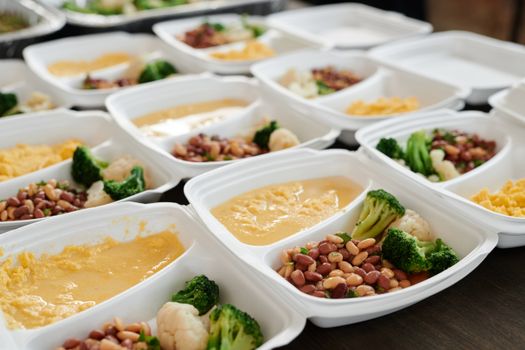
Delicious and nutritious meal prep featuring broccoli, beans, and eggs in containers. Photo: Julia M Cameron / Pexels
In today's fast-paced world, finding time for a nutritious, homemade lunch often feels like an insurmountable challenge. The allure of convenience often leads us to expensive takeout, unhealthy processed options, or simply skipping meals altogether. However, embracing vegetarian meal prep for lunch offers a powerful solution to these modern dilemmas, transforming your midday meal into a cornerstone of health, savings, and peace of mind. Beyond the obvious benefits, there are deeper reasons why this practice is gaining immense popularity. First and foremost, meal prepping empowers you to take control of your nutrition. When you prepare your vegetarian lunches in advance, you dictate every ingredient that goes into your body. This means you can easily avoid excessive sodium, unhealthy fats, and added sugars often found in restaurant or pre-packaged meals. You can prioritize whole grains, lean plant proteins, and a rainbow of vegetables, ensuring a balanced intake of essential vitamins, minerals, and fiber. For those managing specific dietary needs or allergies, meal prep becomes an invaluable tool, guaranteeing safe and suitable food choices. This level of control over your diet directly contributes to improved energy levels, better digestion, and overall well-being, making your afternoons more productive and your evenings more enjoyable. It’s not just about eating; it’s about fueling your body optimally. Secondly, the financial benefits of vegetarian meal prepping are substantial. Consider the cost of buying lunch out just five days a week – even a modest $10 per meal adds up to $50 weekly, or over $200 a month. By planning and preparing your meals at home, you can drastically cut down on these expenses. Buying ingredients in bulk, utilizing seasonal produce, and minimizing food waste are all natural outcomes of a well-executed meal prep strategy. You'll find yourself making fewer last-minute grocery runs for single items and utilizing every part of your produce. This financial relief can free up significant funds for other priorities, proving that healthy eating doesn't have to break the bank. It's an investment in both your health and your wallet. Finally, the gift of time and reduced stress cannot be overstated. Imagine waking up each weekday morning knowing your delicious, healthy lunch is already packed and ready to go. No more frantic scrambling, no more decision fatigue, and no more waiting in lines. The time saved during your lunch break can be redirected towards a walk, a meditation, or catching up on personal tasks, leading to a more relaxed and productive workday. The mental load of constantly figuring out what to eat is lifted, allowing you to focus your energy elsewhere. This proactive approach to meal planning spills over into other areas of your life, fostering a greater sense of organization and control. It’s a simple change with profound ripple effects, creating a more harmonious daily routine. To further explore the benefits of a plant-based diet, check out this article on the advantages of vegetarian eating. In essence, vegetarian meal prep for lunch isn't just about food; it's about optimizing your lifestyle. It's a commitment to your health, your finances, and your peace of mind, offering a sustainable path to better eating habits without sacrificing flavor or variety. It’s about making conscious choices that align with a healthier, more intentional way of living.

Foundational Vegetarian Meal Prep Components

Building a successful vegetarian meal prep strategy for lunch relies on having a repertoire of versatile and delicious foundational components. These are the building blocks that can be cooked in larger batches and then mixed and matched throughout the week to create diverse and exciting meals. Thinking in terms of components rather than whole dishes allows for greater flexibility and prevents meal fatigue, ensuring your prepped lunches remain appealing and satisfying. **Grains: The Hearty Base.** Grains form the backbone of many satisfying vegetarian lunches, providing complex carbohydrates for sustained energy. Brown rice, quinoa, farro, and couscous are excellent choices. Brown rice is a classic, offering a nutty flavor and chewy texture, perfect for bowls or as a side. Quinoa, a complete protein, cooks quickly and has a light, fluffy texture, making it ideal for salads or as a base for curries. Farro offers a robust, chewy bite and a rich flavor, while couscous is incredibly fast to prepare and absorbs flavors beautifully. Batch cook 2-3 cups of your chosen grain at the beginning of the week. Once cooked and cooled, store it in an airtight container in the refrigerator for up to 5 days. This simple step saves immense time during busy weekdays and ensures you always have a healthy base ready. **Legumes & Plant Proteins: The Powerhouse.** Vegetarian lunches need robust protein sources to keep you feeling full and energized. Cooked lentils, chickpeas, black beans, cannellini beans, and even baked tofu or tempeh are fantastic options. Lentils are incredibly versatile; green or brown lentils hold their shape well in salads, while red lentils can be cooked down into a creamy dahl or soup base. Canned beans are a convenience superstar – simply rinse them well. For dried beans, soaking overnight and then cooking a large batch saves money and offers superior flavor. Tofu and tempeh can be baked, pan-fried, or air-fried with various marinades to add flavor and texture. A large batch of seasoned black beans can be used for wraps, salads, or grain bowls. Marinated and baked tofu cubes can be tossed into almost any dish. Aim to prepare enough cooked legumes or protein for 4-5 servings, storing them separately from grains for optimal freshness. **Roasted & Steamed Vegetables: Flavor and Nutrients.** Vegetables add essential vitamins, minerals, and fiber, along with vibrant colors and textures. Roasting brings out their natural sweetness and creates a more satisfying bite. Broccoli, cauliflower, bell peppers, zucchini, sweet potatoes, carrots, and Brussels sprouts all roast beautifully. Simply chop, toss with olive oil, salt, pepper, and your favorite herbs (like rosemary or thyme), and roast until tender-crisp. Steamed vegetables like green beans or asparagus are also quick and healthy. For variety, consider making a large batch of sautéed greens like spinach or kale, or a colorful medley of stir-fried vegetables. These can be added to grains, mixed with legumes, or used as a side. Roasting a large tray of mixed vegetables ensures a diverse nutrient profile and prevents boredom with your meals. Store cooked vegetables in separate containers to maintain their texture and prevent sogginess. **Sauces & Dressings: The Flavor Elevators.** Don't underestimate the power of a good sauce or dressing to tie your meal prep components together and prevent monotony. A homemade vinaigrette (olive oil, vinegar, Dijon, herbs), a creamy tahini dressing, a spicy peanut sauce, or a fresh pesto can transform simple ingredients into a gourmet experience. Prepare a batch of your favorite dressing or sauce and store it in a separate, small container. This allows you to dress your meal right before eating, preventing salads from becoming soggy and ensuring maximum flavor. Having a few go-to sauces on hand makes assembling your lunches quick and easy, adding that crucial element of freshness and excitement to every bite. These foundational components, when prepared thoughtfully, become your culinary arsenal for a week of delicious and healthy vegetarian lunches.

Our partners at pairsjp.com offer related services.

Creative Vegetarian Lunch Combinations & Recipes

Once you have your foundational components prepped, the real fun begins: assembling creative and delicious vegetarian lunch combinations. The beauty of component-based meal prep is the endless variety it offers, allowing you to customize your meals based on your cravings and the ingredients you have on hand. Here are some inspiring ideas and simple recipes to get you started, ensuring your vegetarian lunches are never boring. **The Power Bowl:** This is perhaps the most versatile and popular meal prep format. Start with a base of your prepped grain (quinoa, brown rice, or farro). Add a generous serving of your chosen plant protein (black beans, lentils, or baked tofu). Next, pile on roasted or steamed vegetables (broccoli, sweet potato, bell peppers). Finish with fresh elements like chopped cucumber, cherry tomatoes, avocado (add fresh daily), and a drizzle of your favorite homemade dressing (tahini, lemon-herb vinaigrette, or a spicy peanut sauce). For extra crunch, sprinkle with toasted seeds (sunflower, pumpkin) or nuts. An example would be a Mediterranean Quinoa Bowl: quinoa base, chickpeas, roasted zucchini and red pepper, Kalamata olives, fresh parsley, and a lemon-tahini dressing. Another might be a Mexican Fiesta Bowl: brown rice, seasoned black beans, corn, diced avocado, salsa, and a dollop of Greek yogurt or cashew cream. The power bowl concept is endlessly adaptable, making it a staple for any vegetarian meal prepper. **Hearty Wraps & Sandwiches:** Don't underestimate the humble wrap or sandwich for a satisfying lunch. The key is to use sturdy bread or large tortillas and keep wet ingredients separate until just before eating. For a satisfying Chickpea Salad Sandwich, mash cooked chickpeas with a little vegan mayo or Greek yogurt, finely diced celery, red onion, fresh dill, salt, and pepper. This mixture can be prepped in advance and stored. When ready to eat, spread it on whole-wheat bread or tuck it into a whole-wheat tortilla with fresh lettuce and tomato. Another option is a Hummus and Veggie Wrap: spread a generous layer of hummus on a tortilla, then layer with prepped roasted vegetables (like bell peppers and zucchini), spinach, and a sprinkle of feta cheese (if not strictly vegan). For a warm option, a pre-cooked lentil or bean burger patty can be quickly reheated and served on a bun with your favorite toppings. The trick is to ensure your fillings are flavorful and substantial enough to stand alone or be easily combined. **Soups & Stews: Comfort in a Container:** Soups and stews are ideal for meal prepping as they often taste even better the next day and are incredibly comforting. A large batch of vegetarian chili, lentil soup, or a hearty vegetable stew can provide several days' worth of lunches. For example, a Red Lentil and Vegetable Soup: sauté onions, carrots, and celery, add red lentils, vegetable broth, diced tomatoes, and your favorite spices (cumin, turmeric, coriander). Simmer until lentils are tender. This soup is packed with protein and fiber and reheats beautifully. Another idea is a Black Bean Soup, rich with spices and topped with fresh cilantro and a dollop of sour cream or avocado. Pre-portion into microwave-safe containers. If adding toppings like croutons, fresh herbs, or a swirl of cashew cream, keep them separate to maintain texture until serving. Soups and stews are particularly good for colder months, offering warmth and nourishment. These options provide a fantastic way to utilize leftover vegetables and grains, minimizing food waste while maximizing flavor and nutrition. For more inspiration on plant-based cooking, explore our article on easy vegan dinner recipes. **Creative Salads with a Twist:** Move beyond basic greens with vibrant, hearty salads that hold up well. A layered mason jar salad is a brilliant meal prep hack: put dressing at the bottom, followed by hard vegetables (carrots, bell peppers), then grains or legumes, softer vegetables, and finally, leafy greens on top. When ready to eat, just shake it into a bowl. Try a Mediterranean Farro Salad: cooked farro, chopped cucumber, cherry tomatoes, red onion, Kalamata olives, fresh mint, and a lemon-oregano vinaigrette. Or a hearty Roasted Sweet Potato and Kale Salad: massaged kale, roasted sweet potato cubes, black beans, toasted pecans, and a maple-Dijon dressing. The key is to choose robust greens like kale or romaine, or mix them with grains and legumes, to prevent sogginess. Always keep dressings separate until serving to ensure maximum freshness and crunch. These creative combinations ensure that vegetarian meal prep for lunch is not only healthy but also a delicious and eagerly anticipated part of your day.

Essential Tips for Successful Vegetarian Lunch Prep

Mastering vegetarian meal prep for lunch goes beyond just cooking; it involves strategic planning, smart storage, and a few clever hacks to ensure your efforts yield delicious, fresh, and enjoyable meals all week long. Avoiding common pitfalls can significantly enhance your experience and make meal prepping a sustainable habit rather than a daunting chore. **1. Invest in Quality Containers:** This is non-negotiable. Airtight, leak-proof containers are crucial for maintaining freshness and preventing spills. Glass containers are often preferred as they are non-toxic, microwave-safe, oven-safe (without lids), and don't absorb odors or stains. Look for containers with separate compartments to keep different components from getting soggy or mixing prematurely. Having a good set of containers will make assembling and storing your meals much easier and more efficient, extending the life of your prepped food. **2. Master Batch Cooking & Component Prep:** Instead of cooking full meals, focus on cooking individual components in bulk. Cook a large pot of quinoa, roast a tray of sweet potatoes and broccoli, prepare a batch of seasoned lentils or chickpeas, and whip up a versatile dressing. This allows for endless mix-and-match possibilities throughout the week, preventing meal fatigue. For example, roasted vegetables can go into a grain bowl one day and a wrap the next. This approach not only saves time but also adds variety to your weekly menu. **3. Prioritize Freshness & Texture:** Some ingredients don't hold up well when prepped too far in advance. Delicate greens, sliced avocado, and certain herbs are best added fresh right before eating. Store dressings and sauces separately from your main meal components to prevent sogginess. For salads, consider a mason jar layering technique with dressing at the bottom, hard vegetables, grains, and then greens on top. This maintains texture until you're ready to shake and eat. Adding a squeeze of lemon juice to ingredients that brown, like apples or potatoes, can also help maintain their appearance. **4. Don't Forget Flavor Boosters:** Prepped meals can sometimes taste a bit bland if not seasoned correctly. Always have fresh herbs (cilantro, parsley, basil), citrus (lemons, limes), good quality olive oil, vinegar, spices, and hot sauces on hand. A sprinkle of fresh herbs or a squeeze of lime can instantly brighten a reheated meal. Small containers of nuts, seeds, or croutons can be added right before eating for extra crunch and healthy fats. **5. Plan for Variety:** Eating the same meal five days in a row can lead to burnout. Aim for 2-3 different lunch options per week, or at least vary the toppings and dressings. Using the component prep method makes this easy. For example, use your prepped quinoa with roasted veggies and black beans one day, and then use the same quinoa with baked tofu and a peanut sauce the next. Introduce new recipes regularly to keep things exciting and prevent boredom. **6. Start Small and Scale Up:** Don't try to prep every single meal for the entire week on your first attempt. Begin by prepping just 2-3 lunches. Once you get the hang of it, you can gradually increase the quantity or add more meals. Consistency is more important than perfection in the beginning. This gradual approach helps build a sustainable habit without feeling overwhelmed. **7. Food Safety is Paramount:** Always cool cooked food quickly before storing it in the refrigerator (within 2 hours). Store meals in airtight containers and consume them within 3-4 days. If you're prepping for longer, consider freezing individual portions. Label your containers with the date to keep track of freshness. Proper food handling prevents bacterial growth and ensures your meals are safe and delicious. By implementing these tips, your vegetarian meal prep journey for lunch will be much more enjoyable and effective, setting you up for a week of healthy, stress-free eating.

Comparison

FeatureHomemade Vegetarian Meal PrepStore-Bought Vegetarian Meal KitRestaurant Takeout
Cost per Meal$2-$5$8-$12$10-$20
Nutritional ControlExcellentGoodVariable
Time Saved (Weekly)High (2-3 hrs prep)Moderate (1-2 hrs cook)High (no cook)
CustomizationExtensiveLimitedLimited
Food Waste ReductionHighModerateLow
Ingredient FreshnessExcellentGoodVariable
Environmental ImpactLow (less packaging)ModerateHigh (disposable packaging)
Variety Potential

What Readers Say

"These vegetarian meal prep ideas for lunch have been a game-changer! I used to spend so much on takeout, but now my fridge is stocked with delicious, healthy options. My energy levels are way up."

Sarah J. · Austin, TX

"As a busy professional, I thought healthy lunches were impossible. Following these strategies, I now have exciting vegetarian meals ready, saving me time and stress every weekday."

Mark D. · Denver, CO

"I've lost 5 pounds and feel so much better since I started using these vegetarian meal prep ideas for lunch. The variety keeps me from getting bored, and I love the control over my ingredients."

Emily R. · Portland, OR

"Great ideas, especially the component-based prep. I found myself wanting a bit more spice in some recipes, but it's easy to adjust. Definitely recommend for anyone wanting to eat healthier on a budget."

David L. · Chicago, IL

"Even with two kids, these vegetarian meal prep ideas for lunch are manageable. I involve them in the chopping, and they love having their own prepped healthy lunches for school too. A true family win!"

Jessica M. · Miami, FL

Frequently Asked Questions

What are the best vegetarian protein sources for meal prep lunches?

Excellent vegetarian protein sources for meal prep include lentils, chickpeas, black beans, edamame, tofu, tempeh, and quinoa. These can be cooked in batches, seasoned, and stored to add substance and satiety to your lunch bowls, salads, or wraps throughout the week. Ensure they are cooked thoroughly and cooled before storing.

How long do vegetarian meal prep lunches stay fresh?

Most vegetarian meal prep lunches, when stored properly in airtight containers in the refrigerator, will stay fresh for 3-5 days. Meals containing cooked grains, roasted vegetables, and legumes generally hold up well. Delicate ingredients like fresh avocado or certain leafy greens are best added on the day of consumption to maintain optimal freshness and texture.

How do I prevent my prepped salads from getting soggy?

To prevent soggy salads, keep dressing separate and add it right before eating. You can also use the 'mason jar salad' technique: layer dressing at the bottom, followed by hard vegetables (carrots, cucumbers), then grains or beans, softer vegetables, and finally, leafy greens on top. This keeps wet ingredients away from the greens until you're ready to toss and eat.

Is vegetarian meal prepping more expensive than buying lunch out?

No, vegetarian meal prepping is almost always significantly more cost-effective than buying lunch out. By purchasing ingredients in bulk, utilizing seasonal produce, and minimizing food waste, you can drastically reduce your per-meal cost. While there's an initial investment in groceries, the long-term savings are substantial, often cutting lunch expenses by 50% or more.

How does vegetarian meal prep compare to frozen vegetarian meals?

Homemade vegetarian meal prep offers superior nutritional control, freshness, and flavor compared to most frozen vegetarian meals. While frozen meals offer convenience, they often contain higher levels of sodium, preservatives, and sometimes less fresh ingredients. Homemade prep allows for customization of ingredients, portion sizes, and flavor profiles, ensuring a healthier and more enjoyable eating experience.

Who should consider vegetarian meal prep for lunch?

Vegetarian meal prep for lunch is ideal for anyone looking to save time, eat healthier, manage their budget, or reduce stress around meal decisions. It's particularly beneficial for busy professionals, students, and families who want to ensure they have nutritious, plant-based options readily available without resorting to last-minute, less healthy choices.

Are there any food safety risks with vegetarian meal prepping?

As with any food preparation, food safety is crucial. Ensure all ingredients are fresh, cook food to appropriate temperatures, and cool cooked items rapidly (within two hours) before refrigerating. Store meals in clean, airtight containers and consume them within 3-5 days. Always reheat food thoroughly to an internal temperature of 165°F (74°C) to minimize risks.

What are some emerging trends in vegetarian meal prep?

Emerging trends in vegetarian meal prep include a focus on global flavors (e.g., Korean bibimbap bowls, Indian curries), incorporating more fermented foods for gut health (e.g., kimchi, sauerkraut), and 'sheet pan' meals for ultra-easy cooking. There's also a growing interest in zero-waste meal prepping, utilizing every part of ingredients and creative ways to repurpose leftovers.

Ready to transform your midday meal? Dive into these vegetarian meal prep ideas for lunch and experience the incredible benefits of healthier eating, time savings, and culinary creativity. Start planning your delicious week today and make every lunch a step towards a healthier, happier you!

Topics: vegetarian meal prep ideas for lunchhealthy vegetarian luncheseasy plant-based meal prepvegetarian lunch recipesweekly vegetarian meal plan
Leo List
Brampton weed
Adultwork