Your Ultimate Keto Meal Plan for Beginners: Simple & Effective
keto meal plan for beginners

Your Ultimate Keto Meal Plan for Beginners: Simple & Effective

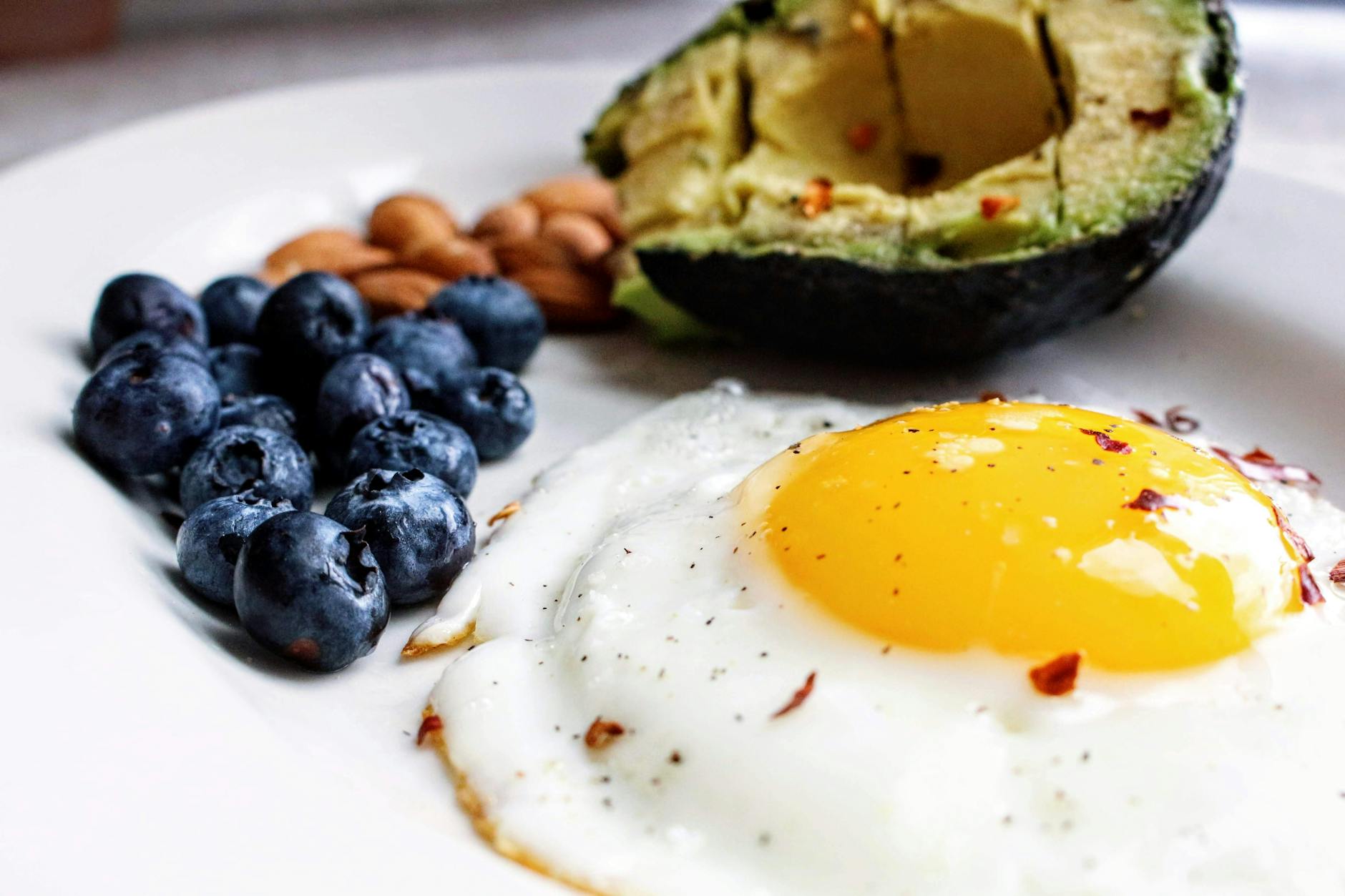
A nutritious breakfast featuring a fried egg, avocado, blueberries, and almonds.Photo: Jenna Hamra / Pexels

Your Ultimate Keto Meal Plan for Beginners: Simple & Effective

Transform your health and achieve your goals with a straightforward, delicious, and sustainable ketogenic eating strategy.

Start Your Keto Journey Now!

Key Takeaways

  • ✓ The ketogenic diet focuses on very low-carb, high-fat intake.
  • ✓ It shifts your body into a metabolic state called ketosis, burning fat for fuel.
  • ✓ Beginners should prioritize whole, unprocessed foods and track macros carefully.
  • ✓ Hydration and electrolyte balance are crucial, especially during the initial phase.

How It Works

1
Understand Ketosis

Learn how drastically reducing carbohydrate intake forces your body to produce ketones from fat, which then become your primary energy source. This metabolic shift is the core principle of the ketogenic diet.

2
Calculate Your Macros

Determine your ideal daily intake of fats, proteins, and carbohydrates based on your individual body composition and activity level. This ensures you enter and maintain ketosis effectively.

3
Build Your Meal Plan

Select keto-friendly foods and craft balanced meals that fit your calculated macros. Focus on nutrient-dense options to support your body throughout the transition and beyond.

4
Monitor and Adjust

Track your progress, pay attention to how your body feels, and make necessary adjustments to your food choices or macro ratios. Consistency and flexibility are key to long-term success on keto.

Understanding the Fundamentals of the Ketogenic Diet

White skeleton model set in a sit-up pose on a pastel pink background.Photo: dada _design / Pexels
Embarking on a ketogenic diet can seem daunting at first, but understanding its core principles is the first step towards success. At its heart, the keto diet is a very low-carbohydrate, high-fat, and moderate-protein eating plan. The primary goal is to shift your body’s metabolic state from burning glucose (sugar) for energy to burning fat, a process known as ketosis. When carbohydrate intake is severely restricted, typically to under 50 grams per day (and often much lower, around 20-30 grams net carbs for beginners), your liver begins to convert fat into fatty acids and ketone bodies. These ketones then serve as the primary fuel source for your brain and body. This metabolic adaptation has been linked to numerous benefits, including weight loss, improved blood sugar control, increased energy levels, and enhanced cognitive function. For beginners, the transition into ketosis can sometimes be accompanied by what’s colloquially known as the 'keto flu.' This temporary phase, characterized by symptoms like fatigue, headaches, irritability, and nausea, is often a result of electrolyte imbalance as your body adjusts to burning fat and expelling more water. Understanding this potential challenge upfront allows you to proactively manage it through adequate hydration and electrolyte supplementation (sodium, potassium, magnesium). It’s crucial to remember that this phase is temporary and a sign your body is adapting. Patience and consistency are key during these initial weeks. Beyond just weight loss, many individuals adopt the keto diet for its potential therapeutic benefits. Research suggests it may be beneficial for managing conditions such as epilepsy, type 2 diabetes, and even certain neurological disorders. However, it's always recommended to consult with a healthcare professional before making significant dietary changes, especially if you have underlying health conditions. A well-formulated ketogenic diet emphasizes whole, unprocessed foods. Think fatty cuts of meat, poultry, fish, eggs, healthy oils (olive oil, avocado oil, coconut oil), low-carb vegetables (leafy greens, broccoli, cauliflower), and full-fat dairy. Avoiding processed foods, sugary drinks, grains, and most fruits is paramount to maintaining ketosis. The quality of your food choices significantly impacts your overall health and the sustainability of the diet. Prioritizing nutrient-dense options ensures you're not just restricting carbs, but also nourishing your body effectively. Dive deeper into the science of ketosis by exploring resources on metabolic health and nutrition.

Crafting Your First Keto Meal Plan: A Week of Delicious Eating
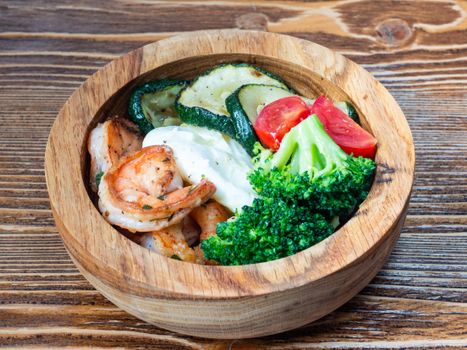
A wooden bowl filled with shrimps, broccoli, zucchini, and tomatoes on a rustic table.Photo: Rasul Yarichev / Pexels
Designing your initial keto meal plan for beginners doesn't have to be complicated. The goal is to create a sustainable and enjoyable eating schedule that keeps your carbohydrate intake low, your fat intake high, and your protein moderate. This sample 7-day meal plan provides a framework, but remember to adjust portion sizes based on your individual macro needs and hunger levels. Variety is important, so feel free to swap meals or ingredients within the keto-friendly guidelines. **Day 1: Kickstarting Ketosis** * **Breakfast:** Scrambled eggs with spinach, cheese, and avocado slices. * **Lunch:** Large salad with grilled chicken, mixed greens, olive oil dressing, and a handful of walnuts. * **Dinner:** Baked salmon with roasted asparagus and butter. * **Snack (if needed):** A small handful of almonds or a cheese stick. **Day 2: Embracing Healthy Fats** * **Breakfast:** Keto smoothie (unsweetened almond milk, spinach, avocado, protein powder, a few berries). * **Lunch:** Leftover baked salmon and asparagus. * **Dinner:** Ground beef stir-fry with broccoli, bell peppers (small amount), and soy sauce (or tamari). * **Snack:** Olives or a few slices of deli meat. **Day 3: Protein Power** * **Breakfast:** Bacon and eggs with a side of sautéed mushrooms. * **Lunch:** Tuna salad (made with mayo, celery) served in lettuce cups. * **Dinner:** Pork chops with a creamy cauliflower mash. * **Snack:** Hard-boiled eggs. **Day 4: Exploring Veggies** * **Breakfast:** Chia seed pudding (made with unsweetened almond milk, topped with a few pecans). * **Lunch:** Leftover pork chops and cauliflower mash. * **Dinner:** Chicken thighs baked with Brussels sprouts and olive oil. * **Snack:** Avocado slices with a sprinkle of salt and pepper. **Day 5: Seafood Focus** * **Breakfast:** Omelet with cheese and bell peppers (small amount). * **Lunch:** Shrimp salad with avocado and lemon-dill dressing. * **Dinner:** Cod baked in parchment paper with lemon and herbs, served with green beans. * **Snack:** Macadamia nuts. **Day 6: Weekend Favorites** * **Breakfast:** Keto pancakes (almond flour-based) with sugar-free syrup and a side of bacon. * **Lunch:** Large Cobb salad (greens, bacon, avocado, hard-boiled egg, blue cheese, ranch dressing). * **Dinner:** Bunless cheeseburger with a side salad. * **Snack:** Sugar-free gelatin. **Day 7: Meal Prep for the Week Ahead** * **Breakfast:** Leftover bunless cheeseburger patty with a fried egg. * **Lunch:** Chicken and avocado salad. * **Dinner:** Steak with a large side of creamed spinach. * **Snack:** Whey protein shake (low-carb). Remember to drink plenty of water throughout the day. This meal plan provides a starting point, but personalization is key for long-term adherence. Don't be afraid to experiment with different keto-friendly recipes and ingredients to keep your meals exciting and prevent dietary fatigue. Focus on whole, unprocessed foods and keep an eye on your carbohydrate count, especially from vegetables and dairy.

Essential Tips for a Successful Keto Journey and Avoiding Common Pitfalls

Elderly man examines product in grocery store aisle, representing daily shopping routine.Photo: Kampus Production / Pexels
Embarking on a ketogenic diet requires more than just knowing what to eat; it demands a strategic approach to ensure success and avoid common beginner mistakes. One of the most crucial tips is to prioritize electrolyte balance. As mentioned earlier, the initial phase of keto can lead to increased water and electrolyte excretion. To combat the 'keto flu,' actively supplement with sodium (add salt to food, drink bone broth), potassium (avocado, spinach, mushrooms), and magnesium (leafy greens, nuts, seeds). Many beginners overlook this, leading to unnecessary discomfort and potentially abandoning the diet too soon. Staying well-hydrated is equally important; aim for at least 8-10 glasses of water daily. Another vital strategy is to read food labels meticulously. Many seemingly healthy or low-carb products can contain hidden sugars, starches, or artificial sweeteners that can knock you out of ketosis. Always check the 'Total Carbohydrates' and 'Fiber' content to calculate net carbs (Total Carbs - Fiber). Be wary of 'sugar-free' items, as they often use sugar alcohols that can still impact blood sugar or cause digestive upset in some individuals. Focusing on whole, unprocessed foods naturally minimizes this risk. If you're not sure about an ingredient, it's best to err on the side of caution and choose a known keto-friendly alternative. Meal prepping is a game-changer for keto beginners. Planning and preparing your meals in advance can prevent impulsive, off-plan food choices, especially when hunger strikes or time is limited. Dedicate a few hours one day a week to cook batches of protein, chop vegetables, and portion out snacks. This ensures you always have keto-compliant options readily available, making adherence significantly easier. Furthermore, tracking your macros (fats, proteins, and carbs) using an app for at least the first few weeks is highly recommended. This helps you understand portion sizes, identify hidden carbs, and ensure you're hitting your targets to stay in ketosis. Without tracking, it’s easy to inadvertently consume too many carbs or not enough fat, hindering your progress. For more insights into macro tracking, check out our guide on personalized nutrition planning. Finally, listen to your body. While general guidelines exist, everyone's response to the ketogenic diet can vary. Some might need slightly more protein, others might find certain low-carb vegetables cause digestive issues. Pay attention to your energy levels, digestion, and how different foods make you feel. Don't be afraid to experiment and adjust your food choices within the keto framework to find what works best for *you*. Consistency, patience, and a willingness to learn and adapt are your greatest allies on this journey.

Common Mistakes to Avoid on Your Beginner Keto Journey

A nutritious breakfast featuring a fried egg, avocado, blueberries, and almonds.Photo: Jenna Hamra / Pexels
Starting any new diet comes with a learning curve, and the ketogenic diet is no exception. For beginners, certain common mistakes can hinder progress or even lead to giving up prematurely. Recognizing and actively avoiding these pitfalls is crucial for a successful and sustainable keto journey. **1. Not Consuming Enough Fat:** This is arguably the most frequent mistake. The keto diet is high-fat, not just low-carb. Many people transitioning from traditional diets are still wary of fat. However, fat is your primary energy source on keto, and insufficient fat intake will leave you feeling hungry, lethargic, and make it difficult to stay in ketosis. Focus on healthy fats like avocado, olive oil, coconut oil, butter, nuts, seeds, and fatty meats. **2. Overeating Protein:** While protein is essential, the keto diet is moderate protein, not high protein. Excess protein can be converted into glucose through a process called gluconeogenesis, which can prevent or kick you out of ketosis. Aim for around 0.6 to 0.8 grams of protein per pound of lean body mass. Use a macro calculator to determine your specific needs. **3. Neglecting Electrolytes and Hydration:** As highlighted earlier, this leads to the dreaded 'keto flu.' Many beginners fail to actively supplement electrolytes (sodium, potassium, magnesium) and drink enough water. This isn't just about comfort; severe electrolyte imbalance can be dangerous. Be proactive with bone broth, extra salt, and electrolyte supplements if needed. **4. Not Tracking Carbs Accurately (Hidden Carbs):** Many foods have hidden sugars or starches. Salad dressings, sauces, processed meats, and even some 'low-carb' products can contain significant amounts of carbohydrates. Always read labels and account for all carbs, including those from vegetables, nuts, and dairy. **5. Focusing Only on Meat and Dairy:** While these are staples, a healthy keto diet includes a wide variety of low-carb vegetables. Neglecting vegetables can lead to nutrient deficiencies and a lack of fiber, impacting digestive health. Incorporate plenty of leafy greens, broccoli, cauliflower, zucchini, and asparagus. **6. Expecting Instant Results and Giving Up Too Soon:** The body needs time to adapt to burning fat for fuel. The initial weeks might involve fluctuations in weight due to water loss, and true fat loss might take a bit longer to become evident. Patience and consistency are vital. Don't get discouraged if you don't see drastic changes overnight. **7. Snacking Too Much:** While keto snacks are allowed, constant snacking, even on keto-friendly foods, can stall weight loss. Focus on eating nutrient-dense meals until satisfied and only snack if genuinely hungry. This helps promote fat adaptation and allows your body to tap into its own fat stores between meals. **8. Not Consulting a Professional:** If you have underlying health conditions, are on medication, or are pregnant/breastfeeding, it's crucial to consult a doctor or a registered dietitian before starting the keto diet. They can provide personalized guidance and monitor your health to ensure it's safe and appropriate for you.

Comparison

FeatureKeto DietStandard American DietMediterranean Diet
Primary Fuel SourceFats (ketones)Carbohydrates (glucose)Carbohydrates & Fats
Carb Intake<50g/day (often <20g net)>250g/day100-200g/day
Fat IntakeHigh (70-75% calories)Moderate (30-35% calories)High (35-40% calories)
Protein IntakeModerate (20-25% calories)Moderate (10-15% calories)Moderate (15-20% calories)
Sugar & Grains✓ (whole grains)
Weight Loss PotentialHigh (especially initially)Moderate (calorie dependent)Moderate
Metabolic StateKetosisGlycolysisGlycolysis

What Our Readers Say

5 ★★★★★

"This keto meal plan for beginners was exactly what I needed! The sample week made it so easy to get started without feeling overwhelmed. I've lost 10 pounds in a month and have so much more energy."

5 ★★★★★

"I tried keto before and failed, but this guide's focus on electrolytes and hidden carbs made all the difference. The meals are delicious, and I actually enjoy cooking now. Highly recommend for anyone new to keto."

5 ★★★★★

"Following this beginner keto meal plan, I've successfully lowered my A1C and feel fantastic. The detailed explanations and tips for avoiding mistakes were incredibly helpful in achieving these concrete health results."

4 ★★★★☆

"A very comprehensive guide for starting keto. While some recipes required ingredients I didn't always have on hand, the overall structure and advice were excellent. It definitely set me on the right path."

5 ★★★★★

"As a busy mom, I needed something practical. This keto meal plan for beginners focused on simple, family-friendly meals that even my picky eaters enjoyed. It's truly changed our approach to healthy eating."

Frequently Asked Questions

What is the absolute easiest way to start a keto meal plan for beginners?
The easiest way to start is by focusing on whole, unprocessed foods and drastically cutting out all obvious sources of sugar and grains. Begin by swapping high-carb items like bread and pasta for low-carb alternatives like lettuce wraps or cauliflower rice. Prioritize fatty meats, eggs, healthy oils, and non-starchy vegetables, and ensure adequate hydration and electrolyte intake from day one to minimize the 'keto flu.'
Is the keto diet safe for everyone, especially beginners?
While generally safe for most healthy adults, the keto diet may not be suitable for everyone. Individuals with kidney disease, pancreatic disease, liver conditions, or certain metabolic disorders should avoid it. Pregnant or breastfeeding women, and those on specific medications, should always consult a healthcare professional before starting. Beginners should monitor their body's response closely.
How do I calculate my macros for a beginner keto meal plan?
To calculate your macros, you'll need to determine your basal metabolic rate (BMR) and total daily energy expenditure (TDEE) based on your age, sex, weight, height, and activity level. Then, set your carb limit (typically 20-30g net carbs), protein target (0.6-0.8g per pound of lean body mass), and fill the rest of your calories with fat. Several online macro calculators can help you with this personalized calculation.
What is the typical cost of a keto meal plan compared to a regular diet?
The cost of a keto meal plan can vary significantly. While cutting out inexpensive grains and processed foods can save money, incorporating high-quality meats, healthy fats, and specific low-carb vegetables might increase costs. However, focusing on budget-friendly keto staples like eggs, ground beef, chicken thighs, and frozen low-carb vegetables can make it very affordable. Meal prepping also helps reduce food waste and costs.
How does a keto meal plan for beginners compare to a low-carb diet?
The keto diet is a specific type of low-carb diet, but it's much stricter in carbohydrate restriction. While a general low-carb diet might allow 50-150 grams of carbs daily, a keto diet typically restricts net carbs to 20-50 grams to induce ketosis. This fundamental difference in carb intake is what drives the body into a fat-burning state, making keto distinct in its metabolic effects and often more rapid in initial weight loss.
Who should specifically consider starting a keto meal plan for beginners?
Individuals looking for significant weight loss, better blood sugar control (especially those with prediabetes or type 2 diabetes under medical supervision), increased energy levels, or improved cognitive focus might benefit. It's particularly appealing to those who struggle with hunger on calorie-restricted diets, as the high-fat content tends to be very satiating.
Are there any long-term health risks associated with a beginner keto meal plan?
For most healthy individuals, a well-formulated keto diet that emphasizes whole, nutrient-dense foods is generally considered safe long-term. However, potential concerns include nutrient deficiencies if not varied, kidney stones (rarely), and bone density issues (also rare). Regular medical check-ups and ensuring adequate micronutrient intake through diverse food choices and potentially supplements are recommended to mitigate any risks.
What are the emerging trends for future keto meal plans?
Future keto meal plans are evolving towards greater personalization, with AI-driven macro tracking and customized recipe suggestions. There's also a growing emphasis on 'clean keto,' focusing on organic, grass-fed, and wild-caught ingredients, and a push for more sustainable and plant-based keto options. Additionally, cyclical keto (periods of higher carb intake) and targeted keto (carbs around workouts) are gaining popularity for athletes and those seeking more flexibility.

Ready to transform your health and discover a more energetic you? Our comprehensive keto meal plan for beginners provides all the tools, knowledge, and delicious recipes you need to start your journey with confidence and achieve lasting results. Embrace the power of fat-burning and unlock your full potential today!

Topics: keto meal plan for beginnersketogenic diet for beginnerslow carb meal planketo diet recipesstarting keto
Leo List
Brampton weed
Adultwork