Ultimate Gluten-Free Pasta Brands Review: Your Guide to Deliciousness
gluten-free pasta brands review

Ultimate Gluten-Free Pasta Brands Review: Your Guide to Deliciousness

Unlock a world of delicious, satisfying, and perfectly textured gluten-free pasta options for every meal.

Find Your Perfect Pasta

Key Takeaways

  • ✓ Gluten-free pasta can be made from rice, corn, legumes (lentil, chickpea), quinoa, and even vegetables.
  • ✓ The texture of gluten-free pasta varies significantly by brand and ingredient, from al dente to soft.
  • ✓ Proper cooking technique is crucial for optimal gluten-free pasta results, often requiring less cooking time.
  • ✓ Many gluten-free options are fortified with nutrients, making them a healthy alternative to traditional wheat pasta.

How It Works

1
Identify Your Needs

Consider your dietary restrictions beyond gluten (e.g., corn, soy) and your preferred pasta shape. Different base ingredients offer distinct flavors and textures.

2
Explore Ingredient Bases

Understand the common ingredients like rice, corn, quinoa, and legumes. Each offers unique culinary properties and nutritional profiles.

3
Read Reviews & Compare

Consult expert and user reviews to gauge taste, texture, and cooking performance. Our comprehensive guide simplifies this process for you.

4
Experiment & Enjoy

Purchase a few promising brands and experiment with different sauces and cooking methods. Discover your personal favorites and savor delicious, worry-free meals.

Understanding Gluten-Free Pasta: Ingredients and Texture

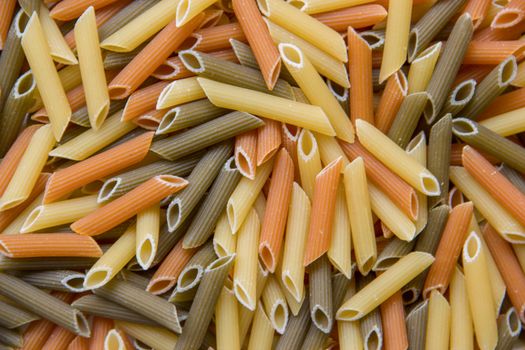
Vibrant close-up of uncooked tri-color penne pasta. Photo: Jess Ho / Pexels
For anyone navigating a gluten-free diet, the absence of traditional wheat pasta can feel like a significant culinary loss. However, the market has exploded with incredible gluten-free pasta brands, offering a diverse array of options that rival their wheat-based counterparts in taste, texture, and versatility. The key to finding your perfect gluten-free pasta lies in understanding the ingredients from which they're made, as these directly influence the final product's characteristics. Unlike traditional pasta, which relies on wheat's gluten for its characteristic elasticity and chew, gluten-free versions use a variety of flours and starches to mimic these qualities. Common ingredients include rice flour (white, brown, or a blend), corn flour, quinoa flour, lentil flour, chickpea flour, and even innovative options like cassava or sweet potato flour. Each of these base ingredients brings its own unique profile to the table. For instance, rice-based pastas often have a very neutral flavor, making them excellent for absorbing the nuances of your sauce. They can sometimes be a bit more delicate and prone to breaking if overcooked, but many brands have perfected their blends to offer a robust, al dente experience. Corn pasta, on the other hand, tends to hold its shape exceptionally well and offers a slightly sweeter, earthier flavor. It's a favorite for many due to its sturdy texture, often mimicking traditional pasta very closely. Legume-based pastas, made from red lentils, green lentils, or chickpeas, are a powerhouse of nutrition. They boast significantly higher protein and fiber content, making them a fantastic choice for those looking to boost their nutritional intake. Their flavor can be more pronounced, with a slightly nutty or earthy undertone, which pairs beautifully with robust sauces. However, their texture can be a bit softer than rice or corn pastas, so careful cooking is essential. Quinoa pasta, a blend often incorporating rice or corn, offers a complete protein profile and a delightful, slightly nutty flavor. It's known for its good texture retention and versatility in various dishes. Choosing the right ingredient base depends on your personal preference for flavor, desired texture, and nutritional goals. Some brands even use a blend of these flours to achieve a balanced taste and texture that appeals to a wide audience. As you delve into the world of gluten-free pasta, you'll discover that what might have once been a compromise is now an exciting culinary adventure, full of delicious possibilities. Understanding these foundational differences will empower you to make informed choices and elevate your gluten-free dining experience. For more insights on gluten-free cooking, explore our guide on gluten-free baking essentials.

Top Contenders: A Deep Dive into Leading Gluten-Free Pasta Brands
Top view of uncooked penne pasta and wooden spoon on a black surface, perfect for food-related content. Photo: Mateusz Feliksik / Pexels
Navigating the vast landscape of gluten-free pasta can be overwhelming, with dozens of brands vying for your attention. To simplify your search, we've meticulously reviewed and highlighted some of the top contenders that consistently deliver on taste, texture, and overall quality. Our goal is to help you cut through the noise and find brands that will become staples in your pantry. **Barilla Gluten Free Pasta:** A household name, Barilla has successfully transitioned its pasta expertise into the gluten-free realm. Their blend of corn and rice flours results in a pasta that is remarkably close to traditional wheat pasta in both taste and texture. It holds up well to cooking, offering a firm, al dente bite without becoming mushy. Available in popular shapes like spaghetti, penne, and rotini, Barilla GF is widely accessible and an excellent entry point for those new to gluten-free pasta. It's a reliable choice for any classic pasta dish. **Jovial Organic Gluten Free Pasta:** Jovial stands out for its commitment to organic ingredients and traditional Italian pasta-making methods. Made from 100% brown rice flour, their pasta boasts a robust texture and a clean, neutral flavor that allows your sauces to shine. Many reviewers laud Jovial for its ability to maintain an al dente chew, even when reheated. They offer a wide range of shapes, including unique options like casarecce and tagliatelle, catering to diverse culinary needs. Jovial is a premium option that truly delivers a gourmet gluten-free experience. **Banza Chickpea Pasta:** Banza revolutionized the gluten-free pasta scene by focusing on chickpeas as its primary ingredient. This innovative approach not only creates a pasta with a fantastic texture but also significantly boosts its protein and fiber content. Banza pasta has a slightly earthy flavor that pairs wonderfully with a variety of sauces, from pesto to marinara. It cooks quickly and maintains its structure, making it a favorite for health-conscious consumers and families. Be mindful that its flavor is more pronounced than rice or corn-based pastas. **Explore Cuisine Organic Edamame & Mung Bean Pastas:** For those seeking high-protein, low-carb options, Explore Cuisine offers an impressive range of legume-based pastas. Their edamame and mung bean fettuccine and spaghetti are particularly popular, offering a substantial texture and a mild, nutty flavor. These pastas are incredibly filling and cook very quickly, often in just 3-5 minutes. They are an excellent choice for Asian-inspired dishes or for anyone looking to maximize their protein intake without relying on animal products. They are also incredibly versatile and hold up well to stir-fries. **Trader Joe's Gluten Free Pasta (various types):** Trader Joe's offers a rotating selection of gluten-free pastas, often featuring different ingredient blends. Their brown rice and quinoa fusilli is a consistent crowd-pleaser, delivering a good texture and neutral flavor. They also frequently carry lentil and chickpea options under their own label, providing affordable and accessible choices for various dietary preferences. While specific offerings may vary by store, Trader Joe's often provides excellent value for quality gluten-free pasta. **DeLallo Gluten-Free Pasta:** DeLallo, known for its authentic Italian products, brings its expertise to the gluten-free market with a blend of corn and rice flour. Their pasta offers a satisfying chew and a taste profile that closely mimics traditional durum wheat pasta. It holds its shape beautifully and is less prone to breaking during cooking, making it a reliable choice for everyday meals. DeLallo's commitment to quality ensures a consistent and enjoyable dining experience, making it a strong contender for those seeking a true Italian pasta experience without the gluten. Each of these brands brings something unique to the table, whether it's a focus on traditional texture, enhanced nutrition, or organic ingredients. Experimenting with a few of these top contenders will undoubtedly lead you to your personal favorites and open up a world of delicious gluten-free pasta possibilities. Remember that cooking times can vary significantly between brands and ingredient types, so always follow the package instructions closely for the best results.

Cooking Gluten-Free Pasta: Tips for Perfect Al Dente Results

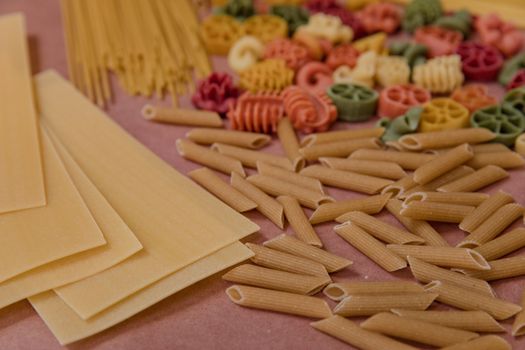
Assorted uncooked pasta varieties displayed on a wooden surface, perfect for culinary concepts. Photo: RDNE Stock project / Pexels
Cooking gluten-free pasta successfully isn't just about boiling water; it's an art form that requires a slightly different approach than traditional wheat pasta. Many common complaints about gluten-free pasta – mushiness, stickiness, or an unpleasant texture – stem from improper cooking techniques. With a few key adjustments, you can consistently achieve perfectly al dente results that will impress even the most discerning palates. The most crucial tip is to **always follow package directions religiously**, as cooking times vary significantly between brands and ingredient types. Unlike wheat pasta, which can be somewhat forgiving, gluten-free pasta demands precision. First, use a **generous amount of water**. This is non-negotiable. For every pound of pasta, you should use at least 4-6 quarts of water. This ensures that the pasta has enough space to move freely and prevents it from clumping together. A large pot is essential. Second, **salt your water generously**. Just like with traditional pasta, salting the water imbues the pasta itself with flavor, rather than relying solely on the sauce. Aim for water that tastes like the sea – about 1-2 tablespoons of salt per gallon of water. Bring the water to a **rolling boil before adding the pasta**. Do not add the pasta to simmering water, as this can lead to uneven cooking and a gummy texture. Once the water is boiling vigorously, add the pasta and stir immediately to prevent sticking. Continue to stir occasionally throughout the cooking process, especially during the first few minutes. **Pay close attention to cooking times.** Gluten-free pasta often cooks faster than wheat pasta, and it can go from perfectly al dente to mushy in a matter of seconds. Start testing for doneness about 1-2 minutes before the package recommends. The ideal texture should be firm but yielding to the bite, with no hard, uncooked center. **Avoid rinsing most gluten-free pastas.** While some people rinse wheat pasta to remove excess starch, doing so with most gluten-free varieties can strip away flavor and leave the pasta feeling dry and brittle, especially those made from rice or corn. The starch left on the pasta actually helps the sauce cling better. The only exception might be legume-based pastas if you find them excessively starchy or prefer a cleaner taste, but even then, a quick rinse under warm water is usually sufficient, followed by immediate saucing. **Sauce your pasta immediately.** As soon as the pasta is drained (do not over-drain; a little pasta water is a good thing!), toss it with your warm sauce. The residual heat from the pasta will help the sauce adhere and meld the flavors. If you're not serving immediately, consider undercooking the pasta by about a minute and finishing it directly in the sauce. This technique, often used in Italian cooking, allows the pasta to absorb the sauce's flavors and achieve a perfect al dente finish. For more culinary inspiration, check out our insights on seasonal cooking recipes. By mastering these simple yet crucial techniques, you'll elevate your gluten-free pasta dishes from good to absolutely outstanding.

Common Mistakes and Smart Swaps for Gluten-Free Pasta Success

Vibrant close-up of uncooked tri-color penne pasta. Photo: Jess Ho / Pexels
Even with the best gluten-free pasta brands, certain pitfalls can derail your delicious meal. Avoiding common mistakes and making smart ingredient swaps can significantly enhance your gluten-free pasta experience. One of the most frequent errors is **overcooking**. As mentioned, gluten-free pasta is often more delicate and cooks faster than its wheat counterpart. Overcooking leads to a mushy, gummy texture that no amount of delicious sauce can salvage. Always set a timer and start checking for doneness a minute or two before the package instructions suggest. Another mistake is **not using enough water or salt**. Skimping on water means the pasta starches don't disperse properly, leading to sticky clumps. Insufficient salt results in bland pasta that relies entirely on the sauce for flavor. Remember the golden rule: plenty of water, generously salted. **Rinsing the pasta** immediately after draining is also a common misstep for many gluten-free varieties. While it might seem like a good idea to remove excess starch, it often washes away the starches that help your sauce adhere, leaving you with dry, less flavorful pasta. Only rinse if the package specifically instructs you to, or if you're making a cold pasta salad and want to prevent sticking. Instead, drain quickly and toss immediately with your warm sauce. **Not stirring the pasta enough** in the initial stages of cooking can also cause issues. Gluten-free pasta, especially rice-based types, can stick together easily if not agitated during the first few minutes in boiling water. A good stir every minute or so for the first 3-5 minutes will help prevent this. Now, let's talk about smart swaps that can elevate your gluten-free pasta dishes. If you're looking to boost nutrition, **swap out plain rice or corn pasta for legume-based options** like Banza (chickpea) or Explore Cuisine (lentil, edamame). These significantly increase protein and fiber, making your meal more satisfying and blood-sugar friendly. For a lighter touch or to sneak in more vegetables, consider **spiralized veggie noodles** like zucchini, sweet potato, or carrot as a partial or full pasta replacement. They offer a different texture but are packed with nutrients and can be a refreshing change. When choosing sauces, remember that **hearty, robust sauces** often pair best with the slightly firmer texture of many gluten-free pastas. Think pestos, meat sauces, or creamy vegetable purees. Delicate, thin sauces might get lost. Finally, don't be afraid to **experiment with different brands and ingredient bases**. What works perfectly for one dish might not be ideal for another. Keep a few different types on hand to match the occasion and your recipe. By avoiding these common pitfalls and embracing smart swaps, you'll unlock the full potential of gluten-free pasta and create truly delicious, satisfying meals every time. **Key Takeaways for Success:** * **Always read and follow package directions.** * **Use ample, generously salted water.** * **Stir frequently, especially at the start.** * **Do not overcook – check for al dente early.** * **Avoid rinsing (unless specified).** * **Sauce immediately after draining.** * **Experiment with legume-based pastas for nutrition boosts.**

Comparison

FeatureBarilla Gluten FreeJovial Organic Brown RiceBanza Chickpea PastaExplore Cuisine Lentil Pasta
Primary IngredientsCorn & RiceBrown RiceChickpeaRed/Green Lentil
Taste ProfileNeutral, mildNeutral, cleanEarthy, slightly nuttyEarthy, robust
Texture RetentionExcellent (al dente)Excellent (al dente)Very Good (firm)Good (softer)
Protein ContentStandardStandardHigh (25g/serving)Very High (25g+/serving)
Fiber ContentStandardGoodHigh (8g/serving)Very High (11g+/serving)
Cooks Quickly
Organic Option✓ (some)
Widely Available

What Readers Say

"This gluten-free pasta brands review truly helped me find the perfect pasta for my family. The Barilla GF spaghetti is now a weekly staple; it tastes just like regular pasta and holds up beautifully with any sauce."

Sarah J. · Austin, TX

"I was skeptical about gluten-free pasta, but after reading this guide, I tried Jovial brown rice penne. The texture is incredible, truly al dente, and it absorbs sauce wonderfully. My celiac daughter is thrilled!"

Mark D. · Seattle, WA

"The insights on Banza chickpea pasta were spot on! I made a high-protein pasta salad, and it was delicious and filling. This review gave me the confidence to try new brands, and it paid off big time."

Jessica L. · Miami, FL

"While I appreciate the depth of this gluten-free pasta brands review, I found that some of the legume pastas, though nutritious, have a slightly stronger flavor than I prefer. Still, the cooking tips were invaluable for preventing mushy pasta."

David P. · Denver, CO

"As someone who recently went gluten-free, this article was a lifesaver. The detailed comparison table made it easy to choose based on my needs, and I've finally found gluten-free pasta that my non-GF husband enjoys too!"

Emily R. · Chicago, IL

Frequently Asked Questions

What is the best-tasting gluten-free pasta brand?

The 'best-tasting' brand is subjective and depends on individual preference for flavor and texture. Many reviewers praise Barilla Gluten Free for its neutral taste and traditional texture, while Jovial Organic Brown Rice is lauded for its authentic Italian feel. Banza Chickpea Pasta is excellent for those who enjoy an earthy flavor and high protein content. It's recommended to try a few different top brands to find your personal favorite.

Will gluten-free pasta get mushy easily?

Gluten-free pasta can become mushy if overcooked, as it often has a more delicate structure than wheat pasta. However, by following package instructions precisely, using ample boiling water, and saucing immediately after draining, you can achieve a perfect al dente texture that holds up well. Many premium brands are specifically formulated to resist mushiness.

How do I cook gluten-free pasta to prevent sticking?

To prevent gluten-free pasta from sticking, use a very large pot with plenty of generously salted, rapidly boiling water. Add the pasta and stir immediately to separate strands, then continue to stir occasionally, especially during the first few minutes of cooking. Do not overcrowd the pot, and ensure the water maintains a vigorous boil throughout.

Is gluten-free pasta more expensive than regular pasta?

Generally, yes, gluten-free pasta tends to be slightly more expensive than traditional wheat pasta due to specialized ingredients and manufacturing processes. However, as demand grows, prices are becoming more competitive, and many popular brands offer affordable options. Value brands and store-brand gluten-free pastas can also provide cost-effective choices.

How does gluten-free pasta compare nutritionally to regular pasta?

Nutritional profiles vary significantly by the ingredients used in gluten-free pasta. Rice and corn-based options are often similar to wheat pasta in calories and carbohydrates. Legume-based pastas (chickpea, lentil) typically offer significantly higher protein and fiber content, making them a more nutrient-dense choice. Some gluten-free pastas are also fortified with vitamins and minerals.

Who should eat gluten-free pasta?

Gluten-free pasta is primarily intended for individuals with celiac disease, non-celiac gluten sensitivity, or wheat allergies who need to avoid gluten for health reasons. However, anyone can enjoy gluten-free pasta as part of a varied diet, especially those looking for alternative textures, flavors, or increased protein and fiber content from legume-based options.

Is all gluten-free pasta safe for celiacs?

Most gluten-free pasta brands are safe for celiacs, provided they are certified gluten-free or clearly labeled as such, indicating they meet the FDA's standard of less than 20 parts per million (ppm) of gluten. Always check for a 'gluten-free' certification or label to ensure it's safe for those with celiac disease, as cross-contamination can be a concern in facilities that also process wheat.

What are the future trends in gluten-free pasta?

Future trends in gluten-free pasta are likely to include an expansion of innovative ingredient bases like cassava, sweet potato, and even vegetable purees for added nutrition and unique flavors. We can also expect further improvements in texture and elasticity to mimic traditional pasta even more closely, along with a wider variety of shapes and gourmet options becoming more mainstream.

Ready to transform your gluten-free meals? Dive into the world of delicious gluten-free pasta brands and discover your new favorites today. Your taste buds will thank you!

Topics: gluten-free pasta brands reviewbest GF pastaceliac safe pastagluten-free pasta tastehealthy pasta alternatives
Leo List
Brampton weed
Adultwork