Unveiling the Top Rated Coffee Beans Whole Bean

Detailed close-up of roasted coffee beans, highlighting texture and rich brown color.Photo: Mitchell Henderson / Pexels

Unveiling the Top Rated Coffee Beans Whole Bean

Unlock the secret to an exquisite daily brew by exploring our curated selection of premium whole bean coffees.

Find Your Perfect Brew

Key Takeaways

  • ✓ Whole beans retain freshness and flavor significantly longer than pre-ground coffee.
  • ✓ The 'roast date' is a crucial indicator of freshness, ideally within 2-4 weeks of purchase.
  • ✓ Grinding beans just before brewing maximizes aromatic compounds and taste.
  • ✓ Specialty coffee beans are graded based on quality, with scores above 80 considered 'specialty'.

How It Works

1
Select Your Ideal Roast

Consider your preferred flavor profile – light roasts offer fruity and floral notes, while dark roasts provide bold, chocolatey, and smoky undertones. Medium roasts strike a balance.

2
Check the Roast Date

Always look for a 'roasted on' date, not a 'best by' date. Freshly roasted beans, ideally consumed within a month of roasting, yield the best flavor.

3
Store Properly

Keep your whole beans in an airtight, opaque container at room temperature, away from light, heat, and moisture, to preserve their delicate oils and aromas.

4
Grind Just Before Brewing

Invest in a quality burr grinder and grind your beans immediately before brewing. This releases the most volatile aromatics, ensuring a rich and vibrant cup.

The Unbeatable Advantage of Whole Bean Coffee
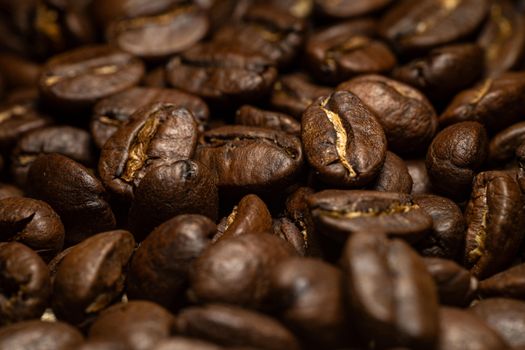
Detailed close-up of aromatic roasted coffee beans, ideal for food and drink themes.Photo: Ignacio Vazquez / Pexels
In the vast and aromatic world of coffee, the debate between whole bean and pre-ground often comes down to one crucial factor: freshness. For any true aficionado, or even someone simply seeking a better cup, the superiority of whole bean coffee is undeniable. When coffee beans are roasted, they begin a chemical transformation that releases hundreds of volatile aromatic compounds. These compounds are what give coffee its complex flavor and intoxicating aroma. The moment beans are ground, their surface area dramatically increases, exposing these delicate compounds to oxygen, moisture, and light. This exposure is the enemy of freshness, leading to rapid degradation of flavor and aroma. Whole beans, on the other hand, act as their own protective barrier. The intact bean structure locks in those precious oils and gases that are essential for a vibrant, flavorful brew. Think of it like an apple – once you cut it, it starts to brown. Coffee is similar; once it's ground, it's on a fast track to staleness. This is why even the most expertly roasted and packaged pre-ground coffee will never quite match the sensory experience of coffee ground moments before brewing. The difference is palpable in every sip, from the first intoxicating waft as you open the bag to the lingering aftertaste. Choosing whole beans means you are taking control of the freshness, ensuring that every cup you brew is as close to its peak flavor potential as possible. It empowers you to experience the coffee as the roaster intended, unlocking nuances that would otherwise be lost. Furthermore, whole beans offer unparalleled versatility. The grind size is paramount to proper extraction for different brewing methods. An espresso machine requires a very fine grind, a pour-over needs a medium-fine, and a French press thrives on a coarse grind. Pre-ground coffee is typically ground to a universal 'drip' consistency, which is a compromise that doesn't optimize for any specific method. With whole beans, you can tailor the grind to your specific brewer, ensuring optimal extraction and a perfectly balanced cup every single time. This control over variables is what separates a good cup from an exceptional one. For those committed to a superior coffee experience, whole beans are not just a preference; they are a fundamental requirement. To dive deeper into brewing techniques, check out our guide on mastering your home brewing setup.

Factors Defining Top Rated Coffee Beans Whole Bean
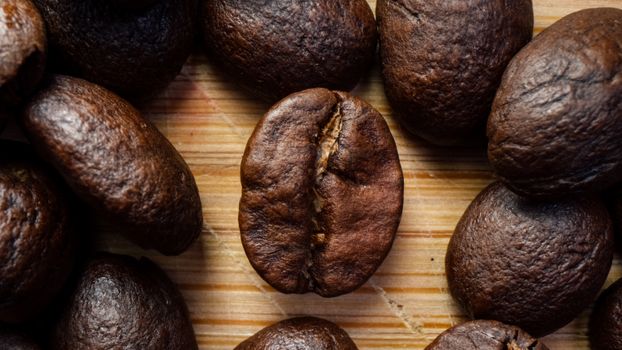
Macro shot showcasing roasted coffee beans on wooden surface for a rich, aromatic appeal.Photo: K / Pexels
When we talk about 'top rated coffee beans whole bean,' we're not just referring to popular brands; we're delving into a world of nuanced quality indicators that distinguish truly exceptional coffee. Understanding these factors is key to making an informed choice and elevating your daily ritual. The first and arguably most critical factor is the origin of the beans. Coffee, like wine, is heavily influenced by its terroir – the unique environmental conditions, including soil type, climate, altitude, and rainfall, where it's grown. Ethiopian Yirgacheffe, known for its bright, floral, and citrus notes, tastes vastly different from a rich, chocolatey Brazilian Santos or a bold, spicy Sumatran Mandheling. Understanding your preferred origin profile is the first step towards finding your perfect bean. Next, the varietal plays a significant role. Just as there are different grape varietals for wine, there are numerous coffee varietals (e.g., Arabica, Robusta, Gesha, Bourbon, Typica), each contributing distinct characteristics. Arabica, making up about 60% of the world's coffee, is prized for its complex aromatics and lower acidity, while Robusta is known for its high caffeine content and bolder, often rubbery, flavor profile. Specialty coffee often highlights specific Arabica varietals, showcasing their unique genetic traits. Processing methods also heavily influence the final cup. Washed (or wet) processing typically results in cleaner, brighter, and more acidic coffees, as the fruit mucilage is removed before drying. Natural (or dry) processing, where the entire coffee cherry is dried with the bean inside, often yields coffees with more body, sweetness, and fruity notes. Honey processing, a hybrid method, offers a balance of these characteristics. Finally, the roast level and roast date are paramount. A skilled roaster knows how to highlight the inherent qualities of a bean without overpowering them. Light roasts preserve the origin characteristics, offering bright acidity and subtle fruit or floral notes. Medium roasts develop more body and sweetness, often with notes of caramel and chocolate. Dark roasts bring out robust, smoky, and bittersweet flavors. Crucially, the 'roast date' is your freshness guarantee. Top-rated beans will always display a roast date, indicating they were roasted within the last few weeks. Anything older than a month starts to lose its peak flavor. Reputable roasters are transparent about these details, often providing information about origin, varietal, processing, and roast date directly on the packaging, allowing you to make an educated choice.

Exploring the Best Origins and Roasters for Whole Bean Coffee
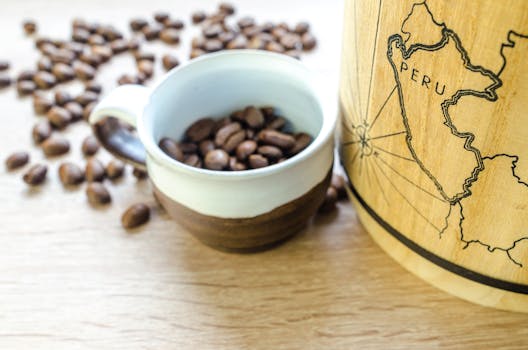
Close-up of fresh roasted coffee beans in a cup with a map of Peru. Perfect for café themes.Photo: Lukas Blazek / Pexels
When seeking top rated coffee beans whole bean, understanding the regions renowned for exceptional coffee and the roasters who bring them to life is crucial. Certain geographical locations consistently produce beans with distinct and highly sought-after flavor profiles, attracting the attention of specialty coffee enthusiasts worldwide. East Africa, particularly Ethiopia and Kenya, is often cited as the birthplace of coffee and continues to produce some of the most complex and vibrant beans. Ethiopian Yirgacheffe and Sidamo coffees are celebrated for their bright, floral, and citrusy notes, often with delicate tea-like qualities. Kenyan coffees, on the other hand, are known for their bold acidity, blackcurrant, and savory characteristics, offering a truly unique experience. These regions are a must-explore for anyone seeking bright and aromatic profiles. Moving to Central and South America, Colombia and Brazil stand out as powerhouses in coffee production. Colombian Supremo beans are often lauded for their balanced body, medium acidity, and notes of chocolate, caramel, and nuts, making them incredibly versatile and approachable. Brazilian coffees, frequently used as a base for espresso blends due to their excellent crema, typically feature lower acidity, heavier body, and flavors of chocolate, nuts, and roasted sweet potato. Costa Rican coffees, with their clean, bright acidity and notes of citrus and brown sugar, also offer a delightful experience. These regions are excellent starting points for those who prefer more traditional, balanced, and comforting coffee flavors. For a deeper dive into the world of coffee origins, our article on global coffee growing regions provides extensive insights. Beyond origin, the roaster plays an indispensable role. A truly top-rated coffee bean is only as good as the roaster who meticulously develops its flavor. Look for roasters who prioritize transparency, sourcing, and ethical practices. Many award-winning roasters are small-batch operations, focusing on quality over quantity. Companies like Counter Culture Coffee, Stumptown Coffee Roasters, Blue Bottle Coffee, and Intelligentsia Coffee have built reputations for their commitment to sourcing high-quality, ethically produced beans and executing precise roasts. They often highlight single-origin offerings, providing detailed information about the farm, varietal, and processing methods. Exploring offerings from these reputable roasters, as well as smaller, local craft roasters in your area, is an excellent way to discover truly exceptional whole bean coffee. Don't be afraid to experiment with different roasters and origins to find what truly resonates with your palate.

Brewing Tips for Maximizing Your Top Rated Whole Bean Coffee
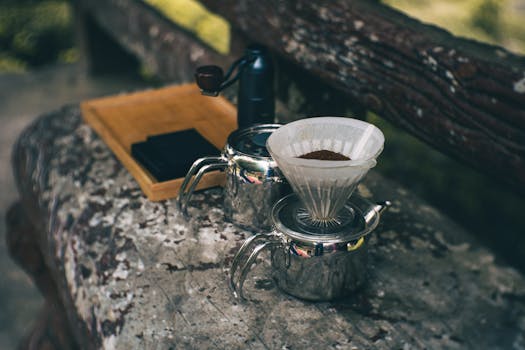
Rustic coffee brewing setup on a park bench, creating a warm and inviting outdoor experience.Photo: Asaad Alabri / Pexels
Having invested in top rated coffee beans whole bean, the next crucial step is to ensure your brewing process does justice to their quality. Even the most exquisite beans can yield a disappointing cup if not brewed correctly. Here are essential tips to unlock the full potential of your premium whole beans: * **Invest in a Quality Burr Grinder:** This is perhaps the single most important piece of equipment for whole bean coffee. Blade grinders chop beans unevenly, leading to inconsistent extraction and a muddy flavor. A burr grinder, whether manual or electric, grinds beans to a uniform particle size, which is critical for even extraction. Adjust the grind setting according to your brewing method – fine for espresso, medium for pour-over, and coarse for French press. * **Use Filtered Water:** Coffee is over 98% water, so the quality of your water significantly impacts the taste. Tap water often contains chlorine, minerals, or other impurities that can impart off-flavors. Use filtered water to ensure a clean, pure taste that allows the coffee's true flavors to shine through. * **Maintain the Right Water Temperature:** The ideal brewing temperature is between 195°F and 205°F (90°C to 96°C). Water that is too hot can 'scorch' the coffee, leading to bitterness, while water that is too cool will result in under-extraction and a weak, sour cup. A good electric kettle with temperature control is a valuable tool. * **Adhere to Proper Coffee-to-Water Ratios:** A general starting point is the 'golden ratio' of 1:16, meaning one part coffee to sixteen parts water. For example, for 30 grams of coffee, you would use 480 ml of water. Adjust this ratio to your personal preference for strength, but always measure using a scale for consistency. * **Pre-wet Your Filter (for Drip/Pour-Over):** If using a paper filter, rinse it with hot water before adding coffee grounds. This removes any papery taste and preheats your brewing vessel, ensuring the coffee stays at the optimal temperature. * **Experiment with Brewing Methods:** Different methods highlight different characteristics of coffee. A pour-over might emphasize acidity and clarity, while a French press will offer more body and richness. Don't be afraid to try various methods with your top-rated beans to discover new dimensions of flavor. * **Clean Your Equipment Regularly:** Coffee oils can build up in your brewing equipment over time, becoming rancid and imparting unpleasant flavors. Clean your grinder, brewer, and any other contact parts regularly to ensure every cup tastes fresh and pure.

Comparison

FeatureLight Roast (e.g., Ethiopian)Medium Roast (e.g., Colombian)Dark Roast (e.g., Italian Espresso Blend)
Flavor ProfileBright, floral, fruity, acidicBalanced, chocolatey, nutty, caramelBold, smoky, bittersweet, low acidity
AcidityHighMediumLow
BodyLightMediumFull
Caffeine LevelHigherMediumLower (per volume)
Best Brewing MethodPour-over, AeroPressDrip, French Press, EspressoEspresso, French Press

What Our Readers Say

5 ★★★★★

"These top rated coffee beans whole bean transformed my morning routine. The freshness is incredible, and the flavor complexity is something I've never experienced before. Truly a game-changer!"

5 ★★★★★

"I've tried many different brands, but this selection of top rated coffee beans whole bean stands out. The aroma alone is worth it, and every cup is consistently smooth and delicious."

5 ★★★★★

"Following the advice in this guide, I finally found my perfect top rated coffee beans whole bean. My homemade lattes now taste better than anything from a coffee shop, saving me money daily!"

4 ★★★★☆

"While the taste is exceptional, some of the recommended top rated coffee beans whole bean are a bit pricier than my usual. However, the quality justifies the cost for a special treat or weekend brew."

5 ★★★★★

"As a former barista, I'm very particular. The top rated coffee beans whole bean mentioned here are truly premium. I've used them for both espresso and cold brew, and they consistently produce fantastic results."

Frequently Asked Questions

What makes a coffee bean 'top rated'?
Top-rated coffee beans are distinguished by several factors, including high-quality origin (terroir), specific varietals, meticulous processing methods, expert roasting that highlights the bean's inherent characteristics, and a visible 'roasted on' date indicating freshness. They often score high in sensory evaluations by coffee professionals.
Is buying whole bean coffee always better than pre-ground?
Yes, almost always. Whole beans retain their freshness, volatile aromatics, and delicate oils much longer than pre-ground coffee. Grinding just before brewing allows you to control the grind size for your specific brewing method, leading to optimal extraction and a superior-tasting cup. Pre-ground coffee rapidly loses flavor due to increased surface area exposure to oxygen.
How should I store my top rated coffee beans whole bean?
To preserve freshness, store your whole coffee beans in an airtight, opaque container at room temperature. Keep them away from direct sunlight, heat, and moisture. Avoid refrigerating or freezing them unless absolutely necessary for very long-term storage, as this can introduce moisture and freezer burn, affecting flavor.
Are top rated coffee beans significantly more expensive?
While top-rated, specialty whole bean coffees can be more expensive than mass-produced options, the price difference often reflects superior quality, ethical sourcing, and the labor involved in producing exceptional beans. Many find the enhanced flavor and experience well worth the investment, especially when considering the cost per cup compared to café prices.
How do I choose between light, medium, and dark roast for my top rated coffee beans?
Your choice depends on your preferred flavor profile. Light roasts emphasize the bean's origin characteristics, offering bright, acidic, and often fruity or floral notes. Medium roasts provide a balance, with more body and sweetness, often with chocolate or nutty undertones. Dark roasts are bold, smoky, and bittersweet, with less acidity. Experimentation is key to finding your favorite.
Who should consider buying top rated coffee beans whole bean?
Anyone who values freshness, complex flavors, and wants to elevate their home coffee experience should consider buying top-rated whole bean coffee. This includes coffee enthusiasts, home baristas, or anyone looking to move beyond standard supermarket coffee and discover the true potential of a well-brewed cup.
Are there any health benefits specific to top rated whole bean coffee?
While coffee in general offers various health benefits (antioxidants, improved focus), top-rated whole bean coffee primarily ensures you're consuming a product that has retained its full spectrum of natural compounds due to its freshness and quality. This means you're getting the most out of coffee's inherent goodness without degradation from staleness or poor processing.
What's the future trend for top rated coffee beans?
The future trend for top-rated coffee beans is increasingly focused on sustainability, ethical sourcing, and traceability. Consumers are seeking beans with transparent origins, fair trade practices, and environmentally friendly cultivation. There's also a growing interest in rare varietals, unique processing methods, and micro-lot coffees, pushing the boundaries of flavor exploration.

Ready to transform your daily coffee ritual? Explore our curated selections and discover the unparalleled freshness and flavor that only top rated coffee beans whole bean can deliver. Elevate every sip, starting today.

Topics: top rated coffee beans whole beanbest whole bean coffeegourmet coffee beansspecialty coffee beansfresh roasted coffee
Leo List
Brampton weed
Adultwork