Quick Lunch Ideas for Work No Microwave: Delicious & Easy
July 25, 2026 16 min read 3,280 words
Transform your midday meal with hassle-free, no-reheat options that are both nutritious and satisfying.
Start Packing Smarter
The Ultimate Guide to No-Microwave Work Lunches
 Photo: MART PRODUCTION / Pexels
For many professionals, the office microwave is either nonexistent, perpetually queued, or simply unappealing. The thought of cold, bland leftovers often leads to expensive takeout or unhealthy impulse buys. But what if your packed lunch could be just as exciting, nutritious, and satisfying as a hot meal, without ever needing a reheat? This comprehensive guide dives deep into the world of quick lunch ideas for work no microwave, offering an abundance of creative, delicious, and easy-to-prepare options that will revolutionize your midday meal.
The challenge of a no-microwave lunch isn't just about temperature; it's about texture, flavor, and practicality. We'll explore strategies to keep your food fresh, prevent sogginess, and ensure a balanced nutritional profile. Forget sad desk salads and repetitive sandwiches. We’re talking vibrant grain bowls, hearty wraps, refreshing pasta salads, and ingenious bento box combinations that will make your colleagues envious. The key lies in thoughtful ingredient selection, smart layering, and a little bit of meal prep magic. Our goal is to empower you to create lunches that are not only convenient but genuinely enjoyable, promoting sustained energy and focus throughout your workday. By embracing these innovative approaches, you'll save money, eat healthier, and reclaim your lunch break as a moment of culinary delight rather than a hurried refuel. This isn't just about avoiding the microwave; it's about elevating your entire lunch experience, making it a highlight of your day. We’ll delve into various categories, from protein-packed options to vegetarian delights, ensuring there’s something for every palate and dietary preference. Get ready to transform your lunch routine from a chore into a celebration of good food, no matter where your office is located. We'll even tackle the often-overlooked aspect of proper packing, ensuring your culinary creations arrive at your desk in perfect condition, ready to be devoured.
Learn more about healthy eating habits.
One of the biggest hurdles people face when trying to pack no-microwave lunches is the fear of blandness or monotony. This guide directly addresses that by providing a diverse array of flavors and textures. We’ll look at how to incorporate fresh herbs, vibrant dressings, and crunchy elements that maintain their integrity even when eaten cold. The emphasis is on fresh, whole ingredients that naturally taste great at room temperature or chilled. Think about the crispness of a bell pepper, the creaminess of avocado, or the tang of a good vinaigrette – these are your allies in creating a satisfying no-reheat meal. Furthermore, we’ll discuss how to build a 'lunch pantry' of staples that can be mixed and matched throughout the week, offering endless variations without requiring a complete overhaul of your grocery list every time. This systematic approach not only saves time but also reduces food waste, making your meal prep more sustainable. From robust salads that defy wilting to ingenious wraps that stay intact, every suggestion is designed with the busy professional in mind. You’ll discover how simple components, when combined intelligently, can create a gourmet experience right at your desk. The benefits extend beyond the plate, too; a well-planned, delicious lunch can boost your mood, improve concentration, and even prevent that dreaded afternoon slump. Say goodbye to the microwave line and hello to a world of culinary possibilities that are just as quick to prepare as they are delightful to eat.
Top No-Microwave Lunch Categories & Creative Ideas
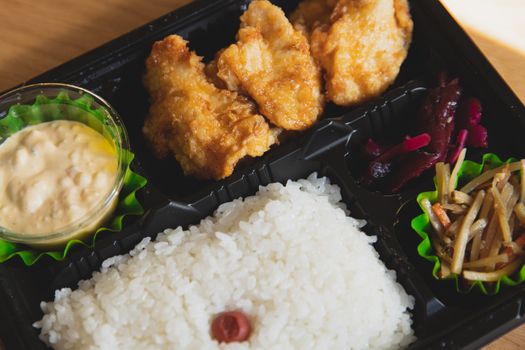 Photo: Ryutaro Tsukata / Pexels
When it comes to quick lunch ideas for work no microwave, variety is truly the spice of life. To help you navigate the endless possibilities, we've broken down our top recommendations into distinct categories, each offering unique benefits and flavor profiles. This systematic approach ensures you can easily find a meal that suits your mood, dietary needs, and available prep time.
**1. Sensational Salads (That Aren't Sad):** Forget the limp lettuce and single-topping salads. The trick to a great no-microwave salad is robust ingredients and smart layering. Think grain-based salads like quinoa or farro with roasted vegetables (bell peppers, zucchini, sweet potatoes), chickpeas, feta, and a lemon-herb vinaigrette. Pasta salads are also excellent contenders; a pesto pasta salad with cherry tomatoes, mozzarella balls, and fresh basil holds up beautifully. For a heartier option, try a black bean and corn salad with avocado, red onion, cilantro, and a zesty lime dressing. The key is to pack dressing separately and add it just before eating to prevent sogginess. Incorporate crunchy elements like nuts, seeds, or croutons (also packed separately) for added texture. Protein boosters like grilled chicken (pre-cooked), hard-boiled eggs, or canned tuna/salmon can transform a side salad into a full meal.
**2. Wraps, Rolls, and Sandwiches Reinvented:** While a classic sandwich can be good, we're elevating the game. Instead of standard bread, try whole-wheat tortillas, large lettuce cups (like butter lettuce or collard greens), or even rice paper rolls. Fillings are where creativity shines. A Mediterranean wrap with hummus, cucumber, tomatoes, olives, and grilled halloumi is always a winner. Chicken salad or tuna salad (made with Greek yogurt for extra protein and creaminess) can be prepped in advance and scooped into wraps or served with crackers. For a plant-based option, try a chickpea salad sandwich, mashed chickpeas seasoned with mayo, mustard, celery, and herbs. The trick here is to avoid overly wet fillings and to wrap tightly to prevent unraveling. Using a sturdy bread or tortilla is crucial for structural integrity.
**3. Power-Packed Protein Bowls:** These are incredibly versatile and perfect for meal prep. Start with a base of cooked grain (quinoa, brown rice, couscous), then add a source of protein (leftover cooked chicken, tofu, tempeh, lentils, or edamame). Pile on plenty of fresh or roasted vegetables – think broccoli florets, shredded carrots, bell pepper strips, or roasted Brussels sprouts. Finish with a flavorful dressing (tahini-lemon, peanut sauce, or a simple balsamic vinaigrette) and some healthy fats like avocado slices or a sprinkle of seeds. The beauty of these bowls is that components can be cooked in larger batches and assembled quickly each morning. They are designed to be eaten at room temperature or chilled, making them ideal for the no-microwave office environment.
**4. Savory Snacks and Bento Box Brilliance:** Sometimes, a single large lunch isn't what you crave. A bento-style box allows for a variety of smaller, appealing components. Think cheese and crackers, fruit (grapes, berries, apple slices with nut butter), vegetable sticks with hummus, hard-boiled eggs, a handful of nuts, and perhaps some olives or pickled vegetables. Mini quiches or frittatas (baked in muffin tins) are excellent make-ahead options that taste great cold. Spring rolls with a peanut dipping sauce (packed separately) are also a refreshing and light choice. The key here is portion control and visual appeal. A well-curated bento box feels like a treat and offers a range of textures and flavors to keep your palate engaged. These options are fantastic for those who prefer to graze throughout the afternoon rather than having one large meal. They also cater well to different cravings, ensuring you stay satisfied without resorting to unhealthy snacks. The modular nature of bento boxes makes them incredibly adaptable to whatever ingredients you have on hand, minimizing waste and maximizing creativity.
Essential Tips for Delicious & Fresh No-Microwave Lunches
 Photo: Julia M Cameron / Pexels
Crafting consistently delicious and fresh quick lunch ideas for work no microwave involves more than just selecting the right recipes. It requires a strategic approach to planning, preparation, and packing. By implementing these essential tips, you can elevate your packed lunch experience from mundane to magnificent, ensuring every bite is as enjoyable as the first.
**1. Master the Art of Meal Prep:** This is the cornerstone of successful no-microwave lunches. Dedicate an hour or two on a Sunday to prepare core components. Cook a large batch of grains like quinoa, brown rice, or farro. Roast a tray of versatile vegetables such as broccoli, sweet potatoes, or bell peppers. Grill or bake a quantity of protein like chicken breast, tofu, or hard-boiled eggs. Wash and chop all your greens and other raw vegetables. Having these building blocks ready significantly reduces morning prep time, making it easier to assemble a fresh lunch even on the busiest weekdays. Store each component separately in airtight containers to maintain freshness and prevent flavors from mingling prematurely. This foresight ensures you always have ingredients at your fingertips, ready to be combined into a variety of exciting meals, preventing the dreaded 'what should I eat?' dilemma each morning.
**2. The Power of Separate Packing:** One of the biggest culprits for a soggy or unappetizing cold lunch is improper packing. Dressings, sauces, and wet ingredients should always be packed separately and added just before eating. This applies to salad dressings, salsa for wraps, and even creamy elements like avocado or hummus if you're concerned about browning. Use small, leak-proof containers for these items. For crunchy components like croutons, nuts, seeds, or tortilla chips, pack them in their own small baggie or container to preserve their crispness. Layering is also crucial for salads; place dressing at the very bottom, followed by sturdy vegetables, then grains/protein, and finally delicate greens on top. This creates a barrier that protects the more sensitive ingredients.
Discover more food prep hacks.
**3. Smart Ingredient Choices for Cold Eating:** Not all foods are created equal when it comes to being eaten cold. Opt for ingredients that maintain their texture and flavor well without reheating. Grains like quinoa, couscous, and farro are excellent. Hearty vegetables like bell peppers, carrots, cucumbers, and roasted root vegetables (sweet potatoes, beets) hold up well. Proteins like grilled chicken, tofu, hard-boiled eggs, lentils, chickpeas, and canned fish are perfect. Avoid delicate leafy greens that wilt easily (unless packed very carefully and dressed at the last minute), and steer clear of foods that become rubbery or unpalatable when cold, such as certain pasta dishes with cream sauces or overly saucy stir-fries. Focus on fresh, vibrant ingredients that are naturally delicious at room temperature.
**4. Invest in Quality Lunch Gear:** Your lunch containers play a vital role in the success of your no-microwave meals. Look for bento-style boxes with multiple compartments, which are ideal for keeping different components separate. Insulated lunch bags are essential for keeping your food at a safe and appealing temperature, especially if you don't have access to a refrigerator. Reusable ice packs can extend the freshness of your perishable items for several hours. Leak-proof containers are a non-negotiable to prevent spills and messes in your bag. Consider containers made from glass or high-quality BPA-free plastic for durability and ease of cleaning. Good quality gear not only makes packing easier but also ensures your food stays fresh, safe, and appealing until lunchtime, making your effort worthwhile. This investment pays off in both convenience and food safety, ultimately enhancing your overall lunch experience. By combining these tips with the diverse recipe ideas, you'll be well on your way to enjoying delicious, healthy, and hassle-free quick lunch ideas for work no microwave.
Common Mistakes to Avoid with No-Microwave Lunches
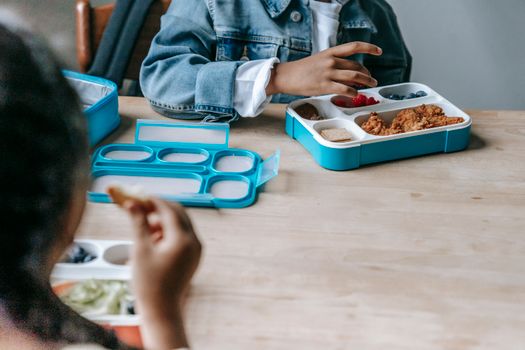 Photo: Katerina Holmes / Pexels
Even with the best intentions, it's easy to fall into common traps when preparing quick lunch ideas for work no microwave. Being aware of these pitfalls can save you from disappointing midday meals and help you consistently pack delicious, satisfying options. Avoiding these mistakes is key to making your no-microwave lunch strategy truly sustainable and enjoyable.
**1. Forgetting About Texture and Crunch:** A common complaint about cold lunches is that they can be uniformly soft or mushy. This leads to a less satisfying eating experience. To combat this, always incorporate elements that provide crunch and textural contrast. Think toasted nuts or seeds (almonds, walnuts, pumpkin seeds), croutons (packed separately), crisp vegetables (cucumbers, bell peppers, radishes), or even a handful of sturdy tortilla chips for a Southwest-inspired bowl. Adding something with a bite makes a huge difference in the overall enjoyment of your meal.
**2. Overlooking Flavor Longevity:** Some ingredients and flavors diminish or change unpleasantly when stored cold. Delicate herbs can lose their potency, and some spices can become muted. Focus on robust flavors that hold up well, such as citrus (lemon, lime), vinegar-based dressings, strong cheeses (feta, sharp cheddar), and hearty spices like cumin or smoked paprika. Fresh herbs are best added right before eating, or opt for more durable ones like parsley or cilantro. Don't be afraid to be generous with seasonings in your base ingredients, as flavors can be less pronounced when cold.
**3. Packing Too Much Liquid or Saucy Items:** This is a primary cause of soggy lunches. Excess liquid from dressings, sauces, or high-water-content vegetables (like tomatoes, if not properly drained) can quickly turn a vibrant salad or wrap into an unappetizing mess. As mentioned, always pack dressings and sauces separately. For ingredients like tomatoes or cucumbers that release a lot of water, consider adding them just before eating, or choose varieties that are firmer. If using a creamy sauce, ensure it's thick enough not to seep into other components.
**4. Neglecting Proper Temperature Control:** Even if you're not reheating, keeping your food at a safe temperature is crucial for both taste and food safety. Without a microwave, you often also lack a refrigerator. An insulated lunch bag with at least one, preferably two, reusable ice packs is essential. Perishable items like dairy, cooked meats, and certain vegetables can spoil quickly if left at room temperature for too long. Plan to keep your lunch cold from the moment you leave home until you're ready to eat. This prevents bacterial growth and ensures your food remains fresh and safe to consume, especially during warmer months. Investing in good thermal containers or a high-quality insulated bag will pay dividends in peace of mind and deliciousness.