Unlocking Powerful Plant Based Protein Sources for Vegans
July 31, 2026 16 min read 3,104 words
Dive into the world of delicious, nutrient-dense plant proteins that will fuel your body and elevate your vegan journey.
Explore Vegan Proteins
Demystifying Vegan Protein: Are Plant Proteins Complete?
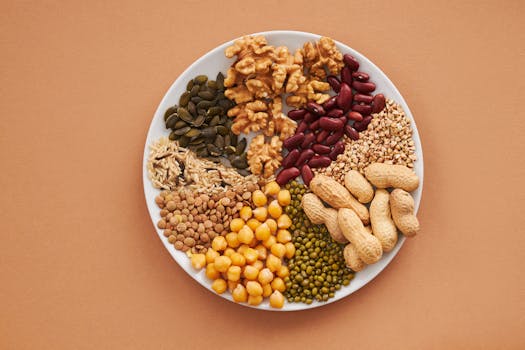 Photo: Vanessa Loring / Pexels
One of the most persistent myths surrounding veganism is the idea that plant proteins are inherently 'incomplete' and that vegans struggle to get enough protein. This notion stems from an outdated understanding of nutritional science. The truth is, almost all plant foods contain all nine essential amino acids, just in varying proportions. The concept of 'complete' vs. 'incomplete' proteins, while once prevalent, has largely been superseded by a more nuanced understanding: the 'amino acid pool' concept. Your body maintains a pool of free amino acids, drawing from it as needed to synthesize proteins. As long as you consume a variety of plant foods throughout the day, your body will readily access all the essential amino acids it requires. You don't need to combine specific plant proteins at every single meal (e.g., rice and beans) to form a 'complete' protein. The key is dietary diversity over the course of a day or even a few days.
Let's delve into what essential amino acids are and why they matter. There are 20 different amino acids that make up the proteins in our bodies. Nine of these are considered 'essential' because our bodies cannot produce them, meaning we must obtain them through our diet. These include histidine, isoleucine, leucine, lysine, methionine, phenylalanine, threonine, tryptophan, and valine. While animal products often contain all these essential amino acids in proportions similar to what humans need, many plant foods also boast a full amino acid profile. Foods like quinoa, soy products (tofu, tempeh, edamame), buckwheat, and amaranth are examples of plant-based complete proteins, meaning they contain all nine essential amino acids in significant amounts in a single serving. However, even if a plant food is slightly lower in one particular essential amino acid, consuming a varied diet ensures that other plant foods will compensate. For instance, grains are often lower in lysine, while legumes are lower in methionine and cysteine. By eating both grains and legumes over the course of a day, you easily meet your needs for all essential amino acids.
The emphasis should shift from worrying about 'completeness' at every meal to ensuring overall dietary variety. Think about the staple diets of many cultures around the world – rice and beans, corn and beans – these combinations naturally provide a full amino acid spectrum over time. The human body is remarkably efficient at recycling and utilizing amino acids. As long as your total caloric intake is sufficient and you're eating a diverse range of whole plant foods, protein deficiency is highly unlikely for healthy vegans. In fact, many plant-based diets are rich in fiber, vitamins, and minerals that are often lacking in typical Western diets, offering a host of additional health benefits. Understanding this fundamental principle is the first step in confidently embracing
plant based protein sources for vegans and dispelling common misconceptions. It empowers you to build meals that are not only delicious but also nutritionally robust, ensuring optimal health and vitality on your vegan journey. This foundational knowledge allows us to move beyond the myth and explore the abundance of protein-rich plant foods available.
Legumes: The Powerhouses of Plant Protein
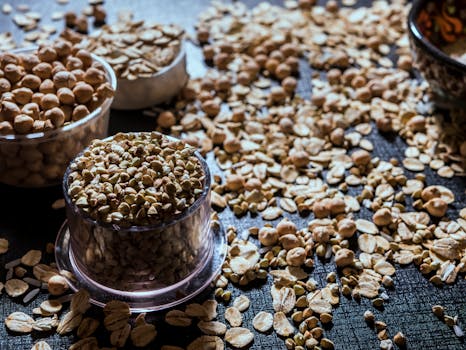 Photo: Mike / Pexels
When we talk about robust plant based protein sources for vegans, legumes inevitably take center stage. This diverse family of plants includes beans, lentils, peas, and peanuts, all offering significant protein content alongside an impressive array of fiber, vitamins, and minerals. They are incredibly versatile, affordable, and form the backbone of many traditional diets around the globe.
**Lentils** are perhaps one of the most celebrated legumes, available in varieties like red, green, brown, and black. A single cup of cooked lentils can provide around 18 grams of protein, making them an excellent choice for stews, soups, curries, and even salads. They cook relatively quickly and absorb flavors beautifully, making them a staple in vegan cooking. Their high fiber content also contributes to satiety and digestive health.
**Beans** come in an astonishing variety, each with its unique texture and flavor profile. Black beans, kidney beans, pinto beans, chickpeas (garbanzo beans), and cannellini beans are just a few examples. A cup of cooked black beans, for instance, offers approximately 15 grams of protein, along with complex carbohydrates, iron, folate, and magnesium. Chickpeas are not only great in hummus but also roasted for a crunchy snack or added to curries and salads. Their versatility is unmatched, from hearty chili to delicate salads.
**Soy products** are derived from soybeans and represent some of the most complete and potent plant protein sources.
* **Tofu**, made from coagulated soy milk, is incredibly versatile. Its neutral flavor allows it to absorb marinades and spices, making it suitable for frying, baking, grilling, or scrambling. A half-cup serving of firm tofu typically contains 10-12 grams of protein. It's also a good source of calcium and iron.
* **Tempeh**, a fermented soybean product, has a firmer texture and a nutty, earthy flavor. Fermentation makes it easier to digest and enhances nutrient absorption. A half-cup serving offers about 15-19 grams of protein, along with probiotics. It's fantastic in stir-fries, sandwiches, or crumbled into sauces.
* **Edamame**, immature soybeans, are delicious steamed and lightly salted, providing about 17 grams of protein per cup (shelled). They make a perfect snack or addition to salads.
Peanuts, botanically a legume, also pack a powerful protein punch, with about 7 grams per quarter cup. Peanut butter is a convenient and tasty way to boost protein intake, provided you choose varieties with minimal added sugar and oils.
Integrating legumes into your daily diet is simple. Add lentils to your pasta sauce, make bean burgers, toss chickpeas into your salads, or enjoy a tofu scramble for breakfast. Their affordability and nutritional density make them indispensable for anyone looking to optimize their plant-based protein intake. They are not just protein sources; they are nutrient powerhouses that contribute significantly to overall health and well-being, providing sustained energy and supporting muscle maintenance and growth. Their versatility ensures that incorporating them into your meals is an enjoyable culinary adventure, opening up a world of flavorful and nourishing dishes.
Grains, Nuts, and Seeds: Diverse Protein Boosters
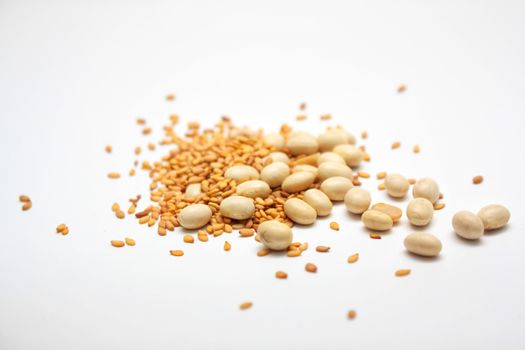 Photo: MOROCCAN PHOTOGRAPHER / Pexels
Beyond legumes, a vast array of grains, nuts, and seeds provide significant amounts of protein, offering diverse textures, flavors, and nutritional profiles that are essential for any vegan diet. These foods are not just protein sources; they are also rich in healthy fats, fiber, vitamins, and minerals, contributing to overall health and satiety.
**Whole Grains** are fundamental to a balanced vegan diet. While often celebrated for their complex carbohydrates and fiber, many whole grains are also excellent protein contributors.
* **Quinoa** stands out as a complete protein, offering all nine essential amino acids. A single cup of cooked quinoa provides about 8 grams of protein, along with iron, magnesium, and phosphorus. Its fluffy texture and mild flavor make it a versatile base for salads, bowls, or as a side dish.
* **Buckwheat**, despite its name, is not wheat but a fruit seed related to rhubarb. Like quinoa, it's a complete protein, offering around 6 grams per cooked cup. It's great in porridges, baked goods, or as 'kasha'.
* **Oats** are a fantastic breakfast staple, with about 5 grams of protein per half-cup dry serving. They are also rich in soluble fiber, which is beneficial for heart health.
* **Brown rice**, while not as protein-dense as quinoa, still contributes about 5 grams per cooked cup, along with important B vitamins.
* **Spelt, farro, and barley** are other ancient grains that offer good protein content (6-8 grams per cooked cup) and add delightful chewiness and flavor to dishes.
**Nuts and Seeds** are concentrated sources of protein, healthy fats, and micronutrients, making them perfect for snacks or meal enhancements.
* **Almonds** provide about 6 grams of protein per ounce (approx. 23 almonds), along with vitamin E and magnesium.
* **Walnuts** offer around 4 grams of protein per ounce and are particularly rich in omega-3 fatty acids.
* **Cashews** contain about 5 grams of protein per ounce and are often used to create creamy vegan sauces due to their soft texture when soaked.
* **Peanuts**, as mentioned before, are technically legumes but are often consumed like nuts, offering a substantial protein boost.
**Seeds** are tiny nutritional powerhouses.
* **Hemp seeds** (hemp hearts) are a complete protein, providing about 10 grams of protein in just three tablespoons, along with an optimal ratio of omega-3 and omega-6 fatty acids. They can be sprinkled on almost anything, from salads to smoothies.
* **Chia seeds** contain about 5 grams of protein per two tablespoons, plus a huge dose of fiber and omega-3s. They absorb liquid and form a gel, making them excellent for puddings or as an egg replacer.
* **Flax seeds** offer about 3 grams of protein per two tablespoons, along with lignans and omega-3s. Grinding them before consumption helps with nutrient absorption.
* **Pumpkin seeds** (pepitas) deliver around 8 grams of protein per quarter-cup, along with zinc and magnesium. They're great roasted or added to granola.
* **Sunflower seeds** provide about 6 grams of protein per quarter-cup and are rich in vitamin E.
Incorporating a variety of these grains, nuts, and seeds into your diet ensures a steady supply of protein and other vital nutrients. From sprinkling seeds on your morning oatmeal to snacking on a handful of almonds, or using quinoa as a base for your lunch, these foods are indispensable
plant based protein sources for vegans. They add texture, flavor, and immense nutritional value, making your vegan diet not only sustainable but incredibly enjoyable and beneficial for your health. Remember, variety is the spice of life and the key to optimal vegan nutrition.
Beyond the Basics: Other Notable Vegan Protein Sources & Tips
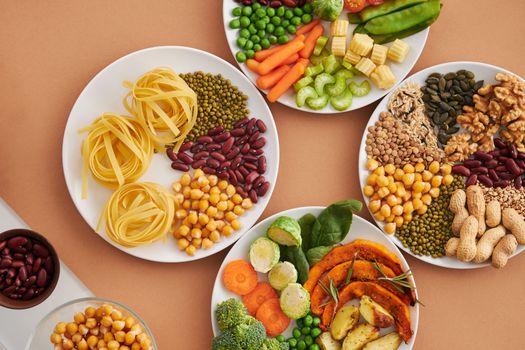 Photo: Vanessa Loring / Pexels
While legumes, grains, nuts, and seeds form the bedrock of a protein-rich vegan diet, there are several other notable plant-based protein sources that deserve recognition, as well as practical tips to maximize your protein intake. Expanding your culinary repertoire to include these options ensures even greater nutritional diversity and keeps your meals exciting.
**Seitan** is a highly concentrated protein source made from wheat gluten. It has a remarkably similar texture to meat, making it a popular choice for 'mock meats' and savory dishes. A 3.5-ounce serving can contain as much as 25 grams of protein, making it one of the highest protein plant foods available. However, it's crucial to note that seitan is not suitable for individuals with gluten sensitivities or celiac disease. For those who can tolerate gluten, it's an excellent ingredient for stir-fries, stews, or grilled preparations.
**Nutritional Yeast** is another fantastic, albeit often overlooked, protein booster. This deactivated yeast, available in flake or powder form, has a cheesy, umami flavor. Beyond adding deliciousness to sauces, popcorn, or scrambled tofu, just two tablespoons provide about 8 grams of protein and a significant amount of B vitamins, including B12 (if fortified), which is crucial for vegans.
**Vegetables** themselves, while not as protein-dense as legumes or grains, contribute significantly to overall protein intake when consumed in sufficient quantities. Dark leafy greens like spinach and kale, broccoli, asparagus, and Brussels sprouts all contain protein. For example, a cup of cooked spinach has about 5 grams of protein, and a cup of cooked broccoli has around 4 grams. When you're eating large portions of vegetables throughout the day, these grams quickly add up.
**Vegan Protein Powders** can be a convenient supplement, especially for athletes or those with higher protein needs. Options derived from pea, rice, hemp, or soy protein are widely available. They can be mixed into smoothies, shakes, or even baked goods to effortlessly increase protein content. Always opt for brands with minimal added sugars and artificial ingredients.
**Tips for Maximizing Vegan Protein Intake:**
* **Combine and Conquer:** While not necessary at every meal, combining different protein sources, like lentils with rice, or nuts with oats, ensures a comprehensive amino acid profile.
* **Prioritize Protein at Each Meal:** Aim to include a significant protein source in every meal, not just dinner. Start your day with a tofu scramble or protein-rich oatmeal.
* **Snack Smart:** Replace empty-calorie snacks with protein-rich options like roasted chickpeas, a handful of almonds, edamame, or an apple with peanut butter.
* **Don't Fear the Volume:** Many plant-based foods are lower in calories and higher in fiber, meaning you might need to eat larger portions to meet your caloric and protein needs. Embrace hearty bowls and generous servings.
* **Experiment with Meat Alternatives:** Beyond tofu and tempeh, explore plant-based sausages, burgers, and deli slices made from pea protein, soy, or seitan. Check their nutritional labels for protein content.
* **Cook in Batches:** Prepare large batches of quinoa, lentils, or beans at the beginning of the week. This makes it easy to add protein to meals throughout busy days.
By integrating these diverse sources and adopting smart eating strategies, maintaining a protein-sufficient vegan diet becomes not just easy, but enjoyable and incredibly nourishing. The abundance of options ensures that your meals are always varied, flavorful, and nutritionally complete, supporting all your health and fitness goals. There's no shortage of delicious
plant based protein sources for vegans.
