Maximize Gains with Plant Based Protein Powder for Muscle Growth
plant based protein powder for muscle gain

Maximize Gains with Plant Based Protein Powder for Muscle Growth

Achieve your fitness goals and build lean muscle effectively with the power of plant-based protein.

Find Your Perfect Powder

Key Takeaways

  • ✓ Plant-based proteins can be just as effective as animal proteins for muscle gain when chosen correctly.
  • ✓ Combining different plant protein sources ensures a complete amino acid profile.
  • ✓ Many plant proteins offer additional benefits like fiber and antioxidants.
  • ✓ Digestibility and absorption rates vary among different plant protein types.

How It Works

1
Understand Your Protein Needs

Calculate your daily protein requirement based on your activity level and muscle-building goals. This ensures you consume enough for optimal synthesis.

2
Choose Complete Plant Proteins

Select plant protein powders that provide all nine essential amino acids. Blends of different sources often achieve this effectively.

3
Incorporate Into Your Diet

Mix your chosen plant protein powder into shakes, smoothies, or even baked goods. Consistency is key for muscle recovery and growth.

4
Combine with Strength Training

Protein powder is a supplement, not a magic bullet. Pair your intake with a consistent, progressive resistance training program for best results.

The Power of Plant-Based Protein for Muscle Development
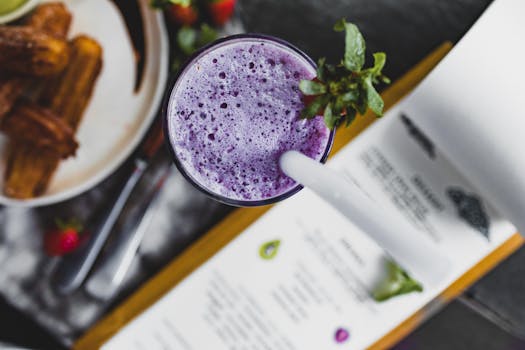
Top view of glass of bright delicious blueberry milkshake with foam and bubbles on surface and drinking tube near churros and menu in restaurant Photo: ROMAN ODINTSOV / Pexels
For years, the narrative around muscle building heavily favored animal-derived proteins like whey, casein, and egg. However, a growing body of scientific evidence, coupled with an increasing number of athletes and fitness enthusiasts embracing plant-based lifestyles, is reshaping this perception. Plant based protein powder for muscle gain is no longer a niche product but a mainstream, highly effective option for anyone looking to build lean muscle mass, improve recovery, and enhance overall athletic performance. The fundamental principle of muscle hypertrophy – the growth of muscle cells – remains the same regardless of protein source: adequate protein intake, particularly essential amino acids (EAAs), combined with progressive resistance training. Where plant proteins once faced skepticism regarding their 'completeness' (i.e., containing all nine essential amino acids), modern plant-based protein powders have largely overcome this challenge through strategic blending of various sources. For instance, a blend of pea protein and rice protein often creates a complete amino acid profile comparable to animal proteins. Pea protein is rich in branched-chain amino acids (BCAAs) like leucine, isoleucine, and valine, crucial for muscle protein synthesis, while rice protein complements its amino acid profile, particularly with methionine and cysteine. This synergy ensures that your body receives all the necessary building blocks to repair muscle tissue damaged during exercise and synthesize new muscle fibers. Beyond just amino acids, plant-based protein powders often come with a host of additional health benefits. They are typically rich in fiber, which aids digestion and promotes gut health, and they often contain a diverse range of vitamins, minerals, and antioxidants not found in animal proteins. These compounds can contribute to overall well-being, reduce inflammation, and support faster recovery, indirectly enhancing your muscle-building journey. Moreover, many individuals find plant proteins easier to digest than dairy-based proteins like whey, reducing issues like bloating or digestive discomfort, which can be a significant advantage for consistent intake. The sustainability aspect is another compelling factor. The production of plant-based proteins generally has a lower environmental footprint compared to animal agriculture, aligning with a more eco-conscious lifestyle without compromising fitness goals. Understanding the science behind how plant proteins support muscle growth is the first step towards incorporating them effectively. It's not just about consuming protein; it's about consuming the right kind and amount of protein to signal muscle protein synthesis and facilitate recovery. The misconception that plant proteins are inherently inferior for muscle building is outdated. With careful selection and consistent application, plant based protein powder for muscle gain stands as a powerful tool in any athlete's arsenal. Learn more about optimizing your protein intake for fitness.

Choosing the Best Plant Based Protein Powder for Your Goals
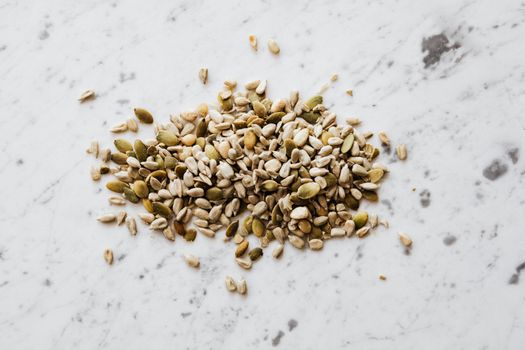
From above of oval shaped dried pumpkin seeds with green and gray shell spilled on marble surface with spots Photo: www.kaboompics.com / Pexels
Navigating the vast array of plant based protein powders can feel overwhelming, but understanding the key differences between types and what to look for will empower you to make the best choice for your muscle gain objectives. The 'best' powder isn't a one-size-fits-all answer; it depends on your dietary preferences, digestive sensitivities, and specific amino acid requirements. Let's break down the most popular options: * **Pea Protein:** Derived from yellow split peas, pea protein is one of the most popular plant-based options. It's rich in BCAAs, particularly leucine, which is critical for initiating muscle protein synthesis. It's also highly digestible and generally well-tolerated, making it a great choice for many. Pea protein is naturally free from common allergens like dairy, soy, and gluten. * **Rice Protein:** Often paired with pea protein to create a complete amino acid profile, brown rice protein offers a good source of protein, though it can be slightly lower in lysine. When combined with pea protein, it provides a balanced and effective blend for muscle building. * **Soy Protein:** One of the few plant proteins that is naturally a complete protein on its own, soy protein has been a staple in the plant-based community for decades. While effective for muscle gain, some individuals prefer to avoid soy due to potential allergen concerns or personal dietary choices. Ensure you choose non-GMO soy protein if opting for this source. * **Hemp Protein:** Made from hemp seeds, this protein powder is not only a good source of protein but also provides beneficial omega-3 and omega-6 fatty acids, along with fiber. While it has a good amino acid profile, it's not considered a complete protein on its own and typically offers a slightly lower protein content per serving compared to pea or rice protein. It has a distinct earthy flavor that some enjoy. * **Pumpkin Seed Protein:** A less common but excellent option, pumpkin seed protein is rich in protein, magnesium, zinc, and antioxidants. It has a pleasant, mild flavor and is often found in blends. It's a good source of essential fatty acids and provides a decent amino acid profile, though often combined with others for completeness. * **Blended Plant Proteins:** These are often the most effective and popular choices for muscle gain. By combining two or more plant protein sources (e.g., pea and rice, or pea, rice, and hemp), manufacturers can create a complete amino acid profile that rivals whey protein in its ability to support muscle protein synthesis. These blends also offer a broader spectrum of nutrients and often improve the texture and flavor compared to single-source powders. When evaluating powders, always check the **amino acid profile** on the label. Look for products that explicitly state they contain all nine essential amino acids, or that are formulated as a complete protein blend. Consider the **protein content per serving**; ideally, you want at least 20-25 grams of protein per scoop. Pay attention to **added ingredients** – some powders contain artificial sweeteners, fillers, or gums that you might prefer to avoid. Opt for products with minimal, natural ingredients. Finally, **flavor and mixability** are practical considerations. Read reviews or try small samples if possible to find a flavor and texture you enjoy, as consistent consumption is key to achieving your muscle-building goals.

Optimizing Your Intake: When and How to Use Plant Based Protein Powder
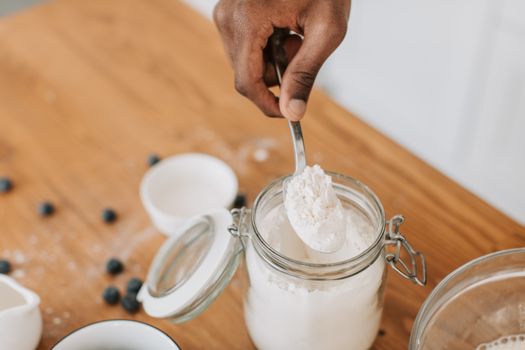
A person scooping flour from a glass jar on a wooden table surrounded by blueberries. Photo: Vlada Karpovich / Pexels
Integrating plant based protein powder for muscle gain into your daily routine is straightforward, but optimizing *when* and *how* you consume it can significantly impact its effectiveness. Timing and consistency are crucial for maximizing muscle protein synthesis and recovery. For muscle gain, the general recommendation for protein intake is around 1.6 to 2.2 grams of protein per kilogram of body weight per day, distributed throughout your meals and snacks. Plant protein powders serve as an excellent, convenient way to help meet these higher protein requirements, especially for those with active lifestyles or specific dietary needs. **When to Consume:** * **Post-Workout:** This is arguably the most critical window. After a strenuous workout, your muscles are primed for repair and growth. Consuming 20-40 grams of plant protein powder within 30-60 minutes post-exercise provides the essential amino acids needed to kickstart muscle protein synthesis and replenish glycogen stores. Pairing it with a source of carbohydrates (like a banana or oats) can further enhance recovery. * **Between Meals:** If you find it challenging to get enough protein from whole foods alone, a protein shake between meals can help you reach your daily targets. This also helps maintain a positive nitrogen balance, preventing muscle breakdown. * **Before Bed:** A slower-digesting protein source before bed can provide a steady supply of amino acids to your muscles throughout the night, aiding in overnight recovery and growth. While casein is traditionally used here, certain plant protein blends (like those with pea and brown rice) can also offer a sustained release, especially if combined with healthy fats. * **Breakfast Boost:** Adding plant protein powder to your morning smoothie or oatmeal can help stabilize blood sugar, keep you feeling full, and kickstart your protein intake for the day, setting a good foundation for muscle building. **How to Incorporate:** * **Shakes and Smoothies:** This is the most common and easiest method. Blend your plant protein powder with water, plant milk (almond, soy, oat), fruits, vegetables, and healthy fats (chia seeds, avocado) for a nutrient-dense meal or snack. * **Oatmeal or Cereal:** Stir a scoop of unflavored or lightly flavored protein powder into your morning oatmeal, overnight oats, or cold cereal for an added protein punch. * **Baking:** Experiment with adding protein powder to pancakes, muffins, energy bars, or even cookies. Be mindful that heating can sometimes alter the texture or flavor of the protein, so start with smaller amounts. * **Yogurt or Pudding:** Mix it into plant-based yogurts or homemade puddings for a creamy, protein-rich treat. Remember, consistency is paramount. Regular intake of sufficient protein, combined with a well-structured resistance training program, is what drives muscle gain. Don't rely solely on protein powder; it's meant to supplement a balanced diet rich in whole, unprocessed foods. Explore more high-protein plant-based meal ideas.

Common Mistakes to Avoid When Using Plant Based Protein for Muscle Gain

Black and white photo of a muscular man weightlifting indoors, showing strength and determination. Photo: BİLAL KARADAĞ / Pexels
While plant based protein powder for muscle gain offers incredible benefits, certain pitfalls can hinder your progress. Being aware of these common mistakes can help you optimize your approach and ensure you're getting the most out of your supplements. * **Underestimating Protein Needs:** Many individuals, especially those new to plant-based diets or intense training, underestimate their actual protein requirements. For muscle gain, the 1.6-2.2g/kg body weight range is crucial. Simply adding a scoop here and there without tracking total intake can lead to insufficient protein for optimal muscle protein synthesis. * **Ignoring Complete Protein Profiles:** As discussed, not all single-source plant proteins are 'complete' on their own. Relying solely on a single, incomplete plant protein source for a significant portion of your protein intake can lead to deficiencies in certain essential amino acids over time. Opt for blended plant proteins or ensure you're consuming a variety of plant protein sources throughout the day to achieve a complete amino acid profile. * **Over-reliance on Powder:** Protein powder is a supplement, not a meal replacement for all your protein needs. Neglecting whole food sources of protein (legumes, tofu, tempeh, nuts, seeds, whole grains) in favor of excessive powder intake can lead to missing out on vital micronutrients, fiber, and beneficial plant compounds found in whole foods. A balanced diet should always be the foundation. * **Poor Timing:** While total daily protein intake is most important, strategic timing can enhance results. Skipping post-workout protein, for instance, misses a prime opportunity to kickstart muscle repair. Conversely, consuming too much protein at once can be less efficient than spreading it out throughout the day. * **Ignoring Caloric Intake:** Muscle gain requires a caloric surplus. If you're consuming enough protein but not enough overall calories, your body may use protein for energy instead of muscle building. Ensure your diet provides adequate energy to support your training and growth. * **Neglecting Other Nutrients:** Muscle building isn't just about protein. Adequate carbohydrates are essential for energy during workouts and replenishing glycogen stores. Healthy fats are crucial for hormone production and overall health. A holistic approach to nutrition is vital. * **Choosing Low-Quality Products:** Not all plant protein powders are created equal. Some may contain unnecessary fillers, artificial sweeteners, or heavy metals. Always research brands, read labels, and opt for third-party tested products to ensure purity and quality. * **Inconsistency:** Muscle growth is a marathon, not a sprint. Sporadic protein intake or inconsistent training will yield suboptimal results. Consistency in both your diet and exercise regimen is the most powerful tool for achieving sustainable muscle gain. By avoiding these common mistakes, you can maximize the effectiveness of plant based protein powder for muscle gain and accelerate your progress towards a stronger, more muscular physique.

Comparison

FeatureBest Option (Blended Plant Protein)Alternative 1 (Pea Protein Isolate)Alternative 2 (Soy Protein Isolate)
Complete Amino Acid Profile✗ (often needs complementing)
DigestibilityExcellentExcellentGood (potential allergens)
BCAA ContentHighHighGood
Fiber ContentGoodLowLow
Allergen-FriendlyOften (check ingredients)Yes (dairy, soy, gluten-free)No (soy allergen)
Taste/TextureVersatile, smoothMild, slightly earthyNeutral
Cost per ServingModerate-HighModerateLow-Moderate

What Readers Say

"I switched to a plant based protein powder for muscle gain a few months ago, and I'm genuinely impressed. My digestion feels much better than with whey, and I've continued to make consistent strength gains in the gym. This blend is a game-changer!"

Alex R. · Austin, TX

"As a vegan athlete, finding a complete protein that tastes great was tough. This plant-based powder mixes perfectly into my post-workout smoothies and I've noticed faster recovery times. Highly recommend for anyone serious about muscle building on plants."

Jordan P. · Denver, CO

"I've gained 5 pounds of lean muscle since incorporating this plant based protein powder for muscle gain into my routine. My energy levels are up, and I feel fantastic. It's proof you don't need animal products to get strong."

Maria K. · Miami, FL

"The plant protein powder is effective for muscle gain and doesn't cause bloating like my previous whey protein. The texture took a little getting used to, but the results speak for themselves. Definitely a solid choice."

Chris L. · Seattle, WA

"My nutritionist recommended a plant based protein powder for muscle gain to help with my endurance training. Not only has it helped with recovery, but I've seen noticeable improvement in my muscle definition. It's become a staple in my diet."

Samantha B. · Chicago, IL

Frequently Asked Questions

Is plant based protein powder for muscle gain as effective as whey protein?

Yes, when chosen correctly, plant-based protein powders can be just as effective as whey for muscle gain. The key is to select a powder or blend that provides a complete amino acid profile, meaning it contains all nine essential amino acids. Many modern plant protein blends (like pea and rice protein) are specifically formulated to rival the amino acid completeness of whey, providing ample BCAAs for muscle protein synthesis.

Will I get enough BCAAs from plant protein for muscle growth?

Absolutely. Many plant protein sources, particularly pea protein, are naturally rich in branched-chain amino acids (BCAAs) like leucine, isoleucine, and valine, which are critical for initiating muscle protein synthesis. Blended plant proteins further ensure a robust BCAA profile, supporting optimal muscle growth and repair.

How do I choose the right plant based protein powder for my needs?

When choosing, look for products that explicitly state they are 'complete protein' or are a blend of multiple plant sources (e.g., pea and rice) to ensure a full amino acid profile. Check the protein content per serving (aim for 20-25g+), review the ingredient list for minimal fillers or artificial additives, and consider your dietary sensitivities (e.g., soy-free, gluten-free options).

Are plant based protein powders more expensive than animal-based options?

The cost can vary significantly depending on the brand, ingredients, and certifications (e.g., organic, non-GMO). While some premium plant-based powders might be slightly more expensive per serving than basic whey, many are competitively priced, especially when considering the added nutritional benefits like fiber and specific micronutrients.

What is the best type of plant protein for muscle gain?

For optimal muscle gain, a **blended plant protein powder** (e.g., pea and brown rice protein blend) is often considered the best. This combination typically provides a complete amino acid profile, including high levels of BCAAs, making it highly effective for muscle protein synthesis and recovery. Single-source options like pea protein isolate are also excellent, but blends ensure comprehensive amino acid coverage.

Who should consider using plant based protein powder for muscle gain?

Anyone looking to build muscle can benefit, especially those following a vegan or vegetarian diet, individuals with dairy allergies or intolerances, those seeking a more sustainable protein source, or anyone experiencing digestive issues with animal-based proteins. It's a versatile option for all fitness levels.

Are there any side effects to using plant based protein powders?

Generally, plant-based protein powders are well-tolerated. Some individuals might experience mild digestive discomfort (bloating, gas) initially, especially if the powder contains certain gums or fibers, but this often subsides as the body adjusts. Always check the ingredient list for potential allergens like soy or specific nuts, if applicable.

What are the future trends for plant based protein powder in the fitness industry?

Future trends point towards greater innovation in flavor profiles, improved texture, and the introduction of novel plant protein sources (e.g., fava bean, sacha inchi). Expect to see more functional blends incorporating adaptogens, probiotics, and greens, further enhancing their health benefits beyond just muscle gain, catering to a holistic wellness approach.

Ready to unlock your full potential and build lean muscle with a conscious choice? Explore the world of plant based protein powder for muscle gain today and transform your fitness journey with sustainable, effective nutrition. Your muscles, and the planet, will thank you.

Topics: plant based protein powder for muscle gainvegan protein muscle buildingbest plant protein powdercomplete plant proteinsplant-based fitness nutrition
Leo List
Brampton weed
Adultwork EstrelaBet Vai de Bet R7 Bet Betão Galera Bet Rainbet Bet9ja Shop SportyBet BetKing Sisal Loto Foot Hollywoodbets YesPlay Odibets RushBet Jugabet BetWarrior BetCity MSport betPawa Fortebet