Smart Meal Prep Ideas for Weight Loss: Your Ultimate Guide
meal prep ideas for weight loss

Smart Meal Prep Ideas for Weight Loss: Your Ultimate Guide

Transform your health and achieve sustainable weight loss with these practical, delicious meal prep strategies.

Start Prepping Now

Key Takeaways

  • ✓ Meal prepping can save 5-10 hours weekly and significantly reduce food waste.
  • ✓ Individuals who meal prep regularly consume fewer calories and more fruits/vegetables.
  • ✓ Effective meal prep focuses on lean protein, complex carbohydrates, and healthy fats.
  • ✓ Portion control is a cornerstone of weight loss meal prep, preventing overeating.

How It Works

1
Plan Your Week

Dedicate time to choose recipes, create a grocery list, and allocate specific prep days. This foundational step ensures efficiency and adherence to your plan.

2
Shop Smart

Stick strictly to your grocery list to avoid impulse buys and ensure you have all necessary ingredients. Focus on whole, unprocessed foods for optimal nutrition.

3
Prep in Batches

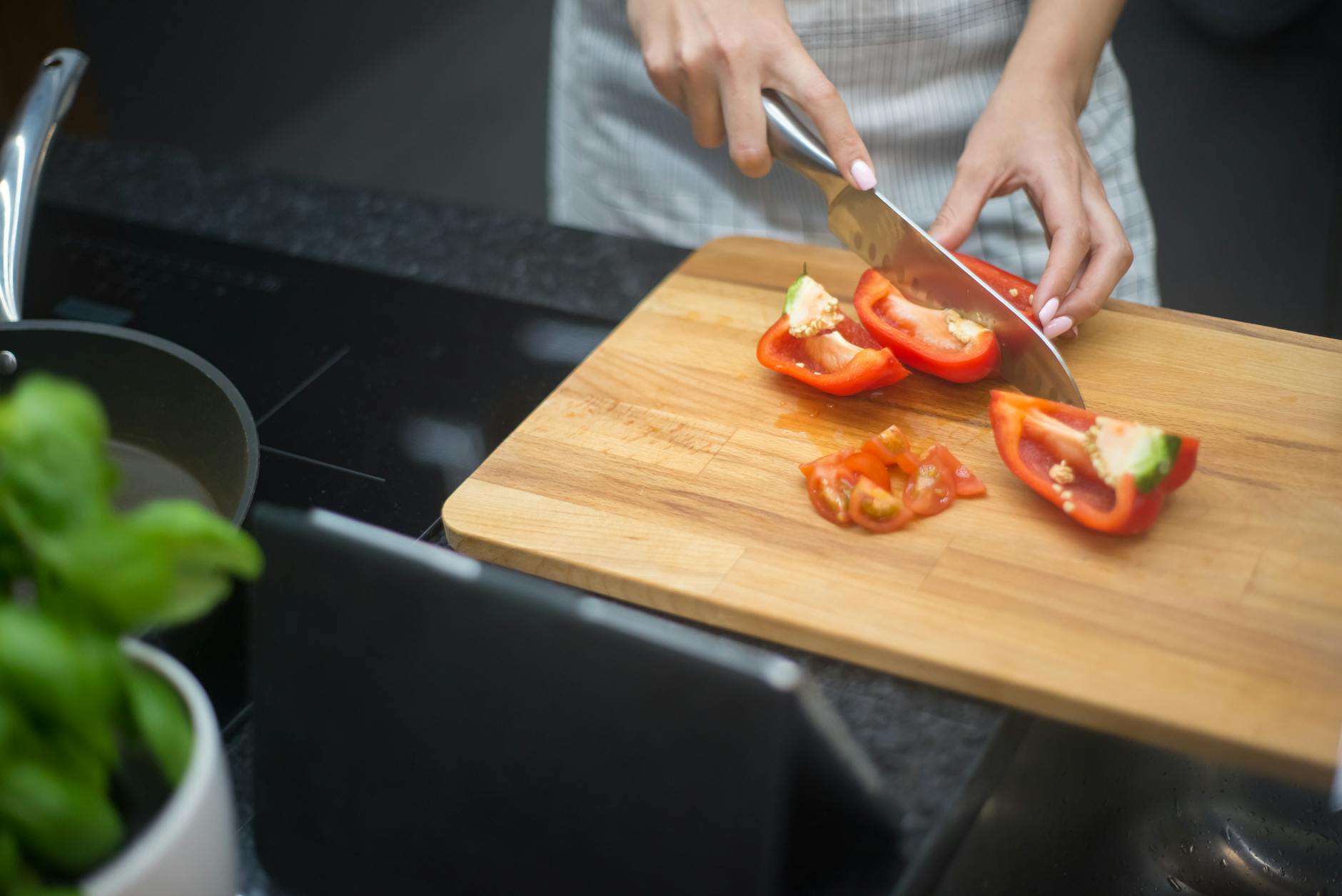
Wash and chop vegetables, cook grains, and prepare proteins in larger quantities. This minimizes daily cooking time and makes assembling meals quick and easy.

4
Portion & Store

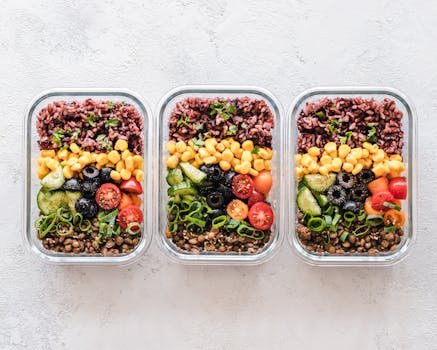
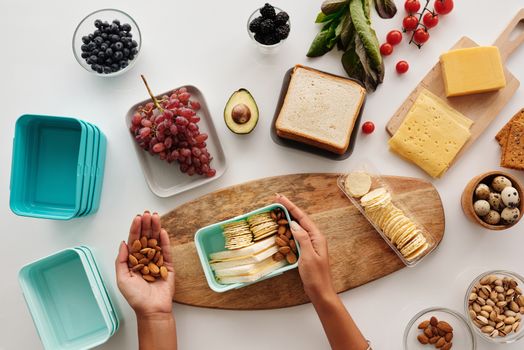
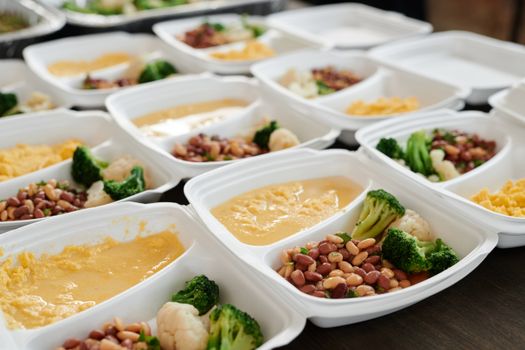
Divide prepared food into individual, pre-portioned containers suitable for refrigeration or freezing. Proper storage maintains freshness and prevents spoilage, ready for grab-and-go meals.

The Power of Planning: Why Meal Prep is Your Weight Loss Ally

Open kitchen drawer showcasing organized utensils including a whisk and scoop. Photo: Castorly Stock / Pexels
Embarking on a weight loss journey often feels like an uphill battle, fraught with temptations, time constraints, and the sheer effort of making healthy choices day in and day out. This is precisely where the strategic advantage of meal prepping comes into play. Far beyond just cooking ahead, meal prepping is a comprehensive system that empowers you to take control of your nutrition, manage your portions, and consistently fuel your body with wholesome foods tailored to your weight loss goals. It's not merely about convenience; it's about building sustainable habits that lead to lasting results. At its core, meal prepping eliminates decision fatigue, that draining mental state where you're constantly weighing food options, often defaulting to less healthy, quick fixes when hunger strikes. By having pre-planned, pre-cooked, and pre-portioned meals ready to go, you bypass the drive-thru, resist the urge for unhealthy snacks, and ensure every bite contributes positively to your objective. This proactive approach significantly reduces the likelihood of emotional eating or making poor food choices under pressure. Think of it as setting yourself up for success before the week even begins. Consider the financial aspect: eating out frequently, even for seemingly 'healthy' options, quickly adds up. Meal prepping, conversely, allows you to buy ingredients in bulk, utilize sales, and cook at home, leading to substantial savings. These savings can then be reinvested into higher-quality ingredients or other aspects of your health journey, such as a gym membership or fitness gear. Moreover, by controlling ingredients, you avoid hidden sugars, excessive sodium, and unhealthy fats often found in restaurant or pre-packaged foods, which are detrimental to weight loss. From a nutritional standpoint, meal prepping encourages a focus on whole, unprocessed foods. You become more aware of what goes into your body, fostering a deeper understanding of macro and micronutrients. This awareness is crucial for weight loss, as it shifts the focus from simple calorie restriction to nutrient density. You learn to prioritize lean proteins, complex carbohydrates, and healthy fats, which are essential for satiety, energy, and overall well-being. For example, prepping a batch of quinoa or brown rice for the week means you always have a fiber-rich carbohydrate source on hand, preventing reliance on refined grains. Similarly, preparing a large batch of grilled chicken or baked salmon ensures you have a consistent source of protein to support muscle mass and keep you feeling full. This structured approach to eating helps regulate blood sugar levels, reducing cravings and energy crashes throughout the day. Meal prepping also serves as an excellent tool for portion control. One of the biggest challenges in weight loss is accurately gauging appropriate serving sizes. When you prep, you can weigh and measure your food once, then divide it into individual containers. This eliminates the guesswork at mealtime, ensuring you consume the right amount of calories and nutrients without overeating. This mindful approach to portioning is a game-changer for those struggling to manage their intake. For further insights into healthy eating, explore our guide on nutritious eating habits. Ultimately, meal prepping is not a restrictive diet; it's a lifestyle adjustment that promotes intentional eating, saves time and money, and provides a clear pathway to achieving your weight loss goals. It transforms the often-daunting task of healthy eating into an organized, manageable, and even enjoyable routine.

Foundational Principles: Crafting Your Weight Loss Meal Prep Strategy

Colorful fresh vegetables including tomatoes and cucumbers on a kitchen scale for healthy eating. Photo: Gustavo Fring / Pexels
To truly harness the power of meal prepping for weight loss, it's crucial to establish a solid foundation built on key nutritional principles and practical strategies. This isn't just about cooking ahead; it's about intelligent planning that optimizes every meal for satiety, energy, and fat loss. Understanding these principles will guide your recipe selection, grocery shopping, and cooking methods, ensuring your efforts yield maximum results. **1. Prioritize Protein:** Protein is your best friend when it comes to weight loss. It's highly satiating, meaning it keeps you feeling fuller for longer, which helps reduce overall calorie intake. Furthermore, protein has a higher thermic effect of food (TEF) compared to carbohydrates and fats, meaning your body burns more calories digesting it. Aim for a lean protein source in every meal. Excellent options for meal prep include grilled chicken breast, baked salmon, lean ground turkey, hard-boiled eggs, cottage cheese, Greek yogurt, lentils, and beans. Cooking a large batch of one or two protein sources at the beginning of the week can streamline your prep significantly. **2. Embrace Complex Carbohydrates:** While often demonized in some diets, complex carbohydrates are vital for sustained energy and fiber intake, which aids digestion and promotes satiety. Unlike refined carbs that cause rapid blood sugar spikes and crashes, complex carbs provide a steady release of energy. Integrate sources like quinoa, brown rice, whole-wheat pasta, oats, sweet potatoes, and various root vegetables into your meal plan. Batch cooking grains like quinoa or brown rice means you can quickly add them to salads, bowls, or as a side to your protein. **3. Don't Fear Healthy Fats:** Healthy fats are essential for hormone production, nutrient absorption, and also contribute to satiety. Incorporate sources like avocados, nuts, seeds (chia, flax, hemp), olive oil, and fatty fish (salmon, mackerel). While crucial, remember that fats are calorie-dense, so portion control is key. A small handful of nuts or a drizzle of olive oil goes a long way. These fats can be added at the time of eating to maintain freshness, or incorporated into dressings and sauces. **4. Load Up on Non-Starchy Vegetables:** Vegetables are a cornerstone of any weight loss diet due to their high fiber content, low calorie density, and abundance of vitamins and minerals. They add volume to your meals without adding excessive calories, helping you feel full and satisfied. Focus on non-starchy varieties like broccoli, spinach, kale, bell peppers, zucchini, green beans, asparagus, and cauliflower. These can be roasted, steamed, or stir-fried in large batches and easily added to any meal. Having pre-chopped veggies on hand makes throwing together a quick salad or stir-fry effortless. **5. Master Portion Control:** This is perhaps the most critical aspect of weight loss meal prep. Even with healthy ingredients, overconsumption will hinder progress. Utilize food scales, measuring cups, and portioned containers to accurately measure out your meals. This removes the guesswork and ensures you're consistently eating within your caloric goals. Many meal prep containers come with compartments, making it easy to separate and portion different food groups. **6. Flavor Without Excess:** Healthy eating doesn't have to be bland. Use herbs, spices, lemon juice, vinegars, and low-sodium broths to add flavor without piling on extra calories, sugar, or sodium. Prepare healthy dressings and sauces separately to add just before eating, which prevents salads from getting soggy and allows for better portion control of caloric condiments. Experiment with different flavor profiles to keep your meals exciting and prevent palate fatigue. By diligently applying these foundational principles, you'll create a robust and effective meal prep strategy that supports sustainable weight loss, boosts your energy levels, and simplifies healthy eating for the long haul.

Delicious & Diverse Meal Prep Ideas for Weight Loss Success

A variety of Asian and Italian dishes presented beautifully on a wooden table, showcasing diverse flavors. Photo: Kritsana (Kid) Takhai / Pexels
Now that you understand the foundational principles, let's dive into practical, delicious meal prep ideas that will keep your taste buds happy and your weight loss journey on track. Variety is key to long-term adherence, so these suggestions offer flexibility and different flavor profiles to prevent boredom. Remember, these are starting points – feel free to adapt them to your preferences and dietary needs. **Breakfast Ideas:** * **Overnight Oats with Berries and Nuts:** Combine rolled oats, unsweetened almond milk, chia seeds, and a scoop of protein powder in a jar. Top with fresh berries and a small sprinkle of nuts or seeds before serving. Prepare 3-4 jars on Sunday night for quick weekday breakfasts. * **Egg Muffin Cups:** Whisk eggs with chopped bell peppers, spinach, onions, and a dash of low-fat cheese. Pour into greased muffin tins and bake until set. These are excellent for grab-and-go protein-packed mornings. They can be stored in the fridge for up to 4 days. * **Greek Yogurt Parfaits:** Layer plain Greek yogurt (high in protein) with a sprinkle of low-sugar granola and a generous portion of mixed berries. Keep the granola separate until serving to maintain crunch. This is quick to assemble and highly customizable. **Lunch Ideas:** * **Deconstructed Buddha Bowls:** Prepare large batches of roasted vegetables (broccoli, sweet potatoes, bell peppers), cooked quinoa or brown rice, and a lean protein like grilled chicken or baked tofu. Store components separately. Each day, assemble your bowl with a base of greens, a scoop of grain, protein, veggies, and a drizzle of homemade vinaigrette. This allows for endless combinations and keeps ingredients fresh. * **Mason Jar Salads:** Layer dressing at the bottom, followed by hard vegetables (carrots, cucumbers), grains, protein (chickpeas, chicken), and finally leafy greens on top. When ready to eat, simply shake and pour into a bowl. These are visually appealing and prevent sogginess. Explore more creative salad ideas for inspiration. * **Lean Ground Turkey & Veggie Skillet:** Cook lean ground turkey with a medley of chopped vegetables (zucchini, mushrooms, onions, bell peppers) and your favorite spices. Portion into containers with a small side of cauliflower rice or a whole-wheat tortilla for a quick wrap. This is hearty, flavorful, and incredibly versatile. **Dinner Ideas:** * **Baked Salmon with Asparagus and Quinoa:** Bake several salmon fillets with lemon and herbs. Roast asparagus spears alongside. Serve with pre-cooked quinoa. This is a classic healthy meal, rich in omega-3s and lean protein. Store salmon and asparagus separately from quinoa if possible to maintain texture. * **Chicken and Veggie Stir-Fry:** Slice chicken breast and a variety of vegetables (broccoli, snap peas, carrots, bell peppers). Prepare a light stir-fry sauce with low-sodium soy sauce, ginger, garlic, and a touch of honey. Cook in batches and serve with brown rice or cauliflower rice. This reheats well and offers a burst of flavor. * **Lentil Soup or Chili:** A large pot of lentil soup or vegetarian chili can provide several nutritious and filling dinners. Packed with fiber and plant-based protein, these options are budget-friendly and freeze exceptionally well. Portion into individual containers for easy reheating. **Snack Ideas:** * **Pre-portioned Nuts and Seeds:** Divide a larger bag into small snack bags or containers. * **Cut Veggies with Hummus:** Carrot sticks, cucumber slices, and bell pepper strips with a serving of hummus. * **Apple Slices with Peanut Butter:** Portion out a tablespoon of natural peanut butter. * **Hard-Boiled Eggs:** A quick and easy protein boost. Remember to invest in quality, airtight containers to keep your food fresh and prevent leaks. Experiment with different spices and herbs to keep your meals exciting. By incorporating these diverse meal prep ideas, you'll find that eating healthy for weight loss can be both enjoyable and sustainable.

Essential Tips & Common Mistakes in Weight Loss Meal Prep

Mastering meal prep for weight loss goes beyond just cooking; it involves smart strategies and avoiding common pitfalls. Here are essential tips to optimize your routine and crucial mistakes to sidestep, ensuring your efforts lead to consistent progress. **Essential Tips for Success:** * **Start Small:** Don't try to prep every single meal for the entire week on your first try. Begin by prepping lunches for 3 days, or just one meal type (e.g., all breakfasts). Gradually increase as you get more comfortable and efficient. This prevents burnout and makes the process less daunting. * **Invest in Quality Containers:** Airtight, BPA-free, microwave-safe, and freezer-friendly containers are a game-changer. Glass containers are excellent for reheating and durability, while plastic can be lighter for portability. Proper storage is crucial for food safety and freshness. * **Master Batch Cooking Basics:** Learn to cook staples in bulk. This includes cooking large quantities of grains (quinoa, brown rice), roasting a sheet pan full of vegetables, and preparing a substantial amount of lean protein (chicken breast, ground turkey). These building blocks make assembling varied meals quick and easy throughout the week. * **Prioritize Food Safety:** Always cool hot food quickly before refrigerating (within 2 hours). Store raw meats separately from cooked foods. Know the safe storage times for different foods (e.g., cooked chicken lasts 3-4 days in the fridge, most cooked grains 4-5 days). When in doubt, freeze it or discard it. * **Keep it Exciting with Seasonings:** Healthy food doesn't have to be bland. Stock your pantry with a variety of herbs, spices, low-sodium sauces, and vinegars. Experiment with different flavor profiles (e.g., Asian, Mediterranean, Mexican) to prevent taste fatigue. Fresh herbs added just before serving can also elevate a meal. * **Plan for Snacks:** Don't forget to prep healthy snacks. Portion out nuts, cut up vegetables, or prepare small containers of Greek yogurt. Having healthy snacks readily available prevents reaching for unhealthy options when hunger strikes between meals. **Common Mistakes to Avoid:** * **Overcooking or Under-Seasoning:** Bland or poorly cooked food leads to dissatisfaction and makes it harder to stick to your plan. Pay attention to cooking times and be generous with herbs and spices. * **Lack of Variety:** Eating the same meal every day can lead to boredom and eventual abandonment of meal prep. Plan for 2-3 different meal options per week for each meal type to keep things interesting. * **Ignoring Food Safety:** Improper cooling or storage can lead to foodborne illness, which is a major setback. Always follow safe food handling practices. * **Making it Too Complicated:** Starting with overly intricate recipes can be overwhelming. Begin with simple, straightforward meals and gradually add complexity as your skills and confidence grow. * **Not Accounting for All Meals:** Remember to plan for breakfast, lunch, dinner, and snacks. Missing a meal category can lead to unplanned, less healthy food choices. * **Relying Solely on Recipes:** While recipes are great, learn to build meals based on components (protein + carb + veggie + healthy fat). This offers more flexibility and makes use of what you have on hand, reducing food waste.

Comparison

FeatureBest OptionAlternative 1Alternative 2
Container TypeGlass ContainersBPA-Free PlasticSilicone Containers
Meal Duration3-4 Day Prep5-7 Day Prep (Freezing)Daily Fresh Prep
Protein SourceChicken BreastLentils/BeansSalmon
Carb SourceQuinoaBrown RiceSweet Potato
Flavor BoostHerbs & SpicesLemon/LimeLow-Sodium Sauces

What Readers Say

"These meal prep ideas for weight loss have been a lifesaver! I used to struggle with unhealthy lunch choices, but now I have delicious, pre-portioned meals ready. I've lost 8 pounds in a month without feeling deprived."

Sarah J. · Austin, TX

"I was skeptical about meal prepping, but this guide made it so easy to start. The diverse ideas keep my meals exciting, and I've noticed a huge difference in my energy levels and waistline."

Mark D. · Chicago, IL

"Following these meal prep strategies, I've successfully lost 15 pounds in two months! The portion control tips were especially helpful, and I love having healthy options always at hand."

Jessica L. · Miami, FL

"Great comprehensive guide. Some recipes take a bit longer than I expected on prep day, but the convenience throughout the week is undeniable. Definitely helps me stay on track with my weight loss."

David R. · Seattle, WA

"As a busy mom, I thought meal prepping was impossible. But the 'start small' advice here got me going. Now my whole family benefits from healthier meals, and I'm seeing real weight loss progress."

Emily H. · Denver, CO

Frequently Asked Questions

What are the best meal prep ideas for weight loss for beginners?

For beginners, start with simple recipes like overnight oats for breakfast, mason jar salads for lunch, and baked chicken with roasted vegetables and quinoa for dinner. Focus on batch cooking one protein, one complex carb, and one or two types of vegetables to keep it manageable and build confidence.

Will I get bored eating the same meal prep ideas for weight loss every day?

Not if you plan for variety! To avoid boredom, aim to prep 2-3 different recipes for each meal type per week. You can also vary seasonings, sauces, and healthy fats daily to change up the flavor profile of staple ingredients like chicken and rice.

How long do meal prepped meals last in the fridge?

Most cooked meal prepped meals, when stored properly in airtight containers, will last 3-4 days in the refrigerator. Some items, like cooked grains or hardier vegetables, can last up to 5 days. Freezing is an excellent option for extending shelf life beyond 4 days.

Is meal prepping for weight loss expensive?

On the contrary, meal prepping is often more cost-effective than eating out or buying pre-made meals. You can save money by buying ingredients in bulk, utilizing sales, and reducing food waste. The initial investment in containers is offset by long-term savings.

How does meal prepping compare to diet delivery services for weight loss?

Meal prepping offers greater control over ingredients, portion sizes, and cost compared to diet delivery services. While delivery services are convenient, they can be significantly more expensive and may not always align with your exact dietary preferences or macros. Meal prepping empowers you with autonomy.

Who should consider using meal prep ideas for weight loss?

Anyone looking to lose weight, improve their diet, save time, or reduce food expenses can benefit from meal prepping. It's particularly useful for busy individuals, those who struggle with impulse eating, or anyone wanting to gain better control over their nutrition and portion sizes.

Are there any risks associated with meal prepping for weight loss?

The primary risk is food spoilage if meals are not stored or handled safely. Always ensure food is cooked to the correct temperature, cooled rapidly, and stored in airtight containers at proper refrigeration temperatures. Avoid leaving prepped meals at room temperature for extended periods.

What are the future trends in meal prep for weight loss?

Future trends include more emphasis on plant-based meal prep, personalized nutrition plans integrated with tech, and innovative food preservation techniques. Expect to see more focus on sustainable sourcing, diverse global flavors, and 'smart' kitchen appliances to further streamline the prepping process.

Ready to transform your weight loss journey? Embrace these meal prep ideas for weight loss, take control of your nutrition, and discover the joy of consistent, healthy eating. Start planning your delicious path to a healthier you today!

Topics: meal prep ideas for weight losshealthy meal prep recipesweight loss meal planningeasy healthy mealslose weight by meal prepping
Leo List
Brampton weed
Adultwork EstrelaBet Vai de Bet R7 Bet Betão Galera Bet Rainbet Bet9ja Shop SportyBet BetKing Sisal Loto Foot Hollywoodbets YesPlay Odibets RushBet Jugabet BetWarrior BetCity MSport betPawa Fortebet