Meal Prep Containers Glass vs Plastic: The Ultimate Guide
meal prep containers glass vs plastic

Meal Prep Containers Glass vs Plastic: The Ultimate Guide

Unlock the secrets to healthier, more efficient meal prep by choosing the right containers for your lifestyle.

Discover Your Best Option

Key Takeaways

  • ✓ Glass containers are generally more durable and last longer, resisting stains and odors.
  • ✓ Plastic containers are typically lighter, more affordable, and less prone to breaking.
  • ✓ BPA-free plastic is a crucial consideration for health-conscious consumers.
  • ✓ Both materials offer advantages for different meal prep needs and budgets.

How It Works

1
Assess Your Lifestyle

Consider how often you meal prep, if you travel with your food, and your budget. This helps narrow down your choices.

2
Evaluate Material Properties

Understand the pros and cons of glass (durability, heat resistance) and plastic (lightweight, affordability) regarding your daily routine.

3
Prioritize Key Features

Decide what matters most: microwave safety, freezer compatibility, ease of cleaning, or environmental impact. Your priorities will guide your selection.

4
Make an Informed Purchase

Based on your assessment, choose containers that align with your health goals, convenience needs, and financial considerations for optimal meal prepping.

Understanding the Fundamentals: Glass Meal Prep Containers
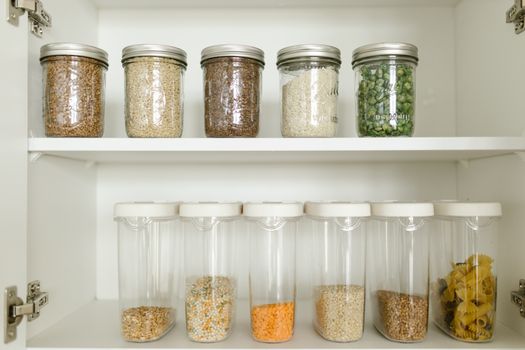
Neatly arranged pantry showcasing grains in glass jars and dry goods in plastic containers. Photo: RDNE Stock project / Pexels
When delving into the debate of meal prep containers glass vs plastic, it's essential to first establish a comprehensive understanding of each material's inherent characteristics. Glass, often lauded for its purity and inertness, stands as a formidable contender in the world of food storage. Made primarily from sand, soda ash, and limestone, glass is non-porous, meaning it won't absorb food odors, stains, or flavors. This characteristic is a significant advantage, particularly when storing strong-smelling foods like curries, garlic-infused dishes, or vibrant tomato sauces. Unlike plastic, glass maintains its pristine appearance and hygienic integrity over time, ensuring that your containers look and smell fresh even after countless uses. This non-reactive nature also means that glass will not leach chemicals into your food, a concern often raised with certain types of plastic. For those prioritizing health and food safety, this aspect of glass is profoundly reassuring. Durability is another hallmark of high-quality glass meal prep containers. While they are susceptible to breaking if dropped, they are exceptionally resistant to scratching and warping, even with frequent use and high-temperature dishwashing. Most glass containers are oven-safe (without the lid, of course), microwave-safe, and freezer-safe, offering unparalleled versatility in food preparation and reheating. This 'oven-to-table' convenience can be a major time-saver for busy individuals. Imagine preparing a lasagna, baking it in the same glass container, and then storing the leftovers – all without transferring food. This multi-functional capability simplifies the cooking process and reduces the number of dishes to wash. However, the weight of glass containers is often cited as a drawback. They are significantly heavier than their plastic counterparts, which can be a consideration for those who commute with multiple meals daily. Despite the initial higher cost, the longevity and myriad benefits of glass often make it a worthwhile investment for serious meal preppers. The environmental impact is also a positive, as glass is infinitely recyclable, offering a sustainable choice for eco-conscious consumers. Its transparency also makes it easy to identify contents at a glance, further streamlining your meal prep routine and preventing food waste. Explore more about sustainable food practices.

Exploring the Practicality: Plastic Meal Prep Containers
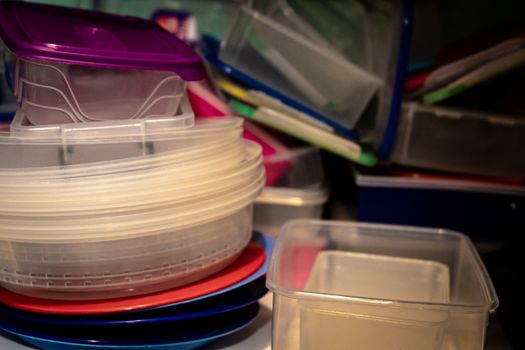
A variety of plastic storage containers stacked together, ideal for organizing kitchen spaces. Photo: Magda Ehlers / Pexels
Shifting our focus to the other side of the meal prep containers glass vs plastic discussion, we encounter plastic – a material renowned for its lightweight nature, affordability, and resilience. Plastic meal prep containers are an undeniably popular choice, particularly for those just starting their meal prep journey or operating on a tighter budget. The lower upfront cost makes them an accessible option for many. One of plastic's most compelling advantages is its weight; it's significantly lighter than glass, making it ideal for carrying multiple meals to work, school, or the gym without adding unnecessary bulk to your bag. This portability is a key factor for individuals with active lifestyles or those who frequently travel. Furthermore, plastic is less fragile than glass. While it can crack or warp under extreme conditions, it's far less likely to shatter if accidentally dropped, offering a peace of mind that glass cannot always provide, especially in households with children or in busy, fast-paced environments. Modern plastic meal prep containers have also evolved considerably. Many are now explicitly labeled as BPA-free, BPS-free, and phthalate-free, addressing some of the historical health concerns associated with certain plastic compounds. This commitment to safer materials has made plastic a more viable option for health-conscious consumers, though ongoing research continues to inform consumer choices. Plastic's flexibility also allows for a wider variety of shapes and sizes, including innovative designs with multiple compartments, which are perfect for keeping different food items separate until mealtime. This organizational feature is highly valued by meal preppers who enjoy diverse components in their meals. However, plastic does have its limitations. It is more prone to absorbing odors and stains, particularly from highly pigmented or aromatic foods like tomato sauce, turmeric, or curry. Over time, plastic containers can also become scratched, cloudy, or even warp, especially if exposed to high heat in microwaves or dishwashers not designed for such temperatures. This can lead to a shorter lifespan compared to glass and a less appealing aesthetic. The environmental impact of plastic is also a significant concern, as not all types are easily recyclable, contributing to landfill waste. Despite these drawbacks, the convenience, cost-effectiveness, and versatility of plastic ensure its continued popularity in the meal prep community. For many, the trade-offs are acceptable given the benefits it provides in daily use.

Making the Smart Choice: Factors Beyond Material
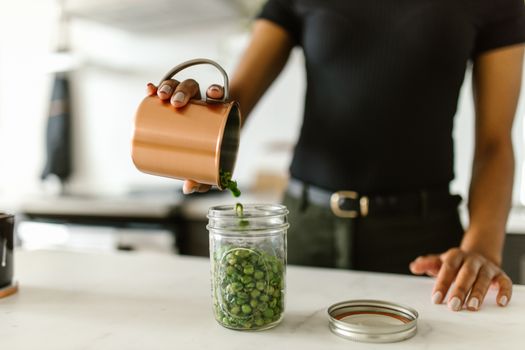
A woman pours green peas into a glass jar on a kitchen counter, emphasizing organization. Photo: RDNE Stock project / Pexels
Beyond the fundamental characteristics of glass and plastic, several other critical factors play a pivotal role in determining the ideal meal prep containers for your needs. The lid design, for instance, is often overlooked but is paramount for preventing leaks and preserving food freshness. Look for lids with secure, airtight seals, often featuring silicone gaskets and locking clasps. These designs are far superior to simple snap-on lids, especially if you're transporting liquids or saucy dishes. A poor lid can quickly turn a perfectly prepped meal into a messy disaster. Material of the lid also matters; while most are plastic, some brands offer bamboo or stainless steel options for a more eco-friendly or aesthetic appeal. Ease of cleaning is another significant consideration. Both glass and most BPA-free plastics are dishwasher safe, but some intricate lid designs can harbor food particles, requiring more meticulous handwashing. Glass, being non-porous, generally cleans up more easily without retaining grease or odors. Stackability and storage efficiency are crucial, especially for those with limited kitchen space. Many container sets are designed to nest neatly within each other or stack securely, minimizing clutter in your cupboards. Consider the shapes and sizes that best fit your refrigerator, freezer, and lunch bag. Compartmentalized containers, available in both glass and plastic, are excellent for portion control and keeping different food components separate until you're ready to eat. This prevents sogginess and maintains the integrity of your meal. Budget, of course, is always a factor. While glass typically has a higher initial cost, its longevity and resistance to wear and tear often make it a more cost-effective choice in the long run. Plastic, on the other hand, offers a lower entry point, allowing you to build a collection without a significant upfront investment. However, you might find yourself replacing plastic containers more frequently. Environmental impact should also weigh into your decision. Glass is infinitely recyclable and can be a more sustainable option, reducing plastic waste. If choosing plastic, look for containers made from recycled materials or those that are widely recyclable in your area. Ultimately, the best choice often involves a combination of these factors, tailored to your specific lifestyle, dietary habits, and personal values. Learn more about mindful consumption in food choices.

Hybrid Solutions & Common Meal Prep Container Mistakes
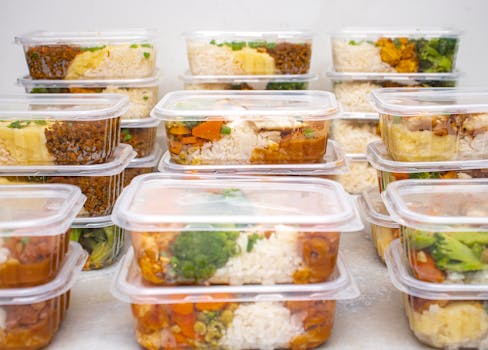
Multiple containers of prepared meals with rice and vegetables for easy meal management. Photo: IARA MELO / Pexels
For many meal preppers, the 'meal prep containers glass vs plastic' debate isn't an either/or situation; a hybrid approach often proves to be the most practical and beneficial. Consider using glass containers for meals you'll be reheating at home or work, especially those with sauces or strong flavors, leveraging their non-reactive and easy-to-clean properties. For on-the-go snacks, lunches for children, or meals you need to carry long distances, lightweight and durable plastic containers might be the superior choice. This allows you to capitalize on the strengths of both materials while mitigating their respective weaknesses. Some brands even offer glass containers with plastic lids, aiming to combine the best of both worlds – the inertness of glass for food contact with the lightweight, secure seal of a plastic lid. This balanced strategy can optimize your meal prep system for various scenarios, ensuring you always have the right container for the job. Avoiding common mistakes can significantly enhance your meal prep experience and extend the life of your containers, regardless of material. Here are some pitfalls to steer clear of: * **Overfilling containers:** This can lead to leaks, especially with plastic lids, and can make stacking difficult. Always leave a little headspace. * **Microwaving plastic not labeled 'microwave safe':** Non-microwave-safe plastics can leach chemicals into food and warp. Even with 'microwave safe' plastic, consider transferring food to a ceramic plate for reheating when possible. * **Putting hot food directly into plastic containers:** Allow food to cool slightly before sealing it in plastic to prevent warping and potential chemical migration. * **Using abrasive scrubbers on plastic:** This can scratch the surface, making it more prone to staining and odor absorption. * **Not properly drying lids:** Moisture trapped in lid gaskets can lead to mold growth and odors. * **Ignoring manufacturer instructions:** Always check if containers are freezer, oven, or dishwasher safe, and adhere to temperature limits. * **Storing acidic foods in non-BPA-free plastic:** Acids can accelerate the leaching of chemicals from certain plastics. By being mindful of these common errors, you can ensure your meal prep containers, whether glass or plastic, serve you effectively and safely for a longer period, making your meal prep routine more efficient and enjoyable.

Comparison

FeatureGlassPlastic (BPA-Free)
DurabilityHigh (breakage risk)Medium (scratch/stain risk)
WeightHeavyLight
Chemical LeachingNoneMinimal (if BPA-free)
Stain & Odor ResistanceExcellentPoor to Medium
Microwave SafeYesYes (if labeled)
Oven SafeYes (container only)No
Freezer SafeYesYes
CostHigher initialLower initial
Environmental ImpactInfinitely recyclableRecyclability varies
PortabilityLowerHigher

What Readers Say

"I switched from plastic to glass meal prep containers, and it's been a game-changer. My food tastes fresher, and I love that I can reheat directly in the oven. No more stained plastic!"

Sarah J. · Austin, TX

"For my daily commute, plastic containers are essential because of their light weight. I make sure to buy BPA-free ones, and they hold up well for salads and sandwiches. A good choice for active lifestyles."

Mark D. · Chicago, IL

"After years of frustration with plastic containers staining and warping, investing in a good set of glass meal prep containers has saved me money and made my kitchen much tidier. The food also reheats more evenly."

Emily R. · Seattle, WA

"I use a mix of both. Glass for dinners at home and plastic for my kids' school lunches. Glass is definitely superior for reheating, but plastic's durability against drops is great for the little ones."

David L. · Miami, FL

"The debate over meal prep containers glass vs plastic used to confuse me. This guide really clarified the pros and cons, helping me select the right types for my specific needs. My meal prep is now perfectly organized!"

Jessica M. · Denver, CO

Frequently Asked Questions

Which is healthier: meal prep containers glass vs plastic?

Glass is generally considered healthier because it's non-porous and non-reactive, meaning it won't leach chemicals into your food, absorb odors, or stain. While many modern plastic containers are BPA-free, concerns about other potential chemicals can still exist for some consumers, especially when exposed to heat.

Are plastic meal prep containers truly safe if they are BPA-free?

BPA-free plastic containers are a safer alternative to older plastics containing BPA. However, some researchers suggest that other chemicals used as BPA substitutes (like BPS or BPF) might also have endocrine-disrupting properties. For maximum peace of mind, especially when heating food, glass remains the most inert option.

How do I prevent glass meal prep containers from breaking?

To prevent glass containers from breaking, avoid sudden temperature changes (e.g., placing hot glass directly into cold water or a cold freezer into a hot oven). Also, handle them carefully, especially when full, and avoid dropping them. Ensure they are placed on a stable surface.

Is the higher cost of glass meal prep containers justified?

The higher initial cost of glass containers is often justified by their longevity, durability, resistance to stains and odors, and health benefits. They typically last much longer than plastic, reducing the need for frequent replacements and offering better value over time.

Can I use plastic meal prep containers in the freezer?

Most plastic meal prep containers are freezer-safe, but always check the manufacturer's label. Ensure they are designed to withstand freezing temperatures without becoming brittle or cracking. Leave some headspace for liquids to expand when frozen.

Who should primarily use glass meal prep containers?

Glass meal prep containers are ideal for individuals who prioritize health and food safety, frequently reheat meals in the microwave or oven, want containers that resist stains and odors, and are willing to invest in a durable, long-lasting solution. They're also great for storing acidic or strongly flavored foods.

What are the risks of reheating food in plastic containers?

Reheating food in plastic containers, especially those not labeled 'microwave safe,' can pose risks such as plastic leaching chemicals (even BPA-free plastics can leach other substances) into food, and the plastic warping or melting. It's generally safer to transfer food to a glass or ceramic dish for microwaving.

What are the emerging trends in meal prep containers?

Emerging trends include more sustainable materials like bamboo fiber and stainless steel, hybrid containers (glass with secure plastic or silicone lids), and containers with advanced vacuum seals for extended freshness. There's also a growing focus on modular, stackable designs for better organization and space efficiency.

Choosing between meal prep containers glass vs plastic is a personal decision, shaped by your lifestyle, health priorities, and budget. By understanding the unique benefits and drawbacks of each, you can confidently select the best containers to support your meal prep goals, ensuring healthier, more convenient, and enjoyable eating experiences. Make an informed choice and elevate your meal prep today!

Topics: meal prep containers glass vs plasticglass meal prep containersplastic meal prep containersfood storage containershealthy meal prep
Leo List
Brampton weed
Adultwork