
Mastering Meal Planning: Essential Tips for Busy Professionals
Streamline your week, eat well, and reclaim precious time with these actionable meal planning strategies.
Start Planning Now!Key Takeaways
- ✓ Meal planning saves an average of 5-10 hours per week.
- ✓ It significantly reduces food waste and grocery bills.
- ✓ Pre-planning leads to healthier eating choices and better nutritional intake.
- ✓ Consistency in meal planning can reduce daily decision fatigue.
How It Works
Before anything else, look at your upcoming schedule. Identify busy evenings, planned outings, and any specific dietary goals or preferences you have for the week.
Based on your assessment, choose recipes that fit your time constraints and nutritional needs. Create a detailed grocery list from these recipes, checking your pantry first to avoid duplicates.
Set aside a block of time, typically on a weekend or a less busy evening, for meal preparation. This might involve chopping vegetables, cooking grains, or portioning snacks for the week ahead.
Follow your plan throughout the week, heating and assembling prepped components. Be flexible; if plans change, adjust your meals accordingly and learn from the experience for next week's planning.
Why Meal Planning is a Game-Changer for Busy Professionals
 Photo: Pavel Danilyuk / Pexels
Crafting Your Weekly Meal Plan: Strategies for Success
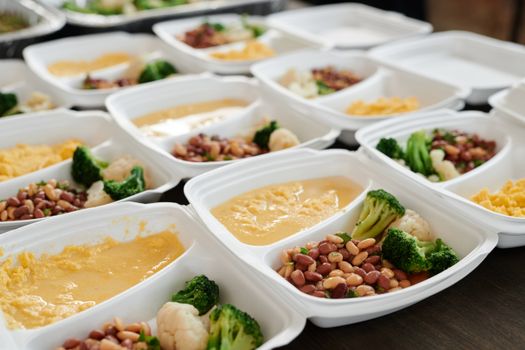 Photo: Julia M Cameron / Pexels
Smart Meal Prep Techniques for Maximum Efficiency
Common Meal Planning Pitfalls and How to Avoid Them
Comparison
| Feature | DIY Meal Planning | Meal Kit Services | Pre-Made Meal Delivery |
|---|---|---|---|
| Cost Effectiveness | Excellent | Moderate | High |
| Time Savings | High (after prep) | High (no shopping) | Highest (ready to eat) |
| Customization/Dietary Needs | Full Control | Good (some options) | Limited |
| Cooking Skill Required | Moderate | Low to Moderate | None |
| Variety of Meals | Unlimited | Good | Moderate |
| Food Waste Reduction | ✓ | ✓ | ✗ (portion sizes) |
| Learning to Cook | ✓ | ✓ | ✗ |
What Readers Say
"These meal planning tips for busy professionals completely transformed my week. I used to dread dinner, but now I have healthy options ready, saving me so much time and mental energy. It's a lifesaver!"
Sarah L. · New York, NY"As a consultant, my schedule is unpredictable. Implementing these meal planning strategies has significantly reduced my reliance on takeout and improved my energy levels. The batch cooking advice was particularly helpful."
Mark T. · Chicago, IL"Following these tips, I managed to cut my weekly grocery bill by 20% and significantly reduced food waste. My colleagues even noticed I'm bringing healthier, more diverse lunches to the office now."
Jessica R. · Austin, TX"The advice here is solid, especially the emphasis on simplicity. It took a few weeks to get into a rhythm, and some weeks are still a challenge, but overall, it's made a positive impact on my eating habits."
David P. · Los Angeles, CA"Even with a busy travel schedule, the emphasis on versatile ingredients and quick assembly has allowed me to maintain healthy eating. I now prep components rather than full meals, which works perfectly for my lifestyle."
Emily H. · Seattle, WAFrequently Asked Questions
What is the best day to do meal prep for busy professionals?
For most busy professionals, Sunday is the ideal day for meal prep. It allows you to dedicate a focused block of time (2-3 hours) after the work week to plan, shop, and prepare components for the upcoming week. This ensures you start your Monday with healthy meals ready to go, minimizing weekday stress and decision fatigue.
I'm worried about my food getting boring. How can I keep variety in my meal plan?
To combat boredom, focus on versatile core ingredients and vary the seasonings and preparations. For example, batch cook chicken, but use it in different dishes like tacos, salads, stir-fries, or pasta throughout the week. Rotate your recipes every 3-4 weeks, explore new cuisines, and don't be afraid to try new vegetables or grains. Small changes can make a big difference.
How do I start meal planning if I'm a complete beginner?
Start small! Don't try to plan every single meal for the entire week initially. Begin by planning just your lunches for work, or maybe 3-4 dinners. Choose simple, familiar recipes. As you get more comfortable, gradually expand your planning to include more meals. Focus on one or two batch-cooked items per week, like a grain and a protein, to build confidence.
Is meal planning really cost-effective, or does it require expensive ingredients?
Meal planning is highly cost-effective. By planning your meals, you buy only what you need, reducing food waste and impulse purchases. Cooking at home is almost always cheaper than eating out or ordering takeout. While you might invest in quality containers upfront, you'll save significantly on groceries and restaurant bills in the long run. Focus on seasonal produce and bulk buying staples.
How does meal planning compare to using meal kit delivery services?
DIY meal planning offers maximum control over ingredients, portion sizes, and cost, requiring more upfront time for planning and shopping. Meal kit services save time on planning and shopping by delivering pre-portioned ingredients and recipes, but are generally more expensive and offer less customization. Pre-made meal delivery offers the most convenience (ready-to-eat) but is the most expensive and least customizable option.
Who should use meal planning tips for busy professionals?
These meal planning tips are ideal for anyone with a demanding schedule – corporate executives, entrepreneurs, healthcare workers, teachers, or students – who want to eat healthier, save time, reduce stress, and manage their budget more effectively. If you find yourself constantly resorting to unhealthy takeout or skipping meals due to lack of time, these strategies are for you.
What are the risks of improper meal prep or storage?
Improper meal prep and storage can lead to foodborne illness. Risks include not cooking food to safe temperatures, cross-contamination, and allowing perishable foods to remain at unsafe temperatures for too long. Always follow food safety guidelines: wash hands and surfaces, cook to proper temperatures, refrigerate promptly (within 2 hours), and use airtight containers to maintain freshness and prevent bacterial growth.
Are there any emerging trends in meal planning that busy professionals should know about?
Emerging trends include 'flexitarian' meal planning focusing on plant-forward meals with occasional meat, and 'theme night' planning (e.g., 'Taco Tuesday') for easier decision-making. There's also a growing interest in using AI-powered apps for personalized meal plans based on dietary needs and available ingredients, further streamlining the planning process for busy individuals.
Ready to transform your chaotic eating habits into a streamlined, healthy routine? Embrace these meal planning tips for busy professionals and reclaim your time, energy, and well-being. Start your journey to a more organized, nutritious life today!