Mastering Food Preservation Methods at Home: Your Ultimate Guide

A variety of colorful preserved vegetables in jars arranged on a wooden shelf.Photo: Roman Biernacki / Pexels

Mastering Food Preservation Methods at Home: Your Ultimate Guide

Transform your kitchen into a food preservation powerhouse, saving money and enjoying fresh flavors year-round.

Start Preserving Today!

Key Takeaways

  • ✓ Food preservation significantly reduces food waste, a major environmental concern.
  • ✓ Many preservation methods enhance nutritional value and flavor profiles.
  • ✓ Home preservation can lead to substantial savings on grocery bills over time.
  • ✓ Understanding food safety is paramount for successful home preservation.

How It Works

1
Choose Your Method

Select a preservation technique based on the food type, desired outcome, and available equipment. Consider factors like storage space and time commitment.

2
Prepare Your Produce

Proper preparation, including cleaning, blanching, or chopping, is crucial for quality and safety. Always use fresh, high-quality ingredients for the best results.

3
Execute the Preservation Process

Follow established guidelines and recipes precisely for your chosen method. This ensures food safety and optimal preservation.

4
Store and Enjoy

Store your preserved foods correctly in appropriate containers and environments. Label clearly with dates to track shelf life and enjoy your efforts for months to come.

The Fundamentals of Home Food Preservation
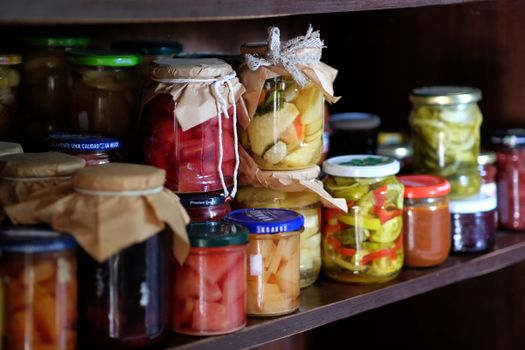
A variety of homemade preserves and pickles stored on a rustic wooden pantry shelf.Photo: Roman Biernacki / Pexels
Embarking on the journey of food preservation methods at home is more than just a culinary skill; it's a sustainable lifestyle choice that connects us to our food in a profound way. At its core, food preservation is about preventing spoilage caused by microorganisms (bacteria, yeasts, molds) and enzymatic reactions that degrade food quality. By understanding these fundamental principles, we can safely and effectively extend the shelf life of fresh produce, meats, and prepared dishes, ensuring that delicious, wholesome ingredients are available long after their season has passed. The benefits extend far beyond just having food on hand; it’s about reducing food waste, saving money, and enjoying superior flavors and nutritional value compared to many store-bought alternatives. Imagine savoring the taste of summer tomatoes in the dead of winter or enjoying homemade pickles made from your garden's bounty. This deep dive into the various food preservation methods at home will equip you with the knowledge and confidence to transform your kitchen into a hub of self-sufficiency. We’ll explore time-honored techniques that have sustained generations, adapted for the modern home. From the simple act of freezing to the more involved processes of canning and fermentation, each method offers unique advantages and challenges. Safety is paramount in all preservation efforts. Mishandling or improper techniques can lead to foodborne illnesses, so adhering to tested recipes and guidelines from reputable sources, such as the National Center for Home Food Preservation (NCHFP), is non-negotiable. We'll emphasize these safety aspects throughout, ensuring you can preserve with peace of mind. Beyond the practicalities, there's an immense satisfaction that comes from opening a jar of homemade preserves or pulling a perfectly frozen meal from the freezer. It’s a tangible connection to the effort you put in and the quality ingredients you chose. This guide aims to demystify the processes, making them accessible to beginners while offering valuable insights for experienced preservers looking to expand their repertoire. Get ready to embrace a rewarding journey that will change the way you think about and interact with your food. Whether you're a seasoned homesteader or just starting to explore self-sufficiency, understanding these methods is a powerful step towards a more sustainable and flavorful life. We’ll cover everything from the basic science behind spoilage to detailed instructions for each technique, making sure you have all the information you need to succeed.

Essential Methods: Freezing, Canning, and Dehydration
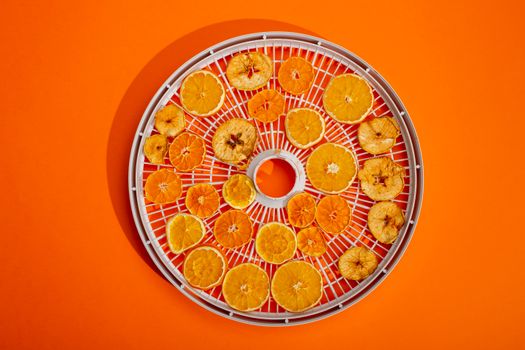
A collection of dried citrus slices on a round drying rack with a bright orange background.Photo: Valentin Ivantsov / Pexels
When exploring food preservation methods at home, three techniques stand out for their versatility and effectiveness: freezing, canning, and dehydration. Each offers distinct advantages and is suited for different types of food and desired outcomes. Let's delve into these essential methods. **Freezing:** Perhaps the simplest and most accessible method, freezing involves lowering the temperature of food to halt microbial growth and slow enzymatic activity. Almost any food can be frozen, from fruits and vegetables to meats, baked goods, and even entire meals. The key to successful freezing is proper preparation and packaging. Blanching vegetables before freezing is crucial to inactivate enzymes that can cause flavor, color, and texture degradation. Fruits often benefit from being frozen individually on trays before being transferred to bags to prevent clumping. Meats should be tightly wrapped to prevent freezer burn. Using airtight, freezer-safe containers or vacuum sealer bags helps maintain quality and extend shelf life significantly. While freezing is forgiving, understanding ideal storage times for different foods is important to ensure optimal taste and texture upon thawing. It’s a fantastic way to capture peak season freshness with minimal effort. **Canning:** This method involves sealing food in airtight jars and then heating them to a temperature that destroys spoilage microorganisms and creates a vacuum seal. There are two primary canning methods: water bath canning and pressure canning. Water bath canning is suitable for high-acid foods like fruits, jams, jellies, pickles, and tomatoes (with added acid). The jars are submerged in boiling water for a specified time. Pressure canning, on the other hand, is essential for low-acid foods such as vegetables, meats, poultry, and seafood. These foods require higher temperatures, achievable only in a pressure canner, to destroy dangerous bacteria like Clostridium botulinum. Canning requires careful adherence to tested recipes and precise timing to ensure safety. The reward is shelf-stable food that can be stored at room temperature for extended periods, making it ideal for pantry stocking and emergency preparedness. It’s a more involved process than freezing but offers incredible long-term storage solutions. **Dehydration:** This ancient preservation method involves removing moisture from food, thereby inhibiting microbial growth. Dehydration concentrates flavors and nutrients, resulting in lightweight, shelf-stable products perfect for snacking, backpacking, or adding to recipes. Fruits, vegetables, and even meats (for jerky) are excellent candidates for dehydration. Food dehydrators offer the most consistent results, but ovens can also be used at low temperatures. Thin, uniform slices are key to even drying. Once dry, food should be conditioned to ensure all moisture is evenly distributed before being stored in airtight containers away from light and heat. Dehydrated foods, when properly stored, can last for years and offer a unique texture and intense flavor profile. Each of these methods plays a vital role in a comprehensive home food preservation strategy, allowing you to diversify your stored food and make the most of every harvest. Mastering them will unlock a world of culinary possibilities and significantly enhance your food security.

Exploring Fermentation, Pickling, and Other Creative Techniques
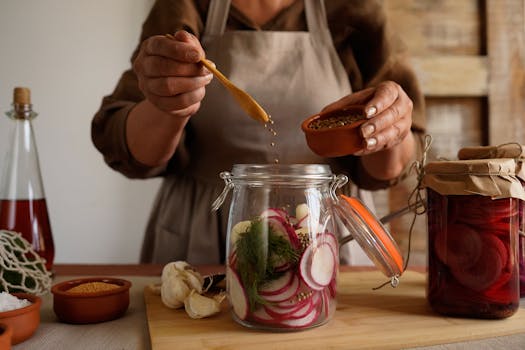
Hands preparing pickled vegetables in a jar, capturing a rustic and organic lifestyle.Photo: hello aesthe / Pexels
Beyond the fundamental trio of freezing, canning, and dehydration, the world of food preservation methods at home expands into fascinating and flavorful territories like fermentation, pickling, and various other creative techniques. These methods not only extend shelf life but often enhance the nutritional profile and introduce complex, delicious flavors. **Fermentation:** This is a biological process where microorganisms (bacteria, yeasts, molds) convert carbohydrates into alcohol or organic acids under anaerobic conditions. This process not only preserves food but also creates beneficial probiotics, aids digestion, and develops unique flavors. Think of sauerkraut, kimchi, kombucha, and homemade yogurt. Fermentation relies on creating an environment where beneficial microbes thrive while spoilage organisms are inhibited. For vegetables, this often involves submerging them in a brine solution. The process can be as simple as leaving cabbage and salt to transform into sauerkraut or as intricate as cultivating a sourdough starter. While seemingly complex, many fermentation projects are quite straightforward and incredibly rewarding. The live cultures present in fermented foods are a fantastic addition to a healthy diet and a testament to the power of microbial transformation in food. It's a living method of preservation that continues to evolve even after packaging. **Pickling:** A distinct but often related method, pickling primarily uses an acidic solution (usually vinegar) to preserve food. While some pickled foods undergo fermentation (like traditional dill pickles), many are simply immersed in a hot vinegar brine, which kills spoilage organisms and prevents new growth. Quick pickling is a popular method for vegetables like cucumbers, onions, and carrots, offering a tangy crunch with minimal effort. Sweet pickles, relish, and chutneys also fall under this category. The acidity of the brine is crucial for safety and flavor, and care must be taken to ensure proper pH levels, especially when using a water bath canner for shelf stability. Pickling offers a vast array of flavor possibilities through the addition of herbs, spices, and different types of vinegar. It’s an excellent way to add zing and zest to your meals. **Salt Curing and Smoking:** These ancient methods involve using salt to draw out moisture and inhibit microbial growth, often followed by smoking for added flavor and preservation. Curing is commonly used for meats like bacon, ham, and corned beef, while smoking is applied to meats, fish, and even cheeses. Both require careful attention to detail and appropriate techniques to ensure food safety. Smoking, in particular, adds a distinct flavor profile that is highly prized. **Oil Preservation:** While not a standalone preservation method for raw foods, oil can be used to preserve cooked foods or herbs by creating an anaerobic environment. Examples include herbs in oil or sun-dried tomatoes packed in olive oil. It's crucial to note that raw garlic or herbs in oil can pose a risk of botulism if not prepared and stored correctly (refrigeration is essential). This method is best used for short-term preservation of prepared items. **Jellying and Jamming:** These methods use high sugar content and often added acid (from fruit or lemon juice) and pectin to create gels that preserve fruit. The high sugar concentration draws water out of microbial cells, preventing their growth. Jams, jellies, marmalades, and fruit butters are delightful ways to preserve fruit and enjoy its sweetness year-round. These are typically processed in a water bath canner for shelf stability. Exploring these diverse food preservation methods at home opens up a world of culinary creativity and self-sufficiency, allowing you to enjoy a wider variety of flavors and textures from your preserved pantry.

Essential Tips for Safe and Successful Home Preservation
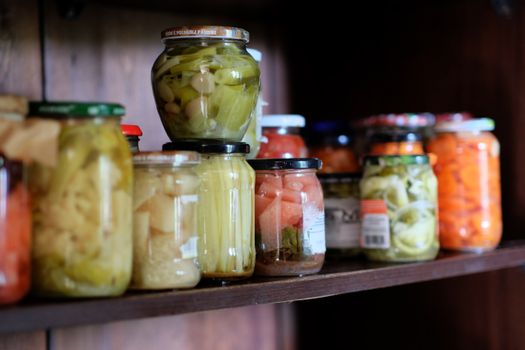
A variety of colorful preserved vegetables in jars arranged on a wooden shelf.Photo: Roman Biernacki / Pexels
Embarking on the journey of food preservation methods at home is incredibly rewarding, but success and safety hinge on following best practices. Here are essential tips and common mistakes to avoid to ensure your efforts yield delicious, safe, and long-lasting results. **Tips for Success:** * **Start with Quality Ingredients:** The fresher and higher quality your produce, the better your preserved food will taste and last. Preserve food at its peak ripeness. * **Follow Tested Recipes:** Do not deviate from recipes from reputable sources like the National Center for Home Food Preservation (NCHFP), university extension offices, or trusted canning books. These recipes have been scientifically tested for safety. * **Sterilize Everything:** Cleanliness is crucial. Ensure all jars, lids, and equipment are thoroughly sterilized according to the method's requirements. This minimizes the risk of contamination. * **Proper Headspace:** Leaving the correct amount of headspace (the space between the food and the lid) in jars is vital for creating a strong vacuum seal and preventing spoilage. * **Accurate Processing Times and Temperatures:** Adhere strictly to the recommended processing times and temperatures for your chosen method. Under-processing can lead to spoilage or botulism, while over-processing can degrade food quality. * **Label and Date:** Clearly label every jar, bag, or container with the contents and the date of preservation. This helps you rotate your stock and ensures you consume food within its optimal shelf life. * **Store Properly:** Store preserved foods in a cool, dark, dry place. Avoid extreme temperature fluctuations, which can compromise seals and food quality. * **Invest in Good Equipment:** While you can start simple, investing in quality equipment (e.g., a reliable pressure canner, a good dehydrator) will make the process easier and more consistent. **Common Mistakes to Avoid:** * **Ignoring Food Safety Guidelines:** This is the most critical mistake. Never guess or improvise, especially with canning. Botulism is a serious risk with improperly canned low-acid foods. * **Using Damaged Jars or Lids:** Always inspect jars for cracks or chips and use new lids for canning. Reusing lids can lead to seal failure. * **Overpacking Jars:** Overfilling jars can prevent proper heat penetration during canning and hinder a good seal. * **Not Adjusting for Altitude:** Canning recipes require adjustments for altitude. Failure to do so can result in under-processing and unsafe food. * **Using Untested Recipes:** Grandma's old recipe might be delicious, but if it hasn't been tested for modern canning standards, it could be unsafe. Stick to current, research-backed guidelines. * **Quick Cooling Canned Jars:** Allow canned jars to cool naturally at room temperature. Rapid cooling can cause seals to fail or jars to break. * **Storing Dehydrated Food with Residual Moisture:** If dehydrated food still contains too much moisture, it can mold. Ensure it's crisp and leathery before storing. * **Freezing Without Proper Packaging:** Inadequate packaging leads to freezer burn, which degrades texture and flavor. By keeping these tips in mind and diligently avoiding common pitfalls, you'll master food preservation methods at home and enjoy a pantry full of safe, delicious, and homemade goodness.

Comparison

FeatureFreezingWater Bath CanningPressure CanningDehydrationFermentation
Foods Suited ForAlmost allHigh-acid foods (fruits, pickles)Low-acid foods (veg, meats)Fruits, veg, jerkyVegetables, dairy, drinks
Shelf Life (approx.)6-12 months12-18 months12-18 months1-5 yearsWeeks to months (refrigerated)
Nutrient RetentionHighModerateModerateModerate to HighHigh (adds probiotics)
Equipment NeededFreezer, freezer bags/containersLarge pot, jars, lidsPressure canner, jars, lidsDehydrator/ovenJars, weights, airlocks (optional)
ComplexityLowMediumHighMediumMedium
Storage SpaceFreezer spacePantry shelfPantry shelfPantry shelf (compact)Refrigerator/pantry
Energy ConsumptionContinuousBatch (boiling)Batch (pressure)Continuous (dehydrator)Low

What Our Readers Say

5 ★★★★★

"Learning food preservation methods at home has transformed my kitchen. I used to waste so much produce, but now I can enjoy my garden's bounty all year. My homemade tomato sauce is a winter lifesaver!"

5 ★★★★★

"This guide to food preservation methods at home was incredibly helpful. I started with freezing, then moved to water bath canning pickles. The instructions were clear and I feel much more confident in my abilities now."

5 ★★★★★

"After trying several food preservation methods at home, I've managed to cut my grocery bill by 15% each month. The satisfaction of eating my own preserved peaches in January is unmatched. Highly recommend!"

4 ★★★★☆

"While some food preservation methods at home require a learning curve, the results are worth it. I've successfully dehydrated herbs and made delicious fruit leathers. Pressure canning is still a bit intimidating, but I'll get there."

5 ★★★★★

"As a busy mom, finding time for food preservation methods at home seemed daunting. But with this guide, I've streamlined my process. Freezing meals and canning seasonal veggies has made weeknight dinners so much easier and healthier."

Frequently Asked Questions

What are the safest food preservation methods at home for beginners?
For beginners, freezing and water bath canning (for high-acid foods like jams and pickles) are generally considered the safest and easiest to start with. They require less specialized equipment than pressure canning and have a lower risk if instructions are followed carefully. Always use tested recipes from reputable sources.
Is home canning really safe, or is there a high risk of botulism?
Home canning is absolutely safe when done correctly and according to tested guidelines. The risk of botulism primarily comes from improperly canned low-acid foods. Using a pressure canner for low-acid foods and a water bath canner for high-acid foods, and strictly following processing times, eliminates this risk. Never take shortcuts.
How do I choose the right preservation method for different types of food?
The best method depends on the food's acidity, texture, and your desired outcome. High-acid foods (fruits, tomatoes, pickles) are suitable for water bath canning. Low-acid foods (most vegetables, meats) require pressure canning. Freezing is versatile for almost anything, while dehydration is great for lightweight, concentrated snacks. Fermentation adds unique flavors and probiotics.
Does preserving food at home actually save money, or is the equipment too expensive?
While there's an initial investment in equipment (jars, canners, dehydrators), preserving food at home can lead to significant long-term savings. Buying seasonal produce in bulk, taking advantage of sales, or preserving your garden's harvest is much cheaper than buying off-season or processed alternatives. The cost per serving dramatically decreases over time.
How do home-preserved foods compare nutritionally to fresh or store-bought options?
Home-preserved foods often retain more nutrients than many store-bought alternatives, especially if processed quickly after harvest. Freezing locks in nutrients, and while some vitamins are lost in canning or dehydrating, the overall nutritional value remains high. Fermented foods even add beneficial probiotics. You also control ingredients, avoiding excess sugar, salt, or preservatives.
Who should consider using food preservation methods at home?
Anyone looking to reduce food waste, save money, enjoy seasonal produce year-round, control ingredients in their food, or build a more self-sufficient lifestyle should consider home food preservation. It's also great for gardeners with abundant harvests or those who buy in bulk.
What are the most common safety mistakes people make when preserving food?
The most common safety mistakes include not following tested recipes, especially for canning; not using a pressure canner for low-acid foods; improper headspace in jars; reusing canning lids; and not adjusting processing times for altitude. These errors can lead to seal failure, spoilage, or dangerous foodborne illnesses.
What's the future trend for food preservation methods at home?
The future trend for food preservation methods at home points towards a renewed interest in traditional techniques like fermentation, coupled with modern conveniences. There's a growing emphasis on sustainable practices, reducing waste, and utilizing smart kitchen appliances that simplify processes while maintaining safety standards. Expect more accessible resources and community-driven knowledge sharing.

Ready to take control of your pantry and embrace a more sustainable, flavorful way of eating? Start exploring food preservation methods at home today. With this comprehensive guide, you have all the knowledge to begin your rewarding journey into the world of homemade goodness and self-sufficiency.

Topics: food preservation methods at homehome canningfood dehydrationfreezing foodfermentation
Leo List