Your Ultimate Keto Diet Meal Plan for Beginners
keto diet meal plan for beginners

Your Ultimate Keto Diet Meal Plan for Beginners

Start your ketogenic journey today with a simple, delicious, and effective meal plan designed to kickstart fat burning and boost energy.

Start Your Keto Journey

Key Takeaways

  • ✓ The keto diet emphasizes high fat, moderate protein, and very low carbohydrate intake.
  • ✓ Its primary goal is to shift your body into a metabolic state called ketosis, where it burns fat for fuel.
  • ✓ A well-structured meal plan is crucial for beginners to maintain ketosis and avoid common pitfalls.
  • ✓ Benefits can include weight loss, improved blood sugar control, and increased energy levels.

How It Works

1
Understand Macronutrients

Learn the ideal ratios: typically 70-75% fat, 20-25% protein, and 5-10% carbohydrates. This foundational knowledge is key to selecting appropriate foods.

2
Stock Your Pantry

Remove high-carb foods and fill your kitchen with keto-friendly options like healthy fats, lean proteins, and non-starchy vegetables. Preparation is essential for success.

3
Plan Your Meals

Follow a structured meal plan for the first few weeks to ensure you stay within your carb limits and get adequate nutrients. This eliminates guesswork and reduces stress.

4
Monitor and Adjust

Pay attention to how your body feels, track your progress, and make adjustments to your food choices or portion sizes as needed. Consistency and flexibility are important.

Understanding the Ketogenic Diet Fundamentals
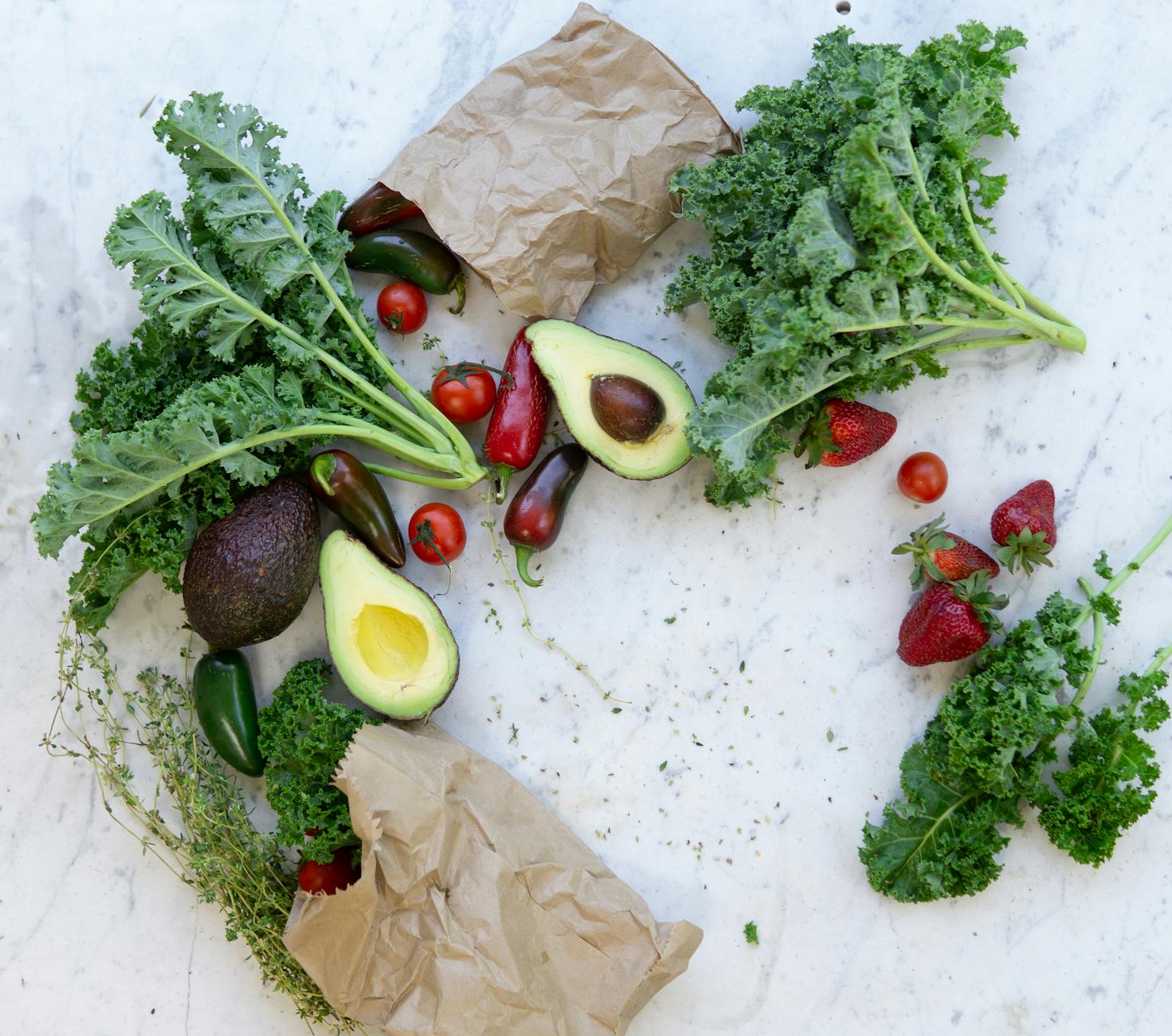
From above of green halved avocado without kernel sprinkled with various seeds placed on white marble desk served for healthy vegan breakfast preparation Photo: ready made / Pexels
Embarking on the ketogenic diet can feel like learning a new language, especially when it comes to understanding its core principles. At its heart, the keto diet is a very low-carb, high-fat eating plan designed to shift your body's primary fuel source from carbohydrates to fat. This metabolic state is known as ketosis. When you drastically reduce your carbohydrate intake, typically to 20-50 grams per day, your body no longer has enough glucose (sugar) to burn for energy. Instead, your liver begins to break down fat into molecules called ketones, which then become the main energy source for your brain and body. This process is incredibly efficient for fat burning and can lead to significant weight loss and other health benefits. For beginners, grasping this fundamental shift is paramount. It’s not just about cutting carbs; it’s about strategically replacing them with healthy fats to ensure your body enters and maintains ketosis. Understanding macronutrient ratios is also crucial. While individual needs vary, a general guideline for keto is approximately 70-75% of calories from fat, 20-25% from protein, and 5-10% from carbohydrates. This balance ensures you're getting enough fat to fuel ketosis, adequate protein to preserve muscle mass, and minimal carbs to avoid kicking yourself out of the fat-burning state. Many beginners make the mistake of simply cutting carbs without increasing fat, which can lead to fatigue and hunger, making the diet unsustainable. Therefore, focusing on nutrient-dense, high-fat foods like avocados, olive oil, nuts, seeds, and fatty fish is key. Protein intake also needs careful consideration; too much protein can be converted into glucose through a process called gluconeogenesis, potentially hindering ketosis. The goal is moderate protein, not excessive. Learning to read food labels becomes a vital skill, as hidden carbs can lurk in unexpected places, from sauces to processed meats. A successful keto journey begins with a solid understanding of these foundational principles, setting the stage for effective meal planning and sustainable results. This initial knowledge empowers you to make informed food choices and navigate the dietary landscape with confidence, paving the way for a smoother transition into a ketogenic lifestyle.

Crafting Your First Week Keto Diet Meal Plan

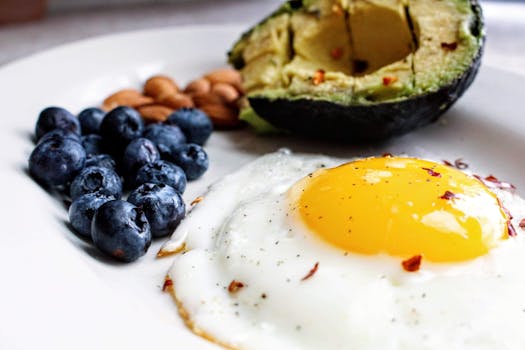
A nutritious breakfast featuring a fried egg, avocado, blueberries, and almonds. Photo: Jenna Hamra / Pexels
For beginners, the first week on a keto diet is often the most challenging, as your body adapts to burning fat instead of carbs. This period, sometimes referred to as the 'keto flu,' can bring symptoms like fatigue, headaches, and irritability. A well-structured meal plan is your best defense against these initial discomforts and ensures you stay on track. Our sample meal plan for your first week focuses on simplicity, deliciousness, and nutrient density, making the transition as smooth as possible. The key is to prioritize whole, unprocessed foods that are naturally low in carbs and high in healthy fats. **Day 1: Kickstarting Ketosis** * **Breakfast:** Scrambled eggs (2-3) cooked in butter or coconut oil with spinach and a slice of avocado. (Approx. 3g net carbs) * **Lunch:** Large salad with grilled chicken, mixed greens, cucumber, bell peppers (small amount), olive oil dressing, and a sprinkle of feta cheese. (Approx. 5g net carbs) * **Dinner:** Baked salmon with roasted asparagus drizzled with olive oil. (Approx. 4g net carbs) * **Snack (if needed):** A handful of almonds or a cheese stick. (Approx. 1-2g net carbs) **Day 2: Embracing Healthy Fats** * **Breakfast:** Keto smoothie made with unsweetened almond milk, a scoop of low-carb protein powder, spinach, and a tablespoon of almond butter. (Approx. 4g net carbs) * **Lunch:** Leftover baked salmon and asparagus. (Approx. 4g net carbs) * **Dinner:** Ground beef stir-fry with broccoli, mushrooms, and a low-carb soy sauce alternative. (Approx. 6g net carbs) * **Snack:** Hard-boiled eggs (2). (Approx. 1g net carbs) **Day 3: Variety and Flavor** * **Breakfast:** Full-fat Greek yogurt (plain) with a few berries (strawberries or raspberries) and chopped walnuts. (Approx. 7g net carbs) * **Lunch:** Tuna salad (made with mayo, not sweet relish) served in lettuce wraps. (Approx. 2g net carbs) * **Dinner:** Chicken thighs baked with olive oil, garlic, and herbs, served with steamed green beans. (Approx. 5g net carbs) * **Snack:** A few slices of avocado with a pinch of salt. (Approx. 1g net carbs) **Day 4: Sustaining Energy** * **Breakfast:** Omelet with cheese, mushrooms, and bell peppers. (Approx. 5g net carbs) * **Lunch:** Leftover chicken thighs and green beans. (Approx. 5g net carbs) * **Dinner:** Pork chops pan-fried in butter, served with a side of cauliflower mash (made with butter, cream cheese, and a splash of heavy cream). (Approx. 7g net carbs) * **Snack:** Olives (a small handful). (Approx. 1g net carbs) **Day 5: Exploring New Textures** * **Breakfast:** Chia seed pudding made with unsweetened almond milk, topped with a few pecans. (Approx. 6g net carbs) * **Lunch:** Cobb salad with hard-boiled eggs, bacon, avocado, chicken, and a full-fat ranch dressing. (Approx. 6g net carbs) * **Dinner:** Keto chili (ground beef, diced tomatoes, bell peppers, spices – no beans) topped with sour cream and shredded cheese. (Approx. 8g net carbs) * **Snack:** A small piece of dark chocolate (90% cocoa or higher). (Approx. 2g net carbs) **Day 6: Weekend Prep** * **Breakfast:** Bacon (3-4 slices) and eggs (2) cooked to your preference. (Approx. 1g net carbs) * **Lunch:** Leftover keto chili. (Approx. 8g net carbs) * **Dinner:** Steak with a side of creamed spinach. (Approx. 6g net carbs) * **Snack:** Macadamia nuts. (Approx. 1g net carbs) **Day 7: Reflect and Recharge** * **Breakfast:** Keto pancakes (made with almond flour) topped with sugar-free syrup and a side of sausage. (Approx. 5g net carbs) * **Lunch:** Chef salad with various keto-friendly meats and cheeses, mixed greens, and a vinaigrette dressing. (Approx. 5g net carbs) * **Dinner:** Roasted chicken (whole or parts) with Brussels sprouts cooked in bacon fat. (Approx. 7g net carbs) * **Snack:** Pork rinds. (0g net carbs) Remember to drink plenty of water throughout the day and consider supplementing with electrolytes, especially during the first week, to mitigate keto flu symptoms. This meal plan provides a solid foundation, but feel free to swap meals or ingredients based on your preferences, always keeping your carb limits in mind. This structured approach will help you build confidence and establish healthy keto habits.

Essential Keto Food List and Pantry Staples

Top view of various grains, legumes, and spices in bowls and jars on a white table. Photo: MART PRODUCTION / Pexels
Successfully adhering to a ketogenic diet, especially as a beginner, hinges on having the right ingredients readily available. A well-stocked pantry and refrigerator eliminate guesswork and reduce the temptation to reach for non-keto-friendly options. Think of your kitchen as your keto fortress, filled with delicious, nutrient-dense foods that support ketosis. The core of your keto food list will be healthy fats, quality proteins, and low-carb vegetables. **Healthy Fats (The Backbone of Keto):** These are your primary energy source. Stock up on: * **Oils:** Olive oil, avocado oil, coconut oil, MCT oil. These are excellent for cooking, dressings, and adding to smoothies. * **Butter & Ghee:** Essential for cooking and adding flavor. * **Avocados:** Rich in monounsaturated fats and potassium, great for salads, snacks, or added to meals. * **Nuts & Seeds:** Almonds, walnuts, pecans, macadamia nuts, chia seeds, flax seeds, hemp seeds. Excellent for snacks, toppings, or in keto baking. Be mindful of portion sizes as carbs can add up. * **Full-Fat Dairy (in moderation):** Heavy cream, cream cheese, sour cream, full-fat Greek yogurt (plain), and various cheeses (cheddar, mozzarella, feta, goat cheese). **Quality Proteins (Muscle Preservation):** Choose unprocessed sources. * **Meats:** Beef (steaks, ground beef, roasts), pork (chops, bacon, sausage – check for added sugars!), lamb. Prioritize grass-fed if possible. * **Poultry:** Chicken (thighs, breasts, wings), turkey (ground, breast). Keep the skin on for extra fat. * **Fish & Seafood:** Salmon, tuna, mackerel, sardines, shrimp, crab. Fatty fish are particularly beneficial for omega-3s. * **Eggs:** A versatile and affordable protein source, perfect for any meal. **Low-Carb Vegetables (Nutrients & Fiber):** These add volume, vitamins, and minerals without excess carbs. * **Leafy Greens:** Spinach, kale, lettuce, Swiss chard, collard greens. * **Cruciferous Vegetables:** Broccoli, cauliflower, Brussels sprouts, cabbage. These are incredibly versatile. * **Other Low-Carb Veggies:** Asparagus, green beans, bell peppers (especially green), zucchini, cucumber, mushrooms, celery. **Flavor Enhancers & Condiments:** * **Herbs & Spices:** All natural herbs and spices are keto-friendly and crucial for adding flavor without carbs. * **Vinegars:** Apple cider vinegar, red wine vinegar. * **Mustard:** Dijon, yellow (check labels for added sugar). * **Mayonnaise:** Full-fat, sugar-free. * **Hot Sauces:** Most are keto-friendly, but always check ingredients. * **Sugar Substitutes:** Erythritol, stevia, monk fruit. **Beverages:** * Water (most important!), black coffee, unsweetened tea, sparkling water. Before you begin, take the time to clear out your pantry of high-carb culprits like bread, pasta, rice, sugary drinks, cereals, and most fruits. Replace them with items from this comprehensive list. Meal prepping becomes significantly easier when your kitchen is stocked with only keto-approved items. This proactive approach not only simplifies your daily food choices but also reduces the likelihood of unintentional carb consumption, making your keto journey smoother and more successful. Remember, consistency in your food choices is key to maintaining ketosis and achieving your desired results. For more detailed food recommendations, consult a comprehensive keto food guide.

Common Keto Mistakes and How to Avoid Them

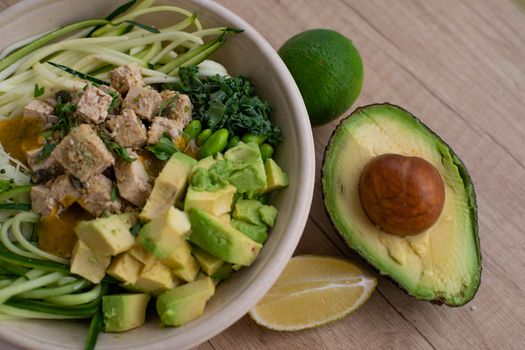
Delicious vegan bowl with zoodles, avocado, tofu, and greens on a wooden table. Photo: Valeria Boltneva / Pexels
While the keto diet offers numerous benefits, beginners often encounter common pitfalls that can hinder progress or lead to frustration. Being aware of these mistakes and knowing how to avoid them is crucial for a successful and sustainable ketogenic journey. **1. Not Consuming Enough Electrolytes:** This is perhaps the most common cause of the 'keto flu.' When you reduce carb intake, your body excretes more water and, with it, essential electrolytes like sodium, potassium, and magnesium. * **Solution:** Increase your sodium intake (e.g., adding salt to food, drinking bone broth), consume potassium-rich keto foods (avocado, spinach), and consider a magnesium supplement. **2. Not Eating Enough Fat:** Many beginners are still conditioned to fear fat. However, on keto, fat is your primary fuel source. Not consuming enough can lead to hunger, fatigue, and difficulty staying in ketosis. * **Solution:** Embrace healthy fats! Cook with butter, olive oil, or coconut oil. Add avocado, nuts, and seeds to your meals. Don't shy away from fatty cuts of meat. **3. Overconsuming Protein:** While protein is essential, too much can be converted into glucose (sugar) through gluconeogenesis, which can kick you out of ketosis. * **Solution:** Aim for moderate protein intake, typically 20-25% of your daily calories. Focus on quality protein sources and balance them with higher fat intake. **4. Not Tracking Carbohydrates Accurately:** Hidden carbs are everywhere, from sauces and condiments to processed meats and 'sugar-free' products. * **Solution:** Read food labels meticulously. Focus on net carbs (total carbs minus fiber and sugar alcohols). Use a food tracking app to log everything you eat, especially in the beginning. **5. Not Drinking Enough Water:** Hydration is vital for overall health and plays a key role in managing keto flu symptoms. * **Solution:** Aim for at least 8-10 glasses of water daily. Consider adding a pinch of salt or an electrolyte supplement to your water. **6. Expecting Instant Results:** The body needs time to adapt to a new metabolic state. Don't get discouraged if you don't see drastic changes overnight. * **Solution:** Be patient and consistent. Focus on how you feel, your energy levels, and other non-scale victories. Trust the process. **7. Neglecting Micronutrients:** Focusing solely on macros can lead to deficiencies if you're not choosing nutrient-dense keto-friendly foods. * **Solution:** Incorporate a wide variety of low-carb vegetables, healthy fats, and quality proteins. Consider a broad-spectrum multivitamin if you're concerned. **8. Snacking Too Much:** While keto snacks are available, constant snacking, even on keto-friendly foods, can stall weight loss for some individuals. * **Solution:** Listen to your body's hunger cues. Try to stick to 2-3 main meals and only snack if genuinely hungry. Intermittent fasting can also be a useful tool once adapted. By proactively addressing these common mistakes, beginners can navigate the keto diet more effectively, minimize discomfort, and maximize their chances of achieving their health and wellness goals.

Comparison

FeatureKeto DietLow-Carb DietStandard American Diet
Carbohydrate IntakeVery Low (20-50g/day)Low (50-150g/day)High (250g+/day)
Primary Fuel SourceFats (Ketones)CarbohydratesCarbohydrates
Fat IntakeHigh (70-75%)Moderate (30-40%)Moderate (30-35%)
Protein IntakeModerate (20-25%)Moderate-High (25-35%)Moderate (15-20%)
Ketosis State
FocusMetabolic shiftCarb restrictionBalanced macros (often carb-heavy)

What Readers Say

"This keto diet meal plan for beginners made starting so much less intimidating. The clear food lists and sample week were exactly what I needed to feel confident. I've lost 8 pounds in my first month!"

Sarah J. · Austin, TX

"I tried keto before and failed, but this guide really broke down the 'why' and 'how.' The tips on avoiding keto flu were invaluable, and I'm finally seeing consistent results without feeling deprived."

Mark D. · Miami, FL

"Following this beginner's meal plan, I not only lost 15 pounds in 6 weeks but also gained so much energy. My blood sugar levels are more stable, and I feel fantastic. Highly recommend for anyone just starting out."

Emily R. · Denver, CO

"The meal plan provided a great starting point, though I did need to adjust some recipes to fit my personal taste. It definitely helped me understand the macro ratios better and get into ketosis successfully."

David L. · Chicago, IL

"As a busy mom, I needed something straightforward. This keto diet meal plan for beginners offered practical advice and simple recipes that fit into my hectic schedule. It's been a game-changer for my health."

Jessica P. · Seattle, WA

Frequently Asked Questions

What exactly is ketosis and how do I know if I'm in it?

Ketosis is a metabolic state where your body burns fat for fuel instead of carbohydrates, producing ketones. You can confirm ketosis through urine strips, blood ketone meters, or breath analyzers. Common signs also include reduced appetite, increased energy, and a metallic taste in your mouth.

Is the keto diet safe for everyone?

While generally safe for most healthy adults, the keto diet may not be suitable for individuals with certain medical conditions like pancreatic disease, liver conditions, or specific metabolic disorders. Always consult with a healthcare professional before starting any new diet, especially if you have pre-existing health concerns.

How do I deal with the 'keto flu' symptoms?

The 'keto flu' is a common side effect during the initial adaptation phase, caused by electrolyte imbalance. To alleviate symptoms, increase your intake of sodium (e.g., bone broth, salting food), potassium (avocado, spinach), and magnesium (supplements, leafy greens). Staying well-hydrated is also crucial.

What are the hidden costs of starting a keto diet?

The keto diet doesn't necessarily have to be expensive. While some specialty keto products can be pricey, you can stick to budget-friendly options like eggs, ground meat, and seasonal low-carb vegetables. Meal prepping can also help reduce food waste and save money.

How does keto compare to other low-carb diets?

Keto is a very strict form of low-carb, aiming for a metabolic state of ketosis, typically under 50g net carbs daily. Other low-carb diets, like Atkins or Paleo, might allow for higher carb intake and don't necessarily target ketosis, focusing more on whole, unprocessed foods.

Who should consider following a keto diet meal plan for beginners?

A keto diet meal plan for beginners is ideal for individuals looking to lose weight, improve blood sugar control (under medical supervision for diabetics), increase energy levels, or explore potential cognitive benefits. It's particularly helpful for those who struggle with carb cravings and want a structured approach to dietary change.

Are there any long-term risks associated with the keto diet?

Long-term adherence to a poorly planned keto diet could potentially lead to nutrient deficiencies, kidney stones, or bone density issues if not carefully managed. However, a well-formulated keto diet rich in diverse whole foods and proper supplementation can mitigate these risks. Regular medical check-ups are recommended.

What are the future trends in keto diet meal planning?

Future trends in keto meal planning are likely to focus on personalized nutrition, incorporating more plant-based keto options, and leveraging technology for easier meal tracking and recipe generation. Expect more emphasis on gut health, sustainable sourcing, and integrating keto with intermittent fasting for enhanced benefits.

Ready to transform your health and discover the power of fat-burning? Our comprehensive keto diet meal plan for beginners provides the clear, actionable steps you need to start your journey with confidence. Take the first step towards a healthier, more energetic you today!

Topics: keto diet meal plan for beginnersketogenic diet guidelow carb meal prepketo food listbeginner keto recipes
Leo List
Brampton weed
Adultwork