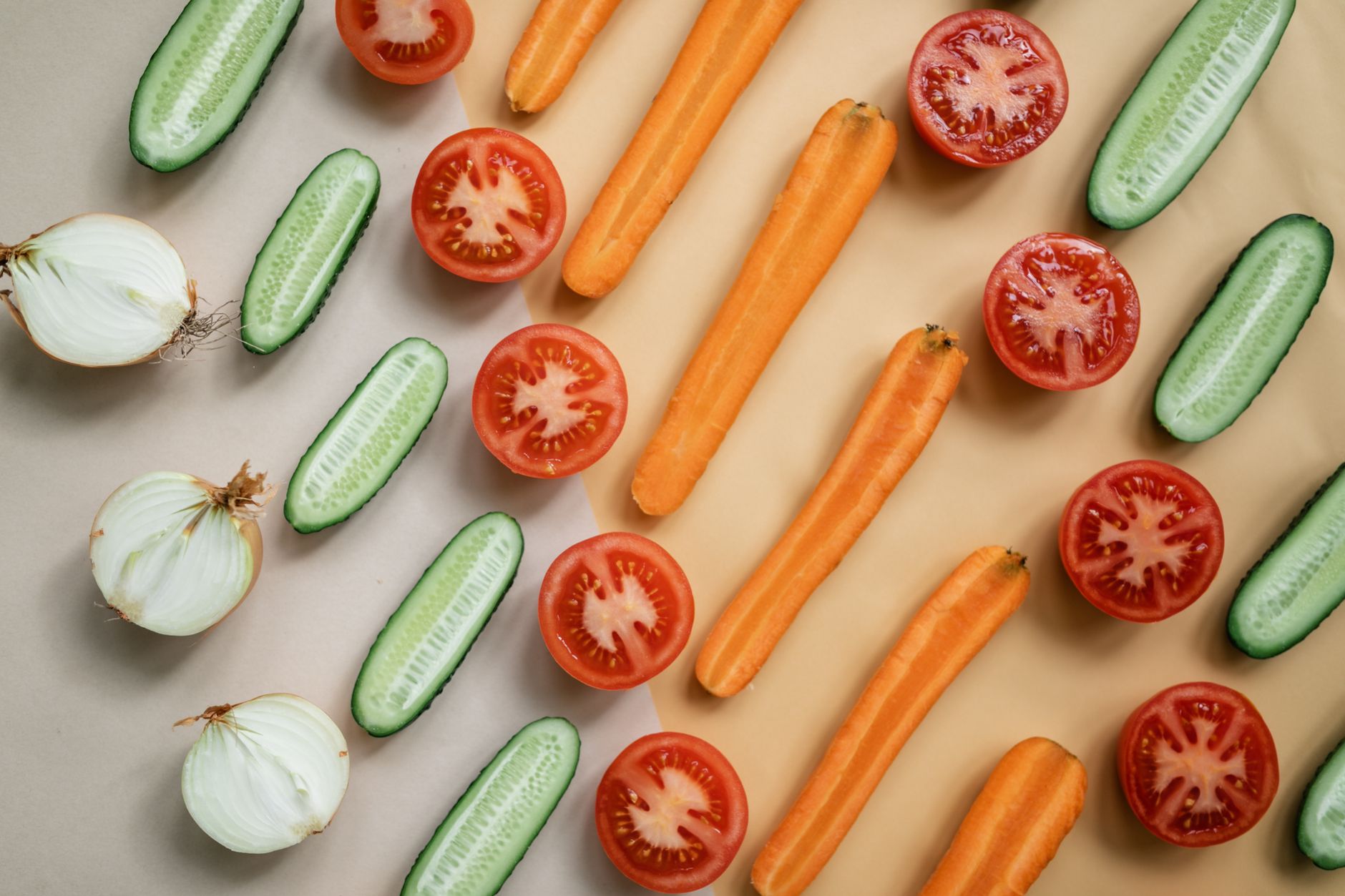
Master how to store fresh vegetables longer, naturally!
Learn the secrets to extending the life of your produce, keeping it crisp, nutritious, and delicious for weeks.
Start Saving Food!Key Takeaways
- ✓ Proper storage can extend vegetable life by weeks, not just days.
- ✓ Humidity and temperature are the two most critical factors for freshness.
- ✓ Ethylene gas, produced by some fruits and vegetables, can prematurely ripen others.
- ✓ Washing produce before storage can sometimes accelerate spoilage.
- ✓ Different vegetables require vastly different storage conditions for optimal longevity.
How It Works
Before storing, identify if your vegetables prefer cool/dry, cool/humid, or room temperature conditions. This knowledge is fundamental to effective preservation.
Avoid washing most vegetables until just before use to prevent moisture-induced decay. Trim any damaged parts and remove tight bindings.
Utilize your refrigerator's crisper drawers, pantry, or countertop based on each vegetable's specific needs. Consider containers that regulate humidity.
Keep ethylene-producing fruits (like apples, bananas) away from ethylene-sensitive vegetables (like broccoli, lettuce) to prevent premature ripening and spoilage.
The Science Behind Vegetable Spoilage: Why Freshness Fades
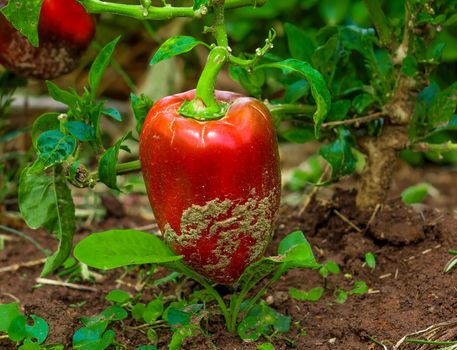 Photo: Edias Vandirai / Pexels
Mastering Refrigerator Storage: Crispers, Containers, and Humidity
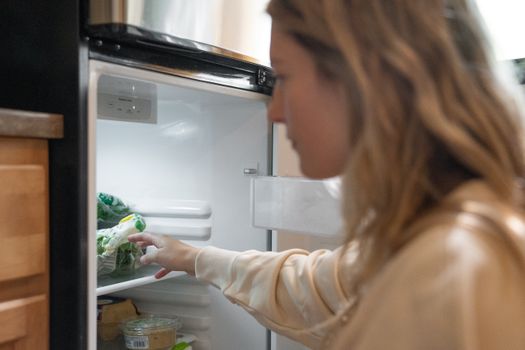 Photo: Kevin Malik / Pexels
Beyond the Fridge: Pantry, Countertop, and Specialized Storage Techniques
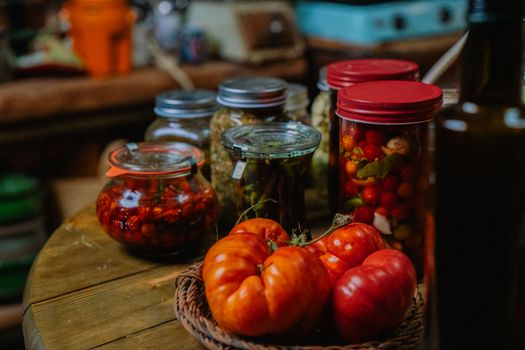 Photo: TIVASEE . / Pexels
Common Mistakes and Smart Solutions for Longer-Lasting Produce
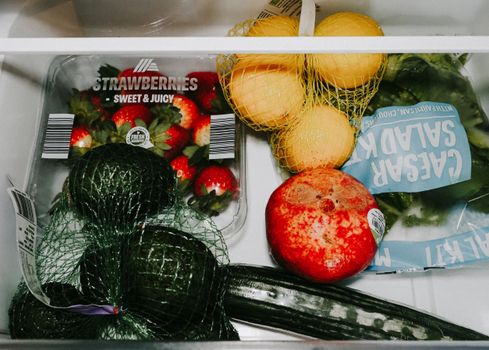 Photo: Lisa from Pexels / Pexels
Comparison
| Storage Method | Best For | Longevity | Humidity Control |
|---|---|---|---|
| Refrigerator Crisper (High Humidity) | Leafy Greens, Carrots, Broccoli, Asparagus | 1-3 Weeks | ✓ |
| Refrigerator Crisper (Low Humidity) | Bell Peppers, Apples, Pears (away from sensitive produce) | 2-4 Weeks | ✗ (drier) |
| Cool, Dark Pantry | Potatoes, Onions, Garlic, Winter Squash | Weeks to Months | ✗ (dry) |
| Countertop (Room Temp) | Tomatoes, Avocados (to ripen), Bananas | Few Days | Neutral |
| Water Bath/Jar | Herbs (cilantro, parsley), Celery, Asparagus | 1-2 Weeks | ✓ |
| Freezing (Blanched) | Peas, Green Beans, Corn, Broccoli, Cauliflower | 6-12 Months | N/A |
What Readers Say
"This guide completely changed how I store my produce! My cilantro used to wilt in days, but now I put it in a glass of water in the fridge, and it stays fresh for almost two weeks. I'm wasting so much less food now."
Sarah J. · Austin, TX"I always struggled with my leafy greens going bad too quickly. Learning about the high-humidity crisper setting and not washing them until use has been a game-changer. My lettuce is crisp for so much longer!"
Mark D. · Chicago, IL"Following these tips, especially separating my potatoes from onions and keeping tomatoes on the counter, has dramatically extended the life of my groceries. I've reduced my food waste by at least 30%, saving money and trips to the store."
Jessica L. · Portland, OR"The advice on ethylene gas was particularly helpful; I never realized that was why some of my produce was spoiling so fast. While some things still don't last as long as I'd hope in my humid climate, this guide definitely made a noticeable improvement."
David K. · Miami, FL"As a busy parent, reducing food waste is huge for my budget. The freezing tips for blanched vegetables means I can buy in bulk and actually use everything. This article is a must-read for anyone serious about freshness."
Emily R. · Denver, COFrequently Asked Questions
What are the most crucial factors for storing fresh vegetables longer?
The most crucial factors are temperature and humidity control, as well as understanding ethylene gas production. Different vegetables thrive in different conditions – some prefer cool and dry, others cool and humid, and some room temperature. Proper segregation to avoid ethylene exposure is also vital.
Is it always better to store vegetables in the refrigerator?
No, not always. While many vegetables benefit from refrigeration, some, like tomatoes, potatoes, onions, and garlic, actually spoil faster or lose flavor/texture in the cold. It's essential to know the specific needs of each vegetable.
How do I store leafy greens to keep them from wilting quickly?
To store leafy greens longer, avoid washing them until just before use. Wrap them loosely in a damp paper towel and place them in a breathable bag or a sealed container in the high-humidity crisper drawer of your refrigerator. This helps maintain moisture without causing sliminess.
Does investing in special storage containers for vegetables really make a difference?
Yes, specialized storage containers can make a significant difference. Containers designed to regulate airflow and humidity, such as those with adjustable vents or specific materials, can create optimal microclimates for different vegetables, extending their freshness far beyond standard methods.
What is ethylene gas, and why is it important for vegetable storage?
Ethylene gas is a natural plant hormone produced by certain fruits and vegetables (like apples, bananas, tomatoes) that acts as a ripening agent. It's important because it can prematurely ripen and spoil ethylene-sensitive vegetables (like broccoli, lettuce, carrots) if stored together, leading to faster decay.
Who benefits most from learning how to store fresh vegetables longer?
Anyone looking to reduce food waste, save money on groceries, improve the quality and flavor of their home-cooked meals, and minimize their environmental impact will benefit greatly. It's particularly useful for those who buy produce in bulk or visit farmers' markets.
Are there any health risks associated with improper vegetable storage?
Yes, improper vegetable storage can lead to the growth of harmful bacteria and mold, which can cause foodborne illnesses. Consuming spoiled produce not only tastes bad but can also pose health risks. Proper storage ensures food safety and preserves nutritional value.
What future trends are emerging in vegetable storage technology?
Future trends include smart refrigerators with advanced climate control zones, biodegradable and compostable packaging with extended shelf-life properties, and innovative home storage solutions that use natural antimicrobial agents or advanced humidity regulation to keep produce fresh even longer.
Ready to transform your kitchen and say goodbye to food waste? By applying these expert techniques on how to store fresh vegetables longer, you'll enjoy crisp, nutritious produce for weeks. Start today and experience the satisfaction of a well-stocked, waste-free pantry!