How to Store Fresh Produce Longer: The Ultimate Guide
how to store fresh produce longer

How to Store Fresh Produce Longer: The Ultimate Guide

Master the art of fresh produce storage to minimize waste, maximize flavor, and make your groceries last.

Start Preserving Today

Key Takeaways

  • ✓ Proper storage can extend produce shelf life by days or even weeks.
  • ✓ Ethylene gas is a key factor in produce ripening and spoilage.
  • ✓ Different fruits and vegetables have unique storage requirements (temperature, humidity).
  • ✓ Washing produce before storage can sometimes accelerate spoilage.
  • ✓ Investing in good storage containers and methods pays off in reduced food waste.

How It Works

1
Understand Produce Needs

Learn which produce prefers cold, dark, dry, or humid environments. This foundational knowledge prevents common storage mistakes.

2
Separate Ethylene Producers

Identify fruits that release ethylene gas and store them away from sensitive produce. This prevents premature ripening and spoilage of other items.

3
Utilize Appropriate Containers

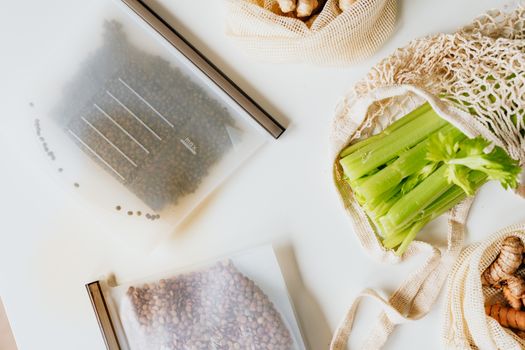
Choose storage solutions like airtight containers, breathable bags, or even simple paper towels. The right container creates the ideal microclimate for your produce.

4
Inspect and Prepare Correctly

Before storing, inspect for spoilage and trim as needed, but avoid washing until ready to use for most items. This minimizes moisture-related decay.

Understanding the Science Behind Produce Spoilage

To truly master how to store fresh produce longer, it's essential to grasp the underlying biological processes that lead to spoilage. Produce, even after being harvested, is still a living organism. It continues to respire, converting stored sugars into energy, and in doing so, it releases heat, carbon dioxide, and water vapor. The rate of respiration directly impacts its shelf life; produce with higher respiration rates tends to spoil faster. Think of delicate berries versus a robust winter squash. Beyond respiration, two major culprits contribute significantly to premature spoilage: ethylene gas and moisture. Ethylene is a natural plant hormone that acts as a ripening agent. Some fruits, known as 'climacteric' fruits, produce significant amounts of ethylene as they ripen, which then accelerates the ripening (and eventual spoilage) of other produce around them, including themselves. Apples, bananas, avocados, peaches, and tomatoes are prime examples of high ethylene producers. Conversely, 'non-climacteric' fruits and most vegetables produce very little ethylene and are also sensitive to its effects. This means storing ethylene-producing fruits next to ethylene-sensitive vegetables like lettuce, broccoli, or carrots can drastically shorten their lifespan, leading to yellowing, softening, or decay. Understanding this distinction is fundamental to smart produce segregation. Moisture, or the lack thereof, also plays a critical role. Too much moisture encourages the growth of mold and bacteria, turning crisp greens into slimy messes. This is why washing produce before storing it is often discouraged, as it introduces excess surface moisture. On the other hand, too little moisture can lead to dehydration, causing produce to wilt, shrivel, and lose its vibrant texture and flavor. Maintaining the right humidity level – often high for leafy greens and low for onions and garlic – is key. The refrigerator's crisper drawers are designed to manage these humidity levels, with adjustable vents allowing you to create a high-humidity environment for some items and a low-humidity one for others. Knowing which setting to use for which item can dramatically impact how long your fresh produce lasts. By understanding these biological nuances, you're not just guessing; you're proactively creating the optimal environment for each piece of produce, ensuring you can enjoy your nutritious purchases for as long as possible. This knowledge forms the bedrock of effective food preservation and is a crucial step towards reducing food waste in your home. For more detailed insights into food science, explore resources on food preservation techniques.

Optimal Storage Strategies for Common Fruits and Vegetables

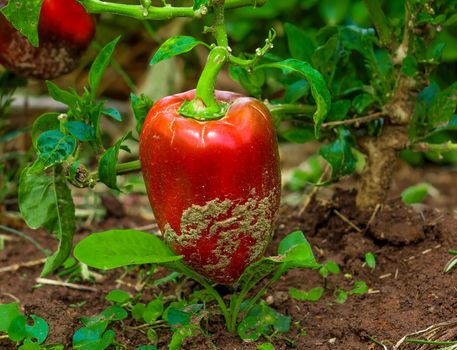
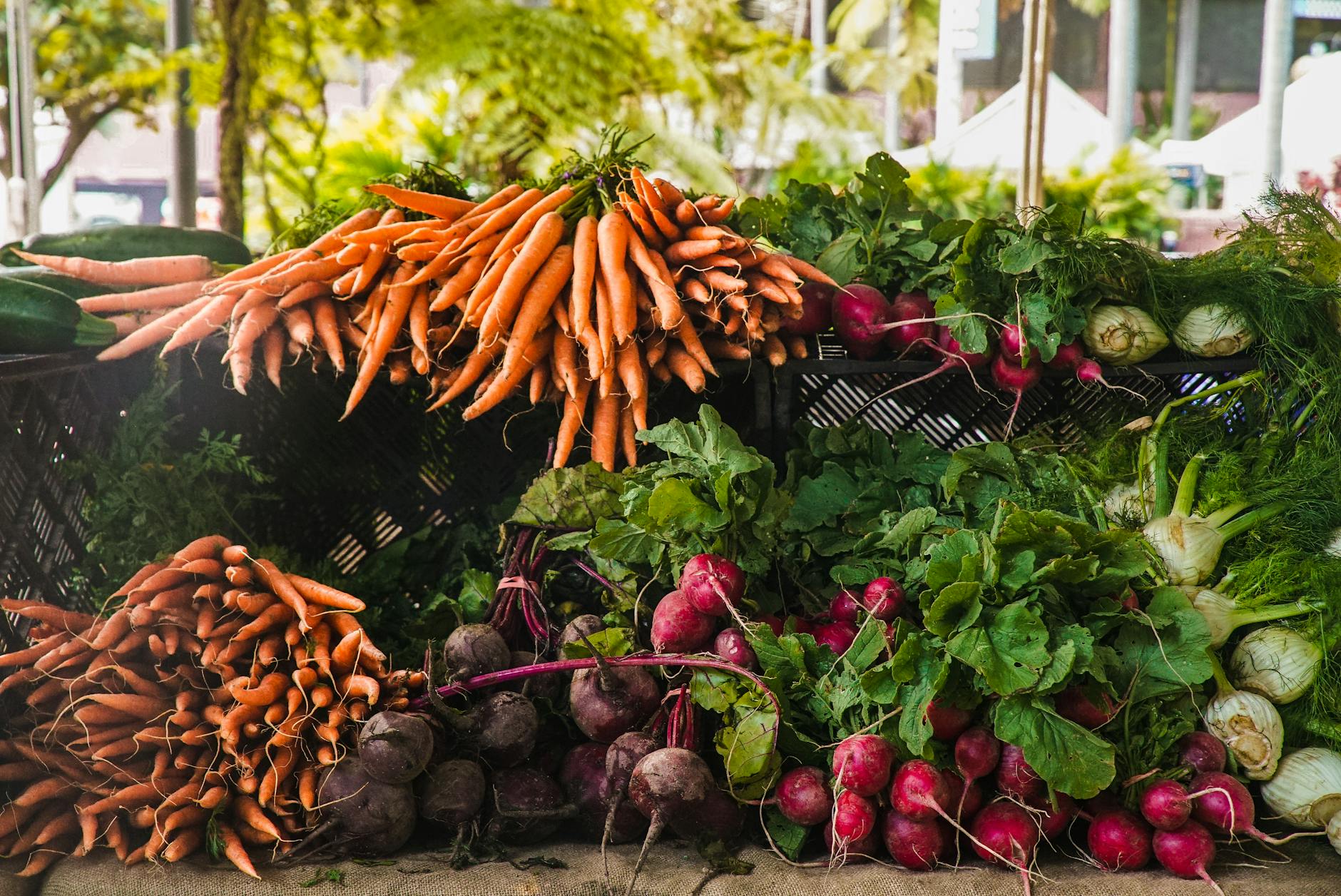
Moving beyond the science, let's dive into practical, item-specific strategies for how to store fresh produce longer. The 'one-size-fits-all' approach simply doesn't work for fruits and vegetables, as each has unique needs regarding temperature, humidity, and sensitivity to ethylene. Here’s a detailed breakdown of how to handle some of your most frequently purchased items: **Apples:** Store apples in the refrigerator, ideally in the crisper drawer. They are ethylene producers, so keep them separate from other ethylene-sensitive produce. Stored this way, they can last for several weeks. **Avocados:** Unripe avocados should be left on the counter at room temperature. To speed up ripening, place them in a paper bag with an apple or banana. Once ripe, move them to the refrigerator to slow down further ripening for a few extra days. **Bananas:** Keep bananas on the counter until they reach your desired ripeness. To extend their life, wrap the stems in plastic wrap to slow ethylene release. Once ripe, you can refrigerate them; the peel will turn black, but the fruit inside will remain fresh for a few more days. **Berries (Strawberries, Blueberries, Raspberries):** These are delicate and prone to mold. Do NOT wash until just before eating. Store them unwashed in a single layer in a breathable container lined with a paper towel in the refrigerator. A common hack is a vinegar wash (1 part vinegar to 3 parts water) for a quick dip, then thoroughly dry before storing, which can help inhibit mold. **Broccoli & Cauliflower:** Store these in the refrigerator, preferably in an open plastic bag or loosely wrapped in a damp paper towel in the crisper drawer. This keeps them hydrated without trapping too much moisture. They can last 1-2 weeks. **Carrots:** Remove the green tops (they draw moisture from the roots) and store carrots in an airtight container or a bag with a damp paper towel in the refrigerator. They can also be stored submerged in water in an airtight container, changing the water every few days, to keep them crisp for weeks. **Citrus Fruits (Lemons, Limes, Oranges, Grapefruits):** Store at room temperature for up to a week if you plan to use them quickly. For longer storage (3-4 weeks), keep them in the refrigerator crisper drawer. They don't mind a bit of humidity. **Cucumbers:** These prefer warmer temperatures than the average refrigerator. Store them on the counter for a few days if you plan to use them quickly. For longer storage (up to a week), place them in the warmest part of the refrigerator (front of the crisper) and keep them away from ethylene producers. They are prone to 'chilling injury' if too cold. **Garlic & Onions:** Store in a cool, dark, dry, and well-ventilated place, like a pantry or cupboard, away from potatoes (they release gases that cause spoilage in each other). Do not refrigerate whole onions or garlic, as the moisture can lead to sprouting or mold. **Leafy Greens (Lettuce, Spinach, Kale):** The key here is to keep them clean, dry, and cool. Wash, thoroughly dry with a salad spinner or paper towels, and then store in an airtight container lined with a paper towel in the refrigerator. The paper towel absorbs excess moisture, preventing sliminess. Change the paper towel if it becomes too damp. They can last 1-2 weeks this way. **Potatoes:** Store in a cool, dark, and dry place, like a pantry or cupboard. Keep them away from onions. Light causes them to turn green and produce solanine, a toxic compound. They can last for several weeks to months if stored correctly. **Tomatoes:** Unripe tomatoes should be stored stem-side down at room temperature to ripen. Once ripe, if you need to extend their life, you can put them in the refrigerator, but be aware that it can slightly diminish their flavor and texture. For optimal flavor, eat them as soon as they're ripe. Never store them in plastic bags, as they need air circulation. **Herbs (Parsley, Cilantro, Basil):** For hardier herbs like parsley and cilantro, treat them like a bouquet of flowers: trim the stems, place them in a glass of water, cover loosely with a plastic bag, and refrigerate. Change the water every few days. For basil, which is more sensitive to cold, keep it on the counter in a glass of water, out of direct sunlight, and don't cover it. You can also blanch and freeze herbs for longer-term storage. Each of these specific approaches maximizes the longevity of your produce, contributing significantly to reducing household food waste. These techniques, while varied, share the common goal of creating the ideal microenvironment for each item. By implementing these tailored strategies, you're not just storing food; you're actively preserving its vitality and nutritional value, ensuring that your ingredients are always ready when you need them. This detailed understanding of individual produce needs is paramount in the journey to mastering how to store fresh produce longer.

Advanced Techniques and Smart Kitchen Hacks for Extending Shelf Life

Beyond the basic storage guidelines, several advanced techniques and clever kitchen hacks can significantly boost your ability to store fresh produce longer, transforming your approach to food management. These methods often involve a little more effort upfront but yield substantial dividends in terms of reduced waste and prolonged freshness. One of the most effective advanced techniques is blanching and freezing, especially for vegetables like broccoli, green beans, peas, and spinach. Blanching involves briefly immersing vegetables in boiling water, followed immediately by an ice bath. This process stops enzymatic actions that cause spoilage, sets vibrant colors, and helps retain nutrients. After blanching, dry the vegetables thoroughly and freeze them in a single layer on a baking sheet before transferring them to airtight freezer bags or containers. This prevents them from clumping together and allows for easy portioning. This method can preserve vegetables for up to 8-12 months, making it an excellent way to handle bulk purchases or garden harvests. Another innovative approach for certain produce is dehydrating. While requiring a dehydrator, this method is fantastic for fruits like apples, bananas, and berries, as well as herbs and even some vegetables like tomatoes or bell peppers. Dehydration removes moisture, inhibiting microbial growth and concentrating flavors. Properly dehydrated produce can last for months or even years when stored in airtight containers in a cool, dark place. This not only extends shelf life but also creates convenient, shelf-stable snacks or ingredients for cooking. Consider making your own sun-dried tomatoes or fruit leathers – delicious and waste-reducing! For delicate leafy greens and herbs, the 'paper towel method' can be elevated. Instead of just lining a container, wrap washed and thoroughly dried greens in a slightly damp (not wet) paper towel or a clean cloth, then place them in an airtight container or a sealed plastic bag. The slight dampness prevents dehydration, while the enclosure maintains humidity, and the towel absorbs excess moisture that could lead to rot. Regularly check and replace the paper towel if it becomes too saturated. This can keep greens crisp for up to two weeks. Similarly, for celery or asparagus, wrapping the stalks tightly in aluminum foil before refrigerating helps them retain moisture and stay crisp for much longer than in plastic bags. Fermentation is another ancient but increasingly popular technique that extends the life of many vegetables, particularly cabbages (sauerkraut, kimchi), cucumbers (pickles), and other root vegetables. By introducing beneficial bacteria, fermentation creates an acidic environment that preserves the food while also enhancing its flavor and nutritional profile. While it requires specific equipment (jars, airlocks) and careful attention to hygiene, fermented foods can last for months and offer probiotic benefits. This method not only preserves but also transforms produce into entirely new culinary experiences. Finally, don't underestimate the power of 'first in, first out' (FIFO) rotation. When you buy new produce, move older items to the front of your fridge or pantry so they are used first. This simple organizational hack, combined with regular inventory checks, prevents items from being forgotten and spoiling in the back of your shelves. Creating a dedicated 'eat me first' bin can be incredibly effective. By integrating these advanced strategies and hacks, you move beyond basic storage to a proactive, comprehensive system that drastically minimizes food waste and maximizes the value of your groceries. These are not just tips on how to save money on groceries; they are investments in a more sustainable and flavorful kitchen.

Common Storage Mistakes and How to Avoid Them
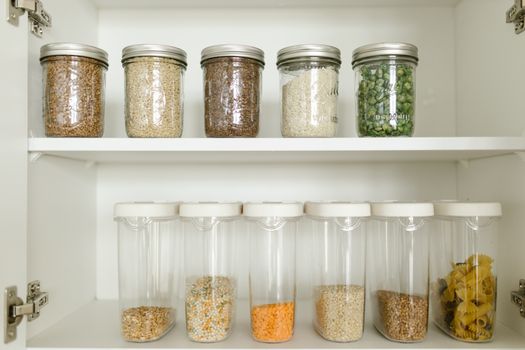
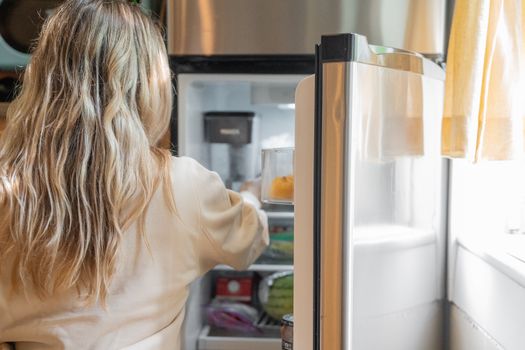
Even with the best intentions, common storage mistakes can quickly undermine your efforts to store fresh produce longer, leading to unnecessary food waste and frequent trips to the grocery store. Recognizing and rectifying these errors is just as crucial as implementing proper storage techniques. Here are some of the most prevalent blunders and actionable advice on how to avoid them: * **Washing Produce Too Early:** Many people wash their fruits and vegetables immediately after buying them, thinking it's more hygienic. However, excess moisture clinging to produce creates a prime environment for mold and bacterial growth, significantly shortening its shelf life. **Solution:** Unless otherwise specified (like pre-washed greens that need to be dried), wait to wash most produce until just before you're ready to use it. If you must wash, ensure it's thoroughly dried with a salad spinner or paper towels before storing. * **Storing Ethylene Producers with Ethylene Sensitives:** This is perhaps the most common and impactful mistake. Placing apples next to lettuce, or bananas near carrots, will cause the latter to ripen and spoil at an accelerated rate. **Solution:** Understand which fruits produce ethylene (apples, bananas, avocados, peaches, tomatoes) and which are sensitive (broccoli, lettuce, carrots, potatoes, leafy greens). Store them in separate areas of your kitchen or refrigerator. Use crisper drawers appropriately – often one for high-humidity (ethylene-sensitive) and one for low-humidity (ethylene-producing). * **Refrigerating Everything:** The refrigerator is not a universal solution. Some produce, like tomatoes, potatoes, onions, garlic, and even certain tropical fruits, suffer in cold temperatures, losing flavor, developing mealy textures, or sprouting prematurely. **Solution:** Know your produce! Store tomatoes, potatoes, onions, garlic, and basil at room temperature in a cool, dark, and dry place. Only move items like avocados to the fridge once they're ripe to slow further ripening. * **Improper Use of Plastic Bags:** While plastic bags can help retain moisture for some items, using them incorrectly can be detrimental. Trapping too much moisture without ventilation leads to condensation and encourages rot. **Solution:** For items that need humidity (like carrots or celery), use perforated plastic bags or poke holes in regular bags. For leafy greens, ensure they are thoroughly dry and consider lining the bag/container with a paper towel to absorb excess moisture. For items that need air circulation (like mushrooms), a paper bag is often a better choice than plastic. * **Ignoring the Crisper Drawers:** Many people use crisper drawers as general storage, unaware of their specific purpose. These drawers are designed to control humidity, with adjustable vents. **Solution:** Use the high-humidity drawer for moisture-loving produce like leafy greens, broccoli, and carrots (vent closed). Use the low-humidity drawer for produce that prefers drier air, like apples, pears, and bell peppers (vent open). Learning to use these effectively can make a significant difference. * **Storing Alliums (Onions, Garlic) with Potatoes:** This is a classic pairing mistake. Onions and garlic release gases that can cause potatoes to sprout faster, and potatoes release moisture that can make onions and garlic mold. **Solution:** Always store these two groups separately in cool, dark, and dry places, but not together. * **Not Trimming or Preparing Correctly:** For some vegetables, a little prep goes a long way. Leaving greens on carrots or beets, for example, draws moisture away from the root, making them wilt faster. **Solution:** Trim greens from root vegetables before storing. For herbs, treating them like a bouquet in water can extend their life. For celery or asparagus, trimming the ends and placing them in water can revive or maintain crispness. By consciously avoiding these common pitfalls, you will dramatically improve your success rate in keeping your produce fresh, delicious, and ready for your culinary adventures, ultimately helping you to store fresh produce longer and reduce household waste.

Comparison

FeatureRefrigerator (Crisper)Countertop (Room Temp)Pantry (Cool, Dark)
Best for Leafy Greens✓ (High Humidity)
Best for Root Vegetables✓ (Carrots, Beets)✓ (Potatoes, Onions)
Ethylene Producers✓ (Separate)✓ (Separate)
Ethylene Sensitives✓ (Separate)
Moisture ControlExcellentPoorGood (Dry)
Flavor Retention (Tomatoes)
LongevityLongest for manyShort to MediumLong for specific items

What Readers Say

"This guide on how to store fresh produce longer is a game-changer! My lettuce used to wilt in days, but now it stays crisp for two weeks. I'm actually saving money on groceries."

Sarah J. · Austin, TX

"I always struggled with my berries molding, but the vinegar wash tip from this article completely changed that. My blueberries last so much longer now, it's incredible."

Michael D. · Seattle, WA

"Following the advice on separating ethylene producers has cut my food waste by at least 30%. My avocados ripen perfectly, and my other veggies stay fresh. Huge impact!"

Jessica L. · Miami, FL

"The tips are mostly excellent, especially for greens. I'm still perfecting the art of storing herbs, but I've seen a noticeable improvement in overall produce longevity."

David K. · Denver, CO

"As a busy parent, reducing food waste is key. This article makes it so easy to understand how to store fresh produce longer for each item. My fridge is now a well-organized freshness zone!"

Emily R. · Chicago, IL

Frequently Asked Questions

What's the single most important rule for how to store fresh produce longer?

The most crucial rule is to understand that different produce items have different needs. There's no one-size-fits-all solution. Pay attention to temperature, humidity, and ethylene sensitivity for each fruit and vegetable you store, and separate items accordingly to prevent premature spoilage.

Is it better to wash produce before storing it?

Generally, no. Washing most produce before storage introduces excess moisture, which can accelerate mold and bacterial growth. It's best to wash fruits and vegetables just before you plan to eat or cook with them, ensuring they are thoroughly dried if they are to be stored for a short period after washing.

How do I store leafy greens like lettuce and spinach to keep them crisp?

For crisp leafy greens, wash them thoroughly, then dry them completely using a salad spinner or by patting them with paper towels. Once dry, store them in an airtight container lined with a fresh, slightly damp paper towel in the refrigerator. The paper towel absorbs excess moisture while maintaining a humid environment.

Do I need special containers to store produce effectively?

While specialized produce savers can be helpful, you don't necessarily need them. Many effective methods use common household items like airtight containers, glass jars, paper towels, and even aluminum foil. The key is to create the right microenvironment (humidity, air circulation) for each item.

What's the difference between climacteric and non-climacteric fruits?

Climacteric fruits (e.g., apples, bananas, avocados, peaches) continue to ripen after being harvested and produce ethylene gas, which accelerates ripening. Non-climacteric fruits (e.g., berries, citrus, grapes) do not ripen significantly after harvest and produce very little ethylene. This distinction is vital for proper storage and preventing spoilage of other produce.

Who benefits most from learning how to store fresh produce longer?

Anyone who buys fresh produce can benefit, but especially those looking to reduce food waste, save money on groceries, improve the nutritional value of their meals by having fresh ingredients on hand, and minimize their environmental footprint. It's a skill for sustainable living.

Are there any safety concerns with storing produce for too long?

Yes, consuming spoiled produce can pose health risks due to bacterial or mold growth. Always inspect produce for signs of spoilage (mold, sliminess, strong odors, significant discoloration) before consumption. When in doubt, it's safer to discard it. Proper storage extends shelf life, but it doesn't make produce immortal.

What future trends might impact how we store fresh produce longer?

Future trends include smart refrigerators with advanced climate control zones, innovative biodegradable packaging that extends shelf life naturally, and potentially even home-based hydroponic or aeroponic systems for growing and storing produce on demand. Genetic engineering for slower-ripening varieties also holds promise.

By implementing these expert strategies and avoiding common pitfalls, you'll master how to store fresh produce longer, significantly reduce food waste, and enjoy fresher, more flavorful meals every day. Start transforming your kitchen into a hub of lasting freshness today!

Topics: how to store fresh produce longerfood preservation tipsreduce food wasteextend shelf life produceproduce storage hacks
Leo List
Brampton weed
Adultwork EstrelaBet Vai de Bet R7 Bet Betão Galera Bet Rainbet Bet9ja Shop SportyBet BetKing Sisal Loto Foot Hollywoodbets YesPlay Odibets RushBet Jugabet BetWarrior BetCity MSport betPawa Fortebet