✓ Most fresh herbs last 1-2 weeks in the refrigerator with proper care.
✓ Freezing herbs in oil or water can extend their life for 6-12 months.
✓ Drying is excellent for woody herbs and can last over a year.
✓ Blanching before freezing helps retain color and flavor for some herbs.
How It Works
1
Assess Herb Type & Condition
Before storing, identify if your herb is tender (basil, cilantro) or woody (rosemary, thyme). Discard any bruised or yellowing leaves to prevent spoilage.
2
Choose the Right Method
Select a storage technique (refrigeration, freezing, drying) based on the herb type and how long you need to store it. Different herbs thrive with different approaches.
3
Prepare Herbs for Storage
Wash and thoroughly dry herbs if refrigerating or freezing. For drying, ensure they are clean and free of excess moisture to prevent mold.
4
Store & Monitor
Implement your chosen storage method, ensuring airtight sealing where necessary. Regularly check stored herbs for signs of spoilage and adjust as needed.
Understanding Herb Types: Tender vs. Woody for Optimal Storage
Photo: SHVETS production / Pexels
The first crucial step in mastering how to store fresh herbs long term is understanding the fundamental difference between tender and woody herbs. This distinction dictates the most effective preservation methods and can significantly extend their shelf life, preventing premature wilting or spoilage. Tender herbs, often characterized by their soft stems and delicate leaves, include popular varieties like basil, cilantro, parsley, mint, and dill. These herbs are typically used fresh and are prone to wilting quickly if not stored correctly. Their high water content makes them susceptible to moisture loss in dry environments and decay in overly damp ones. The goal with tender herbs is to maintain a balance of humidity without encouraging mold growth.
Woody herbs, on the other hand, possess sturdier stems and often smaller, more robust leaves. Examples include rosemary, thyme, oregano, sage, and marjoram. These herbs are generally more resilient and can withstand different storage conditions more effectively than their tender counterparts. Their lower water content and tougher structure make them better candidates for drying, which concentrates their flavors beautifully. While they can also be refrigerated, their woody nature means they tolerate slightly different approaches to moisture management. Knowing this distinction allows you to tailor your storage strategy, ensuring each herb retains its peak flavor and aroma for as long as possible. For instance, basil, a tender herb, absolutely despises cold temperatures, which can cause its leaves to blacken and lose flavor. Conversely, rosemary, a woody herb, can handle refrigeration quite well and also dries exceptionally effectively. This foundational knowledge is paramount before diving into specific techniques for how to store fresh herbs long term. Without this initial assessment, even the most diligent storage efforts might fall short. Consider how you typically use different herbs in cooking; this often provides clues about their structure and ideal storage. For instance, herbs you chop finely and add at the end of cooking (like cilantro) are usually tender, while those you might infuse into oils or roast with vegetables (like rosemary) tend to be woody.
Refrigeration Techniques: Maximizing Freshness for Shorter Durations
Photo: Suzy Hazelwood / Pexels
While the focus is on how to store fresh herbs long term, effective refrigeration techniques are vital for maximizing freshness for shorter durations, typically ranging from one to three weeks. These methods serve as the initial line of defense against spoilage and are perfect for herbs you plan to use relatively soon. For tender herbs like parsley, cilantro, and dill, the 'bouquet' method is highly effective. Trim the ends of the stems, place them in a glass or jar with about an inch of water, much like a bouquet of flowers. Loosely cover the top with a plastic bag (a produce bag works perfectly) and place it in the refrigerator. Change the water every day or two to prevent bacterial growth. This method keeps the herbs hydrated and prevents wilting, allowing them to remain vibrant for up to two weeks. Avoid washing these herbs until just before use, as excess moisture can encourage rot.
Basil, a notoriously finicky tender herb, requires a slightly different approach. It hates the cold and can turn black in the refrigerator. Instead, treat basil like a cut flower: trim the stems, place it in a jar with water on your kitchen counter, away from direct sunlight. Cover it loosely with a plastic bag if your kitchen is particularly dry. This method can keep basil fresh for about a week. For woody herbs such as rosemary, thyme, oregano, and sage, simpler refrigeration methods suffice. Wrap them loosely in a damp paper towel, then place them inside a resealable plastic bag or an airtight container. The damp towel provides essential moisture, while the bag or container prevents dehydration. This technique can keep woody herbs fresh for up to three weeks. Again, wash them only when you're ready to use them to avoid introducing unnecessary moisture that leads to decay.
Regardless of the herb type, always ensure they are dry before refrigerating if you've washed them. Patting them thoroughly with a paper towel or using a salad spinner is crucial. Excess moisture trapped in a container or bag is a breeding ground for mold and bacteria, which will rapidly degrade your herbs. Proper air circulation and controlled humidity are key to successful refrigeration. By implementing these tailored refrigeration strategies, you lay a strong foundation for how to store fresh herbs long term, ensuring you get the most out of your purchase before moving on to more extended preservation methods. Even if you plan to freeze or dry, a good initial refrigeration period can buy you time and maintain quality.
Freezing Methods: The Ultimate Guide to Long-Term Herb Preservation
Photo: alleksana / Pexels
When it comes to truly long-term preservation, freezing is arguably the most effective and versatile method for how to store fresh herbs long term, capable of extending their life for 6 to 12 months without significant loss of flavor or nutritional value. This technique is particularly beneficial for herbs that don't dry well, like basil, cilantro, parsley, and chives, but it also works wonders for woody herbs. The key to successful freezing is to minimize oxidation and freezer burn, which can degrade flavor and texture. There are several popular freezing methods, each suited to different herb types and culinary applications.
One of the most popular methods is freezing herbs in oil. This works exceptionally well for tender herbs like basil, oregano, thyme, and rosemary. Finely chop your clean, dry herbs. Pack them into ice cube trays, filling each compartment about two-thirds full. Top with a neutral-flavored oil, such as olive oil or avocado oil. The oil acts as a barrier, protecting the herbs from freezer burn and preserving their vibrant green color and flavor. Once frozen solid, pop the herb cubes out and transfer them to a freezer-safe bag or container. These herb-infused oil cubes are incredibly convenient for sautéing, making soups, stews, or sauces – simply drop a cube directly into your hot pan. You can even create specific flavor combinations, like a 'pesto base' cube with basil, garlic, and oil.
Another effective freezing method is using water. This is ideal for herbs you might use in broths, stocks, or smoothies, such as parsley, cilantro, or mint. Again, chop the herbs finely, pack them into ice cube trays, and cover with water. Freeze until solid, then transfer to a freezer bag. While water doesn't protect against oxidation as well as oil, it's a great fat-free option and still significantly extends shelf life. For delicate herbs like chives or dill, you can simply chop them and freeze them flat in a single layer on a baking sheet before transferring them to a freezer bag. This prevents clumping and allows you to grab small portions as needed. For robust woody herbs, blanching before freezing can be beneficial. Briefly plunge herbs like parsley or cilantro into boiling water for 10-15 seconds, then immediately transfer them to an ice bath. This process, called blanching, helps to preserve their vibrant color and some flavor by stopping enzyme activity. After blanching, dry them thoroughly, chop, and freeze in ice cube trays with water or oil. Regardless of the method, always label your freezer bags or containers with the herb type and date to ensure you use them within their optimal timeframe. Proper freezing transforms fresh herbs into convenient, ready-to-use flavor bombs, making it an indispensable technique for how to store fresh herbs long term and reduce food waste in your kitchen.
Drying and Salting: Traditional Methods for Extended Storage & Flavor
Photo: Plato Terentev / Pexels
Beyond refrigeration and freezing, traditional methods like drying and salting offer excellent ways for how to store fresh herbs long term, often for a year or even longer. These techniques remove moisture, which is the primary catalyst for spoilage, concentrating the herb's essential oils and intensifying its flavor. Drying is particularly well-suited for woody herbs like rosemary, thyme, oregano, sage, and bay leaves, as their robust structure holds up well to the process. Tender herbs can also be dried, but they often lose some of their delicate flavor and vibrant color compared to when they are fresh or frozen.
Air drying is the simplest and most cost-effective method. Gather small bundles of clean, dry herbs (remove any damaged leaves). Tie the stems together with twine and hang them upside down in a warm, dry, well-ventilated area away from direct sunlight. An attic, pantry, or even a corner of your kitchen can work. Covering the bundles loosely with a paper bag (with holes cut for air circulation) can protect them from dust and insects. Drying can take anywhere from one to three weeks, depending on the herb's moisture content and ambient conditions. The herbs are fully dry when their leaves are brittle and crumble easily. Once dry, strip the leaves from the stems and store them whole or lightly crushed in airtight containers in a cool, dark place. Whole leaves retain their flavor longer than pre-crushed herbs.
For faster drying, a food dehydrator is an excellent investment. It allows for controlled temperature and airflow, significantly reducing drying time to a few hours. Spread single layers of clean, dry herb leaves on the dehydrator trays and follow the manufacturer's instructions, typically at a low temperature (around 95-115°F or 35-46°C). An oven can also be used for drying at its lowest setting with the door slightly ajar to allow moisture to escape, but this requires close monitoring to prevent scorching. Microwave drying is a quick option for small batches; place herbs between paper towels and microwave on high for 30-second intervals until crisp, typically 2-4 minutes.
Salting is another ancient preservation method, especially effective for herbs like rosemary, thyme, or even basil (though basil's color may darken). Layer clean, dry herbs with coarse salt in an airtight jar. The salt draws out moisture, creating a flavorful, herb-infused salt that can be used in cooking. This method not only preserves the herbs but also creates a versatile seasoning. While drying and salting might alter the texture of herbs, they are invaluable for concentrating flavors and ensuring you have a steady supply of culinary essentials long after the growing season ends. Properly stored dried herbs can last for over a year, making them a true testament to how to store fresh herbs long term.
Common Mistakes and Expert Tips for Herb Longevity
Even with the best intentions, several common mistakes can drastically shorten the lifespan of your fresh herbs. Avoiding these pitfalls is as crucial as employing the right storage techniques when learning how to store fresh herbs long term. One of the most frequent errors is washing herbs too early. Unless you are freezing them immediately, washing herbs before storing them in the refrigerator adds unnecessary moisture, creating an ideal environment for mold and bacterial growth. Always wash herbs just before you're ready to use them. If you absolutely must wash them, ensure they are thoroughly dried with a salad spinner or paper towels before storage.
Another common mistake is storing all herbs the same way. As discussed, tender and woody herbs have different needs. Treating basil like rosemary or cilantro like thyme will inevitably lead to disappointment. Lack of airtight storage is also a major culprit; exposure to air causes dehydration and oxidation, leading to wilting and flavor loss. Conversely, too much moisture without proper ventilation can lead to sliminess and rot. Finding the right balance is key. Overcrowding in storage containers restricts airflow and can accelerate spoilage, so give your herbs a little space.
Here are some expert tips to further enhance your herb longevity:
* **Blanching for Color:** For herbs like parsley or cilantro that you plan to freeze, a quick blanch (10-15 seconds in boiling water, then an ice bath) before freezing can help them retain their vibrant green color and fresh flavor for longer.
* **Herb-Specific Storage:** Research the specific needs of less common herbs. Some, like chives, do best simply wrapped in a damp paper towel in a sealed bag, while others might prefer different approaches.
* **Label Everything:** When freezing or drying, clearly label containers with the herb name and the date of storage. This helps ensure you use them within their optimal freshness window and prevents confusion.
* **Regular Checks:** Periodically check your stored herbs. Remove any pieces that show signs of spoilage immediately to prevent it from spreading to the rest of the batch.
* **Consider Herb Gardens:** If you frequently use fresh herbs, growing your own allows you to harvest only what you need, ensuring maximum freshness and reducing storage needs.
* **Utilize All Parts:** Don't discard stems, especially from woody herbs like parsley or cilantro. They are packed with flavor and can be used in stocks, soups, or infused oils. This minimizes waste and maximizes flavor potential.
By understanding these common errors and implementing these expert tips, you'll significantly improve your success rate in how to store fresh herbs long term, enjoying their aromatic contributions to your culinary creations for months on end.
Comparison
Feature
Freezing (Oil/Water)
Refrigeration (Bouquet/Damp Towel)
Drying (Air/Dehydrator)
Salting
Shelf Life
6-12 Months
1-3 Weeks
6-18 Months
6-12 Months
Flavor Retention
Excellent (close to fresh)
Good
Good (concentrated)
Good (infused)
Texture Retention
Fair (softens)
Excellent
Poor (brittle)
Poor (softens/changes)
Best For
Tender & Woody Herbs
Tender & Woody Herbs
Woody Herbs
Woody Herbs, some Tender
Preparation Effort
Medium
Low
Medium
Medium
Space Required
Freezer Space
Refrigerator Space
Minimal (jars)
Minimal (jars)
What Readers Say
★★★★★
"Following these tips on how to store fresh herbs long term has been a game-changer! My basil no longer turns black in a day, and I've got frozen cilantro cubes ready for any recipe. So much less waste!"
Sarah J. · Austin, TX
★★★★★
"I used to throw out so many herbs. The oil-freezing method for rosemary and thyme is brilliant. Now, I always have fresh-tasting herbs, even in winter, thanks to learning how to store fresh herbs long term."
Mark P. · Seattle, WA
★★★★★
"My family noticed the difference immediately. The flavors in my cooking are much brighter because I'm not using dried herbs as often. This guide on how to store fresh herbs long term saved me money and improved my meals!"
Emily R. · Denver, CO
★★★★★
"The advice for basil keeping it on the counter works, but it only lasts about a week for me. Still, a huge improvement over it blackening in the fridge! The freezing tips are fantastic for everything else."
David L. · Miami, FL
★★★★★
"As a busy home cook, having pre-chopped herbs in oil in my freezer is a lifesaver. It cuts down on prep time and ensures I'm using fresh, flavorful ingredients. This article truly taught me how to store fresh herbs long term effectively."
Jessica M. · Chicago, IL
Frequently Asked Questions
What is the best overall method for how to store fresh herbs long term?
Freezing is generally considered the best overall method for how to store fresh herbs long term, especially for tender varieties, as it preserves their flavor and color remarkably well for 6-12 months. Drying is excellent for woody herbs and can last even longer, often over a year.
Will freezing herbs change their flavor or texture?
Freezing herbs generally retains their flavor very well, especially when frozen in oil. However, their texture will soften significantly upon thawing, making them best suited for cooked dishes rather than garnishes where a crisp texture is desired.
How do I prevent my basil from turning black in the refrigerator?
Basil is highly sensitive to cold. To prevent it from turning black, treat it like a cut flower: trim the stems, place it in a jar with water on your kitchen counter (away from direct sunlight), and cover loosely with a plastic bag. Do not refrigerate fresh basil.
Is it worth buying a food dehydrator just for herbs?
If you frequently grow or buy large quantities of woody herbs and enjoy using dried herbs in your cooking, a food dehydrator can be a worthwhile investment. It offers a consistent and efficient way to dry herbs, preserving their flavor and extending their shelf life for over a year.
How does salting herbs compare to drying or freezing?
Salting herbs is a unique preservation method that both dries and infuses the salt with herb flavor. It results in a different product – a flavored salt – rather than a standalone herb. While it extends shelf life, it's used differently in cooking compared to dried or frozen herbs, which retain more of their original form.
Who should prioritize learning how to store fresh herbs long term?
Anyone who frequently cooks with fresh herbs, grows their own herb garden, or finds themselves throwing away unused herbs should prioritize learning these long-term storage methods. It reduces food waste, saves money, and ensures a consistent supply of fresh flavor.
Are there any health risks associated with improperly stored herbs?
Yes, improperly stored herbs, especially those that become damp or slimy, can harbor bacteria and mold. Consuming such herbs can lead to foodborne illness. Always inspect herbs for signs of spoilage before use and discard anything that looks or smells off.
What emerging trends are there in herb preservation?
While traditional methods remain strong, there's growing interest in vacuum sealing for short-term refrigeration and specialized freezer bags designed to minimize freezer burn. Home freeze-drying units are also becoming more accessible, offering a premium preservation method for a wider variety of foods, including herbs, with excellent flavor and texture retention.
By implementing these proven strategies, you can confidently answer the question of how to store fresh herbs long term, ensuring your kitchen is always stocked with vibrant, flavorful ingredients. Stop wasting money and start elevating your meals with perfectly preserved herbs today. Explore these methods and transform your culinary approach!

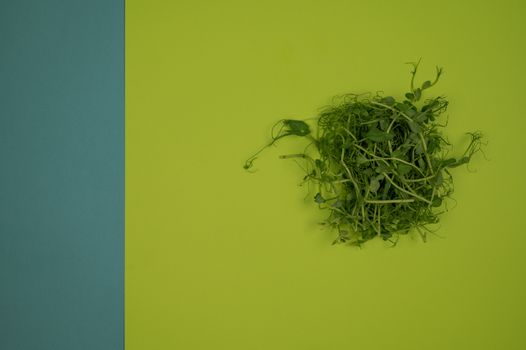 Photo: SHVETS production / Pexels
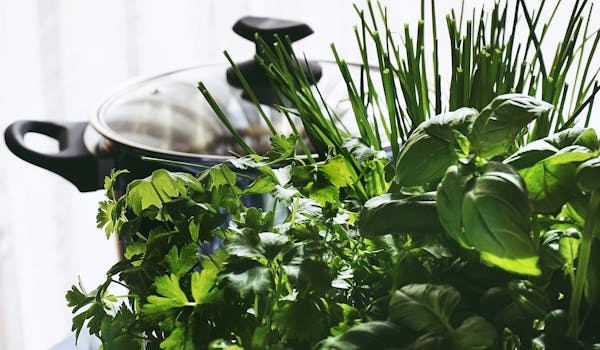 Photo: Suzy Hazelwood / Pexels
 Photo: alleksana / Pexels
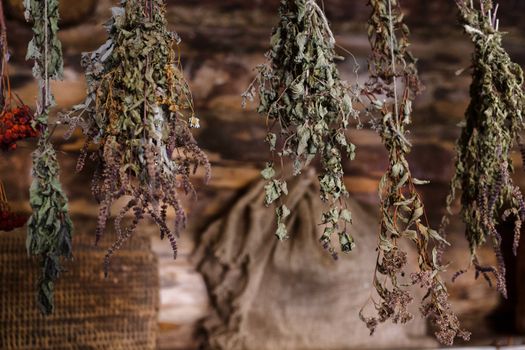 Photo: Plato Terentev / Pexels