✓ Meal prepping saves an average of 5-10 hours per week.
✓ It can reduce food waste by up to 25%.
✓ Studies show meal preppers consume more fruits and vegetables.
✓ Starting small with just 2-3 meals is key for beginners.
How It Works
1
Plan Your Meals
Decide what you want to eat for the week, focusing on balanced meals. Consider your schedule and dietary needs when making selections.
2
Shop Smart
Create a detailed grocery list based on your meal plan to avoid impulse buys. Stick to your list to save money and ensure you have all ingredients.
3
Prep Your Ingredients
Wash, chop, and measure out all components of your meals in advance. This streamlines cooking and reduces daily kitchen time significantly.
4
Cook and Assemble
Cook your chosen dishes or components, then portion them into airtight containers. Store properly in the fridge or freezer for easy access throughout the week.
Understanding the Fundamentals of Meal Planning for Beginners
Photo: Nataliya Vaitkevich / Pexels
Embarking on the journey of meal preparation can seem daunting at first, especially when confronted with elaborate Instagram posts of meticulously organized fridges. However, the core principle of 'how to meal prep for beginners' is surprisingly simple: planning and preparing your meals ahead of time to save time, reduce stress, and promote healthier eating habits throughout your week. It's not about becoming a gourmet chef overnight; it's about making smart, strategic decisions that simplify your daily routine.
At its heart, meal prepping involves a few key steps. First, you'll decide what you want to eat for several days or even the entire week. This might involve choosing breakfast, lunch, and dinner, or just focusing on the meals that give you the most trouble, like lunches for work. Second, you'll create a grocery list based on your chosen recipes. This step is crucial for efficiency and preventing food waste. Third, you'll dedicate a block of time, typically a few hours on a weekend, to prepare and cook these meals or their components. This could mean chopping all your vegetables for the week, cooking a large batch of grains, or preparing entire dishes that can be easily reheated. Finally, you'll portion and store your prepared food in appropriate containers, ready for consumption.
One of the biggest misconceptions for beginners is that meal prepping requires cooking every single meal from scratch. In reality, there are various approaches. You can opt for 'batch cooking,' where you cook large quantities of one or two dishes that you'll eat multiple times. Another method is 'component prepping,' where you prepare individual ingredients like cooked chicken, roasted vegetables, or a big pot of rice, which can then be mixed and matched into different meals. Or, you can choose 'freezer meals,' assembling dishes that can be frozen and cooked later. The best approach for you as a beginner will depend on your schedule, cooking comfort level, and dietary preferences. Don't feel pressured to do it all at once; start with what feels manageable and build from there. The goal is to make your life easier, not more complicated. For more insights on efficient cooking techniques, explore this guide on quick and healthy cooking methods.
The benefits of embracing meal prep are multifaceted. Financially, it can significantly reduce your grocery bill by minimizing impulse buys and takeout orders. Health-wise, it empowers you to make conscious food choices, ensuring you're consuming balanced, nutritious meals rather than relying on less healthy convenience options. Time-wise, it frees up precious minutes during busy weekdays, allowing you to focus on other priorities or simply relax. Moreover, it cultivates a sense of control over your diet and can be a powerful tool for achieving specific health goals, whether that's weight management, increasing vegetable intake, or simply eating more consistently. Understanding these foundational elements is the first step in successfully integrating meal prep into your lifestyle and making it a sustainable habit.
Essential Tools and Strategies for Successful Meal Prepping
Photo: Ella Olsson / Pexels
To truly excel at 'how to meal prep for beginners', having the right tools and a solid strategy is paramount. You don't need a professional kitchen, but a few key items can make the process significantly smoother and more enjoyable. First and foremost, invest in high-quality, airtight food storage containers. Glass containers are often preferred for their durability, ability to go from fridge to microwave, and resistance to odors and stains, but BPA-free plastic containers are a more budget-friendly and lightweight option. Ensure you have a variety of sizes to accommodate different meal components and portion sizes. Beyond containers, a good set of sharp knives will drastically speed up your chopping and dicing. A large cutting board, preferably one that doesn't slip, is also essential for safety and efficiency. Depending on your chosen recipes, a large baking sheet, a sturdy pot, and a slow cooker or instant pot can also be invaluable for batch cooking.
Once you have your tools, developing a strategic approach is the next step. Begin by selecting recipes that are suitable for meal prepping. Look for dishes that hold up well when reheated, such as stews, curries, grain bowls, and roasted vegetables. Avoid recipes that rely heavily on delicate textures, like crispy fried foods or certain salads, which might become soggy. When planning your meals, consider incorporating a balance of macronutrients: lean protein, complex carbohydrates, and healthy fats. This ensures your meals are satisfying and provide sustained energy throughout the day. Don't be afraid to reuse core ingredients across different meals to minimize shopping and prep time. For example, a large batch of roasted chicken can be used in salads, wraps, or grain bowls throughout the week.
Another critical strategy for beginners is to start small. Don't try to prep every single meal for seven days right away. Begin by prepping just your lunches for three days, or perhaps a few dinners. Once you feel comfortable with that, gradually expand your efforts. This incremental approach prevents overwhelm and helps build confidence. When it comes to the actual cooking session, create a workflow. Start with tasks that take the longest, like roasting vegetables or cooking grains. While those are cooking, move on to chopping other ingredients or preparing sauces. Multitasking effectively within your prep session will significantly cut down on the overall time spent in the kitchen. Remember to cool food completely before portioning and storing to prevent condensation and bacterial growth. Proper cooling techniques are vital for food safety and maintaining the quality of your prepared meals. Consider creating a dedicated meal prep playlist or podcast to make the process more enjoyable and less like a chore.
Delicious and Easy Meal Prep Ideas for Beginners
Photo: Ella Olsson / Pexels
Now that you understand the 'how to meal prep for beginners' fundamentals and have your tools ready, let's dive into some practical and delicious meal ideas that are perfect for newcomers. The key here is simplicity and versatility. You want recipes that are forgiving, don't require too many exotic ingredients, and taste great even after a few days in the fridge. For breakfast, overnight oats are a game-changer. Combine rolled oats, milk (dairy or non-dairy), chia seeds, and your choice of sweetener and toppings (fruit, nuts, spices) in a jar. Let it sit in the fridge overnight, and you have a nutritious, grab-and-go breakfast. Egg muffins are another fantastic option; simply whisk eggs with your favorite vegetables and cheese, pour into a muffin tin, and bake. They can be stored in the fridge and reheated in seconds.
For lunches and dinners, grain bowls are incredibly adaptable and forgiving. Start with a base of cooked whole grains like quinoa, brown rice, or farro. Add a protein source such as baked chicken breast, roasted chickpeas, or hard-boiled eggs. Pile on roasted or steamed vegetables like broccoli, sweet potatoes, or bell peppers. Finish with a healthy fat like avocado (add fresh just before eating) or a drizzle of your favorite dressing (store separately). The beauty of grain bowls is that you can mix and match components throughout the week to keep things interesting. Another excellent beginner-friendly option is a large batch of chili or lentil soup. These dishes often taste even better the next day, are packed with nutrients, and freeze beautifully, making them ideal for having extra meals on hand. You can pair them with a side of whole-grain bread or a simple side salad.
Sheet pan meals are another beginner's best friend. The concept is simple: chop your protein (chicken, sausage, tofu) and vegetables (broccoli, carrots, potatoes), toss them with olive oil and seasonings, and roast them all on one sheet pan. This minimizes cleanup and results in a flavorful, complete meal. Once cooked, portion them into your containers. Think about combinations like chicken and fajita vegetables, or sausage and root vegetables. For quick snacks, consider prepping sliced fruits and vegetables with hummus, portioned nuts and seeds, or homemade energy bites. Remember to consider the shelf life of your ingredients. Cooked meats and vegetables typically last 3-4 days in the refrigerator. For longer storage, many prepped meals can be frozen for up to 3 months. Always label your containers with the date to keep track. For more diverse culinary inspiration, check out easy weeknight dinner recipes that can be adapted for meal prep.
Common Meal Prep Mistakes to Avoid and Expert Tips
Photo: cottonbro studio / Pexels
As you navigate 'how to meal prep for beginners', it's inevitable to encounter a few bumps along the way. Learning from common mistakes and applying expert tips can significantly enhance your experience and ensure long-term success. One of the most frequent errors beginners make is trying to prep too much too soon. Overambition often leads to burnout and wasted food. Start small, perhaps with just 3-4 meals for the week, and gradually increase as you gain confidence and efficiency. Another mistake is neglecting variety, leading to palate fatigue. Eating the same chicken, rice, and broccoli for five straight days can quickly make meal prep feel like a chore. Combat this by varying your protein sources, incorporating different vegetables, and experimenting with various seasonings and sauces. Even slight changes can make a big difference in enjoyment.
Another pitfall is improper storage. Not cooling food sufficiently before sealing containers can lead to condensation, making food soggy and creating an environment for bacterial growth. Always allow cooked food to cool to room temperature (typically within two hours) before refrigerating. Using non-airtight containers is also a common mistake, which can lead to food spoiling faster or absorbing fridge odors. Invest in quality, airtight containers to maintain freshness and safety. Lastly, many beginners forget to account for their actual schedule. If you know you have a dinner out one night, don't prep a meal for that evening. Over-prepping leads to waste and can feel discouraging.
Here are some expert tips to help you avoid these pitfalls and excel at meal prepping:
* **Theme Your Weeks:** Dedicate a week to Asian-inspired bowls, then a week to Mediterranean flavors. This keeps things interesting without needing a huge recipe library.
* **Embrace Batch Cooking Components:** Instead of full meals, cook large quantities of grains, roasted vegetables, and proteins. Then, mix and match them into different meals throughout the week.
* **Prioritize Perishables:** When planning, consider which ingredients spoil fastest (e.g., delicate greens, fresh berries) and plan to consume those earlier in the week.
* **Utilize Your Freezer:** Many cooked items (soups, stews, cooked grains, some proteins) freeze exceptionally well. Freeze individual portions for quick meals later.
* **Don't Forget Snacks:** Prep healthy snacks like chopped veggies and hummus, fruit, or portioned nuts to avoid unhealthy grazing between meals.
* **Season Generously (but Separately):** Season your main components well, but consider adding fresh herbs or a squeeze of lemon/lime right before eating to brighten flavors. Store dressings and sauces separately to prevent sogginess.
* **Clean As You Go:** This simple habit makes the post-prep cleanup much less daunting and keeps your kitchen organized.
* **Keep a Running List of Favorites:** As you discover meals you love and that prep well, add them to a list for easy rotation in future weeks.
By being mindful of these common mistakes and integrating these practical tips, your meal prepping journey will be more efficient, enjoyable, and sustainable, ultimately leading to better health and more free time.
Comparison
Feature
Batch Cooking
Component Prepping
Full Meal Assembly
Freezer Meals
Time Commitment
Medium
Low-Medium
High
High (initially)
Variety Potential
Low
High
Medium
Medium
Flexibility
Low
High
Medium
High (later)
Ease for Beginners
✓
✓
✗
✗
Storage Needs
Medium
Medium
High
High (freezer)
Best for
Eating same meal multiple times
Customizable daily meals
Grab-and-go convenience
Long-term planning
What Readers Say
★★★★★
"This guide on how to meal prep for beginners completely changed my routine. I used to eat takeout every day for lunch, but now I have healthy, prepped meals ready. It saves me so much time and money!"
Sarah J. · Austin, TX
★★★★★
"I was overwhelmed by meal prepping, but the step-by-step approach here made it incredibly easy to start. My fridge is now organized, and I'm eating healthier without feeling deprived."
Mark D. · Chicago, IL
★★★★★
"Following these tips, I've successfully prepped breakfasts and lunches for my family for two weeks straight. We've cut our grocery bill by 20% and feel much more energized."
Jessica L. · Miami, FL
★★★★★
"Great advice for getting started, though I found it took a couple of tries to get my portion sizes right. Still, a fantastic resource for anyone looking to simplify their eating habits."
David R. · Seattle, WA
★★★★★
"As a busy grad student, I thought meal prepping was out of reach. This guide showed me how to meal prep for beginners efficiently, and now I have more time for studying instead of cooking nightly."
Emily S. · Denver, CO
Frequently Asked Questions
What are the absolute essentials for how to meal prep for beginners?
For beginners, the absolute essentials include airtight food storage containers (glass or BPA-free plastic), a good set of sharp knives, a large cutting board, and a reliable grocery list. Start with simple recipes that use common ingredients and don't require specialized equipment.
Is meal prepping really worth the time investment on weekends?
Absolutely! While it requires a few hours on a weekend, meal prepping can save you significantly more time during busy weekdays. It eliminates daily cooking decisions, reduces cleanup, and ensures you always have a healthy option readily available, preventing impulse purchases or unhealthy choices.
How do I prevent my prepped meals from getting soggy or boring?
To prevent sogginess, always cool food completely before storing and keep dressings or sauces separate until serving. To avoid boredom, vary your protein sources, vegetables, and seasonings each week. Try component prepping to mix and match ingredients into different meals.
What's the typical cost saving for someone who learns how to meal prep for beginners?
The cost savings can be substantial. By reducing reliance on takeout, restaurant meals, and impulse grocery buys, meal preppers often save hundreds of dollars a month. It allows for bulk purchasing and efficient use of ingredients, minimizing food waste.
How does meal prepping compare to using a meal kit delivery service?
Meal prepping offers greater flexibility and often significant cost savings compared to meal kit delivery services. While meal kits provide convenience, meal prepping gives you complete control over ingredients, portion sizes, and recipes, allowing for more customization and usually a lower per-meal cost.
Who should consider learning how to meal prep for beginners?
Anyone looking to save time, eat healthier, manage their budget better, or achieve specific health goals (like weight loss or muscle gain) should consider meal prepping. It's particularly beneficial for busy professionals, students, and families.
What are the food safety considerations when meal prepping?
Key food safety considerations include cooling cooked food rapidly (within two hours) before refrigeration, storing food in airtight containers, reheating food to 165°F (74°C), and consuming refrigerated prepped meals within 3-4 days. Always practice good hygiene during preparation.
What are the future trends in meal prepping?
Future trends in meal prepping include increased personalization based on dietary needs (e.g., specific macro targets, allergen-free), greater emphasis on sustainable and locally sourced ingredients, and the integration of smart kitchen technology to streamline the planning and cooking process.
Ready to transform your eating habits and reclaim your valuable time? Start your journey on how to meal prep for beginners today. With these strategies and tips, you'll be well on your way to a healthier, more organized, and delicious week ahead.
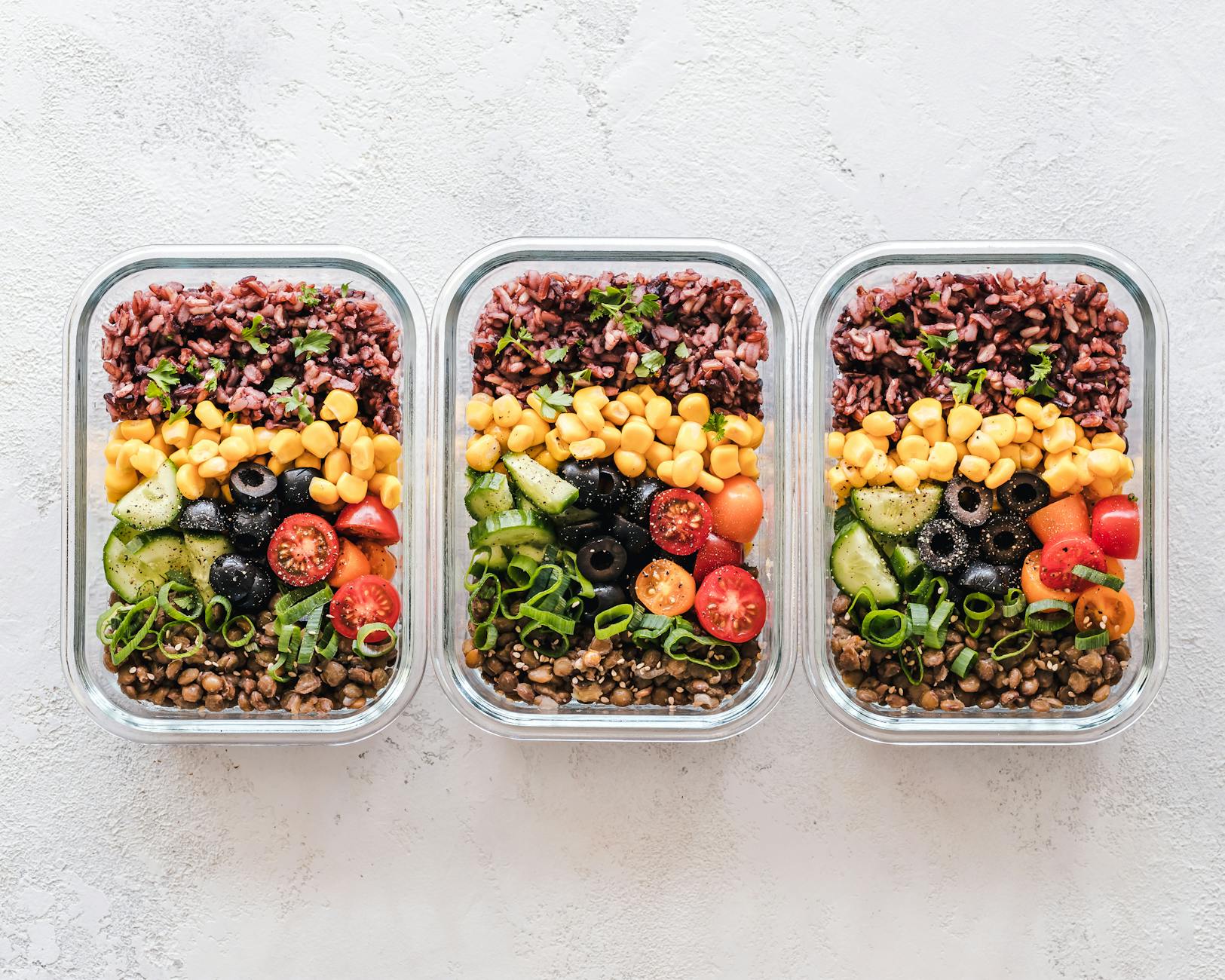
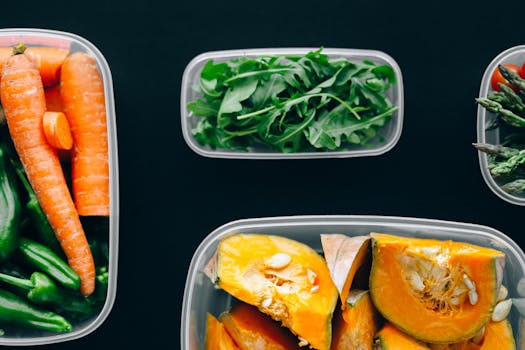 Photo: Nataliya Vaitkevich / Pexels
 Photo: Ella Olsson / Pexels
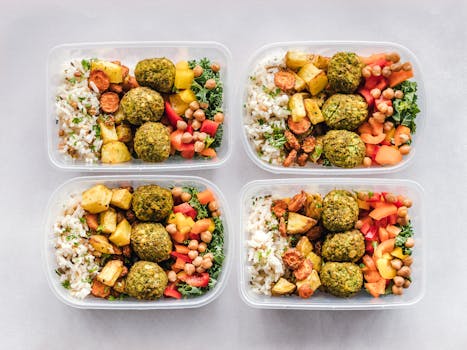 Photo: Ella Olsson / Pexels
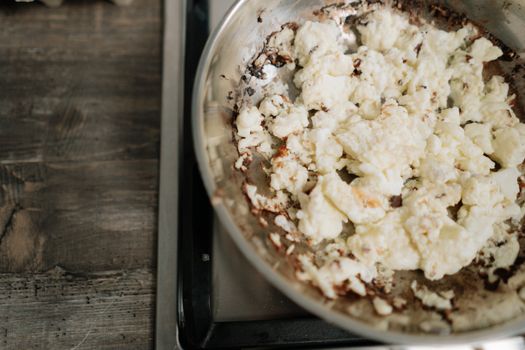 Photo: cottonbro studio / Pexels