✓ Sourdough starter is a living culture of wild yeast and bacteria.
✓ It requires only flour and water to begin.
✓ Consistency and regular feeding are crucial for success.
✓ A mature starter can last indefinitely with proper care.
How It Works
1
Combine Flour & Water
Mix equal parts flour and water in a jar to create the initial paste. This provides the first meal for wild yeasts in the environment.
2
Daily Feeding Routine
Discard most of the starter, then feed the remainder with fresh flour and water. This promotes growth and strengthens the microbial community.
3
Observe Activity
Look for bubbles, a pleasant sour smell, and a significant rise after feeding. These are signs your starter is becoming active and potent.
4
Reach Maturity
After 7-14 days of consistent feeding and observation, your starter should reliably double in size within a few hours. It's then ready for baking.
Understanding the Magic Behind Your Sourdough Starter
Photo: Guillermo Berlin / Pexels
Embarking on the journey of how to make sourdough bread starter is more than just mixing flour and water; it's about cultivating a living, breathing ecosystem that will transform your baking forever. At its heart, a sourdough starter is a symbiotic culture of wild yeast and lactic acid bacteria (LAB) harvested from the environment around us. These microscopic organisms are naturally present on flour, in the air, and even on your hands. When provided with the right conditions – specifically, a consistent food source (flour) and hydration (water) – they begin to multiply, ferment, and produce the distinct flavors and leavening power characteristic of sourdough bread.
The wild yeasts in your starter are responsible for producing carbon dioxide gas, which gets trapped in the dough's gluten structure, causing the bread to rise. Unlike commercial yeast, which is a single, highly cultivated strain, wild yeasts offer a more complex and nuanced fermentation. Simultaneously, the lactic acid bacteria produce various organic acids, primarily lactic and acetic acids. These acids are the secret behind sourdough's signature tangy flavor profile, and they also play a crucial role in improving the bread's shelf life, nutrient availability, and overall digestibility. Think of your starter as a tiny, bustling metropolis of microbes, all working in harmony to create something truly magical. Understanding this fundamental process helps you appreciate the patience and observation required to nurture a healthy, active starter. It's a testament to natural fermentation, offering a profound connection to ancient baking traditions. This natural leavening agent is not only healthier but also provides a depth of flavor that is simply unparalleled by conventional baking methods. It's a journey into micro-biology in your own kitchen, leading to incredibly rewarding results. The beauty of it lies in its simplicity – just two ingredients, yet capable of such complex transformation. This foundation will empower you to troubleshoot and adapt as your starter evolves. Discover more about fermentation benefits.
Gathering Your Essential Tools and Ingredients
Photo: Natalia Olivera / Pexels
Before you dive into the hands-on process of how to make sourdough bread starter, ensuring you have the right tools and ingredients is paramount. While the list is short, the quality and type of each item can significantly impact your starter's success and vigor. First, let's talk about flour. The best flour to begin with is unbleached all-purpose flour or, even better, unbleached bread flour. The 'unbleached' part is crucial because bleaching agents can inhibit the growth of the beneficial wild yeasts and bacteria we're trying to cultivate. Whole wheat flour can also be an excellent choice, especially for the initial few days, as it contains more natural microbes and nutrients, giving your starter a strong kickstart. However, transitioning to unbleached white flour after a few days can result in a more manageable and less dense starter. Avoid self-rising flour or flours with added leavening agents.
Next, water. Tap water is often perfectly fine, but if your tap water is heavily chlorinated, it can interfere with microbial activity. Chlorine is a disinfectant, after all. If you suspect your water is heavily chlorinated, you have a few options: let it sit out in an open container for 24 hours to allow the chlorine to dissipate, or use filtered water (like from a Brita filter) or bottled spring water. Distilled water is generally not recommended as it lacks the minerals that can be beneficial to your starter's health. The temperature of the water matters too; aim for room temperature or slightly warm water (around 70-75°F or 21-24°C) to encourage optimal microbial growth.
For equipment, you'll need a suitable container. A glass jar with a wide mouth, such as a quart-sized Mason jar, is ideal. Glass allows you to easily observe the activity of your starter, like bubble formation and rise. Avoid metal containers for long-term storage, as some metals can react with the acids in the starter. You'll also need a lid, but it shouldn't be airtight. A loose-fitting lid, a piece of plastic wrap, or even a breathable cloth secured with a rubber band will allow air exchange while preventing contaminants. A kitchen scale is an absolute must for accurate measurements. Sourdough baking relies on precise ratios, and measuring by weight (grams) is far more accurate than by volume (cups). Finally, a rubber spatula or wooden spoon for mixing, and a permanent marker or rubber band to mark the starter's height after feeding, will be incredibly helpful for tracking its progress. With these essentials, you're well-prepared to embark on your sourdough adventure.
The Day-by-Day Journey: Cultivating Your Active Sourdough Starter
Photo: Anh Nguyen / Pexels
Making your sourdough bread starter is a process that requires patience and observation, but the rewards are well worth it. Here's a day-by-day guide to help you cultivate a robust and active starter:
**Day 1: The Inauguration**
In a clean, quart-sized glass jar, combine 50 grams (approximately 1/4 cup) of unbleached all-purpose or whole wheat flour with 50 grams (approximately 1/4 cup) of room temperature water. Mix thoroughly with a rubber spatula until no dry clumps remain. The mixture should have the consistency of thick pancake batter. Scrape down the sides of the jar, cover loosely with a lid or plastic wrap, and place it in a warm spot (70-75°F or 21-24°C) away from direct sunlight. The warmth helps activate the wild yeasts. Mark the initial height of your starter on the jar with a rubber band or marker. Leave it undisturbed for 24 hours.
**Day 2: First Signs of Life?**
After 24 hours, check your starter. You might see a few small bubbles, or it might look exactly the same – both are normal. Regardless of appearance, it's time for the first feeding. Discard about half (approximately 50 grams) of your starter. To the remaining 50 grams, add another 50 grams of flour and 50 grams of water. Mix well, scrape down the sides, cover loosely, mark the new height, and return it to its warm spot. This discard process ensures the starter doesn't become too acidic and keeps the microbial population balanced and well-fed. Learn more about the benefits of discarding starter.
**Days 3-5: Building Momentum**
By day 3, you should definitely start seeing more activity. You'll likely notice more bubbles, and your starter might even show a slight rise after feeding. It might also start to develop a slightly sour or yeasty smell. Continue the daily feeding routine: discard all but 50 grams, then feed with 50 grams of flour and 50 grams of water. Mix, cover, and return to the warm spot. If you're using whole wheat flour initially, this is a good time to consider transitioning to unbleached all-purpose or bread flour for a lighter texture. The key during these days is consistency. Don't be discouraged if activity seems to wane on one day; it's part of the natural ebb and flow of microbial growth.
**Days 6-7: The Peak and Purity**
Around day 6 or 7, your starter should be showing significant signs of life. It should reliably double in size within 4-8 hours after feeding, be full of bubbles, and have a pleasant, tangy aroma reminiscent of yogurt or fruit. It should also pass the 'float test' – drop a small spoonful into a glass of water; if it floats, it's ready! At this point, you might consider feeding it twice a day (every 12 hours) if it's peaking quickly and then deflating. This frequent feeding helps strengthen the culture. Once your starter consistently doubles in size and passes the float test, it's considered mature and ready to bake your first loaf of sourdough bread. Congratulations, you've successfully cultivated your very own natural leavening agent!
Troubleshooting Common Sourdough Starter Issues and Maintenance
Photo: Natalia Olivera / Pexels
Even with the best intentions, your sourdough starter might throw you a few curveballs. Knowing how to troubleshoot common issues and maintain your starter will ensure its longevity and vitality. One of the most frequent concerns is a lack of activity. If your starter isn't bubbling or rising, first check the ambient temperature. If your kitchen is too cold, the microbes will be sluggish. Try moving your starter to a warmer spot, like on top of the refrigerator, near a sunny window (but not direct harsh sun), or in a turned-off oven with the light on (be careful not to overheat). Another reason for inactivity could be insufficient feeding. Are you discarding enough and feeding regularly? If your starter is very hungry, it won't show much activity. Try increasing the feeding ratio (e.g., 1:2:2 starter:flour:water) or feeding more frequently.
Another common issue is a strange smell. While a healthy starter should smell pleasantly tangy, like yogurt or ripe fruit, an off-putting aroma – like nail polish remover (acetone) or strong cheese – indicates it's very hungry and producing too much acetic acid. This is often a sign it needs more frequent feeding or a larger feeding ratio. Simply discard more and feed generously. A liquid layer forming on top, often dark brown or black, is called 'hooch.' This is another clear sign of hunger. Hooch is harmless, but it indicates your starter has consumed all its food. You can pour off the hooch or stir it back in (it adds tang). Then, feed your starter as usual. If the hooch is a very dark color, your starter is extremely hungry and might need several regular feedings to recover fully.
Mold is a more serious concern. If you see fuzzy, colorful patches (green, black, pink, or orange), your starter has likely become contaminated. Unfortunately, there's no saving a moldy starter, and it should be discarded immediately to prevent health risks. This often happens due to unsterile jars or cross-contamination. Always use clean utensils and jars. Once your starter is mature and active, you can transition it to a maintenance schedule. For daily bakers, keeping it on the counter with daily or twice-daily feedings is ideal. For less frequent baking, store it in the refrigerator. In the fridge, it only needs to be fed once a week or every two weeks. Before baking, take it out, let it come to room temperature, and feed it 1-2 times until it's active and bubbly again. With these tips, your sourdough starter can thrive for years, becoming a cherished part of your kitchen.
Comparison
Feature
Sourdough Starter
Commercial Active Dry Yeast
Commercial Instant Yeast
Leavening Agent
Wild yeast & bacteria
Saccharomyces cerevisiae
Saccharomyces cerevisiae
Flavor Profile
Tangy, complex, rustic
Mild, yeasty
Mild, yeasty
Ingredients
Flour, water
Yeast granules
Yeast granules
Preparation Time
7-14 days (initial)
5-10 minutes (proofing)
None (add directly)
Shelf Life
Indefinite (with care)
Months (sealed)
Months (sealed)
Nutritional Value
✓ (Improved digestibility)
✗
✗
Gut Health Benefits
✓ (Probiotic potential)
✗
✗
Cost
Flour & water
Low
Low
What Readers Say
★★★★★
"This guide on how to make sourdough bread starter was a game-changer! I had tried before and failed, but the detailed day-by-day instructions made all the difference. My starter, 'Bubbles,' is now thriving and I'm baking incredible loaves."
Sarah J. · Austin, TX
★★★★★
"I followed these steps exactly and within 9 days, I had a super active sourdough starter. The tips on troubleshooting off-smells were particularly helpful. Highly recommend for any aspiring sourdough baker!"
David M. · Portland, OR
★★★★★
"My starter is now over a month old thanks to this article! It consistently doubles and passes the float test, leading to perfect, airy sourdough bread every time. The explanation of the science behind it really helped me understand the process."
Emily R. · Denver, CO
★★★★★
"The guide is excellent, though my starter took a bit longer than 7 days to get truly active in my colder kitchen. Once I moved it to a warmer spot, it really took off. Great advice overall for how to make sourdough bread starter."
Michael T. · Chicago, IL
★★★★★
"As a complete novice, I was intimidated, but this clear, concise guide made how to make sourdough bread starter feel achievable. My family loves the bread I'm making now – it's so much better than store-bought!"
Jessica L. · Miami, FL
Frequently Asked Questions
What is the most common reason a sourdough starter fails?
The most common reason for failure is inconsistency in feeding or an unsuitable environment. Irregular feeding schedules, using chlorinated water, or keeping the starter in a too-cold environment can all inhibit microbial growth. Patience and adherence to the daily routine are key for success.
My starter smells like nail polish remover. Is it ruined?
No, it's not ruined! A smell like nail polish remover (acetone) indicates your starter is very hungry and producing excess acetic acid. It's a sign it needs more frequent feeding or a larger feeding ratio. Discard most of it and feed it generously; it should recover within a few feedings.
How do I know when my sourdough starter is ready to bake with?
Your starter is ready when it consistently doubles in size within 4-8 hours after feeding, is full of bubbles, and passes the 'float test' – a small dollop should float in a glass of water. It should also have a pleasant, tangy, yeasty aroma.
Is it more expensive to make my own sourdough starter than buy commercial yeast?
Initially, the cost is minimal, consisting only of flour and water. While a packet of commercial yeast is inexpensive, maintaining a sourdough starter over time can be more economical as it uses basic pantry staples and can last indefinitely, whereas commercial yeast has a limited shelf life.
How does sourdough starter compare to commercial yeast for baking?
Sourdough starter provides a more complex, tangy flavor and improved digestibility due to its unique blend of wild yeasts and lactic acid bacteria. Commercial yeast (Saccharomyces cerevisiae) is a single strain, offering faster, more predictable rising but a milder flavor profile. Sourdough baking is slower but yields a more nuanced product.
Who should consider making their own sourdough starter?
Anyone interested in baking artisan bread at home, those seeking healthier bread options, or individuals looking to reduce their reliance on commercial yeasts should consider making a sourdough starter. It's also perfect for food enthusiasts who enjoy a hands-on, rewarding culinary project.
Is there any risk associated with a sourdough starter?
The primary risk is mold contamination, which appears as fuzzy, colored spots. If mold is present, the starter should be discarded immediately. A healthy starter maintained with clean practices poses no health risk. The acidity of a healthy starter naturally inhibits harmful bacteria.
What are the emerging trends in sourdough starter use beyond bread?
Beyond traditional bread, sourdough starter is increasingly used in pancakes, waffles, pizza dough, crackers, bagels, and even fried foods for added flavor and leavening. Some bakers are experimenting with different flours like rye or spelt to cultivate unique starter characteristics.
You now have all the knowledge and tools to confidently embark on your journey of how to make sourdough bread starter. With patience and consistent care, you'll soon be baking delicious, tangy loaves that will impress everyone. Start your sourdough adventure today and transform your kitchen into a hub of artisan baking!
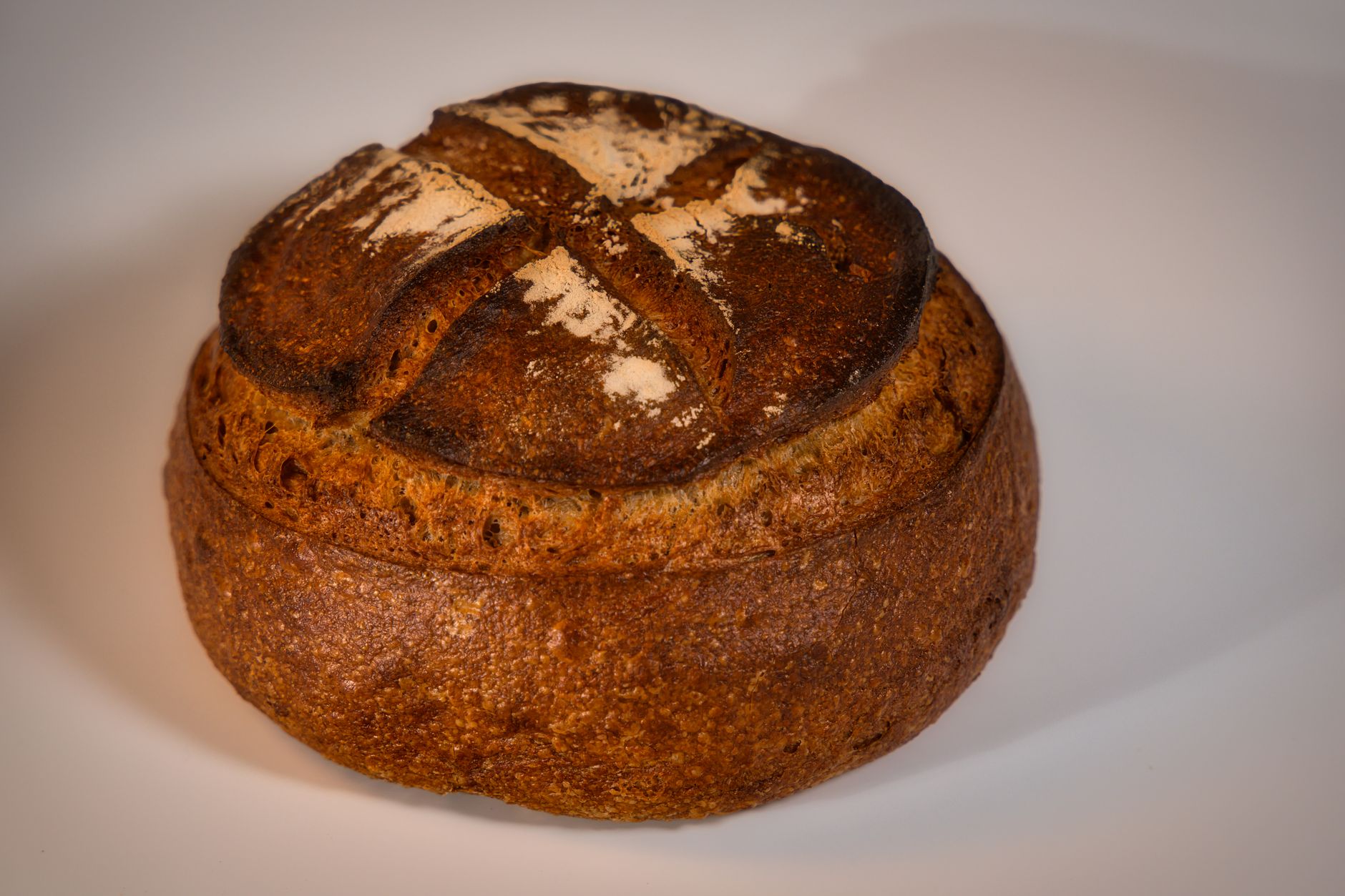
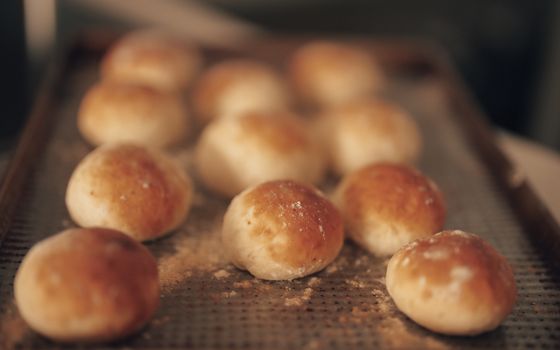 Photo: Guillermo Berlin / Pexels
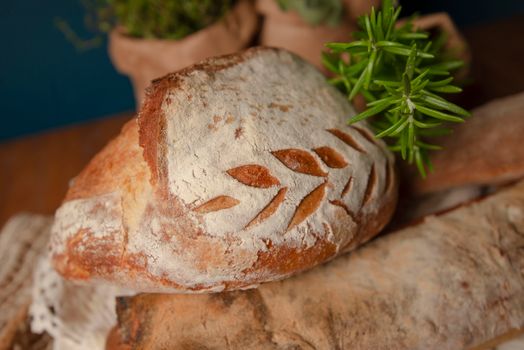 Photo: Natalia Olivera / Pexels
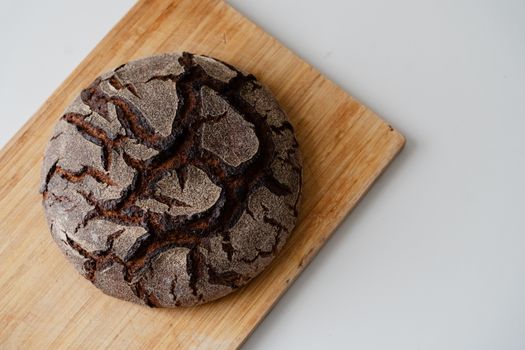 Photo: Anh Nguyen / Pexels