✓ Homemade pasta sauce offers superior flavor and nutritional value compared to store-bought.
✓ The foundation of most great sauces is quality tomatoes, whether fresh or canned.
✓ Basic pasta sauce can be made with just a few simple ingredients and minimal effort.
✓ Customization is key: adapt recipes to your taste preferences and available ingredients.
How It Works
1
Gather Your Ingredients
Select fresh, ripe tomatoes or high-quality canned varieties. Assemble aromatics like garlic and onion, and essential herbs such as basil and oregano.
2
Prepare and Sauté Aromatics
Finely chop your onions and garlic. Sauté them gently in olive oil until translucent and fragrant, forming the flavor base for your sauce.
3
Simmer Your Tomatoes
Add crushed or diced tomatoes to the pan. Bring to a gentle simmer, allowing the flavors to meld and deepen over time, usually for 30-60 minutes.
4
Season and Finish
Season generously with salt, pepper, and fresh herbs. Adjust consistency as desired and serve over your favorite pasta for a truly delicious meal.
The Foundation: Choosing the Best Tomatoes for Your Sauce
Photo: tom analogicus / Pexels
The heart of any truly spectacular homemade pasta sauce lies in the quality of its tomatoes. This foundational ingredient dictates much of the flavor profile, sweetness, and acidity of your final creation. When considering how to make homemade pasta sauce, the first crucial step is making an informed decision about your tomatoes. While fresh, ripe tomatoes plucked straight from the garden or farmer's market are often hailed as the gold standard, the reality is that high-quality canned tomatoes can often yield equally, if not superior, results, especially outside of peak growing season. For fresh tomatoes, look for varieties like San Marzano, Roma, or any meaty, low-seed tomato. These possess a natural sweetness and low acidity that translates beautifully into a cooked sauce. If using fresh, blanching them briefly in boiling water and then plunging them into an ice bath will make peeling their skins effortless. Then, core and crush them by hand for a rustic texture or process them lightly for a smoother finish. Understanding tomato varieties can significantly impact your sauce's character.
However, for consistency and convenience, especially during colder months, canned tomatoes are an excellent choice. Not all canned tomatoes are created equal, though. Seek out whole peeled San Marzano tomatoes, certified by the 'D.O.P.' (Denominazione d'Origine Protetta) label, which guarantees their origin and quality from Italy. These tomatoes are known for their balanced sweetness, delicate flavor, and minimal acidity. Other excellent options include crushed tomatoes, which save you a step, or diced tomatoes, if you prefer a chunkier sauce. Avoid canned tomatoes with added sugars, artificial flavors, or excessive sodium. The simpler the ingredient list, the better. When opening a can of whole peeled tomatoes, you can either crush them by hand for a more rustic texture or use an immersion blender for a smoother consistency. Regardless of whether you choose fresh or canned, the goal is to select tomatoes that are vibrant in color, rich in flavor, and free from any off-notes. This careful selection is the cornerstone of mastering how to make homemade pasta sauce.
Mastering the Aromatics and Herbs for Authentic Flavor
Photo: Maxi Gagliano / Pexels
Beyond the tomatoes, the aromatics and herbs are the silent heroes that build complexity and depth in your homemade pasta sauce. These ingredients are not merely additions; they are essential flavor builders that elevate a simple tomato base into something truly memorable. When embarking on how to make homemade pasta sauce, understanding the role of each aromatic is key. Onions, typically yellow or white, provide a foundational sweetness and savory depth. They should be finely diced and sautéed gently in good quality olive oil until they are translucent and soft, but not browned. This slow cooking process allows their natural sugars to caramelize slightly, adding a subtle sweetness that balances the acidity of the tomatoes. Garlic, another indispensable aromatic, brings a pungent, savory kick. It should be minced or thinly sliced and added to the pan after the onions have softened, cooking for only a minute or two until fragrant. Be careful not to burn the garlic, as it can turn bitter very quickly.
Herbs, both fresh and dried, infuse the sauce with their distinctive perfumes and flavors. Fresh basil is arguably the most iconic herb for Italian pasta sauces. Its sweet, peppery notes are best added towards the end of the cooking process to preserve its delicate flavor and vibrant color. Tearing the leaves rather than chopping them can also help prevent bruising and maintain their aromatic oils. Dried oregano, on the other hand, is robust and stands up well to longer cooking times. It can be added earlier with the tomatoes, allowing its earthy, slightly bitter notes to meld throughout the sauce. Other herbs like fresh parsley, thyme, or even a hint of red pepper flakes for a subtle heat can also be incorporated to customize your sauce. The interplay of these aromatics and herbs, carefully balanced and introduced at the right moments, transforms simple ingredients into a rich, layered sauce. Experimenting with these components is part of the joy of learning how to make homemade pasta sauce, allowing you to tailor the flavor profile to your personal preferences and create a signature dish that truly stands out.
The Art of Simmering: Achieving Perfect Texture and Depth
Photo: Nanda Mends / Pexels
The simmering stage is where the magic truly happens when you're learning how to make homemade pasta sauce. It’s a patient process, but one that richly rewards with profound depth of flavor and a silky, satisfying texture. After your aromatics have been gently sautéed and your tomatoes added, the sauce enters its transformative phase. The goal of simmering is not just to cook the ingredients, but to allow their individual flavors to meld, concentrate, and deepen. A gentle, consistent simmer, where small bubbles occasionally break the surface, is ideal. Avoid a rolling boil, which can evaporate too much liquid too quickly and lead to a less nuanced flavor profile. The duration of simmering can vary; a quick sauce might simmer for 30 minutes, while a more robust, slow-cooked sauce could benefit from an hour or even two. The longer it simmers, the more the flavors develop and the sauce thickens naturally. Understanding cooking temperatures is crucial here.
During simmering, it's important to stir the sauce occasionally to prevent sticking and ensure even heat distribution. This also allows you to monitor the consistency. If the sauce becomes too thick, you can add a splash of water, vegetable broth, or even a bit of the pasta cooking water later on to reach your desired consistency. Conversely, if it's too thin, simply continue simmering uncovered to allow more liquid to evaporate. This is also the time to adjust seasoning. Start with a good pinch of salt and black pepper, then taste and adjust. A small amount of sugar can be added if your tomatoes are particularly acidic, but often, the natural sweetness from slowly cooked onions and quality tomatoes is sufficient. A bay leaf can also be added during simmering for an extra layer of subtle flavor, removed before serving. Towards the end of the simmering process, incorporate your fresh herbs like basil. Their delicate flavors are best preserved when not subjected to prolonged heat. The art of simmering is about finding that perfect balance – allowing enough time for flavors to deepen without over-reducing or losing the fresh essence of your ingredients. This careful attention to detail during simmering is what truly distinguishes an ordinary sauce from an exceptional one, making your efforts in how to make homemade pasta sauce truly worthwhile.
Tips, Tricks, and Common Mistakes to Avoid
Photo: Rene Terp / Pexels
Crafting the perfect homemade pasta sauce is a rewarding endeavor, but like any culinary pursuit, there are nuances that can elevate your dish or lead to common pitfalls. Here are some essential tips and common mistakes to avoid when you're mastering how to make homemade pasta sauce:
* **Don't Rush the Aromatics:** One of the most frequent mistakes is rushing the sautéing of onions and garlic. These need to cook slowly and gently until they are translucent and fragrant, not browned or burnt. Burnt garlic, especially, will impart a bitter, unpleasant taste to your entire sauce.
* **Season as You Go:** Don't wait until the very end to season. Add salt and pepper in stages, tasting as you go. This allows the flavors to integrate properly and prevents over-salting or under-seasoning. Remember, you can always add more, but you can't take it away.
* **Embrace Quality Olive Oil:** Use a good quality extra virgin olive oil for both sautéing and finishing. Its fruity, peppery notes contribute significantly to the overall flavor of your sauce. Cheap oil can leave a greasy or off-taste.
* **Adjust Acidity Naturally:** If your sauce tastes too acidic, resist the urge to add too much sugar. Instead, try adding a pinch of baking soda (a tiny amount, like 1/8 teaspoon, will neutralize acidity without altering flavor) or a small amount of grated carrot during simmering for natural sweetness. Slow simmering also naturally mellows acidity.
* **Don't Over-Blend:** If you prefer a smoother sauce, use an immersion blender or a regular blender (carefully, in batches) but avoid over-processing. A little texture adds character. Over-blending can make the sauce gluey or foamy.
* **Utilize Pasta Water:** A secret weapon for many Italian chefs is pasta cooking water. Its starchy, salty nature helps emulsify the sauce, making it cling beautifully to the pasta. Add a ladleful or two to your sauce right before tossing it with the cooked pasta.
* **Fresh Herbs at the End:** Delicate fresh herbs like basil should be added towards the very end of cooking, or even after the heat is off. This preserves their vibrant color and fresh, aromatic oils that can be lost with prolonged cooking.
* **Taste, Taste, Taste:** Your palate is your best guide. Continuously taste the sauce throughout the cooking process and adjust seasonings, acidity, or thickness as needed. This iterative process is key to developing a truly personal and delicious sauce.
By keeping these tips in mind and avoiding common missteps, your journey to how to make homemade pasta sauce will be consistently successful and incredibly delicious.
Comparison
Feature
Homemade Sauce
Premium Jarred Sauce
Budget Jarred Sauce
Flavor Depth
Rich, layered, customizable
Good, consistent
Often bland, artificial
Ingredient Quality
Full control, fresh
Generally good
Lower quality, additives
Nutritional Value
High, no preservatives
Moderate, some additives
Lower, high sodium/sugar
Cost
Moderate (ingredients)
High
Low
Customization
✓
✗
✗
Satisfaction
High
Moderate
Low
What Readers Say
★★★★★
"This guide completely changed how I approach pasta night! I always thought making sauce from scratch was too complicated, but the step-by-step instructions made it so easy. The flavor is incomparable to anything I've bought in a jar."
Maria S. · Brooklyn, NY
★★★★★
"I've been trying to make a good homemade pasta sauce for years, and this article finally gave me the missing pieces. The tips on simmering and using pasta water were game-changers. My family raves about my sauce now!"
David L. · Austin, TX
★★★★★
"Following this guide, I made the best marinara sauce of my life. My kids, who are usually picky, devoured their entire plates. It tasted so fresh and authentic, far better than any restaurant version."
Sophia R. · Seattle, WA
★★★★★
"A solid, comprehensive overview for home cooks. While some of the techniques are standard, the emphasis on ingredient quality and the detailed troubleshooting tips are excellent. A very helpful resource for anyone starting out."
Chef Antoine B. · New Orleans, LA
★★★★★
"As someone with food sensitivities, knowing exactly what goes into my sauce is crucial. This article empowers me to create delicious, safe meals for my family. The control over ingredients makes all the difference."
Jessica M. · Denver, CO
Frequently Asked Questions
What are the best tomatoes to use for homemade pasta sauce?
For the best homemade pasta sauce, opt for high-quality canned San Marzano tomatoes (D.O.P. certified) or fresh, ripe varieties like Roma or San Marzano during peak season. These tomatoes offer a balanced sweetness and low acidity that are ideal for a rich, flavorful sauce.
Is it really worth making pasta sauce from scratch?
Absolutely! Making pasta sauce from scratch allows you to control the quality of ingredients, adjust flavors to your preference, and avoid artificial additives and excessive sodium found in many store-bought options. The superior, fresh taste and aroma are well worth the effort.
How do I make my homemade pasta sauce less acidic?
To reduce acidity in your homemade pasta sauce, you can add a tiny pinch of baking soda (about 1/8 teaspoon), a small amount of grated carrot for natural sweetness, or allow the sauce to simmer longer. Slow simmering naturally mellows acidity and deepens flavors.
What's the typical cost of making homemade pasta sauce?
The cost of making homemade pasta sauce is generally moderate, depending on the quality of ingredients you choose. While a can of premium San Marzano tomatoes might be a few dollars, the overall cost per serving is often comparable to, or even less than, a high-quality jarred sauce, with significantly better flavor.
How does homemade pasta sauce compare to store-bought options?
Homemade pasta sauce typically far surpasses store-bought options in terms of freshness, flavor depth, and nutritional value. It allows for complete control over ingredients, avoiding preservatives, excessive sugar, and sodium often found in commercial products, resulting in a more authentic and delicious experience.
Who should consider making their own pasta sauce?
Anyone looking to elevate their cooking, control ingredients for dietary reasons, or simply enjoy fresher, more flavorful meals should consider making their own pasta sauce. It's especially rewarding for food enthusiasts, health-conscious individuals, and families seeking delicious, wholesome options.
Are there any safety concerns with making and storing homemade pasta sauce?
The primary safety concern is proper storage. Always cool your sauce rapidly before refrigerating or freezing. Store in airtight containers for up to 5-7 days in the refrigerator or up to 3-4 months in the freezer. Ensure clean utensils and surfaces are used during preparation to prevent contamination.
What are the future trends for homemade pasta sauce?
Future trends for homemade pasta sauce lean towards increased experimentation with global flavors, plant-based variations, and a continued emphasis on local, seasonal, and organic ingredients. Expect more innovative twists on classic recipes, with a focus on unique flavor combinations and sustainable sourcing.
Ready to transform your culinary skills and delight your taste buds? Dive into the world of homemade pasta sauce today. With this comprehensive guide, you have everything you need to create unforgettable meals and savor the true taste of Italy in your own kitchen.
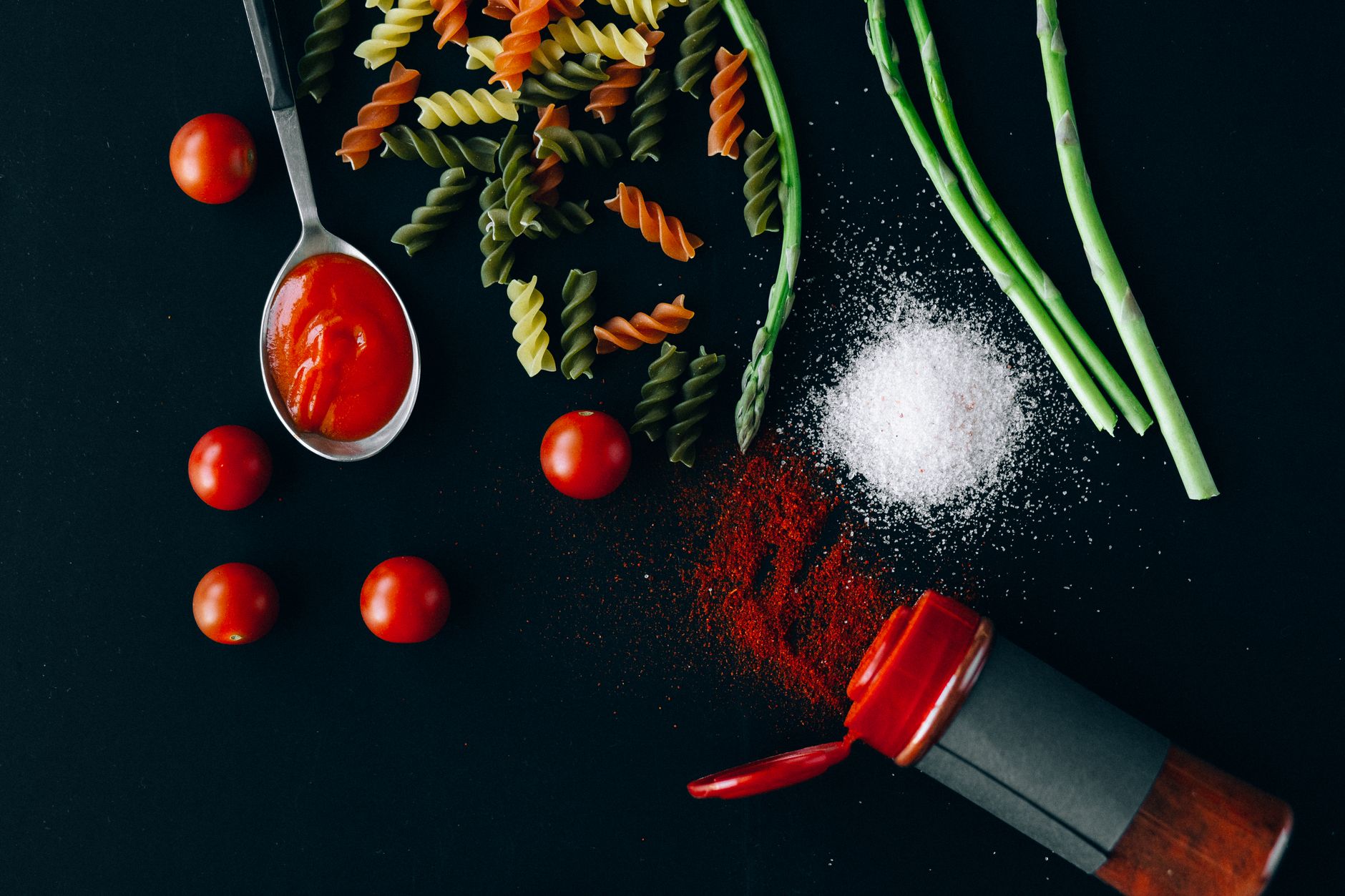
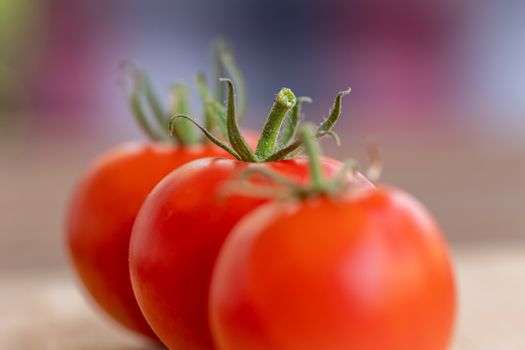 Photo: tom analogicus / Pexels
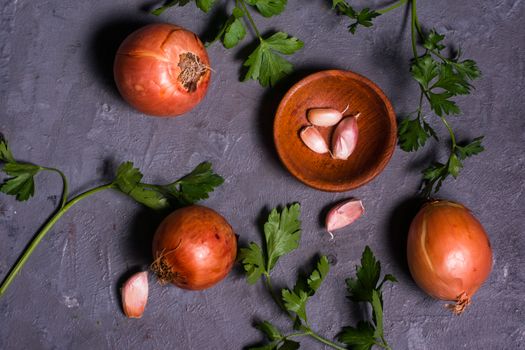 Photo: Maxi Gagliano / Pexels
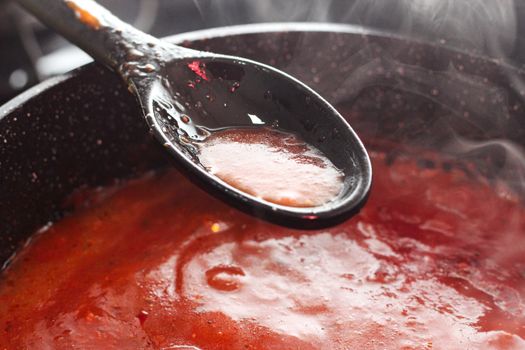 Photo: Nanda Mends / Pexels
 Photo: Rene Terp / Pexels