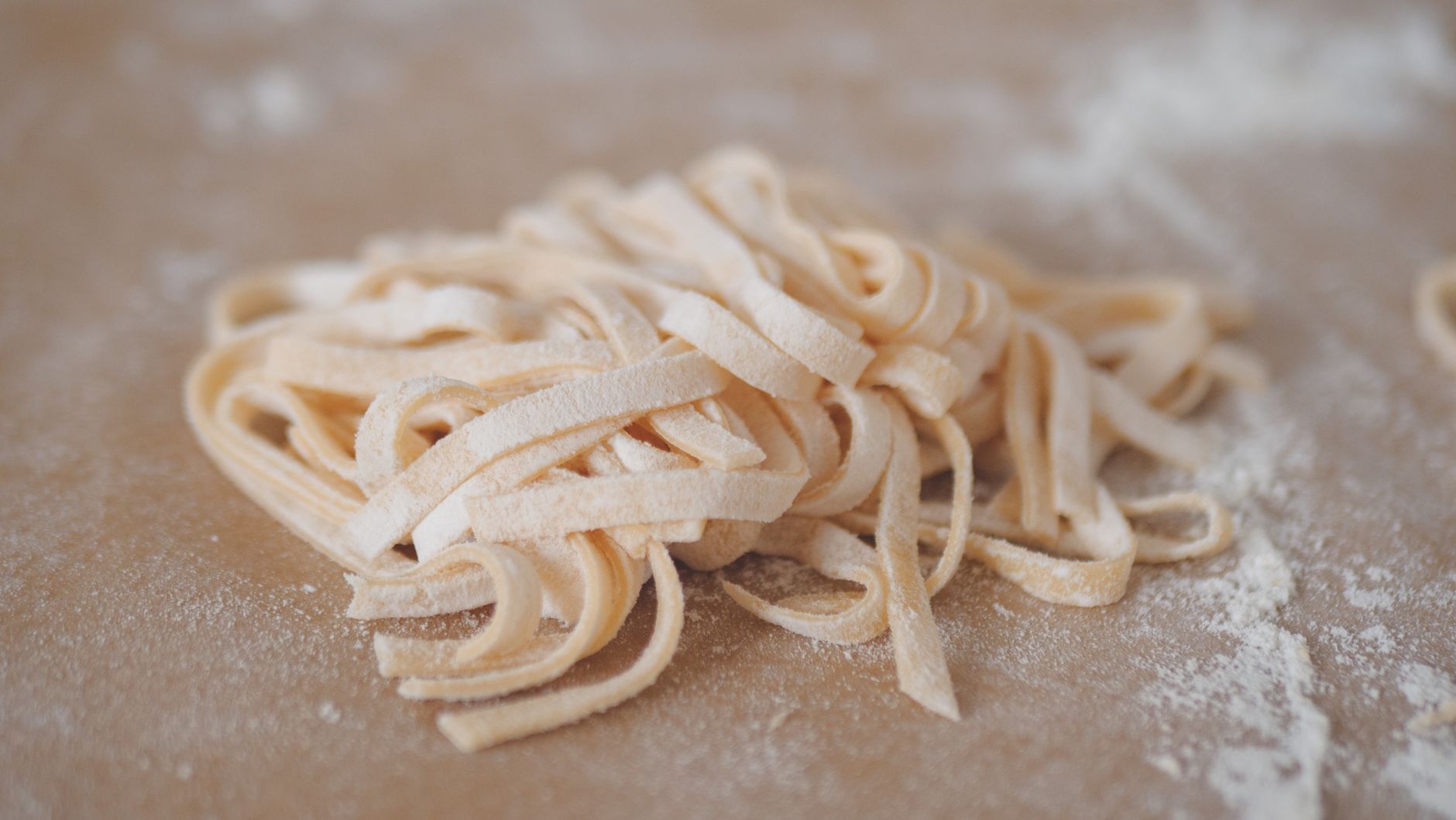
How to Make Homemade Pasta Dough: Your Ultimate Guide
August 13, 2026 15 min read 3,049 words
Transform simple ingredients into exquisite fresh pasta with our detailed, easy-to-follow instructions.
Start Your Pasta Journey
The Essential Ingredients for Perfect Pasta Dough
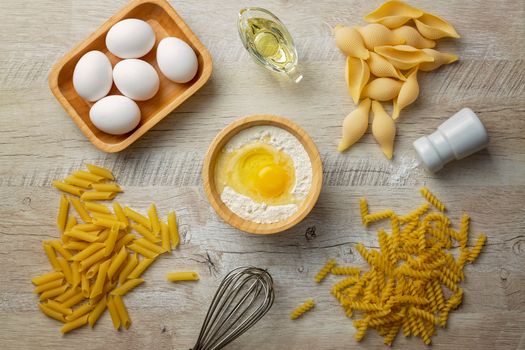 Photo: Marcelo Verfe / Pexels
Embarking on the journey of how to make homemade pasta dough begins with understanding its fundamental building blocks. Unlike many complex recipes, fresh pasta dough relies on a minimal yet precise selection of ingredients, each playing a crucial role in the final texture and flavor. The primary components are flour, eggs, and sometimes a pinch of salt, with water or olive oil making occasional appearances depending on the desired outcome and regional variations.
Let's start with flour, the backbone of any pasta. While all-purpose flour can certainly yield a decent pasta, the gold standard for many Italian pasta makers is '00' flour (doppio zero). This finely milled Italian flour has a lower protein content than typical bread flour but a specific type of gluten that results in an incredibly silky, tender, and elastic dough. Its fine texture absorbs liquids more evenly, making it easier to knead and roll into thin sheets without tearing. If '00' flour isn't readily available, a good quality unbleached all-purpose flour, preferably with a protein content around 10-12%, will serve you well. Avoid bread flour, as its high protein content can make the pasta too tough and chewy.
Next, we have eggs. Eggs contribute richness, color, flavor, and, most importantly, structure. The protein in egg whites adds elasticity, while the fat in the yolks contributes to a tender texture and a beautiful golden hue. For a standard recipe, you'll typically use large eggs. The ratio of eggs to flour is critical; too many eggs can make the dough sticky and difficult to work with, while too few will result in a dry, crumbly dough. A common starting point is one large egg per 100 grams (about ¾ cup) of flour, though this can vary based on the size of your eggs and the humidity of your environment. Some recipes call for a mix of whole eggs and extra yolks for an even richer pasta, often seen in Northern Italian traditions.
Salt is a simple yet essential addition. It enhances the flavor of the pasta itself, preventing it from tasting bland, and also helps to strengthen the gluten structure, making the dough more resilient. A small pinch, usually ½ to 1 teaspoon per 300-400 grams of flour, is sufficient. While some recipes might suggest adding a splash of olive oil for added tenderness or pliability, especially if using only water (a common practice in Southern Italy for durum wheat pasta), it's not strictly necessary for egg pasta.
Understanding these ingredients and their roles is your first step towards mastering
the art of pasta making. By selecting the right flour and maintaining the correct egg-to-flour ratio, you lay the foundation for a truly exceptional homemade pasta experience. Pay attention to the quality of your ingredients; fresh, good-quality eggs and finely milled flour will make a noticeable difference in the final product.
Mastering the Art of Kneading and Resting Pasta Dough
 Photo: ricardo rojas / Pexels
Once you've gathered your ingredients and decided on your flour-to-egg ratio, the real work (and fun!) of how to make homemade pasta dough begins: mixing and kneading. While it might seem daunting, these steps are where the magic happens, transforming a shaggy mass into a smooth, elastic dough ready for shaping.
The traditional method, and one that many home cooks find incredibly satisfying, is the 'well method.' On a clean, spacious work surface (a wooden board is ideal, but a clean countertop works perfectly), pile your flour into a mound. Create a deep well in the center, much like a volcano crater. Crack your eggs directly into this well. Add your pinch of salt. Using a fork, gently whisk the eggs in the center, gradually incorporating small amounts of flour from the inner walls of the well. Be patient here; the key is to prevent the egg from breaching the flour wall and running all over your counter. As the mixture thickens, you can start using a bench scraper or your hands to pull more flour into the center, eventually forming a shaggy dough.
Once the ingredients are roughly combined and you have a cohesive, albeit lumpy, ball, it's time for kneading. Kneading is not just about mixing; it's about developing the gluten within the flour. Gluten is a protein network that gives pasta its characteristic chewiness and elasticity. To knead, push the dough away from you with the heel of your hand, fold it back over itself, rotate it a quarter turn, and repeat. This rhythmic action stretches and aligns the gluten strands. You'll notice the dough slowly transform – initially sticky and resistant, it will gradually become smoother, firmer, and more elastic.
Knead for at least 8-10 minutes, and sometimes up to 15 minutes, depending on the flour and your technique. A properly kneaded dough should be smooth, resilient, and spring back slowly when poked with a finger. It shouldn't stick to your hands or the work surface. This process requires a bit of arm strength and persistence, but the effort is well worth it for the superior texture of your finished pasta. Don't be afraid to add a tiny dusting of flour if the dough is too sticky, but resist the urge to add too much, as this can make the pasta tough.
After the vigorous workout of kneading, the dough needs to rest. This step is non-negotiable and just as important as kneading. Wrap your freshly kneaded dough tightly in plastic wrap or place it in a sealed container to prevent it from drying out. Let it rest at room temperature for a minimum of 30 minutes, but ideally an hour. What happens during this resting period? The gluten, which was tightened and stretched during kneading, relaxes. This relaxation makes the dough much more pliable and easier to roll out thinly without tearing or snapping back. It also allows the flour to fully hydrate, resulting in a more uniform and tender pasta. Skipping the rest will lead to a frustrating experience when you try to roll out your dough. Think of it as giving your dough a much-needed spa treatment before its grand performance.
Rolling and Cutting: Shaping Your Homemade Pasta
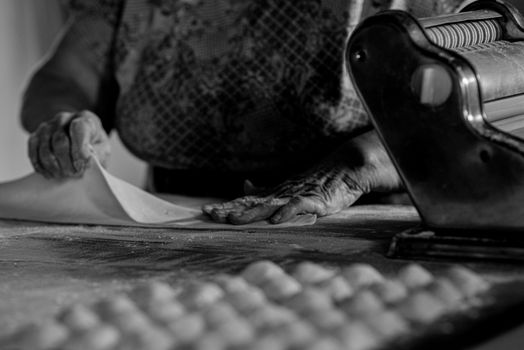 Photo: Natalia Olivera / Pexels
With your perfectly kneaded and rested dough, you’re now at the exciting stage of transforming that golden ball into beautiful, edible strands or shapes. This phase of how to make homemade pasta dough requires a bit of finesse and patience, but the results are incredibly rewarding. You have two primary tools for rolling: a pasta machine (manual or electric) or a good old-fashioned rolling pin.
If using a pasta machine, start by flattening a portion of your dough into a rectangle that's thin enough to fit into the widest setting of your machine. Dust the dough lightly with flour to prevent sticking. Pass the dough through the widest setting, then fold it into thirds (like a letter) and pass it through again. Repeat this folding and passing 2-3 times. This helps to further develop the gluten and create an even, smooth sheet. Now, progressively decrease the thickness setting, passing the dough through each setting once, without folding, until you reach your desired thickness. For most shapes like fettuccine or tagliatelle, setting 6 or 7 on a standard manual machine is often ideal, but adjust based on your preference and the type of pasta you're making. The dough should be thin enough to be somewhat translucent but still strong enough to handle without tearing. Lay the rolled sheets on a lightly floured surface or a clean kitchen towel to prevent sticking as you roll the remaining dough.
For those who prefer a more rustic approach or don't have a pasta machine, a rolling pin works beautifully, though it requires more elbow grease. On a lightly floured surface, begin rolling your dough from the center outwards, rotating it frequently to ensure an even thickness. Continue rolling and stretching, aiming for a consistent, thin sheet. This method takes practice, but many find the tactile experience deeply satisfying. The goal is the same: a thin, even sheet of dough.
Once your dough is rolled to the desired thickness, it's time to cut it into shapes. For classic long pasta like fettuccine, tagliatelle, or linguine, you can use the cutting attachments on your pasta machine. If cutting by hand, lightly flour the rolled sheet, then gently fold it over itself a few times. Using a sharp knife, slice the folded dough into strips of your desired width. Unfold the strips immediately and gently toss them with a little extra flour to prevent them from sticking together. You can also make other shapes like pappardelle (wider strips), or cut out squares for ravioli or tortellini. For these filled pastas, you'll need to prepare your
delicious fillings beforehand.
As you cut your pasta, remember that fresh pasta dries quickly. If you're not cooking it immediately, you'll need to take steps to prevent it from sticking. You can either cook it right away, or gently coil individual portions into nests and let them air dry for a short period (15-30 minutes) on a floured surface. For longer storage, you can allow them to dry completely (several hours to overnight, depending on humidity) or freeze them. Regardless of the shape, the goal is uniform pieces that will cook evenly. The beauty of homemade pasta lies in its rustic charm and the ability to customize it to your heart's content.
Troubleshooting and Tips for Your Best Homemade Pasta
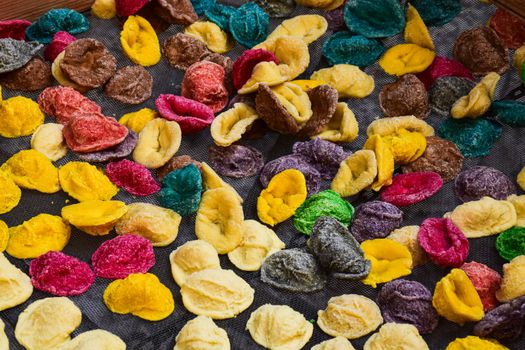 Photo: AXP Photography / Pexels
Even with the best instructions on how to make homemade pasta dough, you might encounter a few hurdles. Don't worry, these are common and easily overcome with a bit of knowledge. Here are some troubleshooting tips and additional advice to ensure your pasta-making endeavors are always a success:
**Common Dough Problems and Solutions:**
* **Dough is too sticky:** This usually means there's too much moisture or not enough flour. Gradually add a small amount of flour (a tablespoon at a time) while kneading until the stickiness subsides. Remember, humidity can play a role, so adjust accordingly.
* **Dough is too dry/crumbly:** Not enough moisture. Add a tiny amount of water (a teaspoon at a time) or an extra egg yolk, kneading until it comes together. Be careful not to add too much at once.
* **Dough won't come together:** This often happens at the initial mixing stage. Keep working it; sometimes it just needs more kneading to hydrate the flour and develop the gluten. If truly dry, add a touch more liquid.
* **Dough tears when rolling:** This indicates the gluten hasn't relaxed enough. Wrap the dough tightly and let it rest for another 15-30 minutes. It could also mean the dough is too dry; add a very small amount of water.
* **Pasta sticks together after cutting:** Insufficient flour dusting. Make sure to lightly flour both sides of your pasta sheets before cutting, and toss the cut pasta gently with more flour immediately after cutting.
**Essential Tips for Success:**
* **Use Room Temperature Eggs:** Eggs at room temperature incorporate more easily and evenly into the flour, leading to a smoother dough. Take them out of the fridge about 30 minutes before you start.
* **Don't Over-Flour Your Work Surface:** While some flour is necessary to prevent sticking, too much will make your dough dry and tough. Use a light dusting as needed.
* **Work in Batches:** If making a large quantity of dough, divide it into smaller, manageable portions (e.g., 200-300g each) before rolling. Keep the portions you're not actively working with tightly wrapped in plastic to prevent drying.
* **Embrace the Pasta Machine:** While a rolling pin is traditional, a pasta machine (manual or electric) offers consistent thickness and saves a lot of effort, especially for beginners. It makes the rolling process much more enjoyable and less fatiguing.
* **Cook Fresh Pasta Al Dente:** Fresh pasta cooks incredibly fast, often in 2-4 minutes. Keep a close eye on it and taste frequently to ensure it's cooked perfectly al dente – tender but with a slight bite.
* **Store Properly:** Fresh pasta can be cooked immediately. If not, it can be dried for a few hours at room temperature and then stored in an airtight container for 1-2 days, or frozen for up to a month. For freezing, dust with flour, form nests, and freeze on a baking sheet before transferring to a freezer bag.
* **Don't Be Afraid to Experiment:** Once you've mastered the basic egg pasta, feel free to experiment with different flours (semolina, whole wheat), adding herbs or spices to the dough, or even incorporating vegetable purees for color and flavor.
Making homemade pasta is a culinary journey, not a sprint. Each batch offers an opportunity to learn and refine your technique. Don't be discouraged by initial imperfections; every chef started somewhere. With these tips and a little practice, you'll be crafting delicious, fresh pasta that will impress anyone lucky enough to share your table.