Mastering How to Make Homemade Baby Food Purees
how to make homemade baby food purees

Mastering How to Make Homemade Baby Food Purees

Empower yourself to create nutritious, delicious, and safe purees for your baby with confidence and ease.

Start Pureeing Today!

Key Takeaways

  • ✓ Homemade baby food offers superior nutritional control.
  • ✓ It's more cost-effective than store-bought options.
  • ✓ You can introduce a wider variety of flavors and textures.
  • ✓ Preparation can be simple and quick with the right tools.

How It Works

1
Select Fresh Ingredients

Choose organic, ripe, and fresh fruits, vegetables, or proteins. Prioritize single-ingredient purees for initial introductions to monitor for allergies.

2
Prepare & Cook

Wash, peel, and chop ingredients. Steam, boil, or bake until very tender, ensuring they are soft enough for easy pureeing and digestion.

3
Puree to Desired Consistency

Use a blender, food processor, or immersion blender. Add breast milk, formula, or cooking water to achieve a smooth, lump-free consistency suitable for your baby's age.

4
Store & Serve Safely

Cool purees completely before portioning into airtight containers or ice cube trays. Freeze for longer storage and thaw as needed for mealtime.

The Unbeatable Benefits of Homemade Baby Food

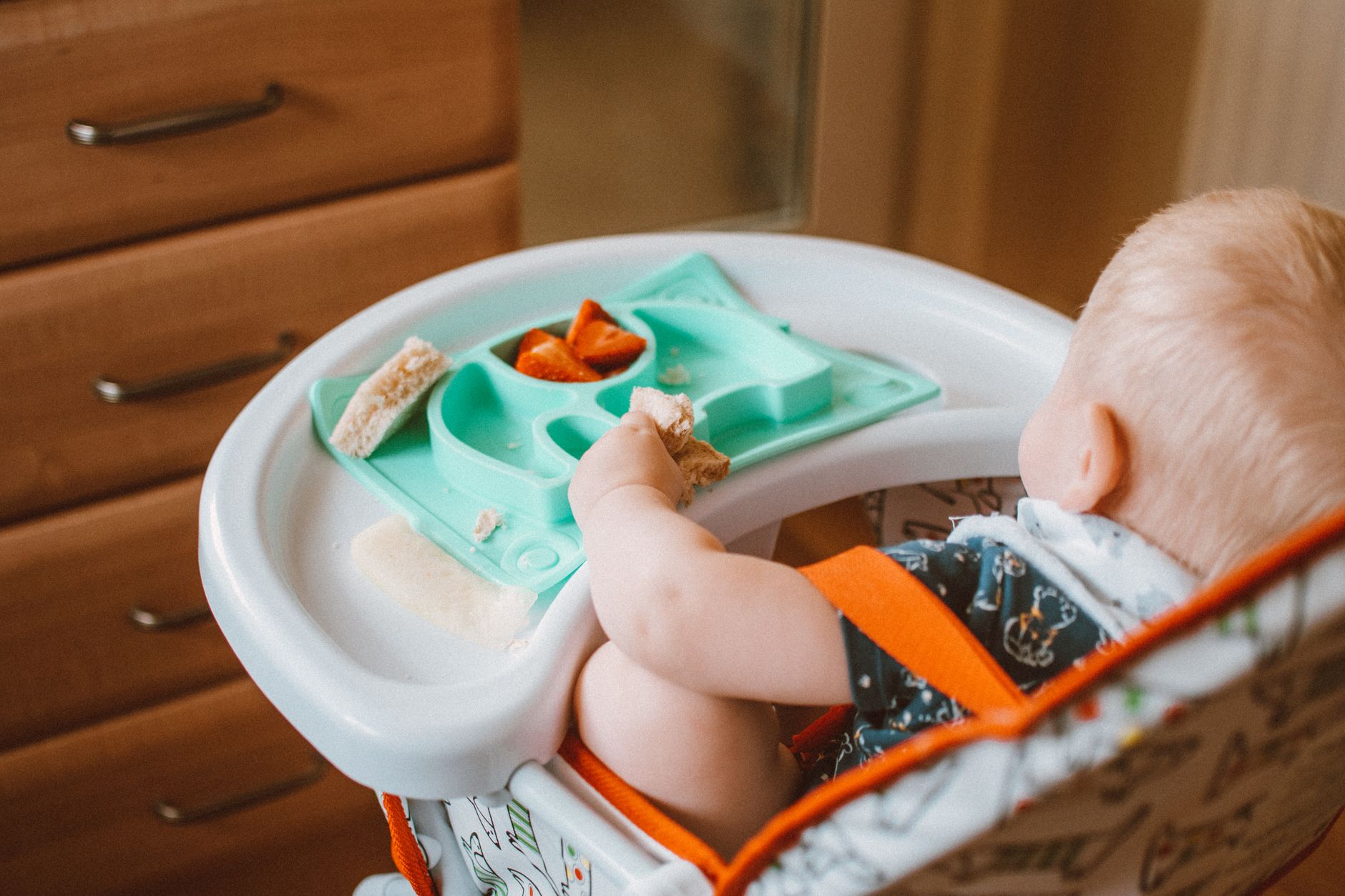
Adorable toddler enjoying fresh fruit pieces in a high chair at home. Photo: Vanessa Loring / Pexels
Deciding to embark on the journey of making your own baby food is a significant step towards providing the best for your little one. While store-bought options offer convenience, the advantages of homemade purees are vast and compelling. First and foremost is the unparalleled control over ingredients. When you prepare food at home, you know exactly what goes into your baby's mouth – no hidden sugars, excessive salts, artificial preservatives, or fillers that are often found in commercial products. This control is crucial, especially during the formative months when a baby's digestive system is still developing and their palate is being shaped. You can opt for organic produce, fresh meats, and whole grains, ensuring a nutrient-dense meal every time. This precision allows you to tailor meals to your baby's specific needs, dietary restrictions, or allergies, giving you peace of mind. Beyond nutrition, homemade baby food is often significantly more cost-effective. While the initial investment in some basic equipment might seem like an expense, the long-term savings are substantial. A single organic sweet potato can yield several servings of puree, whereas a single jar of store-bought puree, often smaller in portion, can cost as much or more. Over months of feeding, these savings add up, freeing up your budget for other essential baby items or family needs. Furthermore, making your own baby food contributes to reducing waste. You can use reusable containers and avoid the endless stream of plastic jars or pouches that accumulate from commercial baby food. This eco-conscious approach benefits not only your family but also the planet. Another profound benefit is the opportunity to expose your baby to a broader spectrum of flavors and textures. Commercial baby food often sticks to a limited range of common fruits and vegetables, and their textures can be uniformly smooth. At home, you can introduce a diverse array of seasonal produce, herbs, and spices (in moderation and after consulting with your pediatrician), gradually adjusting the texture from silky smooth purees to chunkier mashes as your baby grows and develops their chewing skills. This early exposure to varied tastes and textures is vital for developing an adventurous eater and can help prevent pickiness later on. It also integrates your baby into the family's eating habits, making the transition to table food smoother and more natural. Preparing baby food at home is a loving act, a way to connect with your baby and ensure they receive the freshest, most wholesome start to their solid food journey. For more detailed information on introducing various foods, consider exploring resources on infant nutrition guidelines, which can provide a comprehensive roadmap for your baby's dietary progression. This hands-on approach fosters a deeper understanding of what your baby is consuming and empowers you as a parent to make informed, healthy choices.

Essential Equipment and Ingredients for Puree Perfection

Adorable toddler enjoying fresh fruit pieces in a high chair at home. Photo: Vanessa Loring / Pexels
To successfully make homemade baby food purees, you don't need a kitchen full of high-tech gadgets, but a few essential items will make the process much smoother and more efficient. The most crucial piece of equipment is a good blender or food processor. A high-speed blender can achieve ultra-smooth purees, which are ideal for younger babies just starting solids. An immersion blender is also an excellent, compact option for smaller batches and easy cleanup, often blending directly in the cooking pot. For those without these, a simple food mill or even a fork and a sturdy bowl can suffice for softer foods like avocado or banana, especially as your baby progresses to slightly thicker textures. Beyond blending, you'll need a steamer basket or a pot with a lid for steaming vegetables and fruits. Steaming is preferred over boiling as it helps retain more nutrients. Storage solutions are equally important. Ice cube trays are a game-changer for portioning out purees. Once frozen, the cubes can be transferred to freezer-safe bags or containers, making it easy to grab just the right amount for a meal. Look for BPA-free options. Small, airtight containers, either glass or food-grade plastic, are also invaluable for storing refrigerated purees or for on-the-go meals. A baby food maker, while not strictly necessary, combines steaming and blending functions into one compact appliance, which some parents find incredibly convenient. Lastly, don't forget a fine-mesh sieve or strainer to remove any stubborn bits or seeds if you're aiming for an exceptionally smooth texture, though this often becomes less critical as your baby gets older and can handle more texture. When it comes to ingredients, the world is your oyster, but starting with single-ingredient purees is key for allergy monitoring. For first foods, excellent choices include sweet potatoes, carrots, peas, green beans, butternut squash, and apples. These are generally well-tolerated and provide a good nutritional boost. As your baby grows and has successfully tried individual ingredients, you can start combining them – think apple and carrot, or sweet potato and pear. Beyond fruits and vegetables, introduce iron-fortified baby cereal mixed with breast milk or formula, and gradually move to pureed meats like chicken, turkey, or beef, which are excellent sources of iron. Lentils and beans, when thoroughly cooked and pureed, also offer protein and fiber. Always prioritize fresh, ripe, and in-season produce for the best flavor and nutritional value. Organic options are often preferred by parents looking to minimize pesticide exposure. Remember to wash all produce thoroughly, peel where necessary, and remove any seeds or tough skins before cooking and pureeing to ensure maximum safety and digestibility for your baby.

Step-by-Step Guide: From Ingredient to Irresistible Puree
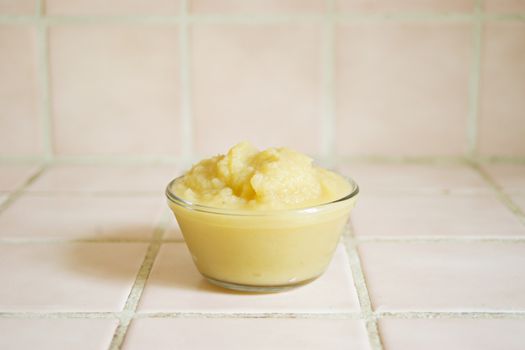
Close-up of homemade applesauce in a clear glass bowl on a tiled surface. Photo: Rachel Loughman / Pexels
Creating homemade baby food purees is a straightforward process, once you understand the basic steps. Let's break it down into manageable stages, ensuring you produce delicious, safe, and nutritious meals for your little one. The journey begins with selecting the right ingredients. Always opt for fresh, ripe, and high-quality produce. For vegetables, look for firm, brightly colored specimens without blemishes. For fruits, choose those that are fragrant and slightly soft to the touch. If you're using meats, ensure they are lean and fresh. Consider buying organic to minimize pesticide exposure, especially for foods commonly found with higher pesticide residues. Once selected, thorough washing is paramount. Even organic produce should be washed under running water to remove any dirt or surface contaminants. Peel fruits and vegetables that have tough skins (like apples, pears, sweet potatoes) or those that might be difficult for a baby to digest (like carrots or squash). Remove any seeds, pits, or fibrous parts. Next, the cooking process. The goal is to cook the ingredients until they are very tender, making them easy to puree and digest. Steaming is often the preferred method as it helps retain more nutrients than boiling. Place chopped ingredients in a steamer basket over boiling water, ensuring the water doesn't touch the food. Cover and steam until fork-tender. This typically takes 5-15 minutes depending on the ingredient. Alternatively, you can roast or bake certain foods like sweet potatoes or squash, which can bring out a richer, sweeter flavor. Just ensure they are cooked until very soft. For meats, simmer or steam until fully cooked and tender. Avoid adding any salt, sugar, or spices at this stage, as your baby's developing palate doesn't need them, and excessive sodium is harmful. Once cooked, it's time to puree. Transfer the tender ingredients to your blender, food processor, or use an immersion blender directly in the pot. Start blending, and gradually add liquid until you reach the desired consistency. The choice of liquid is crucial: breast milk or formula are ideal as they add familiar flavor and extra nutrients. If those aren't available, use the cooking water from steaming, or plain filtered water. For younger babies (4-6 months), aim for a very smooth, thin puree, similar to yogurt. As your baby gets older (7-9 months), you can gradually introduce thicker, lumpier textures to encourage chewing. Always taste the puree yourself to ensure it's palatable and at a safe temperature before serving. Once pureed, allow it to cool completely before portioning and storing. For longer storage, freeze purees in ice cube trays and then transfer the frozen cubes to freezer-safe bags or containers. This method allows for easy thawing of individual portions. For shorter term storage, purees can be kept in airtight containers in the refrigerator for up to 3 days. Always label containers with the date of preparation. Remember to consult with your pediatrician before introducing any new foods, especially if there's a family history of allergies. For more information on safely introducing new foods, check out this guide on baby food introduction schedules.

Common Mistakes to Avoid and Expert Tips for Success
An Asian family with a baby enjoying meal time together in a stylish kitchen. Photo: Vanessa Loring / Pexels
While making homemade baby food is rewarding, there are a few common pitfalls that new parents often encounter. Being aware of these can save you time, effort, and ensure your baby's safety and enjoyment. One of the most frequent mistakes is introducing too many new foods at once. The general recommendation is to introduce one new single-ingredient food every 3-5 days. This allows you to easily identify any potential allergic reactions or sensitivities. If you introduce multiple foods and your baby develops a rash or digestive upset, it's impossible to know which food caused the issue. Patience is key in this stage. Another common error is adding salt, sugar, or excessive spices. Babies do not need added sodium or sugar, and these can be detrimental to their developing kidneys and teeth. Their palates are naturally sensitive, and they learn to appreciate the natural flavors of food. Save the seasonings for adult meals. Over-pureeing or under-pureeing can also be a challenge. For first foods, a silky-smooth consistency is vital to prevent choking hazards and make it easy for your baby to swallow. As they grow, gradually transition to chunkier textures, but ensure there are no large, hard lumps. Always check the temperature of the food before serving – it should be lukewarm, not hot. **Expert Tips for Homemade Baby Food Success:** * **Batch Cook:** Dedicate an hour or two once a week to prepare several different purees. This saves time during busy weekdays. Cook, puree, portion, and freeze. You'll thank yourself later. * **Vary Textures:** Don't stick to only smooth purees. As your baby develops, introduce slightly mashed textures, then soft, finely chopped pieces. This helps develop oral motor skills. * **Incorporate Healthy Fats:** Once your baby has tolerated single ingredients, consider adding a tiny bit of healthy fat like avocado puree, a drizzle of olive oil, or a touch of unsalted butter to purees for added calories and nutrient absorption. * **Don't Force Feed:** If your baby turns away or shows disinterest, don't force them to eat. Mealtimes should be positive experiences. Offer the food again at a later time or day. It can take multiple exposures for a baby to accept a new food. * **Be Mindful of Allergens:** While the advice has shifted from delaying allergens, always introduce common allergens (like peanuts, eggs, dairy, wheat) one at a time and in small amounts, under the guidance of your pediatrician, especially if there's a family history of allergies. * **Stay Hygienic:** Always wash your hands, utensils, and surfaces thoroughly before and after preparing baby food to prevent contamination. * **Taste Test:** Always taste your baby's food! Not only does it ensure it's palatable, but it also confirms the temperature and consistency are right.

Comparison

FeatureHomemade Baby FoodStore-Bought Purees (Jar)Store-Bought Purees (Pouch)
Ingredient ControlFull control, fresh, organic optionsLimited control, often processedLimited control, often processed
Cost-EffectivenessVery high, significant savingsModerate to highHigh, often most expensive per serving
Flavor & VarietyEndless, natural, diverse texturesLimited, often bland, uniform texturesLimited, often sweet-leaning, uniform
Additives/Preservatives✓ (often, even if 'natural')✓ (often, even if 'natural')
Environmental ImpactLow (reusable containers)Moderate (glass jars)High (single-use plastic pouches)
ConvenienceModerate (requires prep time)High (ready-to-serve)Very High (ready-to-serve, portable)

What Readers Say

"Learning how to make homemade baby food purees has been a game-changer for our family. My baby absolutely loves the fresh flavors, and I feel so much better knowing exactly what's in her food. The process is surprisingly simple!"

Sarah M. · Austin, TX

"I was intimidated at first, but this guide on how to make homemade baby food purees made it so easy to get started. My son is thriving, and I've saved a ton of money by not buying pre-made jars. Highly recommend!"

David L. · Seattle, WA

"Following these steps, I've successfully introduced over a dozen new purees to my daughter. She's less picky and enjoys a wider variety of foods than her older siblings did when I used only store-bought options."

Jessica T. · Miami, FL

"The tips for batch cooking were invaluable. While it takes a bit of planning, the peace of mind from knowing my baby is eating fresh, wholesome food is worth every minute. Just wish I started sooner!"

Michael R. · Denver, CO

"As a busy working mom, I thought homemade baby food was out of reach. But with the right equipment and the strategy outlined here, I'm able to prepare healthy meals for my twins, even on a tight schedule."

Emily P. · Chicago, IL

Frequently Asked Questions

What is the best age to start introducing homemade baby food purees?

Most pediatricians recommend starting solids around 4-6 months of age, when a baby shows signs of readiness like good head control, sitting with support, and showing interest in food. Always consult your pediatrician before introducing any new foods.

Is homemade baby food safe from bacteria and contamination?

Yes, homemade baby food is very safe when prepared with proper hygiene. Always wash hands, utensils, and surfaces thoroughly, cook ingredients to appropriate temperatures, and store purees correctly in airtight, sanitized containers to prevent bacterial growth.

How long can homemade baby food purees be stored?

Homemade purees can typically be stored in the refrigerator for up to 3 days. For longer storage, they can be frozen for up to 3 months. Always label containers with the date of preparation and discard any food that smells or looks off.

Is making homemade baby food purees more expensive than buying store-bought?

No, making homemade baby food is generally more cost-effective in the long run. While there might be an initial investment in equipment, the cost of fresh produce per serving is usually significantly less than buying pre-packaged baby food, especially organic options.

How does homemade baby food compare nutritionally to commercial baby food?

Homemade baby food often offers superior nutritional value because you control the ingredients, ensuring no added sugars, salts, or preservatives. You can also use fresher, less processed ingredients, retaining more vitamins and minerals compared to some commercial options that may undergo extensive processing.

Who should consider making their own baby food?

Parents who want greater control over ingredients, wish to save money, prefer organic or specific dietary options, or want to expose their baby to a wider range of fresh flavors and textures will find making their own baby food highly beneficial.

What are the common choking hazards to avoid in baby purees?

The primary choking hazard in purees comes from large, uncooked lumps or fibrous strands. Ensure all ingredients are cooked until very tender and pureed to an appropriate, smooth consistency for your baby's age. Always supervise your baby during mealtimes.

Will baby food trends like baby-led weaning replace purees entirely?

While baby-led weaning (BLW) is a popular trend, purees continue to be a valuable and widely used method for introducing solids. Many parents adopt a hybrid approach, offering both purees and finger foods, combining the benefits of both methods for a well-rounded introduction to solids.

Embrace the journey of nourishing your little one with wholesome, homemade goodness. By mastering how to make homemade baby food purees, you're not just feeding your baby; you're fostering healthy eating habits and creating delicious memories. Start pureeing today and watch your baby thrive!

Topics: how to make homemade baby food pureesbaby food recipesfirst foods for babyhomemade baby food benefitsbaby led weaning purees
Leo List

DK Escorts LU Escorts AT Escorts SE Escorts FI Escorts CH Escorts DE Escorts HR Escorts IE Escorts GR Escorts CZ Escorts NO Escorts BE Escorts FR Escorts SI Escorts IL Escorts NL Escorts PL Escorts HU Escorts ES Escorts IT Escorts PT Escorts SK Escorts RO Escorts ZA Escorts UY Escorts US Escorts UK Escorts NZ Escorts AU Escorts
Brampton weed
Adultwork EstrelaBet Vai de Bet R7 Bet Betão Galera Bet Rainbet Bet9ja Shop SportyBet BetKing Sisal Loto Foot Hollywoodbets YesPlay Odibets RushBet Jugabet BetWarrior BetCity MSport betPawa Fortebet