✓ Cast iron's superior heat retention creates an unparalleled crust.
✓ Patience is key for proper preheating and searing.
✓ A meat thermometer is essential for perfect doneness.
✓ Resting the steak after cooking ensures maximum juiciness.
How It Works
1
Choose and Prepare Your Steak
Select a quality cut, pat it dry, and season generously. Bring it to room temperature for even cooking.
2
Preheat Your Cast Iron Pan
Heat the pan slowly over medium-high heat until it's smoking slightly. This is crucial for a great sear.
3
Sear and Finish Cooking
Sear each side until a deep brown crust forms, then finish in the oven or by basting, monitoring internal temperature.
4
Rest and Serve
Remove the steak from the pan and let it rest for 5-10 minutes. This allows juices to redistribute, resulting in a more tender steak.
The Science Behind a Perfect Cast Iron Sear: Why Cast Iron Reigns Supreme
Photo: Paulina Lazauskaite / Pexels
When it comes to achieving that coveted, crispy, deeply browned crust on a steak, no other pan compares to cast iron. The magic lies in its unique properties, primarily its exceptional heat retention and even heat distribution. Unlike thinner stainless steel or non-stick pans, cast iron absorbs and holds onto heat like a champ. This means that when you place a cold steak onto a screaming hot cast iron surface, the pan's temperature doesn't plummet dramatically. Instead, it maintains a consistently high temperature, which is absolutely critical for initiating the Maillard reaction – the complex chemical process responsible for those rich, savory flavors and the beautiful brown crust we all crave. Without sufficient, sustained heat, you'd end up steaming your steak rather than searing it, leading to a grey, unappetizing exterior.
Furthermore, cast iron distributes heat incredibly evenly across its entire surface. This ensures that every part of your steak, from edge to edge, gets the same intense heat exposure, promoting uniform browning. No more hot spots or cold patches resulting in unevenly cooked areas. The thermal mass of cast iron also contributes to its ability to create a 'thermal bridge' with the steak, transferring heat efficiently and rapidly. This rapid heat transfer is what allows the exterior of the steak to caramelize and crisp up before the interior overcooks. It's a delicate balance, and cast iron is perfectly engineered to strike it. Understanding this fundamental science is the first step in mastering how to cook perfect steak in cast iron. It's not just about getting the pan hot; it's about appreciating *why* that heat is so effective and unique to this particular piece of cookware. This foundational knowledge empowers you to manipulate variables like heat setting and cooking time with greater confidence, leading to consistently superior results. For more on optimizing your cooking surfaces, check out our guide on choosing the best cookware for searing.
Choosing Your Cut: The Best Steaks for Cast Iron Searing
Photo: Anna Guerrero / Pexels
Not all steaks are created equal, especially when it comes to cast iron searing. The best cuts for this high-heat method typically possess a good amount of marbling (intramuscular fat) and a decent thickness. Marbling is key because as it renders during cooking, it bastes the steak from within, adding incredible flavor and keeping the meat moist and tender. Thicker cuts, generally 1.5 to 2 inches, are preferred because they allow you to achieve a deep, dark crust without overcooking the interior. With thinner steaks, by the time you've developed a satisfactory sear, the inside is often well-done or even overcooked.
Some of the top contenders for cast iron glory include:
* **Ribeye:** Often considered the king of steaks, the ribeye boasts generous marbling and a rich, beefy flavor. Its fat content makes it incredibly forgiving and perfect for high-heat searing.
* **New York Strip:** A beautifully balanced cut, the New York strip has a nice fat cap and a firm texture. It offers a great balance of tenderness and chew.
* **Filet Mignon (Tenderloin):** While leaner, the filet is exceptionally tender. To prevent it from drying out, many chefs wrap it in bacon or apply extra butter during the sear. It still benefits immensely from the crust a cast iron provides.
* **Porterhouse/T-Bone:** These cuts offer the best of both worlds – a tenderloin on one side and a New York strip on the other. They are substantial and require careful attention due to the bone, which can cook at a different rate.
* **Sirloin (Top Sirloin):** A more economical option, top sirloin can still yield excellent results in cast iron, especially if well-marbled. It's a great choice for everyday steak dinners.
Regardless of the cut, always aim for high-quality, ethically sourced beef. Look for USDA Prime or Choice grades for the best marbling. Remember, the quality of your raw ingredient is paramount when learning how to cook perfect steak in cast iron. A great steak starts with a great cut, so invest wisely here for the most satisfying results.
The Art of Preparation: From Seasoning to Room Temperature
Photo: Lukas Blazek / Pexels
The journey to a perfect cast iron steak begins long before it hits the hot pan. Proper preparation is paramount and often overlooked, but it makes a significant difference in the final outcome. The first crucial step is to **pat your steak thoroughly dry** with paper towels. Any surface moisture will create steam when it hits the hot pan, preventing the Maillard reaction and yielding a grey, less flavorful crust instead of a beautiful sear. Think of it like trying to brown a wet piece of bread – it just won't happen effectively.
Next, consider the seasoning. Salt is your best friend here. A generous application of coarse salt (like kosher or sea salt) and freshly cracked black pepper is often all you need. Some prefer to salt their steak an hour or two in advance, allowing the salt to draw out some moisture, then re-absorb it, leading to deeper seasoning. Others prefer to salt just before cooking. Experiment to find your preference. Beyond salt and pepper, you might consider garlic powder, onion powder, or a touch of paprika, but don't overcomplicate it; quality beef speaks for itself.
Perhaps the most debated aspect of steak preparation is bringing it to **room temperature**. While some myths suggest this is non-negotiable for even cooking, the science indicates its impact is less dramatic than often portrayed for typical home cooking. However, letting a thick steak sit out for 30-60 minutes before cooking can certainly help reduce the temperature differential between the cold interior and the hot pan, promoting more even cooking without overcooking the exterior. For thinner steaks, this step is less critical. The key takeaway is to ensure your steak is as dry as possible and seasoned generously, allowing those flavors to penetrate. These preparatory steps are foundational to mastering how to cook perfect steak in cast iron, setting the stage for a truly exceptional culinary experience. For more detailed tips on pre-cooking steps, explore our article on prepping meat for optimal flavor.
Common Mistakes to Avoid for Cast Iron Steak Perfection
Photo: Marina Utrabo / Pexels
Even with the best intentions, several common pitfalls can derail your quest for the perfect cast iron steak. Avoiding these will significantly elevate your results:
* **Not preheating the pan enough:** This is arguably the biggest mistake. A lukewarm pan will steam your steak, not sear it. You need a screaming hot pan, almost to the point of smoking, before adding the steak. This ensures an immediate, aggressive sear.
* **Overcrowding the pan:** Cooking too many steaks at once drops the pan's temperature rapidly, leading to steaming instead of searing. Cook steaks in batches if necessary, ensuring each piece has ample space.
* **Flipping too often:** Resist the urge to constantly peek and flip. Let the steak develop a deep crust for 2-4 minutes per side before flipping. This patience is rewarded with superior browning and flavor.
* **Not using a meat thermometer:** Guessing doneness is a recipe for disaster. An instant-read thermometer is your best friend for hitting your desired internal temperature accurately. This is non-negotiable for consistent results.
* **Cutting into the steak too soon:** As tempting as it is, cutting into a steak immediately after cooking will cause all those delicious juices to gush out, leaving you with dry meat. Always rest your steak for at least 5-10 minutes, allowing the juices to redistribute throughout the muscle fibers. This simple step makes a dramatic difference in tenderness and juiciness.
* **Using the wrong oil:** Opt for oils with a high smoke point, like grapeseed, avocado, or refined olive oil. Butter burns quickly at high temperatures, creating bitter flavors. Save the butter for basting towards the end of the cook.
* **Ignoring pan smoking:** While a smoking hot pan is good, excessive, acrid smoke indicates you might be burning the oil or bits of seasoning. Adjust your heat down slightly if this occurs, or ensure your steak is very dry.
By consciously avoiding these common errors, you'll be well on your way to consistently cooking perfect steak in cast iron, transforming your home kitchen into a five-star steakhouse.
Comparison
Feature
Cast Iron Skillet
Stainless Steel Pan
Non-Stick Pan
Heat Retention
Excellent
Good
Poor
Searing Ability
Superior (Maillard Reaction)
Good
Very Poor
Durability
Excellent (Lifetime)
Very Good
Limited (Coating wears)
Oven Safe
✓ (handle dependent)
✓ (handle dependent)
✗ (usually not high temp)
Maintenance
Seasoning Required
Easy
Easy (delicate)
What Readers Say
★★★★★
"I used to struggle with getting a good crust on my steaks, but following this guide on how to cook perfect steak in cast iron changed everything. The detailed instructions on preheating and resting made all the difference. My ribeye was restaurant quality!"
Emily R. · Austin, TX
★★★★★
"This article is a game-changer! I finally understand the science behind cast iron searing. My New York strip came out with an incredible crust and was perfectly medium-rare throughout. Absolutely the best steak I've made at home."
Marcus L. · Chicago, IL
★★★★★
"I followed the steps for how to cook perfect steak in cast iron, especially the tips on drying the steak and using a thermometer. The result was a juicy, flavorful steak with a gorgeous sear. My family thought I ordered takeout!"
Sarah P. · Denver, CO
★★★★★
"Great guide overall. The only minor challenge I faced was managing the smoke in my smaller kitchen, but the steak itself was fantastic. The emphasis on resting the meat really improved the juiciness."
David W. · Miami, FL
★★★★★
"As someone who often uses cast iron for other dishes, I was excited to apply it to steak. This guide on how to cook perfect steak in cast iron exceeded my expectations. The detailed cut recommendations were particularly helpful for my weekend dinner."
Jessica M. · Seattle, WA
Frequently Asked Questions
What's the ideal internal temperature for a medium-rare steak?
For a medium-rare steak, aim to remove it from the heat when its internal temperature reaches 125-130°F (52-54°C). Remember, the temperature will rise by a few degrees as it rests, reaching a perfect 130-135°F (54-57°C) for serving. Always use an instant-read meat thermometer for accuracy.
My cast iron pan smokes a lot. Is that normal?
A little smoke is normal and expected when preheating cast iron to high temperatures, especially from the oil. However, excessive, acrid smoke means the oil is burning. Ensure you're using a high smoke point oil and consider reducing the heat slightly before adding the steak. Good ventilation is always recommended.
How long should I rest my steak after cooking?
Resting your steak is crucial for juiciness. For most steaks, a rest period of 5-10 minutes is ideal. For very thick cuts, up to 15 minutes might be beneficial. Tent it loosely with foil to keep it warm, allowing the muscle fibers to relax and reabsorb juices.
Is cast iron steak better than grilling?
Cast iron and grilling offer different but equally delicious results. Cast iron excels at creating an incredibly uniform, crispy, all-over crust due to direct, sustained contact with the hot surface. Grilling, while providing smoky flavor and char marks, often has less surface contact, leading to a less pronounced overall crust. Many chefs use a combination, reverse searing in the oven and finishing in cast iron, or starting in cast iron and finishing on the grill.
Can I use butter to sear my steak in cast iron?
While butter adds fantastic flavor, its low smoke point means it will burn and turn bitter if used for the initial high-heat sear. It's best to use a high smoke point oil (like grapeseed or avocado oil) for searing. You can add a pat of butter during the last minute or two of cooking, along with aromatics like garlic and herbs, for basting and flavor.
Who should learn how to cook perfect steak in cast iron?
Anyone who loves steak and wants to achieve restaurant-quality results at home should learn this technique. It's particularly beneficial for home cooks who want to elevate their culinary skills, impress guests, or simply enjoy a perfectly seared, juicy steak without relying on expensive steakhouses. It's a fundamental skill for any aspiring home chef.
What if my steak sticks to the cast iron pan?
If your steak is sticking, it's usually due to two reasons: the pan wasn't hot enough, or it wasn't properly seasoned. Ensure your pan is screaming hot before adding the steak and that it has a good, established seasoning layer. Don't try to force the steak off; if it's properly seared, it will release naturally when the crust has formed. If it's still sticking, a little more oil might be needed, or your pan's seasoning needs attention.
Are there any future trends in cast iron steak cooking?
While the core technique remains classic, future trends might lean towards more precise temperature control through induction cooking, which pairs exceptionally well with cast iron's heat retention. There's also growing interest in using different types of fats for searing, like wagyu tallow, to impart unique flavor profiles. Additionally, the integration of smart thermometers with app control is making it even easier for home cooks to hit perfect doneness every time.
Armed with this comprehensive guide, you now possess the knowledge and techniques to truly master how to cook perfect steak in cast iron. Say goodbye to mediocre steaks and hello to a world of deeply seared, incredibly juicy, and flavorful cuts right in your own kitchen. Grab your cast iron, choose your favorite cut, and prepare for an unforgettable culinary experience.
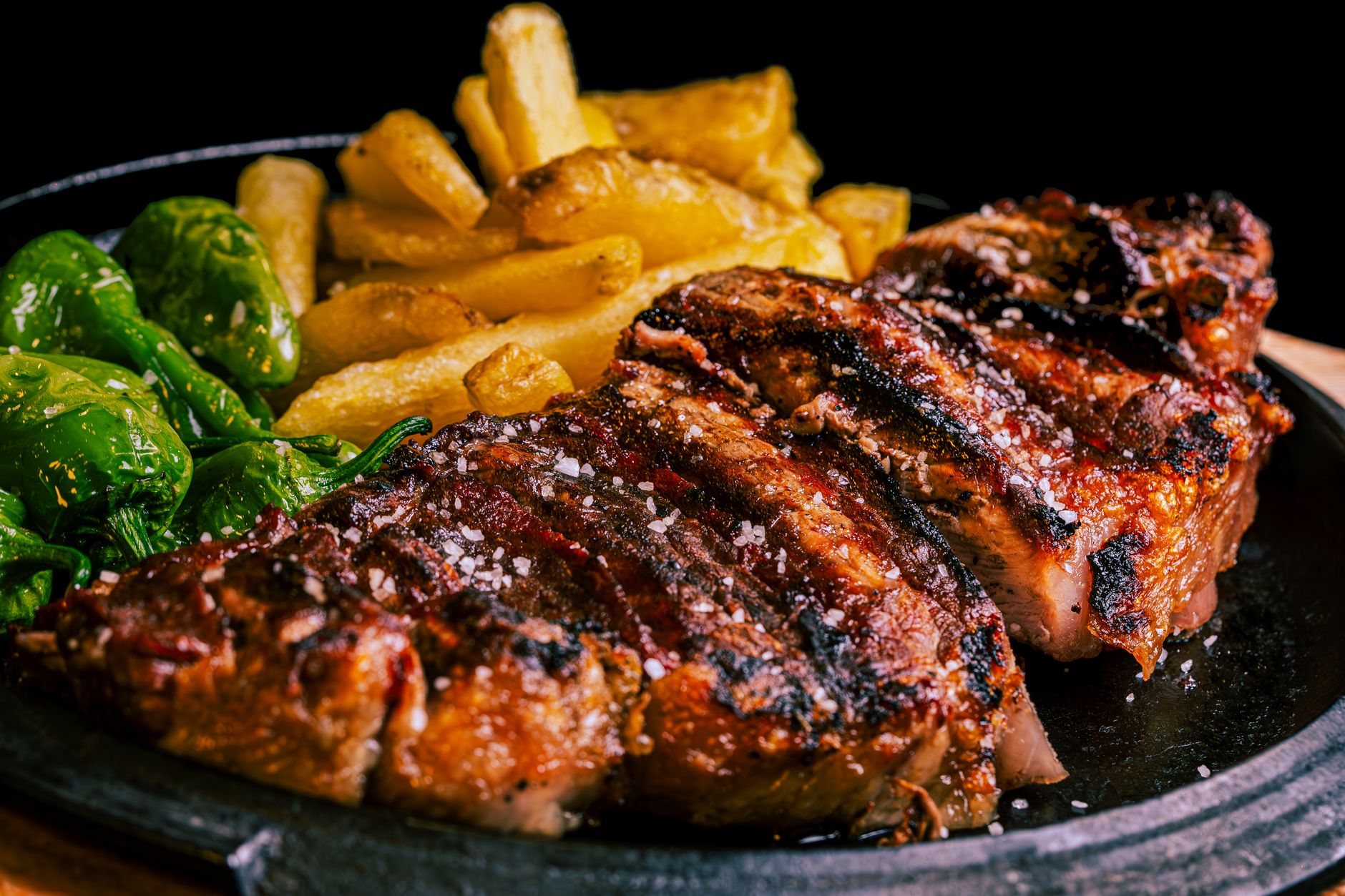
 Photo: Paulina Lazauskaite / Pexels
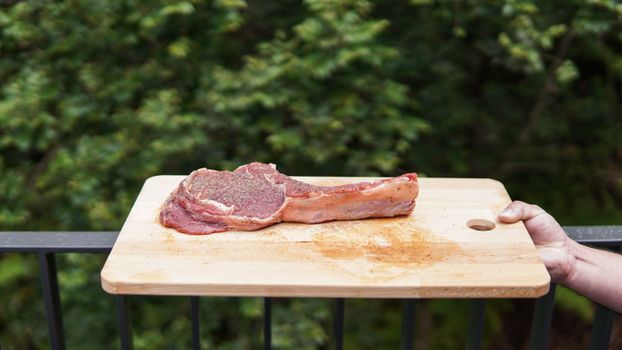 Photo: Anna Guerrero / Pexels
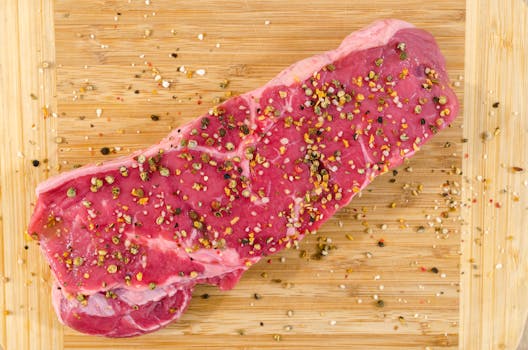 Photo: Lukas Blazek / Pexels
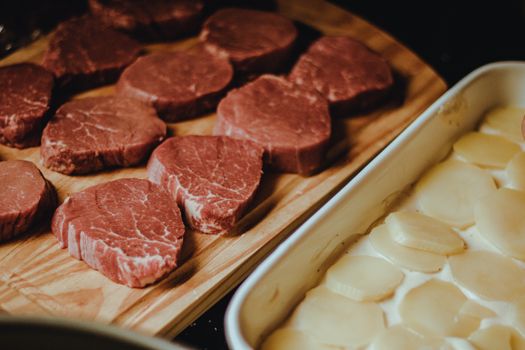 Photo: Marina Utrabo / Pexels