How to Cook Perfect Steak in Cast Iron: A Masterclass
how to cook perfect steak in cast iron

How to Cook Perfect Steak in Cast Iron: A Masterclass

Transform your home cooking by mastering the art of searing steak in cast iron for unparalleled flavor and texture.

Start Searing Now!

Key Takeaways

  • ✓ Cast iron's superior heat retention creates an unparalleled crust.
  • ✓ Preheating is crucial for even cooking and a great sear.
  • ✓ Resting the steak prevents juices from escaping, ensuring tenderness.
  • ✓ Different steak cuts require varied cooking times and techniques.

How It Works

1
Choose Your Cut Wisely

Select a steak with good marbling, such as a ribeye or New York strip, for optimal flavor and tenderness. Thickness matters, aiming for 1.5 to 2 inches for best results.

2
Prepare Your Steak

Bring the steak to room temperature, pat it thoroughly dry, and season generously with coarse salt and freshly ground black pepper. This prepares it for an even sear.

3
Master the Sear

Heat your cast iron pan until smoking hot, then add a high smoke point oil. Sear the steak vigorously on all sides, including the edges, to develop a deep, flavorful crust.

4
Finish and Rest

Transfer the pan to the oven (if finishing there) or reduce heat, adding butter and aromatics for basting. Crucially, rest the steak tented with foil to allow juices to redistribute.

Understanding Your Cast Iron Skillet: The Foundation of Flavor

High angle of pan with fried egg with seasoning placed on wooden board in kitchen Photo: Klaus Nielsen / Pexels
The journey to mastering how to cook perfect steak in cast iron begins with a deep appreciation for the skillet itself. Cast iron is not just any cooking vessel; it's a culinary workhorse renowned for its exceptional heat retention and even heat distribution. Unlike lighter pans that fluctuate in temperature, a well-seasoned cast iron skillet holds onto heat like a champ, creating a consistent surface temperature that is absolutely critical for developing that coveted, crusty sear on your steak. This thermal stability prevents the pan from cooling down excessively when the cold steak hits its surface, ensuring a rapid and intense browning reaction – the Maillard reaction – which is responsible for the complex, savory flavors we associate with a perfectly cooked steak. Without this consistent high heat, you'd end up steaming your steak rather than searing it, leading to a gray, unappetizing exterior. Furthermore, the natural seasoning of a cast iron pan, built up over time with fats and oils, creates a non-stick surface that also contributes to the steak's crust. This layer facilitates easy release and prevents sticking, allowing for a uniform browning. The heavier mass of cast iron also means it can reach incredibly high temperatures, far exceeding what many non-stick pans can safely achieve. This intense heat is what shocks the exterior of the steak, forming a delicious, almost caramelized crust while protecting the interior from overcooking. Choosing the right size pan is also important; a pan too small will crowd the steak, lowering the pan's temperature and hindering the sear, while a pan too large might lead to uneven heating if your burner isn't equally expansive. For most steaks, a 10-inch or 12-inch skillet is ideal. Remember, proper care and seasoning of your cast iron skillet are paramount. A well-maintained pan will not only last a lifetime but will also consistently deliver superior results for your steak-cooking endeavors. Learning how to properly care for your cast iron can significantly elevate your cooking. For more detailed information on maintaining your skillet, consider reading our guide on cast iron seasoning tips. This foundation ensures that every time you approach how to cook perfect steak in cast iron, you're starting with the best possible equipment.

Selecting the Ideal Steak Cut and Preparing for Perfection

Uncooked seasoned steak on a wooden board with a forest background, ready for cooking. Photo: Anna Guerrero / Pexels
Before you even think about firing up that cast iron, the first and arguably most crucial step in how to cook perfect steak in cast iron is selecting the right cut. Not all steaks are created equal, and some are far better suited for the high-heat, searing method of cast iron cooking than others. Look for cuts with good marbling – those fine flecks of intramuscular fat that melt during cooking, imparting incredible flavor and juiciness. Ribeye, New York strip, and top sirloin are excellent choices for their balance of tenderness and robust flavor. Filet mignon, while incredibly tender, has less marbling and might benefit from a slightly different approach, though it can still shine in cast iron. Thickness is another non-negotiable factor; aim for a steak that's at least 1.5 inches thick, ideally 2 inches. Thinner steaks cook too quickly, making it difficult to achieve a deep crust without overcooking the interior. Once you have your prime cut, proper preparation is key. First, bring your steak to room temperature. This isn't just a chef's urban legend; it's a scientific fact. A cold steak hitting a hot pan will significantly drop the pan's temperature, leading to a less effective sear and a wider gradient of doneness from edge to center. Allow your steak to rest on the counter for 30-60 minutes, depending on its thickness. Next, and perhaps most critically, pat your steak thoroughly dry with paper towels. Any surface moisture will create steam, which inhibits the Maillard reaction and prevents that beautiful crust from forming. Think of it as creating a perfect canvas for searing. Finally, season generously. Coarse sea salt and freshly cracked black pepper are the classics for a reason. Don't be shy; a good amount of salt helps draw out moisture initially, then forms a flavorful crust. Some chefs also like a light dusting of garlic powder or onion powder, but the purist approach often sticks to salt and pepper to let the steak's natural flavors shine. This meticulous preparation sets the stage for an extraordinary culinary experience and is a fundamental step in how to cook perfect steak in cast iron.

Mastering the Sear: Achieving the Ultimate Crust and Doneness

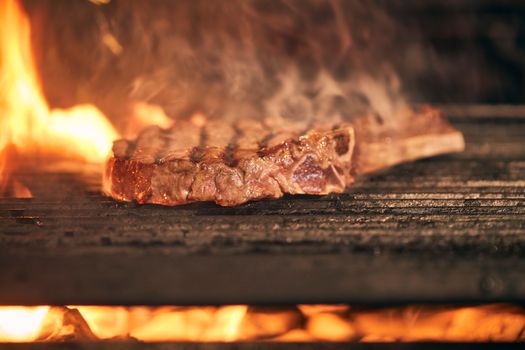
Close-up of a delicious steak being grilled over an open flame, emitting a mouth-watering aroma. Photo: Mohamed Olwy / Pexels
The moment of truth in how to cook perfect steak in cast iron lies in mastering the sear. This technique is what distinguishes a good steak from a truly great one. Start by heating your cast iron skillet over high heat until it's screaming hot – you should see wisps of smoke. This is where the magic of cast iron truly comes into play, as its ability to retain and distribute such intense heat is unparalleled. Once the pan is hot, add a high smoke point oil, such as grapeseed, avocado, or canola oil, just enough to thinly coat the bottom. Swirl it around quickly, and then carefully place your prepared, room-temperature steak into the pan. You should hear an immediate, satisfying sizzle. Resist the urge to move the steak for the first 2-3 minutes. Let it develop that deep, mahogany-brown crust. You're looking for a rich, dark color, not black or burnt. After the initial sear, flip the steak and sear the other side for another 2-3 minutes. For thicker cuts, you'll also want to sear the edges, holding the steak with tongs for about 30 seconds per side. This all-around sear ensures maximum flavor development. Once both sides are beautifully crusted, you have a few options for finishing. For steaks that are 1.5 inches thick or less, you might be able to achieve your desired doneness purely on the stovetop by reducing the heat and flipping every minute or so, or by basting. For thicker steaks or a more precise internal temperature, transfer the skillet to a preheated oven (usually 375-400°F) to finish cooking. This allows for a more even internal cook. Alternatively, you can reduce the stovetop heat to medium-low, add a knob of butter, a few sprigs of fresh rosemary or thyme, and a smashed garlic clove to the pan. Tilt the pan and continuously baste the steak with the melted butter and aromatics for the remaining cooking time. This basting technique infuses incredible flavor and helps ensure a juicy interior. Use an instant-read thermometer to check for doneness: 120-125°F for rare, 130-135°F for medium-rare, 135-140°F for medium. Remember, the internal temperature will rise by 5-10 degrees during resting. A crucial step often overlooked is the resting period. Once your steak reaches your desired internal temperature, remove it from the pan and place it on a cutting board, loosely tented with foil. Let it rest for at least 5-10 minutes (longer for larger cuts). This allows the juices, which have been driven to the center by the heat, to redistribute throughout the meat, resulting in an incredibly tender and juicy steak. Slicing too early will cause all those precious juices to spill out onto your board, leaving you with a drier, less flavorful steak. For more details on achieving perfect doneness, consult guides on steak internal temperature charts. This combined approach of searing and finishing is the hallmark of how to cook perfect steak in cast iron.

Common Mistakes to Avoid and Expert Tips for Cast Iron Steak

A close-up of a deliciously fried salmon steak sizzling in its juices in a pan. Photo: Aurelijus U. / Pexels
Even with the best intentions, several common pitfalls can derail your efforts when learning how to cook perfect steak in cast iron. Avoiding these mistakes is just as important as following the correct steps. 1. **Not Drying the Steak Thoroughly:** As mentioned, moisture is the enemy of a good sear. Always pat your steak aggressively dry with paper towels before seasoning and cooking. Any residual water will steam the meat instead of searing it, preventing that beautiful crust. 2. **Not Preheating the Pan Enough:** A cold or lukewarm pan will cause your steak to stick and cook unevenly, resulting in a lackluster sear. Your cast iron skillet needs to be smoking hot before the steak goes in. Don't rush this step. 3. **Overcrowding the Pan:** If you're cooking multiple steaks, resist the urge to cram them all into one pan. Crowding lowers the pan's temperature significantly and creates steam, leading to a poor sear. Cook in batches if necessary. 4. **Flipping Too Often:** Once the steak hits the hot pan, leave it alone! Constant flipping prevents the formation of a solid crust. Let each side sear undisturbed for a few minutes. 5. **Not Resting the Steak:** This is perhaps the most common mistake. Cutting into a steak immediately after cooking will cause all the delicious juices to run out, leaving you with a dry, tough piece of meat. Always rest your steak, tented with foil, for 5-10 minutes. 6. **Using the Wrong Oil:** Opt for oils with a high smoke point, like grapeseed, avocado, or canola oil. Olive oil, especially extra virgin, has a lower smoke point and will smoke and burn at the high temperatures needed for searing. **Expert Tips for Elevating Your Cast Iron Steak:** * **Reverse Sear Method:** For very thick steaks (2+ inches), consider the reverse sear. Cook the steak slowly in a low oven (250°F) until about 10-15°F below your target internal temperature, then transfer to a screaming hot cast iron pan for a quick, intense sear on all sides. This method ensures incredibly even cooking from edge to edge. * **Compound Butter:** Prepare a compound butter beforehand by mixing softened butter with minced garlic, fresh herbs (rosemary, thyme), and a pinch of salt. Place a pat of this butter on the steak during the resting phase; it will melt into the meat, adding another layer of flavor. * **Deglaze the Pan:** After removing the steak, don't let those flavorful browned bits go to waste! Deglaze the pan with a splash of red wine, beef broth, or even a little water. Scrape up all the fond (the browned bits) and reduce it slightly to create a quick, delicious pan sauce. * **Temperature Control:** Invest in a good instant-read thermometer. It's the only way to truly ensure your steak is cooked to your desired doneness without guessing or cutting into it prematurely. * **Seasoning from a Distance:** When seasoning, hold your hand a foot or so above the steak and let the salt and pepper fall like snow. This ensures a more even coating. By heeding these warnings and incorporating these expert tips, you'll consistently achieve restaurant-quality results every time you approach how to cook perfect steak in cast iron. Your taste buds, and your guests, will thank you.

Comparison

FeatureCast Iron SkilletStainless Steel PanNon-Stick Pan
Heat RetentionExcellentGoodFair
Searing CapabilityExceptional (deep crust)Good (moderate crust)Poor (steams)
DurabilityLifetime (if cared for)Very GoodLimited (coating degrades)
VersatilityStovetop to OvenStovetop to OvenStovetop Only (low temp)
MaintenanceSeasoning requiredEasyDelicate (no metal utensils)
Achieves Maillard Reaction
Ideal for Steak

What Readers Say

"I used to struggle with getting a good crust on my steaks, but following this guide on how to cook perfect steak in cast iron changed everything. The detailed steps on preheating and drying the steak made all the difference. My ribeyes are now restaurant-quality every time!"

Sarah J. · Austin, TX

"This article is a game-changer for cast iron cooking! I finally understand the importance of resting the steak and using high-smoke point oil. My family raves about my steaks now, all thanks to learning how to cook perfect steak in cast iron."

David M. · Chicago, IL

"I tried the reverse sear method from this guide for a thick New York strip, and the results were phenomenal. A perfect medium-rare from edge to edge with an incredible crust. Truly taught me how to cook perfect steak in cast iron."

Emily R. · Seattle, WA

"Great insights, especially about not overcrowding the pan. I'd been making that mistake for years. While my first attempt wasn't absolutely perfect, it was a huge improvement, and I'm confident I'll master how to cook perfect steak in cast iron soon."

Mark T. · Denver, CO

"As someone who just got a cast iron skillet, this was the ultimate beginner's guide. The tips on seasoning and maintenance were super helpful, leading to my first perfectly seared steak. I now know how to cook perfect steak in cast iron with confidence!"

Jessica L. · Miami, FL

Frequently Asked Questions

What is the best type of steak for cast iron cooking?

For cast iron cooking, cuts with good marbling and a thickness of 1.5 to 2 inches are ideal. Ribeye, New York strip, and top sirloin are excellent choices as their fat content renders beautifully under high heat, contributing to a rich flavor and juicy texture.

Why is my steak sticking to the cast iron pan?

Steak often sticks to cast iron for two main reasons: the pan wasn't hot enough when the steak was added, or the steak wasn't patted dry thoroughly. Ensure your pan is smoking hot and your steak is completely devoid of surface moisture for a clean release and superior sear.

How do I know when my cast iron pan is hot enough for searing?

Your cast iron pan is hot enough when it starts to lightly smoke. You can also test it by flicking a few drops of water into the pan; if they sizzle and evaporate almost instantly, it's ready. Using a high heat setting for several minutes is usually required.

Does cooking steak in cast iron use a lot of oil?

No, you only need a thin layer of high smoke point oil, just enough to lightly coat the bottom of the pan. Too much oil can lead to excessive smoke and a less effective sear. The goal is to facilitate heat transfer, not to deep-fry.

How does cast iron compare to grilling for cooking steak?

Cast iron excels at creating a uniform, deep crust across the entire surface of the steak due to direct, consistent contact with high heat. Grilling offers a smoky flavor and appealing grill marks, but can sometimes lead to uneven cooking if not managed carefully. Both are excellent, but cast iron typically provides a superior, all-over sear.

Who should prioritize learning how to cook perfect steak in cast iron?

Anyone who loves steak and wants to achieve restaurant-quality results at home should prioritize mastering cast iron steak cooking. It's particularly beneficial for home cooks seeking a consistently perfect crust, juicy interior, and robust flavor without needing an outdoor grill.

Is it safe to put a hot cast iron pan directly into the oven?

Yes, fully seasoned cast iron skillets are designed to go from stovetop to oven. Their high heat tolerance makes them incredibly versatile for finishing steaks, roasting, or baking. Always use oven mitts when handling a hot cast iron pan, regardless of where it's been.

What are the emerging trends in cast iron steak cooking?

Emerging trends include the increased popularity of the reverse sear method for unparalleled evenness, experimentation with various compound butters and finishing salts, and leveraging smart thermometers for precise temperature control. There's also a growing appreciation for heritage and artisan cast iron brands for enhanced cooking performance.

Ready to transform your home kitchen into a steakhouse? By following this comprehensive guide on how to cook perfect steak in cast iron, you'll unlock flavors and textures you never thought possible. Grab your skillet, choose your cut, and prepare for an unforgettable culinary experience.

Topics: how to cook perfect steak in cast ironcast iron steak searingreverse sear cast ironsteak cooking techniquesbest steak cooking method
Leo List
Brampton weed
Adultwork