✓ Choosing the right cut impacts texture and taste.
How It Works
1
Select Your Steak
Understand different cuts and their characteristics to choose the best one for your desired outcome. Marbling is key for flavor and tenderness.
2
Prepare and Season
Bring your steak to room temperature and season generously with salt and pepper. This ensures even cooking and deep flavor penetration.
3
Master the Cooking Method
Choose between pan-searing, grilling, or reverse searing based on your preference and equipment. Each method offers unique advantages for achieving perfection.
4
Rest and Serve
Allow your cooked steak to rest for 5-10 minutes before slicing. This critical step redistributes juices, resulting in a more tender and flavorful bite.
Choosing the Best Steak Cuts for Optimal Flavor and Texture
Photo: Rachel Claire / Pexels
The journey to how to cook perfect steak begins long before it hits the heat – it starts with selecting the right cut. The vast array of options in your butcher's case can be daunting, but understanding the characteristics of popular choices will empower you to make an informed decision. For unparalleled tenderness and rich flavor, prime cuts like Ribeye, New York Strip, and Filet Mignon are often the go-to choices. Ribeye, with its generous marbling (intramuscular fat), offers a buttery, beefy flavor and incredible juiciness. The fat renders beautifully during cooking, basting the meat from within. New York Strip, also known as Kansas City Strip or Sirloin Strip, provides a good balance of tenderness and chew, with a robust beef flavor and a satisfying fat cap on one side. Filet Mignon, or Tenderloin, is renowned for its melt-in-your-mouth tenderness, though it’s leaner and has a more subtle flavor profile. It benefits from rich sauces or bacon wrapping to enhance its taste.
Beyond these premium selections, other cuts offer excellent value and unique qualities. Sirloin, while firmer than a Ribeye, is still quite tender and delivers a strong beefy taste, making it versatile for grilling or pan-searing. Flank Steak and Skirt Steak, lean and fibrous, are best cooked quickly to medium-rare and sliced against the grain to maximize tenderness. They absorb marinades exceptionally well, making them perfect for fajitas or stir-fries. T-Bone and Porterhouse steaks offer the best of both worlds, combining a New York Strip on one side of the bone and a Filet Mignon on the other. The Porterhouse is simply a larger T-Bone with a more substantial portion of the tenderloin. When selecting, look for bright red meat with good marbling – small, evenly distributed flecks of white fat throughout the muscle. This marbling is crucial as it renders during cooking, adding moisture, flavor, and tenderness. Avoid steaks with excessive gristle or large pockets of fat that won't render down. Thickness is another vital factor; aim for steaks at least 1 to 1.5 inches thick. Thicker cuts allow for a better sear on the exterior without overcooking the interior, which is fundamental to achieving that perfect medium-rare or medium doneness. Always discuss your preferences with your butcher; they can offer expert advice and even custom-cut a steak to your specifications. Understanding these cuts is the foundational step in your culinary journey to master how to cook perfect steak. For more details on sourcing quality ingredients, check out our guide on buying quality meat.
Mastering Preparation and Seasoning Techniques
Photo: Lukas Blazek / Pexels
Once you’ve selected your ideal cut, proper preparation is the next critical phase in your quest for how to cook perfect steak. Many home cooks skip or rush these initial steps, unknowingly compromising the final result. The first crucial step is to bring your steak to room temperature. Remove it from the refrigerator at least 30 minutes, and preferably an hour, before cooking. This allows the meat to cook more evenly from edge to edge. A cold steak will cook slower in the center, potentially leading to an overcooked exterior and a still-cold, undercooked interior. While some debate the extent of this effect, it's a simple habit that consistently yields better results.
Next, pat your steak thoroughly dry with paper towels. Moisture on the surface of the meat will prevent a proper sear. Instead of searing, the moisture will steam the steak, resulting in a gray, unappetizing crust instead of a beautiful, caramelized brown. This 'Maillard reaction'—the chemical reaction between amino acids and reducing sugars that gives browned food its distinctive flavor—is essential for developing the rich, complex flavors we associate with a perfectly cooked steak. A dry surface is paramount for achieving this.
Seasoning is where many home cooks can elevate their steak from good to extraordinary. The golden rule for steak seasoning is simplicity and generosity. Coarse sea salt or kosher salt and freshly cracked black pepper are often all you need. Don't be shy with the salt; much of it will fall off during cooking, and a generous application ensures the seasoning penetrates the surface and enhances the meat's natural flavors. For a 1-inch thick steak, you might use a full teaspoon of coarse salt per side. Apply the salt and pepper evenly over both sides and the edges of the steak. Some chefs advocate salting several hours or even a day in advance, allowing the salt to draw out moisture and then reabsorb, leading to a more deeply seasoned interior. If you're short on time, seasoning right before cooking is perfectly acceptable, but ensure the steak is dry before applying the seasoning. For added flavor, consider a light dusting of garlic powder or onion powder, or a sprig of fresh rosemary or thyme during the final stages of cooking for an aromatic finish. However, resist the urge to overcomplicate things with too many spices; a truly great steak shines brightest when its inherent beefy flavor is allowed to take center stage, supported by simple, effective seasoning. These meticulous preparation steps lay the groundwork for an exquisite dining experience.
Mastering the Art of Cooking Methods and Doneness
Photo: RDNE Stock project / Pexels
With your steak perfectly prepped and seasoned, the next crucial step in how to cook perfect steak is choosing and executing the right cooking method. Several techniques can yield outstanding results, each with its own advantages. The most popular methods include pan-searing, grilling, and the increasingly favored reverse sear.
**Pan-Searing:** This method is excellent for achieving a deep, flavorful crust, especially for thicker cuts. Heat a heavy-bottomed skillet, preferably cast iron, over high heat until it's smoking hot. Add a high smoke point oil like grapeseed, avocado, or canola oil. Once the oil shimmers, carefully place your dry, seasoned steak in the pan. Sear for 2-4 minutes per side, depending on thickness and desired doneness, until a rich, dark brown crust forms. For a more even cook, especially with thicker steaks, finish in a preheated oven (375-400°F) until it reaches your target internal temperature. During the last minute or two of searing, you can add a knob of butter, a smashed garlic clove, and fresh herbs like rosemary or thyme to the pan. Baste the steak with the melted butter and aromatics for an extra layer of flavor.
**Grilling:** For those who love a smoky flavor and beautiful char marks, grilling is the way to go. Preheat your grill to high heat. Ensure the grates are clean and oiled to prevent sticking. Place the steak directly over the hottest part of the grill for 2-3 minutes per side to achieve a good sear. Then, move it to a cooler part of the grill (indirect heat) to finish cooking to your desired doneness. Close the lid to allow the heat to circulate and cook the steak evenly. Using a two-zone grilling method (one hot side, one cooler side) is ideal for controlling the cooking process and preventing flare-ups.
**Reverse Sear:** This method is arguably the most foolproof way to achieve a perfectly even cook from edge to edge, with a beautiful crust. It’s particularly effective for thicker steaks (1.5 inches or more). Start by cooking the steak slowly at a low temperature in an oven (225-275°F) until it's about 10-15 degrees below your target final temperature. This can take anywhere from 30 minutes to an hour, depending on thickness. Use a meat thermometer to monitor the internal temperature. Once it reaches the pre-sear temperature, remove it from the oven, pat it dry again, and then sear it in a screaming hot pan or on a hot grill for 1-2 minutes per side to develop that irresistible crust. The slow initial cook ensures the steak is uniformly cooked, and the quick high-heat sear provides the desired exterior.
Regardless of the method, knowing your desired doneness is key. Always use an instant-read meat thermometer for accuracy. Here’s a general guide:
* **Rare:** 125-130°F (cool red center)
* **Medium-Rare:** 130-135°F (warm red center)
* **Medium:** 135-140°F (warm pink center)
* **Medium-Well:** 140-145°F (slightly pink center)
* **Well-Done:** 150°F+ (little to no pink)
Remember that the steak's temperature will continue to rise by 5-10 degrees Fahrenheit after it's removed from the heat (carryover cooking), so pull it off just before it reaches your target temperature. This attention to internal temperature is a hallmark of truly mastering how to cook perfect steak. For more culinary techniques, explore our articles on advanced cooking methods.
Essential Tips and Common Mistakes to Avoid for Perfect Steak
Photo: Los Muertos Crew / Pexels
Achieving the perfect steak consistently requires attention to detail and avoiding common pitfalls. Even seasoned cooks can make mistakes that compromise the final product. Here are essential tips and crucial mistakes to sidestep on your journey to how to cook perfect steak:
**Essential Tips for Success:**
* **Preheat Thoroughly:** Whether it's a cast-iron skillet or a grill, ensure your cooking surface is screaming hot before the steak touches it. This is vital for developing a beautiful, flavorful crust.
* **Use a Meat Thermometer:** This is non-negotiable for consistent results. Guessing doneness by touch is unreliable, especially for beginners. Invest in a good instant-read thermometer.
* **Rest Your Steak:** After cooking, transfer your steak to a cutting board and let it rest for 5-10 minutes (longer for very thick cuts) before slicing. This allows the muscle fibers to relax and reabsorb the juices, ensuring a tender, moist steak. Cutting too soon will cause all the delicious juices to run out onto your board.
* **Slice Against the Grain:** For leaner, tougher cuts like flank or skirt steak, slicing thinly against the grain is crucial for tenderness. This shortens the muscle fibers, making each bite less chewy.
* **Clean Your Grill/Pan:** Leftover food particles can burn and impart off-flavors. Start with a clean cooking surface every time.
**Common Mistakes to Avoid:**
* **Cooking a Cold Steak:** As discussed, a cold steak from the fridge will cook unevenly. Always bring it to room temperature.
* **Not Patting Dry:** Moisture on the surface inhibits searing, leading to a steamed rather than browned exterior. Always pat your steak thoroughly dry.
* **Flipping Too Often:** Resist the urge to constantly flip the steak. Let it sear undisturbed on each side to build a robust crust. For pan-searing, generally one flip is sufficient, perhaps two for very thick cuts.
* **Overcrowding the Pan:** If pan-searing multiple steaks, ensure there's enough space between them. Overcrowding lowers the pan's temperature, leading to steaming instead of searing. Cook in batches if necessary.
* **Cutting Into the Steak to Check Doneness:** This is a cardinal sin! Every cut lets precious juices escape, resulting in a drier steak. Rely solely on your meat thermometer.
* **Not Seasoning Enough:** A steak needs a generous amount of coarse salt and pepper to truly shine. Don't be shy!
* **Ignoring Carryover Cooking:** Remember that your steak's internal temperature will continue to rise after it's removed from the heat. Pull it off the heat a few degrees below your target doneness.
* **Using the Wrong Oil:** Use oils with a high smoke point for searing (e.g., grapeseed, avocado, canola). Olive oil has a lower smoke point and will burn, imparting a bitter taste.
By diligently following these tips and consciously avoiding these common errors, you'll dramatically increase your chances of consistently producing a steak that rivals those from high-end steakhouses, truly mastering how to cook perfect steak.
Comparison
Feature
Pan-Searing
Grilling
Reverse Sear
Crust Quality
Excellent, even
Good, with char marks
Exceptional, even
Internal Doneness Evenness
Good, can be gradient
Good, can be gradient
Excellent, edge-to-edge
Equipment Needed
Cast iron/heavy pan
Outdoor grill
Oven + Pan/Grill
Best for Thickness
1"-1.5"
Any, but shines on thinner
>1.5" thick
Any, but shines on thicker
Cook Time
Fast
Moderate
Slow initial cook, fast sear
What Readers Say
★★★★★
"This guide completely changed how I cook steak! My Ribeyes are now perfectly medium-rare with an incredible crust. The tip about resting the steak was a game-changer for juiciness."
Sarah J. · Austin, TX
★★★★★
"I used the reverse sear method for the first time after reading this, and it was the best steak I've ever made at home. So tender and evenly cooked throughout. Highly recommend!"
David L. · Chicago, IL
★★★★★
"Following these steps, I finally figured out how to cook perfect steak without guesswork. My husband said it tasted like it came from a five-star restaurant. Thank you!"
Emily R. · Seattle, WA
★★★★★
"The advice on seasoning and pan-searing was spot on. My only minor critique is I wish there were more specific time guidelines for different thicknesses, but the thermometer tip covered it."
Mark P. · Miami, FL
★★★★★
"From choosing the cut to the final rest, every step was clearly explained. I've always struggled with grilling, but now I consistently get beautiful char and perfect doneness on my steaks."
Jessica M. · Denver, CO
Frequently Asked Questions
What is the most important factor in how to cook perfect steak?
The most important factor is internal temperature control, followed closely by achieving a good sear. Using an instant-read meat thermometer is crucial to ensure your steak reaches the desired doneness without overcooking, while a high-heat cooking surface is essential for developing a flavorful crust.
Is it really necessary to bring steak to room temperature before cooking?
While not strictly 'necessary' in all cases, bringing your steak to room temperature (typically 30-60 minutes out of the fridge) promotes more even cooking. It reduces the temperature difference between the surface and the center, preventing the exterior from overcooking while the interior struggles to warm up.
How do I know what doneness my steak is without cutting into it?
The most reliable way to determine steak doneness without cutting into it is by using an instant-read meat thermometer. Insert the thermometer into the thickest part of the steak, avoiding bone. Compare the reading to your desired doneness temperatures (e.g., 130-135°F for medium-rare), remembering to account for carryover cooking.
What's the best pan for cooking steak indoors?
A heavy-bottomed cast iron skillet is widely considered the best pan for cooking steak indoors. Its superior heat retention and even heating capabilities allow it to get screaming hot and maintain that heat, which is essential for developing a deep, flavorful crust through the Maillard reaction.
Is grilling or pan-searing better for steak?
Neither method is inherently 'better'; it depends on your preference and the steak cut. Grilling imparts a smoky flavor and char marks, ideal for outdoor cooking. Pan-searing provides an incredibly even crust and can be finished in the oven for precise doneness. The reverse sear, a combination of both (oven then pan/grill), offers the best of both worlds for thick cuts.
Who should follow these tips for cooking steak?
Anyone looking to elevate their home steak-cooking game, from beginners to experienced cooks, will benefit from these tips. Whether you're aiming for a simple weeknight meal or a show-stopping dinner party centerpiece, this guide provides the foundational knowledge and advanced techniques to consistently achieve perfect results.
Can I get food poisoning from undercooked steak?
The risk of food poisoning from undercooked whole-muscle steak is generally low, especially when consumed rare or medium-rare. Bacteria typically reside on the surface of the meat and are killed during searing. However, ground beef or mechanically tenderized steaks carry a higher risk as bacteria can be introduced into the interior, so these should always be cooked to a higher temperature.
What are the future trends in steak cooking?
Future trends in steak cooking include increased adoption of sous vide for precise temperature control before searing, greater emphasis on sustainable and ethically sourced meat, and innovative flavor pairings with global spices and techniques. Expect to see more home cooks experimenting with dry-aging and specialized cuts, continually refining how to cook perfect steak.
Ready to impress your family and friends with a steak that's truly restaurant-quality? Apply these expert techniques and master how to cook perfect steak every single time. Your culinary journey to steak perfection starts now!

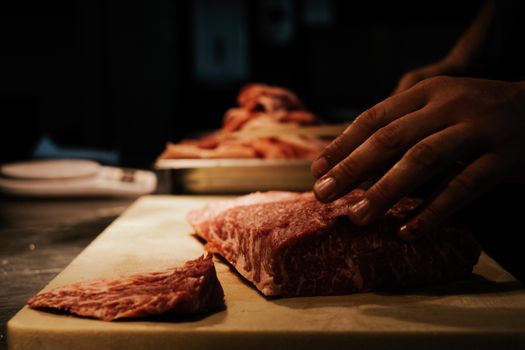 Photo: Rachel Claire / Pexels
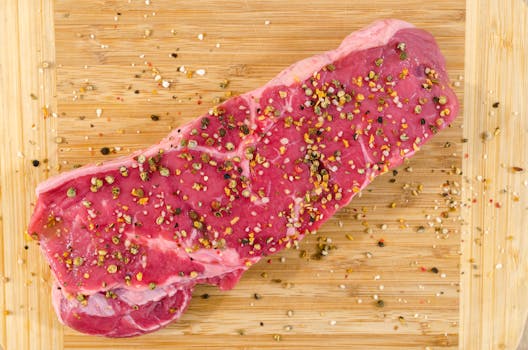 Photo: Lukas Blazek / Pexels
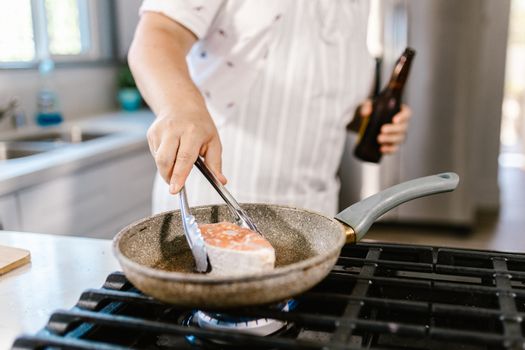 Photo: RDNE Stock project / Pexels
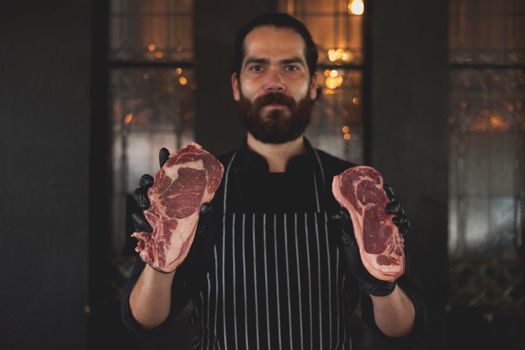 Photo: Los Muertos Crew / Pexels