✓ Cast iron's superior heat retention creates an unparalleled crust.
✓ Achieving the perfect internal temperature is crucial for doneness.
✓ Resting the steak after cooking ensures juiciness.
✓ Proper seasoning and high heat are key to success.
How It Works
1
Choose Your Cut & Prep
Select a quality steak (ribeye, New York strip) and bring it to room temperature. Season liberally for maximum flavor penetration.
2
Heat the Cast Iron
Preheat your cast iron skillet over medium-high to high heat until it's smoking slightly. This ensures a proper, immediate sear.
3
Sear & Finish
Sear the steak aggressively on both sides, then optionally finish in the oven or with butter basting for even cooking and flavor.
4
Rest & Enjoy
Remove the steak from the pan and let it rest on a cutting board for 5-10 minutes. This allows juices to redistribute, resulting in a tender bite.
The Science Behind a Sizzling Sear: Why Cast Iron Reigns Supreme
Photo: Michał Robak / Pexels
When it comes to achieving that coveted, crispy, deeply browned crust on a steak, no other pan quite measures up to the humble cast iron skillet. Understanding the 'why' behind its supremacy is the first step in mastering how to cook perfect steak cast iron. The magic lies primarily in two key properties: superior heat retention and even heat distribution. Unlike thinner pans that rapidly lose heat when cold meat hits their surface, a well-preheated cast iron skillet acts as a thermal powerhouse. It stores a tremendous amount of energy, which it then efficiently transfers to the steak, initiating the Maillard reaction almost instantly. The Maillard reaction is a complex chemical process between amino acids and reducing sugars that gives browned food its distinctive flavor and color. Without sufficient, consistent heat, this reaction won't develop properly, leaving you with a gray, unappealing crust instead of a flavorful, caramelized one.
Furthermore, cast iron distributes heat remarkably evenly across its surface. While it takes longer to heat up initially, once it reaches temperature, it maintains that heat with impressive consistency. This prevents hot spots that can lead to uneven cooking, where one part of your steak is perfectly seared while another remains undercooked or even burnt. This evenness is critical for a uniform crust and a perfectly cooked interior from edge to edge. The thick walls and bottom of a cast iron pan contribute significantly to this thermal stability. They act as a heat sink, absorbing and radiating heat consistently, ensuring that every inch of your steak gets the same intense searing treatment. This is a stark contrast to many modern non-stick or stainless steel pans, which often exhibit significant temperature fluctuations, especially when introduced to a cold protein. The inherent properties of cast iron also lend themselves well to developing a natural non-stick surface over time with proper seasoning. This seasoned surface not only helps prevent sticking but also contributes to the flavor profile, creating a better interface for searing and releasing the steak cleanly. Many chefs swear by their well-seasoned cast iron, often passing them down through generations, precisely because of these unparalleled cooking characteristics. The ability to go from stovetop to oven is another huge advantage, allowing for a seamless transition from searing to finishing, which is a cornerstone of advanced steak-cooking techniques. Understanding these fundamental principles of heat transfer and material science is paramount to truly mastering the art of how to cook perfect steak cast iron. It’s not just a pan; it’s a tool designed for culinary excellence, particularly when it comes to high-heat applications like searing. For more on essential kitchen tools, check out our guide on must-have kitchen gadgets.
From Butcher to Board: Selecting, Prepping, and Seasoning Your Steak
Photo: Lukas Blazek / Pexels
The journey to mastering how to cook perfect steak cast iron begins long before the pan even hits the heat. It starts with thoughtful selection and meticulous preparation of your chosen cut. The quality of your steak will fundamentally determine the outcome, so invest wisely. Look for well-marbled cuts like a Ribeye, New York Strip, or a thick-cut Sirloin. Marbling—the intramuscular fat—is crucial as it melts during cooking, basting the meat from within, ensuring juiciness and imparting rich flavor. Aim for steaks that are at least 1 to 1.5 inches thick; thinner steaks cook too quickly, making it difficult to achieve a good sear without overcooking the interior.
Once you have your steak, proper preparation is key. The first critical step is to bring the steak to room temperature. This isn't just a suggestion; it's a non-negotiable step for even cooking. A cold steak hitting a hot pan will cause the exterior to overcook before the interior has a chance to warm up, resulting in an unevenly cooked steak. Remove your steak from the refrigerator at least 30-60 minutes before cooking, depending on its thickness. Pat it thoroughly dry with paper towels. Moisture on the surface will create steam, which inhibits the Maillard reaction and prevents a proper crust from forming. A dry surface is essential for a beautiful sear.
Next, season generously. Salt is your steak's best friend. Use a coarse salt like kosher salt or flaky sea salt, along with freshly cracked black pepper. Some prefer to season with salt hours in advance, allowing the salt to draw out moisture and then reabsorb into the meat, tenderizing it and seasoning it deeply. If you're short on time, seasoning right before cooking is still effective. Don't be shy with the seasoning; much of it will fall off during cooking, and a thick steak can handle a surprising amount of salt. You can also add garlic powder or onion powder if desired, but keep it simple to let the steak's natural flavor shine. Finally, ensure your cast iron skillet is properly seasoned. A well-seasoned pan will have a slick, dark surface that helps prevent sticking and promotes an even sear. If your pan isn't perfectly seasoned, you might consider a thin layer of high smoke point oil before heating. This careful attention to detail in selection and preparation sets the stage for a truly remarkable steak experience, ensuring that when you finally place it in the hot pan, you're on the path to perfection.
Mastering the Sear: Techniques for a Restaurant-Quality Crust and Perfect Doneness
Photo: Mohamed Olwy / Pexels
The moment of truth for how to cook perfect steak cast iron arrives when your pan is screaming hot. Achieving that legendary crust requires courage, precision, and an understanding of high-heat cooking. First, ensure your cast iron skillet is preheated correctly. Place it over medium-high to high heat for at least 5-10 minutes, or until it just begins to smoke faintly. You want it hot enough that a drop of water sizzles and evaporates instantly. Some chefs even recommend taking it to the brink of where the oil would smoke if added, ensuring maximum heat transfer for that immediate crust development. Once hot, add a high smoke point oil like grapeseed, avocado, or canola oil – just enough to lightly coat the bottom of the pan. Swirl it around, then carefully place your well-dried, seasoned steak into the hot oil. You should hear an immediate, aggressive sizzle. This is the sound of success.
Resist the urge to move the steak for the first 2-3 minutes. Let it develop that deep, dark crust. Flipping too early will prevent the Maillard reaction from fully forming. After 2-3 minutes, use tongs to lift a corner and check for a dark brown, almost black crust. If it's there, flip the steak. Now, for the second side, you have options. Many home cooks simply sear for another 2-3 minutes, then reduce the heat slightly and continue cooking, flipping every minute or so, until the desired internal temperature is reached. However, a popular technique for added flavor and juiciness is butter basting. After the second side has seared for about a minute, add a tablespoon or two of unsalted butter to the pan, along with a few smashed garlic cloves and sprigs of fresh rosemary or thyme. As the butter melts and foams, tilt the pan slightly and use a spoon to continuously baste the steak with the fragrant butter. This not only infuses the steak with incredible flavor but also helps to cook the top surface and edges more evenly.
For thicker cuts (1.5 inches or more), consider the reverse sear method, which involves slow cooking in a lower oven first, then a quick, high-heat sear. Alternatively, sear both sides until crusted, then transfer the entire cast iron skillet to a preheated oven (around 375-400°F) to finish cooking to your desired doneness. This method is excellent for even cooking through the center without burning the exterior. Always use a meat thermometer to check internal temperature, as this is the only reliable way to ensure perfect doneness. Target temperatures are: Rare (125-130°F), Medium-Rare (130-135°F), Medium (135-140°F), Medium-Well (140-145°F), Well-Done (150°F+). Remove the steak 5 degrees before your target, as it will continue to cook while resting. Remember, practice makes perfect, and each steak is a unique culinary adventure. For more in-depth cooking techniques, explore our articles on advanced grilling methods.
The Critical Rest: Why You Must Wait, and Common Mistakes to Avoid
Photo: Anna Guerrero / Pexels
You’ve put in the effort, mastered the sear, and your kitchen smells incredible. The temptation to slice into that beautiful steak immediately is almost unbearable, but resisting it is perhaps the most crucial step in ensuring a tender, juicy result. The 'rest' is non-negotiable when you want to cook perfect steak cast iron. Here's why: during high-heat cooking, the muscle fibers in the steak contract, forcing the internal juices towards the center. If you cut into the steak immediately, all those flavorful juices will flood out onto your cutting board, leaving you with a dry, less flavorful piece of meat. Resting allows the muscle fibers to relax and the juices to redistribute evenly throughout the steak. This results in every bite being as tender and juicy as the last. For most steaks, a rest of 5-10 minutes is sufficient. Cover it loosely with foil to keep it warm, but don't seal it tightly, as that can steam the crust you worked so hard to create. Use this time to prepare side dishes or simply savor the anticipation.
Beyond neglecting the rest, several other common pitfalls can derail your quest for the perfect cast iron steak. The most frequent mistake is not preheating the pan sufficiently. A lukewarm pan will steam the steak rather than sear it, leading to a gray, sad exterior instead of a rich, brown crust. Patience is key when heating cast iron. Another common error is overcrowding the pan. If you're cooking multiple steaks, work in batches. Overcrowding drops the pan's temperature dramatically, leading to the same steaming problem. Give each steak enough space to breathe and sear properly. Not drying the steak thoroughly before seasoning is another major culprit. Surface moisture must be eliminated to achieve that crispy crust. Finally, resist the urge to constantly flip or move the steak. Let it sit undisturbed for several minutes on each side to build that deep, flavorful sear. Over-handling prevents the Maillard reaction from developing fully. By understanding and avoiding these common mistakes, combined with the critical resting period, you'll consistently achieve restaurant-quality results, elevating your home cooking to new heights.
Comparison
Feature
Cast Iron
Stainless Steel
Non-Stick
Heat Retention
Excellent
Good
Poor
Searing Ability
Superior
Good
Fair
Durability
Exceptional
Very Good
Moderate
Oven Safe (High Heat)
✓
✓ (check handle)
✗
Natural Non-Stick
✓ (with seasoning)
✗
✓ (coating dependent)
Maintenance
Specific (seasoning)
Easy
Delicate (coating)
What Readers Say
★★★★★
"This guide transformed my steak game! I always struggled with getting a good crust, but following these steps on how to cook perfect steak cast iron gave me the best ribeye I've ever made at home. The tips on preheating and resting were game-changers."
Sarah J. · Austin, TX
★★★★★
"Absolutely fantastic advice. My steaks were always just 'okay' before, but now they're restaurant-quality. The section on choosing the right cut and seasoning made all the difference in understanding how to cook perfect steak cast iron."
Mark D. · Chicago, IL
★★★★★
"I followed the instructions exactly, including the butter basting, and my New York Strip had an incredible crust and was perfectly medium-rare. My husband said it was better than any steakhouse. This article truly teaches you how to cook perfect steak cast iron."
Emily R. · Denver, CO
★★★★★
"Very thorough guide. I've always used cast iron, but the detailed explanation of the Maillard reaction and the importance of drying the steak was really helpful. Still working on my timing for medium-rare, but it's much better now."
David P. · Miami, FL
★★★★★
"As a beginner to cast iron, this was incredibly empowering. I used to be intimidated, but the step-by-step process for how to cook perfect steak cast iron made it approachable. Even my first attempt was a huge success!"
Jessica L. · Seattle, WA
Frequently Asked Questions
What is the best type of steak for cast iron cooking?
For cast iron cooking, fattier cuts with good marbling like Ribeye, New York Strip, Porterhouse, or T-Bone are excellent choices. Their fat content renders beautifully, contributing to flavor and juiciness under high heat. Aim for steaks at least 1 to 1.5 inches thick for optimal searing and internal temperature control.
How do I prevent my steak from sticking to the cast iron pan?
To prevent sticking, ensure your cast iron skillet is well-seasoned and sufficiently hot before adding the steak. Use a high smoke point oil (like grapeseed or avocado) to lightly coat the pan. Critically, do not move the steak immediately; allow it to sear and form a crust for 2-3 minutes, and it will naturally release from the pan when ready to flip.
What's the ideal temperature for cooking steak in a cast iron skillet?
The ideal pan temperature for searing steak in cast iron is very high, usually medium-high to high heat. The pan should be preheated for 5-10 minutes until it's just smoking faintly. This intense heat is crucial for developing a deep, flavorful crust quickly, initiating the Maillard reaction effectively.
Is it worth investing in a good quality cast iron skillet just for steak?
Absolutely. A good quality cast iron skillet is an invaluable investment for any home cook, especially for steak. Its superior heat retention and even heat distribution are unmatched for achieving a perfect sear. Beyond steak, it's incredibly versatile for frying, baking, roasting, and more, lasting a lifetime with proper care.
How does cast iron compare to grilling for cooking steak?
Cast iron excels at creating a uniform, crispy crust across the entire surface of the steak due to direct, even contact with high heat. Grilling, while offering a smoky flavor and attractive grill marks, often results in less overall crust development and can be more prone to flare-ups. Both methods are excellent, but cast iron provides a consistent, intense sear that's hard to beat indoors.
Who should follow this guide on how to cook perfect steak cast iron?
This guide is perfect for anyone looking to elevate their home steak cooking, from beginners seeking clear, actionable steps to experienced cooks wanting to refine their cast iron technique. If you desire a restaurant-quality crust and a juicy, perfectly cooked interior, this guide is for you.
Are there any safety concerns when cooking with very hot cast iron?
Yes, always use oven mitts or a towel when handling a hot cast iron skillet, as the handle will become extremely hot. Ensure good ventilation, as searing steak at high temperatures can produce a fair amount of smoke. Be cautious when adding oil or liquids to a hot pan to avoid splatters.
What are the emerging trends for steak cooking techniques in cast iron?
While classic searing remains popular, trends lean towards techniques like reverse searing (slow cooking in the oven then searing in cast iron) for thicker cuts, and incorporating various aromatic basting liquids (like herb-infused butter or rendered beef fat) during the final stages of cooking to enhance flavor and moisture. Sous vide finishing with a cast iron sear is also gaining popularity for ultimate precision.
Ready to transform your home cooking? Embrace the power of cast iron and master how to cook perfect steak cast iron every time. With this guide, you're not just cooking a meal; you're crafting an experience. Start searing your way to steak perfection today!

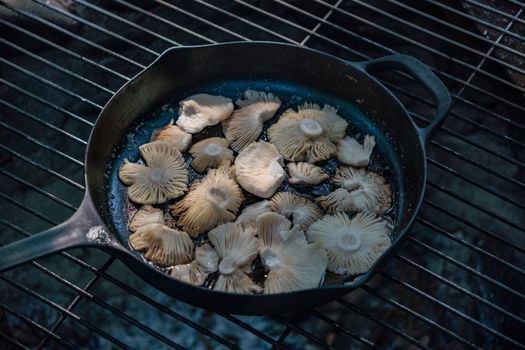 Photo: Michał Robak / Pexels
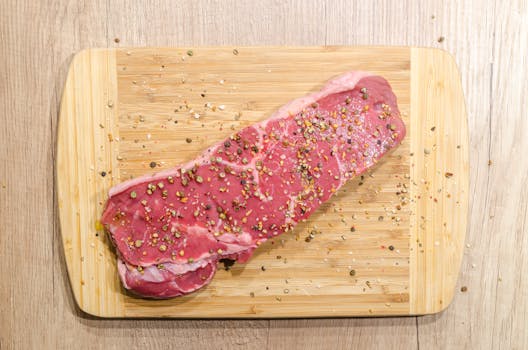 Photo: Lukas Blazek / Pexels
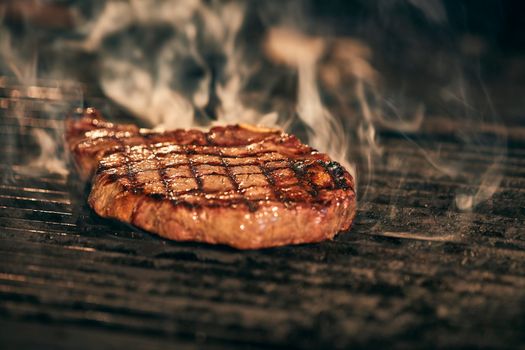 Photo: Mohamed Olwy / Pexels
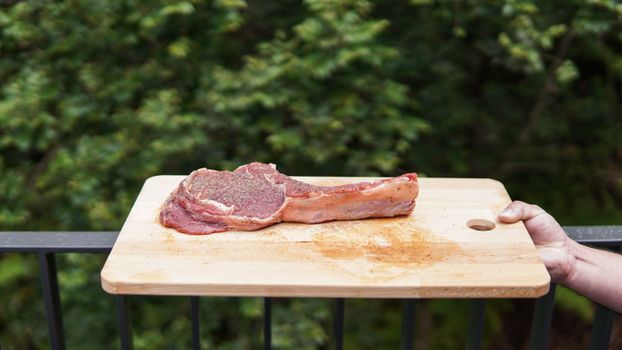 Photo: Anna Guerrero / Pexels