✓ Choosing the right cut and thickness is crucial for success.
✓ Proper seasoning and bringing steak to room temperature are essential pre-cooking steps.
✓ High heat searing creates a delicious crust (Maillard reaction).
✓ Resting the steak after cooking allows juices to redistribute for maximum tenderness.
How It Works
1
Select Your Steak
Choose a quality cut like ribeye, New York strip, or tenderloin, at least 1.5 inches thick. Quality meat is the foundation of a great steak.
2
Prepare and Season
Pat the steak dry thoroughly and season generously with salt and pepper, or your preferred steak rub. Allow it to sit at room temperature for 30-60 minutes.
3
Sear and Cook
Heat a heavy-bottomed pan (cast iron is ideal) to screaming hot with a high smoke point oil. Sear the steak vigorously on all sides, then finish to desired doneness using preferred method (oven, reverse sear).
4
Rest and Serve
Remove the steak from heat and let it rest on a cutting board for 5-10 minutes. This crucial step allows the internal juices to redistribute, ensuring a tender and flavorful bite.
Choosing the Right Cut and Thickness for Optimal Steak Results
Photo: Anna Guerrero / Pexels
The journey to mastering how to cook perfect steak at home begins long before you even turn on the stove. It starts with the selection of the meat itself. Not all steaks are created equal, and understanding the nuances of different cuts is paramount to achieving culinary excellence. For a truly perfect steak, look for cuts with good marbling – those fine streaks of fat woven throughout the muscle. This intramuscular fat renders during cooking, basting the meat from within, imparting incredible flavor, and contributing to a tender, juicy texture. Prime examples of well-marbled cuts include Ribeye, known for its rich flavor and tenderness due to its high fat content, and New York Strip, which offers a robust beefy flavor with a slightly firmer texture. Tenderloin, or Filet Mignon, while leaner, is prized for its unparalleled tenderness, though it typically requires careful cooking to prevent it from drying out. Sirloin and T-bone are also excellent choices, offering a balance of flavor and tenderness. The thickness of your steak is another critical factor. Aim for steaks that are at least 1.5 inches thick, ideally 2 inches. Thicker steaks provide a larger 'thermal mass,' allowing for a more even cook from edge to center without overcooking the exterior. A thin steak, by contrast, will cook through very quickly, making it difficult to achieve a good sear without ending up with an overdone interior. When at the butcher or grocery store, don't be afraid to ask questions. Inquire about the grade of the beef (USDA Prime, Choice, or Select), as this indicates the level of marbling. Prime is the highest grade and will yield the most luxurious results, while Choice is still an excellent and more readily available option. Consider the aging process as well; dry-aged steaks boast concentrated flavors and incredible tenderness, though they often come at a premium price. Ultimately, the 'best' cut often comes down to personal preference, but starting with a well-marbled, thick cut will significantly increase your chances of success in your quest to cook perfect steak at home. For more insights on selecting quality ingredients, check out our guide on sourcing premium meats. Understanding these foundational elements ensures you're set up for success before you even begin the cooking process. A properly chosen steak is half the battle won, laying the groundwork for a truly memorable meal.
Mastering the Pre-Cooking Ritual: Seasoning and Temperature Acclimation
Photo: Skyler Ewing / Pexels
Once you've selected your ideal steak, the crucial pre-cooking ritual begins, setting the stage for an extraordinary culinary experience. This stage is often overlooked but is absolutely fundamental to how to cook perfect steak at home. First and foremost, pat your steak thoroughly dry with paper towels. This step is non-negotiable. Moisture on the surface of the meat acts as a barrier, preventing the intense heat of the pan from creating that coveted, flavorful crust (the Maillard reaction). Instead of searing, the steak would steam, resulting in a grayish, less appealing exterior. A bone-dry surface allows for optimal browning and flavor development. Next, comes the seasoning. This is where you can truly elevate the steak's natural flavors. The golden rule is to season generously. For most steaks, a liberal application of coarse salt (like kosher salt or sea salt) and freshly ground black pepper is all you need. The salt not only enhances flavor but also aids in tenderizing the meat and drawing moisture to the surface, which then evaporates, further contributing to a great sear. Some chefs advocate for seasoning hours in advance, allowing the salt to penetrate deeply and then re-absorb the moisture. Others prefer seasoning right before cooking. Experiment to find your preference, but at a minimum, season at least 15-20 minutes before cooking. After seasoning, allow your steak to come to room temperature. This means taking it out of the refrigerator 30-60 minutes before you plan to cook it. A cold steak hitting a hot pan will cause the exterior to cook much faster than the interior, leading to an unevenly cooked result – a gray band around the edges with a rare center. By allowing the steak to warm up slightly, you promote a more even temperature gradient throughout the meat, resulting in a more consistent doneness from edge to edge. This step is particularly important for thicker cuts. While some debate the extent of this 'room temperature' effect, it undoubtedly contributes to a more controlled cooking process. Think of it as preparing your canvas before painting; these preparatory steps ensure the best possible outcome for your masterpiece. These seemingly small details make a profound difference in the final taste and texture of your steak, transforming a good piece of meat into a truly perfect one.
Executing the Cook: Searing, Finishing, and Achieving Perfect Doneness
Photo: cottonbro studio / Pexels
With your perfectly chosen and prepared steak ready, it's time for the main event: the cook. This stage is where technique truly shines in your quest for how to cook perfect steak at home. The goal is to achieve a deep, flavorful crust while cooking the interior to your desired level of doneness. The most common and effective method for cooking steak at home is pan-searing, often finished in the oven or via the reverse sear method. For pan-searing, you need a heavy-bottomed pan, with cast iron being the undisputed champion due to its excellent heat retention and even heat distribution. Heat the pan over medium-high to high heat until it's screaming hot – you should see wisps of smoke. Add a high smoke point oil, such as grapeseed, avocado, or canola oil, just enough to coat the bottom. When the oil shimmers and barely smokes, carefully place the steak in the pan. Do not crowd the pan; cook steaks one at a time if necessary. Sear for 2-4 minutes per side, depending on thickness, until a rich, dark brown crust forms. During this initial sear, you can add aromatics like garlic cloves, fresh thyme, or rosemary, and a knob of butter to the pan. Basting the steak with this flavorful butter as it melts further enhances the crust and adds depth of flavor. After searing both sides, the method for finishing depends on the steak's thickness and your desired doneness. For thinner steaks (under 1.5 inches), you might be able to finish them entirely on the stovetop by reducing the heat and flipping frequently. For thicker steaks, transfer the pan to a preheated oven (typically 375-400°F) to finish cooking. This allows the internal temperature to rise gradually and evenly. Alternatively, the reverse sear method is gaining popularity for its ability to produce incredibly even doneness from edge to edge. This involves cooking the steak slowly in a low-temperature oven (225-275°F) until it's about 10-15°F below your target final temperature, then searing it intensely in a hot pan for a minute or two per side to develop the crust. This technique is particularly forgiving for beginners. The key to achieving perfect doneness is using a reliable instant-read thermometer. Guessing can lead to disappointment. Target temperatures (internal temperature when removed from heat, knowing it will rise a few degrees while resting) are: Rare (120-125°F), Medium-Rare (125-130°F), Medium (130-135°F), Medium-Well (140-145°F), Well-Done (150°F+). Remove the steak a few degrees before your target as it will continue to cook during resting (carryover cooking). For more advanced techniques, explore our guide on sous vide cooking for perfect steak. Understanding and executing these steps correctly will consistently yield a steak that is perfectly cooked to your liking, every single time.
The Art of Resting and Slicing: Essential Steps for a Juicy Steak
Photo: wutthichai charoenburi / Pexels
You've chosen, prepared, and cooked your steak to perfection – but the journey isn't over. Two final, yet critically important, steps remain to ensure your efforts culminate in the most tender, juicy, and flavorful steak possible: resting and proper slicing. Skipping these steps is a common mistake that can undermine all the hard work you've put in. Immediately after removing your steak from the heat, it's crucial to let it rest. This means transferring it to a cutting board, preferably one with a channel to catch any juices, and leaving it undisturbed for a specified period. The general rule of thumb is to rest the steak for at least 5 minutes for thinner cuts and up to 10-15 minutes for thicker cuts (1.5 inches or more). During cooking, the muscle fibers of the steak contract, pushing the internal juices towards the center. If you cut into the steak immediately, these juices will gush out onto the cutting board, leaving you with a dry, less flavorful piece of meat. Resting allows the muscle fibers to relax and reabsorb those precious juices, redistributing them evenly throughout the steak. This results in a consistently tender and succulent bite from edge to edge. While resting, the internal temperature of the steak will also continue to rise slightly due to carryover cooking, which is why it's important to pull the steak off the heat a few degrees below your target doneness. Covering the steak loosely with foil during resting can help retain heat, but avoid wrapping it tightly, as this can steam the crust you worked so hard to create. Once rested, the final step is proper slicing. For maximum tenderness, always slice steak against the grain. The 'grain' refers to the direction in which the muscle fibers run. Cutting against the grain shortens these fibers, making them easier to chew and giving the steak a more tender mouthfeel. If you cut with the grain, the long muscle fibers remain intact, resulting in a chewier, tougher bite. Take a moment to observe the steak and identify the direction of the fibers before making your first cut. Use a sharp knife and slice at a slight angle for larger pieces, which also helps to create more surface area for sauces or seasonings. Serve immediately after slicing, perhaps with a sprinkle of flaky sea salt or a drizzle of your favorite sauce. These final touches are the difference between a good steak and a truly perfect, restaurant-quality experience right in your own home. Mastering these steps ensures that every bite is as delicious as it looks, making all your efforts truly worthwhile.
Common Mistakes to Avoid When Cooking Steak at Home
Achieving the perfect steak at home involves more than just following steps; it also means being aware of common pitfalls that can derail your efforts. Avoiding these mistakes is just as important as mastering the techniques. Here are some key errors to steer clear of:
* **Not Patting the Steak Dry:** As mentioned, moisture on the surface prevents a proper sear. A wet steak will steam instead of brown, resulting in a bland, gray exterior. Always use paper towels to thoroughly dry your steak before seasoning.
* **Under-Seasoning:** Steak needs a generous amount of salt and pepper. Don't be shy! The salt penetrates the meat, enhancing its natural flavors. If you're using a rub, ensure full coverage.
* **Cooking a Cold Steak:** Pulling a steak directly from the fridge and putting it into a hot pan leads to uneven cooking. The outside will overcook while the inside remains cold. Let your steak come to room temperature for 30-60 minutes before cooking.
* **Not Using a Hot Enough Pan:** A lukewarm pan will not create that beautiful, flavorful crust (Maillard reaction). You need a screaming hot pan, preferably cast iron, to achieve a proper sear. This often means preheating the pan for several minutes until it's just smoking.
* **Overcrowding the Pan:** Trying to cook too many steaks at once will drop the pan's temperature significantly, leading to steaming rather than searing. Cook steaks in batches if necessary, ensuring each piece has enough space.
* **Flipping Too Frequently:** While some chefs advocate for frequent flipping in certain scenarios, for a classic pan-sear, resist the urge to constantly move the steak. Let it develop a deep crust on one side before flipping. Typically, 2-4 minutes per side for the initial sear is sufficient.
* **Cutting Into the Steak Too Soon:** This is perhaps the most common and detrimental mistake. If you cut into a steak immediately after cooking, all those delicious juices will spill out, leaving you with dry meat. Always let your steak rest for at least 5-15 minutes, depending on thickness.
* **Not Using a Meat Thermometer:** Guessing doneness is a recipe for inconsistency. An instant-read meat thermometer is an indispensable tool for guaranteeing your steak is cooked to your exact preference every single time. Invest in a good one.
* **Using the Wrong Oil:** Oils with low smoke points (like olive oil for high heat) will burn and impart bitter flavors. Opt for high smoke point oils such as grapeseed, avocado, or canola oil for searing.
By consciously avoiding these common errors, you'll significantly increase your chances of consistently producing a truly perfect, restaurant-quality steak in your own home.
Comparison
Feature
Pan-Sear + Oven
Reverse Sear
Sous Vide + Sear
Crust Quality
Excellent
Excellent
Very Good
Internal Evenness
Good
Excellent
Perfect
Skill Level
Medium
Medium-High
Medium-High
Time Required
Fast
Moderate
Longer
Equipment Needed
Pan, Oven
Pan, Oven, Thermometer
Sous Vide, Pan, Thermometer
What Readers Say
★★★★★
"This guide completely transformed how I cook perfect steak at home! My ribeyes are now perfectly seared with a juicy, medium-rare center. Absolutely incredible results."
Sarah J. · Austin, TX
★★★★★
"I used to struggle with dry steaks, but following these steps on how to cook perfect steak at home, especially the resting part, made all the difference. My family thinks I'm a gourmet chef now!"
Mark D. · Chicago, IL
★★★★★
"The detailed instructions on selecting cuts and the reverse sear method led to the best steak I've ever made at home. It was unbelievably tender and flavorful."
Emily R. · Seattle, WA
★★★★★
"Very comprehensive guide! My steak was much better than before, though I'm still working on getting that *perfect* crust. The tips on avoiding common mistakes were particularly helpful."
David L. · Miami, FL
★★★★★
"I'm a beginner cook, and this article made how to cook perfect steak at home feel approachable. My first attempt using the pan-sear method was a huge success, thanks to the clear step-by-step instructions!"
Jessica M. · Denver, CO
Frequently Asked Questions
What is the most crucial step to cooking a perfect steak?
While all steps are important, arguably the most crucial is achieving a proper sear for that flavorful crust, combined with using a meat thermometer to pull the steak at the correct internal temperature. Equally vital is the resting period afterward, allowing juices to redistribute for ultimate tenderness and flavor.
My steak is always gray and dry. What am I doing wrong?
This is a common issue often caused by not patting the steak dry, not heating the pan sufficiently, or overcrowding the pan, which prevents a proper sear. It can also result from overcooking or not allowing the steak to rest. Ensure your steak is dry, your pan is screaming hot, and you're using a thermometer to avoid overcooking.
How do I know what 'medium-rare' looks like without cutting into it?
The most reliable way to determine doneness without cutting into the steak is by using an instant-read meat thermometer. For medium-rare, aim for an internal temperature of 125-130°F (52-54°C) when you remove it from the heat, as it will continue to rise a few degrees while resting. Learning the 'feel' test can also help, but it takes practice.
Is expensive steak always better for cooking at home?
While higher-grade steaks (like USDA Prime or Choice) often offer superior marbling and flavor, you can still cook an excellent steak from a more affordable cut (like USDA Select) by using proper techniques. The key is understanding the cut's characteristics and adjusting your cooking method accordingly. Investing in quality is beneficial, but technique is paramount.
Should I use butter or oil for cooking steak?
It's best to start with a high smoke point oil (like grapeseed, avocado, or canola) for the initial sear to prevent burning. Once a crust has developed, you can add butter along with aromatics (garlic, herbs) to the pan during the last few minutes of cooking, basting the steak to add rich flavor and further enhance the crust. Butter alone has a lower smoke point and can burn easily at high searing temperatures.
Who should try these advanced steak cooking methods?
Anyone looking to elevate their home cooking and consistently achieve restaurant-quality results should try these methods. Whether you're a beginner wanting to impress or an experienced cook seeking perfection, understanding these techniques will transform your steak game. Patience and a good meat thermometer are your best allies.
Is it safe to eat steak cooked to medium-rare?
Yes, it is generally considered safe to eat steak cooked to medium-rare (125-130°F / 52-54°C internal temperature). The bacteria that cause foodborne illness typically reside on the surface of the steak, which is killed during the high-heat searing process. For ground beef, however, a higher internal temperature (160°F / 71°C) is recommended due to potential surface bacteria being mixed throughout.
What's the next big trend in home steak cooking?
While classics endure, the integration of technology like smart thermometers that connect to apps, and more widespread adoption of sous vide cooking for precise temperature control before a final sear, are becoming increasingly popular. Expect more emphasis on heritage breeds and sustainable sourcing as well.
Ready to transform your home kitchen into a five-star steakhouse? With this comprehensive guide on how to cook perfect steak at home, you have all the knowledge and techniques to achieve mouth-watering, perfectly cooked steak every single time. Grab your favorite cut, fire up the pan, and prepare to impress yourself and your guests!

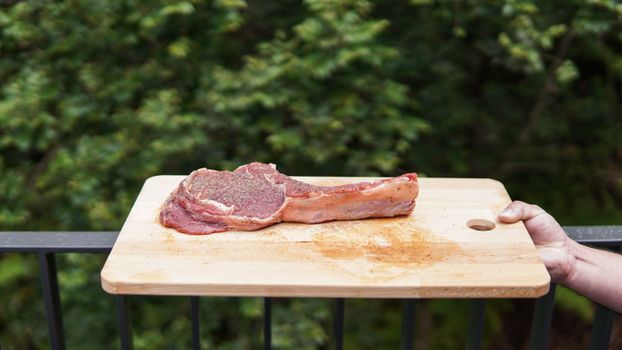 Photo: Anna Guerrero / Pexels
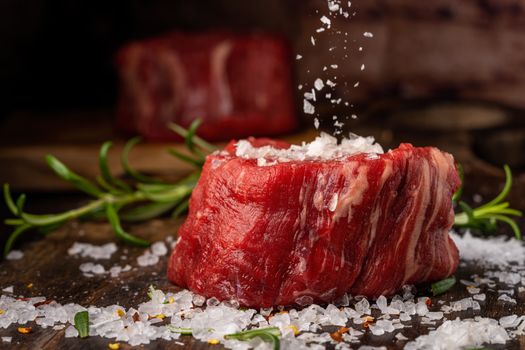 Photo: Skyler Ewing / Pexels
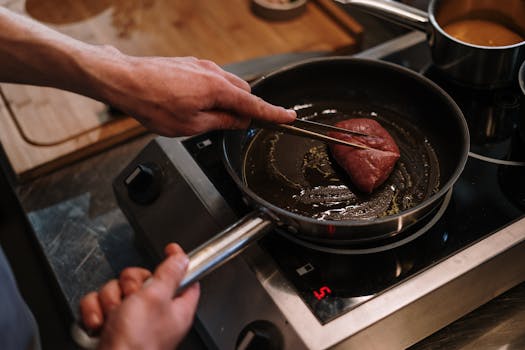 Photo: cottonbro studio / Pexels
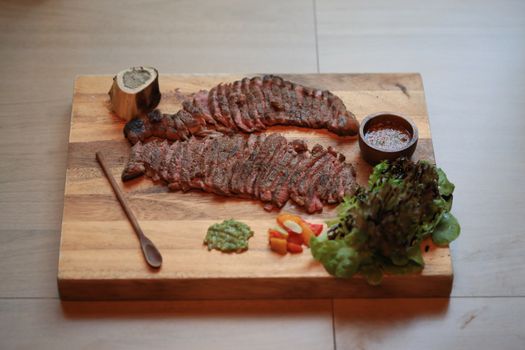 Photo: wutthichai charoenburi / Pexels