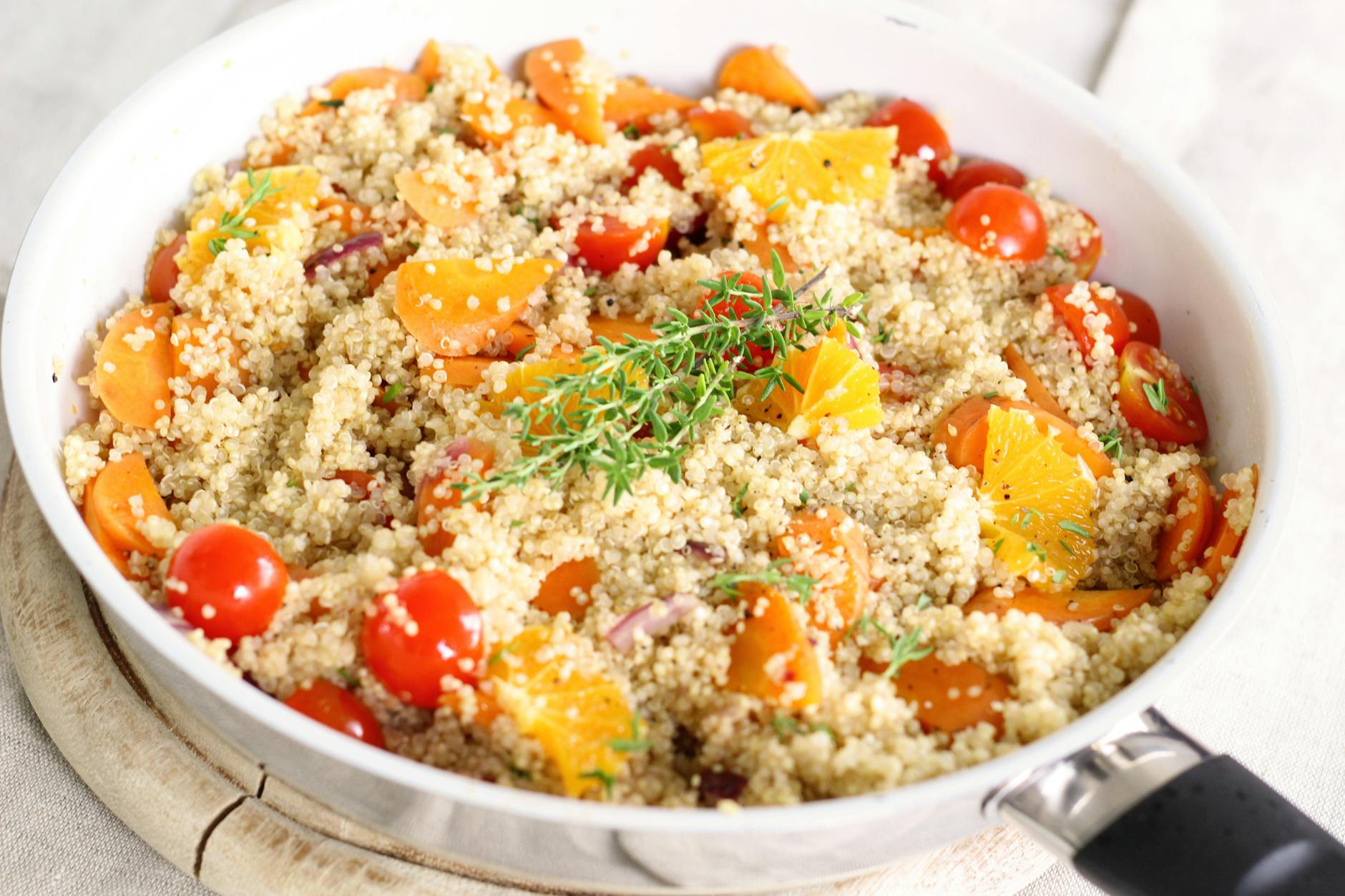
How to Cook Perfect Quinoa Fluffy Every Single Time
how to cook perfect quinoa fluffy

How to Cook Perfect Quinoa Fluffy Every Single Time

Transform your quinoa from mushy to magnificently fluffy with our expert techniques and ratios.

Master Fluffy Quinoa Now

Key Takeaways

  • ✓ Rinsing quinoa is crucial to remove bitter saponins.
  • ✓ The ideal water-to-quinoa ratio is 2:1 for most stovetop methods.
  • ✓ Patience during the resting phase is key for fluffy results.
  • ✓ A fine-mesh sieve is your best friend for rinsing quinoa.

How It Works

1
Rinse Thoroughly

Place quinoa in a fine-mesh sieve and rinse under cold running water for at least 30 seconds. This removes saponins, which can cause a bitter taste.

2
Combine & Boil

Add rinsed quinoa, water (or broth), and a pinch of salt to a saucepan. Bring to a rolling boil over medium-high heat.

3
Simmer & Absorb

Reduce heat to low, cover tightly, and simmer for 15 minutes. Resist the urge to lift the lid, allowing the liquid to fully absorb.

4
Rest & Fluff

Remove from heat and let it rest, still covered, for 5-10 minutes. This steaming period finishes cooking and ensures maximum fluffiness before you gently fluff with a fork.

Understanding Quinoa: The Foundation for Fluffiness
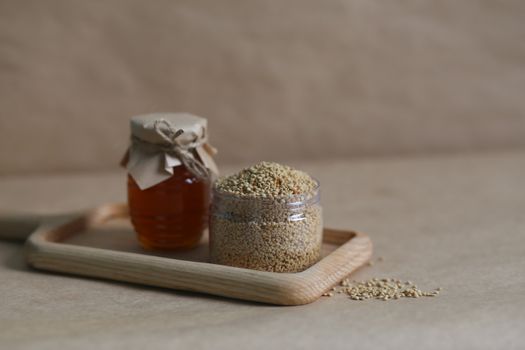
Close-up of glass jars with honey and quinoa, showcasing natural ingredients. Photo: Nhà Mật / Pexels
Quinoa, often mistaken for a grain, is actually a seed from a plant related to spinach, beets, and chard. Originating in the Andes, it has been a staple food for thousands of years, revered by the Incas as 'the mother of all grains.' Its rise to superfood status in modern diets is well-deserved, owing to its impressive nutritional profile. Quinoa is a complete protein, meaning it contains all nine essential amino acids that our bodies cannot produce on their own. This makes it an excellent plant-based protein source for vegetarians and vegans, and a valuable addition to any diet. Beyond protein, it's rich in fiber, magnesium, B vitamins, iron, potassium, calcium, phosphorus, vitamin E, and various beneficial antioxidants. The real challenge for many, however, isn't recognizing its health benefits, but rather mastering the art of cooking it to that perfect, light, and fluffy consistency. Too often, home cooks end up with a watery, mushy, or even bitter batch, leading to disappointment and a reluctance to incorporate this versatile ingredient into their meals. The key to unlocking its potential lies in understanding a few fundamental principles of its preparation, starting with proper rinsing and the correct liquid-to-quinoa ratio. Without these foundational steps, even the best quality quinoa can fall short of its fluffy promise. Let's dive deeper into why these elements are so critical for achieving culinary success with this ancient seed. By recognizing quinoa's unique structure and composition, we can approach its cooking with the precision it deserves, ensuring every batch is a triumph of texture and taste. The journey to perfectly cooked quinoa begins here, with a solid understanding of what makes this tiny seed so special and how to harness its natural properties for optimal results. Explore more healthy grains and seeds to diversify your diet and culinary skills.

The Essential Pre-Cooking Steps: Rinsing and Toasting for Flavor
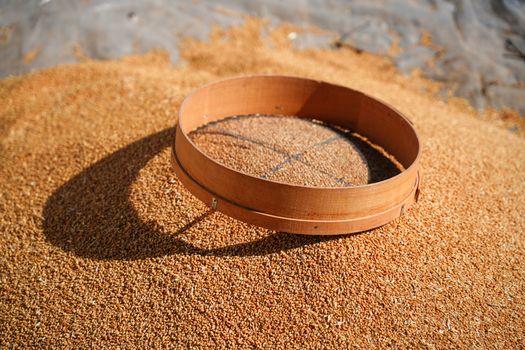
A wooden sieve resting on a pile of wheat grains, sunlit and outdoors. Photo: Yunus Tuğ / Pexels
Before any heat touches your quinoa, two crucial pre-cooking steps can significantly impact its final flavor and texture: rinsing and, optionally, toasting. Rinsing is non-negotiable for most commercially packaged quinoa. Quinoa seeds are naturally coated with saponin, a bitter, soap-like compound that serves as a natural pesticide for the plant. While many brands pre-rinse their quinoa, a quick rinse at home is always a good practice to ensure any residual saponin is completely removed. Failing to rinse can result in a noticeably bitter taste that can ruin your entire dish. To rinse effectively, place your dry quinoa in a fine-mesh sieve and hold it under cold running water for at least 30 seconds, or until the water runs clear and no suds appear. Agitate the quinoa with your fingers to ensure all surfaces are exposed to the water. Don't skip this step – it's the difference between a delicious, neutral base and a regrettable, acrid one. Once rinsed, an optional but highly recommended step for enhancing flavor is toasting. After rinsing, you can either let the quinoa dry slightly or, for immediate toasting, place it directly into a dry saucepan over medium heat. Stir constantly for 2-3 minutes, until the quinoa is fragrant and slightly golden. This process, similar to toasting nuts or spices, brings out a deeper, nuttier flavor profile in the quinoa, adding another layer of complexity to your finished dish. Toasting also helps to dry out the quinoa kernels slightly, which can contribute to a fluffier texture by preventing them from becoming waterlogged during cooking. If you're short on time, you can skip toasting, but for an elevated culinary experience, it's a small effort that yields significant rewards. These preparatory steps lay the groundwork for a successful quinoa cooking experience, transforming a potentially bland or bitter ingredient into a flavorful and versatile component of your meal. The commitment to these initial stages truly sets the stage for achieving that coveted fluffy texture and rich taste. Mastering these basics is a cornerstone of essential kitchen techniques for healthy eating.

Mastering the Liquid-to-Quinoa Ratio and Cooking Method

Close-up of glass jars with honey and quinoa, showcasing natural ingredients. Photo: Nhà Mật / Pexels
The heart of achieving perfectly fluffy quinoa lies in two critical elements: the correct liquid-to-quinoa ratio and the cooking method itself. For most stovetop preparations, the golden rule is a 2:1 liquid-to-quinoa ratio. This means for every one cup of dry quinoa, you'll need two cups of water or broth. While some recipes might suggest a slightly lower ratio (like 1.75:1), 2:1 is generally foolproof for consistent, fluffy results without being dry or overly wet. Using broth instead of water can infuse your quinoa with additional flavor, transforming it from a simple side dish into a more robust component of your meal. Vegetable broth, chicken broth, or even a mushroom broth can add depth and umami, making your quinoa more exciting. Once your quinoa is rinsed and ready (and optionally toasted), combine it with your chosen liquid and a pinch of salt in a saucepan. Bring the mixture to a rolling boil over medium-high heat. As soon as it reaches a vigorous boil, reduce the heat to the lowest setting possible, cover the saucepan tightly with a lid, and let it simmer for 15 minutes. The tight-fitting lid is crucial here, as it traps the steam, which helps the quinoa cook evenly and absorb all the liquid. Resist the urge to lift the lid during this simmering period, as releasing the steam can disrupt the cooking process and lead to unevenly cooked or dry quinoa. After 15 minutes, remove the saucepan from the heat, but *do not* remove the lid. Let the quinoa rest, still covered, for an additional 5-10 minutes. This resting period allows the remaining steam to fully penetrate the kernels, making them expand and become incredibly fluffy. It's a vital step that many skip, leading to less-than-perfect results. Finally, once rested, remove the lid and gently fluff the quinoa with a fork. You'll notice the distinct, individual grains, light and separated, a testament to proper cooking. This methodical approach ensures consistent success in achieving that desired fluffy texture every single time, making your quinoa a delightful addition to any dish. Learn about other cooking methods for grains.

Troubleshooting Common Quinoa Mistakes & Pro Tips for Perfection
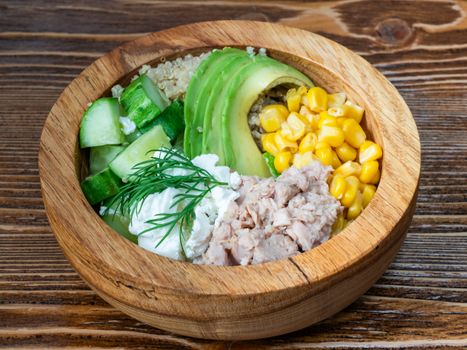
A fresh salad bowl featuring tuna, avocado, quinoa, and veggies. Perfect for a healthy meal. Photo: Rasul Yarichev / Pexels
Even with the best intentions, a few common pitfalls can derail your quest for fluffy quinoa. Understanding these mistakes and how to avoid them, along with some pro tips, will elevate your quinoa cooking to an art form. The most frequent error is insufficient rinsing, which, as discussed, leads to a bitter taste. Always rinse thoroughly, even if the package says 'pre-rinsed.' Another common mistake is using too much water, resulting in mushy, waterlogged quinoa. Sticking to the 2:1 ratio is key. Conversely, too little water will leave you with undercooked, crunchy grains. Overcooking is also a culprit; simmering for too long can break down the grains, making them pasty. Stick to the 15-minute simmer and the subsequent resting period. Lastly, stirring during cooking or lifting the lid prematurely releases steam, disrupting the even cooking process and preventing proper absorption. Here are some pro tips to ensure perfect quinoa every time: * **Use a Heavy-Bottomed Pot:** This helps distribute heat more evenly, preventing scorching and ensuring consistent cooking. * **Add Flavor Enhancers:** Beyond salt, consider a bay leaf, a garlic clove, or a slice of lemon during cooking for subtle flavor infusion. A drizzle of olive oil before cooking can also prevent sticking. * **Don't Over-Fluff:** Once cooked, fluff gently with a fork rather than stirring vigorously, which can break the delicate grains. * **Batch Cook:** Quinoa reheats beautifully. Cook a larger batch at the beginning of the week for quick meal prep. * **Experiment with Broths:** Don't limit yourself to water. Vegetable, chicken, or even mushroom broth can significantly enhance the flavor. * **Consider a Rice Cooker:** Many rice cookers have a 'grain' setting that works wonderfully for quinoa, often with a 1.75:1 ratio, providing a hands-off approach to perfection. * **Allow for Sufficient Rest:** This step is often overlooked but is paramount for the final fluffy texture. Patience truly pays off here. By avoiding these common errors and implementing these professional tips, you'll consistently achieve light, separate, and perfectly fluffy quinoa that's a joy to eat and a versatile base for countless dishes. Say goodbye to mushy quinoa and hello to culinary success!

Comparison

FeatureStovetop Method (Recommended)Rice Cooker MethodInstant Pot Method
Water-to-Quinoa Ratio2:1 (e.g., 2 cups water to 1 cup quinoa)1.75:1 (check specific cooker manual)1.5:1 (for most models)
Active Cooking Time15 minutes simmerApprox. 20-25 mins (cycle dependent)1 minute (high pressure)
Resting Time5-10 minutes (off heat, covered)10-15 minutes (keep warm setting)10 minutes (natural pressure release)
Fluffiness ControlHighMedium-HighHigh
Ease of UseMedium (requires attention)High (set and forget)High (quick, hands-off)
Flavor InfusionExcellent (easy to add aromatics)Good (can add to water)Excellent (flavors meld well under pressure)
Typical ResultConsistently fluffy, separated grainsReliably fluffy, slightly softerVery fluffy, distinct grains

What Readers Say

"This guide completely changed my quinoa game! I used to get mushy results, but following the rinsing and resting steps, my quinoa is now perfectly fluffy every single time. So grateful for these tips!"

Sarah J. · Austin, TX

"The 2:1 ratio and the 5-10 minute rest after cooking are absolute game-changers. My quinoa is finally light and separate, not a clumpy mess. This article is a must-read for anyone struggling with quinoa."

Michael D. · Seattle, WA

"I followed this recipe to the letter, including the toasting step, and my quinoa had such a wonderful nutty flavor and incredible fluffy texture. My family actually enjoys it now, which is a huge win!"

Jessica L. · Miami, FL

"Great advice, especially on the rinsing. I still find it a bit tricky to get the heat just right on my stove, but the results are definitely much better than before. A solid improvement!"

David R. · Denver, CO

"As a meal prepper, learning how to cook perfect quinoa fluffy has saved me so much time and made my lunches so much better. It reheats perfectly and stays light. Thank you for this detailed guide!"

Emily K. · Chicago, IL

Frequently Asked Questions

Why is my quinoa always mushy?

Mushy quinoa is usually a result of using too much water, overcooking, or not allowing it to rest properly after cooking. Ensure you stick to the 2:1 water-to-quinoa ratio, simmer for only 15 minutes, and then allow it to steam, covered, for 5-10 minutes off the heat.

Do I really need to rinse quinoa?

Yes, rinsing is highly recommended. Quinoa seeds are coated with saponin, a natural compound that can taste bitter and soapy if not removed. Even if a package says 'pre-rinsed,' a quick rinse under cold water in a fine-mesh sieve ensures a neutral, pleasant flavor.

How can I add more flavor to my quinoa?

Beyond salt, you can toast the dry quinoa before adding liquid to bring out a nutty flavor. Cook it in vegetable or chicken broth instead of water, or add aromatics like garlic, bay leaves, or herbs to the cooking liquid for a more robust taste profile.

Is quinoa expensive compared to rice?

Quinoa can be slightly more expensive per pound than white or brown rice. However, it's a complete protein and higher in fiber, offering greater nutritional value, which many find justifies the cost. Its versatility also means a little goes a long way in various dishes.

What's the difference between white, red, and black quinoa?

While nutritionally similar, they differ slightly in texture and cooking time. White quinoa is the mildest and fluffiest. Red quinoa has a chewier texture and nuttier flavor, holding its shape better. Black quinoa is the earthiest and crunchiest, taking slightly longer to cook than white.

Who should incorporate quinoa into their diet?

Quinoa is beneficial for almost everyone! It's an excellent choice for vegetarians and vegans seeking complete protein, individuals looking to increase fiber intake, those with gluten sensitivities, and anyone aiming for a nutrient-dense, versatile grain alternative in their meals.

Is it safe to eat undercooked quinoa?

Undercooked quinoa is not harmful, but it will be hard and unpleasant to eat. If your quinoa is still crunchy, simply add a tablespoon or two of hot water, cover, and let it steam for another 5 minutes off the heat. Avoid eating it if it still tastes bitter, indicating insufficient rinsing.

Are there new ways people are cooking quinoa?

Beyond the stovetop, people are using Instant Pots and rice cookers for hands-off cooking. There's also a growing trend of making 'quinoa flakes' for quick breakfasts, and using quinoa flour in baking. Quinoa 'popped' like popcorn is also gaining popularity as a snack.

Armed with these expert tips, you're now ready to conquer quinoa in your kitchen. Say goodbye to bland, mushy grains and hello to perfectly fluffy, flavorful quinoa that will elevate any meal. Start cooking your perfect quinoa fluffy today and transform your healthy eating experience!

Topics: how to cook perfect quinoa fluffyfluffy quinoa recipequinoa cooking tipsbest way to cook quinoaquinoa water ratio
Leo List
Brampton weed
Adultwork EstrelaBet Vai de Bet R7 Bet Betão Galera Bet Rainbet Bet9ja Shop SportyBet BetKing Sisal Loto Foot Hollywoodbets YesPlay Odibets RushBet Jugabet BetWarrior BetCity MSport betPawa Fortebet