Nourish Your Little One: Homemade Baby Food Recipes Organic

Happy baby laughing in a high chair during mealtime, wearing a blue bib.Photo: Stephen Andrews / Pexels

Nourish Your Little One: Homemade Baby Food Recipes Organic

Give your baby the purest start with delicious, organic, and easy-to-make homemade meals designed for optimal health.

Start Cooking!

Key Takeaways

  • ✓ Homemade organic baby food offers superior nutrient control and avoids additives found in commercial options.
  • ✓ Starting solids with organic ingredients minimizes pesticide exposure for developing infants.
  • ✓ Batch cooking and proper storage techniques make homemade baby food convenient for busy parents.
  • ✓ Introducing a variety of organic single-ingredient purees helps identify potential allergies early.

How It Works

1
Select Organic Ingredients

Choose fresh, organic fruits, vegetables, and ethically sourced proteins. Prioritize seasonal produce for peak flavor and nutrition.

2
Prepare & Cook

Wash, peel, and chop ingredients thoroughly. Steam, bake, or boil until tender, preserving maximum nutrients without adding salt or sugar.

3
Puree to Desired Consistency

Blend cooked ingredients with breast milk, formula, or water to achieve a smooth, lump-free puree for younger babies, gradually thickening as they grow.

4
Store & Serve

Portion purees into ice cube trays or small containers for freezing. Thaw and warm small amounts as needed, ensuring food is never reheated multiple times.

Why Choose Organic for Your Baby's First Foods?

Happy baby laughing in a high chair during mealtime, wearing a blue bib.Photo: Stephen Andrews / Pexels
The journey of introducing solids to your baby is a momentous one, filled with excitement and a desire to provide the very best. When it comes to their delicate, developing bodies, the choice of organic ingredients for homemade baby food recipes organic becomes paramount. Babies are particularly vulnerable to environmental toxins and pesticides due to their rapid growth, immature immune systems, and higher metabolic rates relative to their size. Their detoxification pathways are not yet fully developed, meaning they are less efficient at processing and eliminating harmful substances that might be present in conventionally grown produce. Organic farming practices, by definition, avoid synthetic pesticides, herbicides, GMOs, and artificial fertilizers. This significantly reduces your baby's exposure to potentially harmful chemicals, which have been linked to various health concerns, including developmental issues and increased allergy risk. By opting for organic, you're not just choosing a label; you're choosing a commitment to purity and safety for your child. Beyond avoiding harmful chemicals, organic produce often boasts a richer nutritional profile. Studies suggest that organic fruits and vegetables can contain higher levels of antioxidants, vitamins, and minerals compared to their conventionally grown counterparts. This is crucial for a baby's rapid development, as they need a dense supply of nutrients to fuel brain growth, bone development, and immune system maturation. When you prepare homemade baby food using organic ingredients, you are maximizing the nutritional impact of every spoonful. Furthermore, homemade organic baby food allows you complete control over what goes into your baby's mouth. Commercial baby foods, even organic ones, can sometimes contain thickeners, preservatives, or added sugars, even if in small amounts. With homemade options, you eliminate these concerns entirely, ensuring that your baby receives only pure, unadulterated goodness. This control also extends to the texture and consistency of the food, which can be adjusted as your baby grows and develops new eating skills. From smooth purees for beginners to thicker, chunkier mashes for more experienced eaters, homemade organic baby food adapts seamlessly to your baby's developmental stage. It’s an investment in their long-term health and well-being, laying a strong foundation for healthy eating habits that can last a lifetime. The peace of mind that comes from knowing exactly what your baby is consuming, free from hidden ingredients or unwanted chemicals, is truly invaluable for any parent.

Essential Tools and Organic Ingredients for Starting Solids
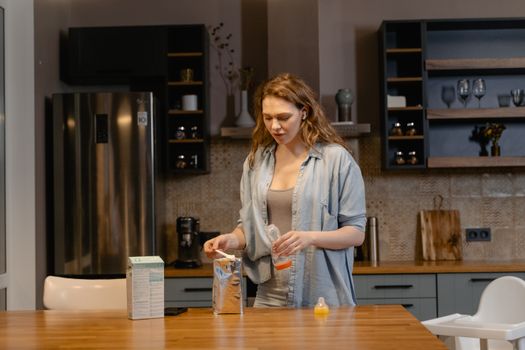
Woman preparing baby formula in a cozy kitchen setting, embodying modern motherhood.Photo: MART PRODUCTION / Pexels
Embarking on the journey of preparing homemade baby food recipes organic doesn't require a professional kitchen, but a few essential tools can make the process smoother and more efficient. A good quality blender or food processor is indispensable for achieving the smooth, consistent purees necessary for early eaters. Look for one that's easy to clean and has varying speed settings. For steaming, a simple steamer basket that fits into any pot is perfect, or you might consider a dedicated baby food maker that steams and blends in one unit – a convenient, albeit sometimes pricier, option. Storage is key for batch cooking. Ice cube trays are fantastic for freezing individual portions, which can then be transferred to freezer bags once solid. Small, airtight containers, preferably glass for durability and chemical-free storage, are also excellent for refrigerating or freezing larger portions. Don't forget a sturdy peeler, a sharp knife for prepping, and a fine-mesh sieve for removing any stubborn fibers if needed. When it comes to organic ingredients, the world is your oyster – or rather, your baby's first fruit! Start with single-ingredient purees to easily identify any potential allergies or sensitivities. Excellent first food choices include organic sweet potatoes, carrots, peas, green beans, butternut squash, apples, and pears. These are typically easy to digest and naturally sweet, making them appealing to little palates. As your baby grows and has successfully tried individual ingredients, you can begin to introduce organic fruits like bananas, avocados, and peaches. For proteins, consider organic chicken, turkey, or lentils, ensuring they are cooked thoroughly and pureed to a fine consistency. Always choose organic varieties to minimize pesticide exposure. The 'Dirty Dozen' list from the Environmental Working Group (EWG) is a helpful guide for prioritizing which produce to buy organic, as these items tend to retain higher pesticide residues. Conversely, the 'Clean Fifteen' lists produce with lower pesticide levels, where conventional options might be considered if organic isn't readily available or affordable. However, for homemade baby food, organic is always the preferred choice to ensure the purest start. Remember to always wash all produce thoroughly, even organic, before preparation. When selecting meats, look for organic, grass-fed, or pasture-raised options to ensure higher nutritional value and ethical sourcing. For grains, organic infant rice cereal or oat cereal can be fortified with iron and mixed with breast milk or formula. As your baby progresses, organic quinoa or millet can also be introduced. The goal is to offer a wide variety of nutrient-dense, organic foods to expose your baby to different flavors and textures, fostering a healthy and adventurous eater. Always introduce new foods one at a time, waiting 3-5 days before introducing another, to monitor for any adverse reactions.

Delicious and Nutritious Homemade Baby Food Recipes Organic
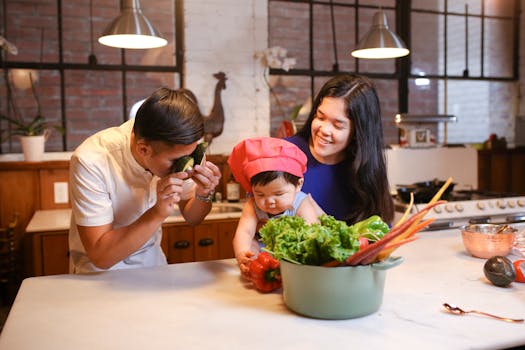
Asian family having fun cooking together with their child in the kitchen.Photo: RDNE Stock project / Pexels
Creating homemade baby food recipes organic is simpler than you might imagine, and the rewards are immense. Here are some foundational recipes to get you started, suitable for various stages of your baby’s development, always prioritizing organic ingredients. **Stage 1: Single-Ingredient Purees (4-6+ Months)** These purees are perfect for introducing your baby to individual flavors and textures. Remember to introduce one new food every 3-5 days. * **Organic Sweet Potato Puree:** * **Ingredients:** 1 medium organic sweet potato. * **Instructions:** Wash and peel the sweet potato. Cut into 1-inch cubes. Steam until very tender (about 15-20 minutes). Place cooked sweet potato in a blender or food processor. Add breast milk, formula, or filtered water gradually, blending until smooth. Start with a thin consistency and thicken as desired. Yields about 1 cup. * **Organic Green Pea Puree:** * **Ingredients:** 1 cup organic frozen or fresh peas. * **Instructions:** If using fresh, shell the peas. Steam or boil peas until tender (about 5-7 minutes). Drain well. Blend with a small amount of liquid (breast milk, formula, or water) until smooth. You might want to push through a fine-mesh sieve to remove skins for a super smooth puree. Yields about 3/4 cup. * **Organic Apple Puree:** * **Ingredients:** 1 large organic apple (e.g., Gala, Fuji). * **Instructions:** Wash, peel, core, and chop the apple. Steam until very soft (10-15 minutes). Blend until smooth, adding liquid as needed. Yields about 1 cup. **Stage 2: Simple Combinations (6-8+ Months)** Once your baby has successfully tried several single ingredients, you can start combining them for more complex flavors. * **Organic Carrot & Butternut Squash Puree:** * **Ingredients:** 1/2 cup organic carrots, 1/2 cup organic butternut squash. * **Instructions:** Peel and chop carrots and squash into 1-inch pieces. Steam until very tender (20-25 minutes). Blend together with a little breast milk, formula, or water until smooth. Yields about 1.5 cups. * **Organic Pear & Spinach Puree:** * **Ingredients:** 1 organic pear, 1/2 cup organic baby spinach. * **Instructions:** Wash, peel, core, and chop the pear. Steam pear until soft (about 10 minutes). Lightly steam spinach for just 2-3 minutes. Blend pear and spinach together, adding liquid to achieve desired consistency. This combination offers a great nutrient boost. Yields about 1 cup. **Stage 3: Textured & Protein-Rich Meals (8-10+ Months)** At this stage, your baby is ready for thicker textures and the introduction of soft proteins. * **Organic Chicken & Sweet Potato Mash:** * **Ingredients:** 1/4 cup cooked organic chicken (skinless, boneless), 1/2 cup cooked organic sweet potato. * **Instructions:** Ensure chicken is thoroughly cooked and shredded or finely diced. Mash or lightly blend chicken and sweet potato together, leaving some small soft lumps. Add a small amount of organic chicken broth or breast milk for moisture. Yields about 1 cup. * **Organic Lentil & Vegetable Puree:** * **Ingredients:** 1/4 cup organic red lentils, 1/4 cup organic chopped carrots, 1/4 cup organic chopped zucchini. * **Instructions:** Rinse lentils thoroughly. Cook lentils with carrots and zucchini in water or low-sodium organic vegetable broth until very tender (20-25 minutes). Drain excess liquid. Mash or lightly blend, leaving some texture. Yields about 1.5 cups. **Important Tips for All Recipes:** * **No Added Salt or Sugar:** Babies do not need added salt or sugar. Their kidneys are not equipped to handle excess sodium, and sugar can lead to unhealthy preferences. Rely on the natural flavors of the organic ingredients. * **Consistency is Key:** Adjust the thickness of purees with breast milk, formula, or filtered water. For younger babies, aim for a very smooth, thin consistency. As they grow, gradually increase the thickness and introduce small, soft lumps to encourage chewing. * **Batch Cooking:** Prepare larger batches and freeze in ice cube trays. Once frozen, transfer cubes to labeled freezer bags for easy, single-serving portions. This saves time and ensures you always have healthy meals on hand. Refer to our guide on safe food storage for baby food. Frozen purees are generally good for up to 3 months. Refrigerated purees should be consumed within 3 days. * **Always Test Temperature:** Before serving, always test the temperature of the food to ensure it's not too hot. It should be lukewarm. Never reheat baby food more than once. * **Introduce Allergens Safely:** When introducing common allergens (like organic peanut butter, eggs, or fish), do so in small amounts at home, not at daycare, and closely monitor for any reactions. Consult your pediatrician for personalized advice on allergen introduction. By following these simple recipes and guidelines, you can confidently provide your baby with nutrient-dense, delicious, and safe homemade organic meals, fostering a love for healthy eating right from the start.

Advanced Tips for Organic Baby Food Preparation and Storage
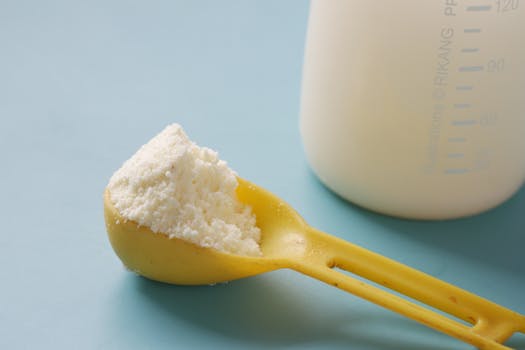
A yellow spoon filled with powdered milk, next to a measuring bottle, on a blue background.Photo: Towfiqu barbhuiya / Pexels
Mastering homemade baby food recipes organic extends beyond just cooking; it involves smart preparation, efficient storage, and mindful feeding practices. One crucial tip is to embrace batch cooking. Dedicate a couple of hours once or twice a week to prepare a variety of purees. This strategy ensures you always have a healthy, organic meal ready, even on busy days. After cooking and pureeing, immediately portion the food. Ice cube trays are invaluable for this – each cube is typically 1 ounce, making it easy to track intake and thaw only what's needed. Once frozen solid, transfer the cubes to labeled freezer bags, noting the date and contents. This prevents freezer burn and keeps your freezer organized. Most homemade baby food purees can be safely stored in the freezer for up to 3 months. For refrigerated purees, consume them within 3 days. Another advanced tip is to diversify your organic ingredient choices. Don't stick to just a few fruits and vegetables. Introduce a wide spectrum of colors and types of organic produce to expose your baby to a broad range of nutrients and flavors. This can help prevent picky eating habits later on. Consider incorporating organic herbs like a tiny pinch of mint with peas or basil with zucchini to gently expand their palate. When preparing meats or legumes, cook them until they are exceptionally tender, then puree them with some of their cooking liquid or breast milk/formula to achieve a smooth, digestible consistency. As your baby progresses, gradually increase the texture, moving from smooth purees to thicker mashes, and eventually to soft, small finger foods. This encourages chewing and develops oral motor skills. Remember, baby-led weaning (BLW) is another excellent approach, often involving offering soft, organic finger foods from the start, allowing the baby to self-feed. If pursuing BLW, ensure all foods are cut into safe, manageable shapes to prevent choking hazards. Proper thawing and reheating are also critical. Always thaw frozen baby food in the refrigerator overnight or by using a warm water bath. Never thaw at room temperature. Reheat small portions gently on the stovetop or in the microwave, stirring well to eliminate hot spots. Always test the temperature before serving. Never refreeze thawed baby food, and discard any uneaten portion from the feeding bowl to prevent bacterial contamination. Lastly, don't forget the importance of hygiene. Wash your hands thoroughly, sanitize all equipment, and use clean cutting boards and utensils to prevent cross-contamination. By implementing these advanced tips, you'll not only streamline your organic baby food preparation but also ensure your little one receives the safest, most nutritious, and diverse meals possible, fostering a lifelong appreciation for healthy, wholesome food.

Comparison

FeatureHomemade OrganicCommercial Organic PureesCommercial Conventional Purees
Ingredient ControlComplete (know exact source)High (organic certification)Limited (trust brand's sourcing)
Additives/PreservativesNoneMinimal to none (check labels)Often present (thickeners, acids)
Nutrient RetentionExcellent (freshly prepared)Good (processing can reduce)Variable (processing, storage)
Cost EffectivenessHigh (often cheaper per serving)Moderate to HighLow to Moderate
Flavor VarietyUnlimited (seasonal, custom)Limited (standard flavors)Limited (standard flavors)
Environmental ImpactLower (less packaging, transport)Moderate (packaging, transport)Higher (packaging, transport)
Effort RequiredModerate (time for prep)None (ready-to-eat)None (ready-to-eat)

What Our Readers Say

5 ★★★★★

"Making homemade baby food recipes organic has been a game-changer for us. I love knowing exactly what's in my baby's food, and she absolutely devours the purees. It's so much more affordable and rewarding than buying jars."

5 ★★★★★

"My wife and I started making organic baby food when our son turned 6 months. The recipes are easy, and we've noticed he's much more open to trying different flavors. Plus, the peace of mind from organic ingredients is priceless."

5 ★★★★★

"After a week of making homemade baby food recipes organic, my daughter's mild reflux significantly improved. I believe the fresh, pure ingredients made all the difference. Batch cooking on Sundays saves my sanity during the week!"

4 ★★★★☆

"While making homemade organic baby food does take some time, the benefits for our baby's health are undeniable. I just wish I had started sooner, but the recipes provided here are a great starting point for any parent."

5 ★★★★★

"As a busy working mom, I was hesitant, but the simple homemade baby food recipes organic have been a lifesaver. My baby loves the fresh taste, and I feel good knowing she's getting the best possible nutrition without any hidden nasties."

Frequently Asked Questions

What are the primary benefits of homemade baby food recipes organic over commercial options?
Homemade organic baby food offers superior control over ingredients, ensuring no unwanted additives, preservatives, or excessive sugars. It also minimizes exposure to pesticides and allows for a wider variety of fresh, nutrient-dense foods tailored to your baby's developmental stage and preferences. You can also adjust consistency and introduce new flavors at your own pace.
Is making homemade organic baby food really worth the extra effort?
Absolutely. While it requires an initial time investment, batch cooking makes it manageable. The peace of mind from knowing exactly what your baby is consuming, the potential health benefits of reduced chemical exposure, and the opportunity to foster healthy eating habits from an early age far outweigh the effort. It's an investment in your child's long-term well-being.
How do I safely store homemade organic baby food?
Cooked and pureed baby food should be cooled quickly and stored in airtight containers. For short-term use, refrigerate for up to 3 days. For longer storage, freeze in ice cube trays (1 oz portions are ideal), then transfer frozen cubes to labeled freezer bags. Frozen purees are generally good for up to 3 months. Always thaw in the refrigerator or a warm water bath, and never refreeze thawed food.
Is organic baby food significantly more expensive to make at home?
While organic produce can sometimes be pricier per item, making baby food at home is often more cost-effective per serving than buying commercial organic jars or pouches. Buying seasonal organic produce, utilizing sales, and batch cooking can further reduce costs, making it a budget-friendly option in the long run compared to specialized baby food products.
How does homemade organic baby food compare to baby-led weaning?
Both homemade organic purees and baby-led weaning (BLW) using organic ingredients are excellent approaches. Purees offer a controlled introduction to textures and flavors, while BLW encourages self-feeding and fine motor skill development. Many parents choose a combination of both, offering purees initially and introducing soft, organic finger foods as their baby progresses. The key is offering nutrient-dense, safe, and organic options.
At what age can I start introducing homemade baby food recipes organic?
Most pediatricians recommend starting solids, including homemade baby food, around 4 to 6 months of age. Look for signs of readiness such as good head control, sitting up with support, showing interest in food, and losing the tongue-thrust reflex. Always consult your pediatrician for personalized advice on when to begin and what foods to introduce.
Are there any organic foods I should avoid or be cautious about for babies?
While most organic fruits and vegetables are safe, some foods should be avoided or introduced with caution. Honey should not be given to babies under one year due to the risk of infant botulism. Avoid whole nuts, grapes, or large chunks of food that pose a choking hazard. Introduce common allergens (like organic peanut butter, eggs, fish) one at a time and monitor for reactions. Always ensure food is cooked thoroughly and pureed to an appropriate consistency for your baby's age.
What's the future trend for homemade organic baby food?
The trend is moving towards greater customization, diverse flavor profiles, and increased emphasis on nutrient density and gut health. Parents are increasingly seeking to incorporate a wider variety of organic grains, proteins, and even gentle spices to expand their baby's palate. There's also a growing interest in sustainable sourcing and minimizing food waste through efficient homemade preparation.

Empower yourself to give your baby the healthiest start possible. Dive into the world of homemade baby food recipes organic today and provide your little one with delicious, nutritious, and pure meals made with love. Your baby's health journey begins here!

Topics: homemade baby food recipes organicorganic baby food benefitsDIY baby food organicsafe baby food preparationnutrient-rich baby meals
Leo List
Brampton weed
Adultwork