The Delicious History of Pizza in America

Rustic wood-fired pizza oven with flames and pizzas baking, capturing the warmth of traditional cooking.Photo: Joshua Plattner / Pexels

The Delicious History of Pizza in America

Journey through time to discover how pizza conquered American hearts and palates, becoming an iconic culinary staple.

Explore the Journey

Key Takeaways

  • ✓ Pizza first arrived in America with Italian immigrants in the late 19th century.
  • ✓ Lombardi's in New York City, established in 1905, is often cited as the first licensed pizzeria in the US.
  • ✓ Post-WWII, returning soldiers who experienced pizza in Italy fueled its popularity across the nation.
  • ✓ Regional pizza styles like Chicago Deep Dish and New York-style emerged and thrived.
  • ✓ Pizza became a symbol of convenience and comfort, especially with the rise of frozen pizzas and delivery services.

How It Works

1
Italian Roots to American Shores

Understand the humble beginnings of pizza in Naples, Italy, and its initial journey across the Atlantic with Italian immigrants. Learn about the early challenges and adaptations in a new land.

2
The Pizzeria Emerges

Discover the establishment of America's first pizzerias, primarily in Italian-American enclaves in major cities. Explore how these early establishments catered to their communities and slowly introduced pizza to a wider audience.

3
Post-War Boom and National Spread

Examine the pivotal role of World War II in popularizing pizza across the United States. Witness its transformation from an ethnic curiosity to a mainstream culinary sensation, fueled by returning GIs.

4
Innovation, Diversification, and Modern Dominance

Trace the development of distinct regional pizza styles and the impact of technological advancements like frozen pizza and delivery services. Understand how pizza became an integral part of American fast-food culture and a beloved family meal.

The Humble Beginnings: Pizza's Arrival in America

Senior man in apron by Grazzano Visconti food stall with menu boards.Photo: Serena Koi / Pexels
The story of pizza in America is inextricably linked to the waves of Italian immigration that swept across the United States in the late 19th and early 20th centuries. While pizza had been a staple in Naples, Italy, for centuries, often enjoyed by the working class, it was virtually unknown in America until these new arrivals brought their culinary traditions with them. Initially, pizza was not a commercial product sold in dedicated pizzerias but rather a homemade dish, prepared by Italian women in their own kitchens, using ingredients that were often adapted to what was available in their new environment. Tomatoes, cheese, and dough were fundamental, but the specific types of cheese or toppings might have varied from the traditional Neapolitan fare. These early pizzas were a taste of home, a connection to the old country in bustling new cities like New York, Boston, Philadelphia, and Chicago. The first documented pizzeria in the United States is widely considered to be Lombardi's, established by Gennaro Lombardi in New York City in 1905. However, Lombardi's began as a grocery store, or 'salumeria,' in 1897, selling ingredients and perhaps preparing pizzas for lunch for local factory workers. It wasn't until 1905 that it obtained a business license to operate as a pizzeria, selling whole pies rather than just slices. These early establishments served primarily the Italian immigrant communities who recognized and craved this familiar food. The clientele would often buy whole pies, wrapped in paper and tied with string, to take home. The concept of dining in a pizzeria, as we know it today, was still some time away. These early American pizzas were simpler than many modern variations. They typically featured a thin crust, tomato sauce, mozzarella cheese (often made from whole milk, providing a richer flavor than some contemporary varieties), and perhaps a sprinkle of basil or a few anchovies. The ovens were coal-fired, imparting a distinct smoky flavor that is still highly sought after by connoisseurs. The price was affordable, making it accessible to the working-class families who formed the backbone of these immigrant communities. The spread of pizza beyond these enclaves was slow at first, largely due to cultural barriers and the unfamiliarity of the dish to the broader American palate. However, the seeds were sown for what would become a nationwide phenomenon, quietly growing within the vibrant tapestry of Italian-American life. The foundational elements of authentic Italian cuisine were being preserved and adapted.

From Niche Delicacy to Wartime Staple: The Mid-Century Boom
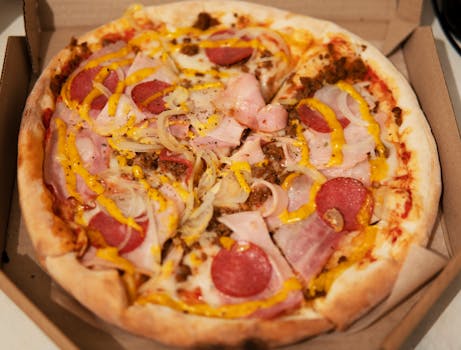
Mouthwatering pizza with pepperoni, melted cheese, and vibrant toppings in an open box.Photo: go_go photos / Pexels
The true explosion of pizza's popularity across America can largely be attributed to a confluence of factors in the mid-20th century, most notably World War II. American soldiers stationed in Italy during the war were exposed to authentic Italian pizza, often enjoying it in local trattorias or from street vendors. For many, this was their first encounter with the dish, and they quickly developed a taste for its unique flavors and satisfying qualities. Upon their return home, these GIs brought back not just memories, but a craving for pizza, creating a demand that began to push the dish beyond its traditional ethnic boundaries. They would seek out Italian neighborhoods for a taste of the food they had come to love, or even encourage local Italian-American entrepreneurs to open pizzerias in their hometowns. This post-war demand coincided with a period of economic prosperity and increased mobility in the United States. As suburbs grew and car ownership became more common, people were more willing to travel to new dining establishments. Pizzerias began to pop up in more diverse neighborhoods and smaller towns, no longer confined solely to urban Italian enclaves. The 1950s and 1960s saw a significant expansion of pizza parlors, often with a more Americanized ambiance and menu, designed to appeal to a broader customer base. Ingredients became more standardized, and the concept of 'toppings' began to expand beyond the traditional. Pepperoni, sausage, mushrooms, and peppers became common additions, reflecting American tastes and preferences for heartier, more loaded pies. Television also played an unexpected role in pizza's ascent. Early TV shows and commercials, while not directly promoting pizza, created a broader awareness of different cuisines and dining experiences. Celebrity endorsements, albeit informal, also contributed. Frank Sinatra, Dean Martin, and other Italian-American entertainers often spoke fondly of pizza, further legitimizing it in the eyes of mainstream America. This period saw pizza transition from a specialized ethnic food to a widely recognized and increasingly beloved American comfort food, laying the groundwork for the diverse pizza landscape we know today. The cultural shift was profound, transforming a simple Italian dish into a culinary icon that was becoming distinctly American.

The Golden Age of Innovation: Regional Styles and Mass Market Domination
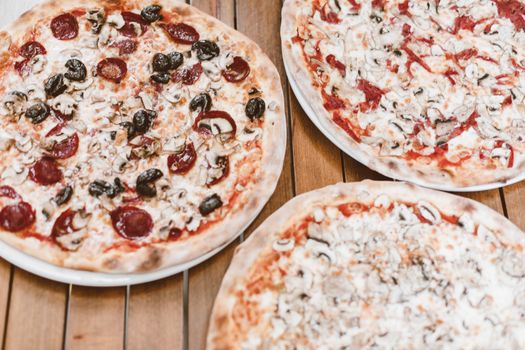
Close-up of three mouthwatering pizzas with mushrooms and pepperoni on a wooden table.Photo: ROMAN ODINTSOV / Pexels
As pizza’s popularity soared in the latter half of the 20th century, a fascinating phenomenon began to unfold: the emergence of distinct regional pizza styles. No longer content with a single, uniform type of pizza, American ingenuity and local culinary preferences gave birth to a diverse array of variations, each boasting its unique crust, sauce, cheese, and cooking method. Chicago, for instance, became famous for its 'deep dish' pizza, a hearty, almost casserole-like creation with a thick, buttery crust, a substantial layer of cheese, and chunky tomato sauce, often baked in a pan. This contrasted sharply with the classic New York-style pizza, characterized by its large, thin, foldable slices, often cooked in high-temperature deck ovens, resulting in a crispy yet chewy crust. Other regions developed their own signatures. Detroit-style pizza, with its rectangular shape, thick, airy crust, and caramelized cheese edges (a result of baking in blue steel industrial pans), gained a cult following. St. Louis introduced a cracker-thin crust made without yeast, topped with Provel cheese (a processed blend of cheddar, Swiss, and provolone), and cut into squares. California-style pizza embraced gourmet toppings, often featuring non-traditional ingredients like BBQ chicken, duck sausage, or exotic vegetables, reflecting the state's innovative culinary scene. These regional variations not only catered to local tastes but also added to pizza's overall appeal, making it a versatile dish that could be customized and enjoyed in countless ways. Beyond regional differences, the late 20th century also marked pizza’s expansion into the mass market. The introduction of frozen pizza in supermarkets revolutionized home consumption, offering a convenient and affordable way for families to enjoy pizza anytime. Brands like Totino's and Celeste became household names, bringing pizza to rural areas and busy households that might not have had access to a local pizzeria. Simultaneously, the rise of pizza delivery services, pioneered by companies like Domino's and Pizza Hut, transformed pizza into the ultimate convenience food. With a simple phone call, a hot, fresh pizza could be delivered right to your door, solidifying its place as a go-to meal for parties, family nights, and quick dinners. This era cemented pizza as an indispensable part of the American diet and cultural fabric, constantly evolving and adapting to meet changing demands. The journey mirrors the broader trends in American fast food culture.

Modern Pizza: Global Flavors and Culinary Evolution
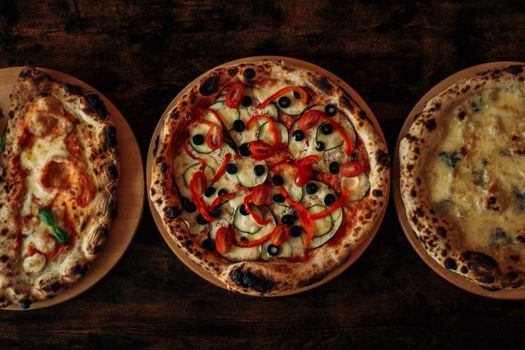
Three gourmet wood-fired pizzas with diverse toppings on a wooden table, showcasing Italian culinary craftsmanship.Photo: Anhelina Vasylyk / Pexels
Today, pizza in America is more diverse and innovative than ever before. While the classic New York and Chicago styles remain immensely popular, the culinary landscape has embraced a global perspective, integrating flavors and techniques from around the world. Artisanal pizzerias have emerged, focusing on high-quality, locally sourced ingredients, wood-fired ovens, and traditional Neapolitan methods, often using imported San Marzano tomatoes and buffalo mozzarella. These establishments cater to a discerning clientele looking for a more refined pizza experience, pushing the boundaries of what pizza can be. Simultaneously, the casual dining and fast-casual sectors have continued to innovate. Build-your-own pizza concepts allow customers to customize every aspect of their pie, from crust type to an endless array of toppings, catering to individual preferences and dietary needs. Gluten-free crusts, vegan cheese, and plant-based meat alternatives are now commonplace, reflecting broader dietary trends and health consciousness. The rise of food trucks and pop-up kitchens has also contributed to pizza's dynamic evolution, bringing unique and experimental pizza creations to new audiences. Technology continues to shape the industry, with online ordering, mobile apps, and even robotic pizza makers streamlining the process from order to delivery. The enduring appeal of pizza lies in its versatility and adaptability. It can be a gourmet meal, a quick snack, a party food, or a comforting family dinner. Its history in America is a testament to the power of immigration, cultural exchange, and culinary innovation. From humble beginnings in immigrant kitchens to a multi-billion dollar industry with countless regional and global variations, pizza has not just found a home in America; it has become a quintessential part of the American experience. It continues to evolve, promising an exciting future for this beloved dish.
  • Embrace Neapolitan Roots: Seek out pizzerias that prioritize high-quality, simple ingredients and traditional cooking methods for an authentic experience.
  • Explore Regional Diversity: Don't stick to just one type; try Chicago deep dish, Detroit style, or St. Louis thin crust to appreciate the breadth of American pizza.
  • Support Local Artisans: Many independent pizzerias are pushing culinary boundaries and offering unique, delicious creations.
  • Consider the Crust: The crust is the foundation of any great pizza; pay attention to its texture, chewiness, and flavor.
  • Experiment with Toppings: While classics are great, don't be afraid to try new and unconventional topping combinations.

Comparison

FeatureNew York StyleChicago Deep DishDetroit StyleNeapolitan Style
Crust ThicknessThin, foldableVery thick, deep panThick, airy, rectangularThin center, puffy edge
Cheese TypeLow-moisture mozzarellaMozzarella (bottom layer)Brick cheese (caramelized edges)Fresh mozzarella (buffalo or fior di latte)
Sauce PlacementUnder cheeseOn top of cheeseOften stripes on topUnder cheese
Typical ToppingsPepperoni, sausageSausage, mushroomsPepperoni, often under cheeseBasil, olive oil

What Our Readers Say

5 ★★★★★

"This article beautifully traces the history of pizza in America, making me appreciate every slice even more. It's fascinating to see how a simple dish evolved into such a cultural icon."

5 ★★★★★

"As a Chicagoan, I loved reading about the origins of our deep dish and how it fits into the broader history. The details about the post-war boom really put things into perspective."

5 ★★★★★

"I learned so much about the history of pizza in America that I never knew! Now I'm inspired to seek out more authentic pizzerias and explore different regional styles."

4 ★★★★☆

"A very comprehensive look at pizza's journey in the US. While I wished for a bit more on the specific challenges early immigrants faced establishing pizzerias, it's still an excellent read."

5 ★★★★★

"My family owns a pizzeria, and this article provides fantastic context for our craft. Understanding the history of pizza in America gives us a deeper connection to our culinary heritage."

Frequently Asked Questions

When did pizza first come to America?
Pizza first arrived in America with Italian immigrants in the late 19th century, primarily in major East Coast cities. It was initially a homemade dish before the first pizzerias began to emerge in the early 1900s, catering to the immigrant communities.
Is American pizza very different from Italian pizza?
Yes, while American pizza has its roots in traditional Italian pizza (especially Neapolitan), it has evolved significantly. American regional styles often feature different crusts, cheeses, sauces, and toppings, adapting to local tastes and available ingredients, making them distinct from their Italian counterparts.
How did pizza become so popular across the entire United States?
Pizza's widespread popularity was largely boosted by returning American soldiers after World War II, who had acquired a taste for it in Italy. This, combined with post-war economic prosperity, the rise of regional styles, and later, the advent of frozen pizza and delivery services, propelled it into the American mainstream.
Is pizza considered a healthy food in America?
Pizza's healthfulness varies greatly depending on its ingredients and portion size. While some artisanal pizzas with fresh vegetables and lean proteins can be part of a balanced diet, many commercial and fast-food pizzas, loaded with processed meats and excessive cheese, can be high in calories, sodium, and saturated fat. Moderation is key.
What are some of the most famous regional pizza styles in America?
Some of the most famous regional pizza styles include New York-style (thin, foldable slices), Chicago Deep Dish (thick, hearty, pan-baked), Detroit-style (rectangular, thick, airy crust with caramelized cheese), and St. Louis-style (cracker-thin crust with Provel cheese).
Who should learn about the history of pizza in America?
Anyone with an interest in food history, Italian-American culture, culinary evolution, or simply a love for pizza should delve into its American history. It offers fascinating insights into immigration, cultural assimilation, and entrepreneurial spirit.
Are there any controversies in the history of pizza in America?
One recurring 'controversy' is the ongoing debate about which city makes the 'best' pizza (New York vs. Chicago being the most famous). There are also discussions around the authenticity of American pizza compared to Italian originals, and the impact of mass production on quality.
What's the future of pizza in America?
The future of pizza in America looks bright and innovative. Expect continued diversification with gourmet and health-conscious options, further technological integration in ordering and preparation, and an ongoing blend of traditional techniques with global flavors and sustainable practices.

Dive deeper into the delicious journey of pizza, from its humble beginnings to its current status as an American icon. Explore the rich history of pizza in America and savor the stories behind every slice. Your next pizza experience will be even more fulfilling!

Topics: history of pizza in americapizza evolution USamerican pizza stylesimmigrant food historypizza cultural impact
Leo List