
Delicious & Nutritious: Healthy Snacks for Weight Loss
Transform your weight loss journey with smart, satisfying snack choices that fuel your body and curb cravings.
Start Snacking SmartKey Takeaways
- ✓ Strategic snacking can prevent overeating at main meals.
- ✓ Protein and fiber are crucial for satiety and weight management.
- ✓ Preparation is key to consistent healthy snacking.
- ✓ Mindful eating enhances the benefits of healthy snacks.
How It Works
Before reaching for a snack, assess if you're truly hungry or simply bored/stressed. Distinguish between physical hunger and emotional eating to make conscious choices.
Prioritize snacks rich in protein, fiber, and healthy fats. These macronutrients provide sustained energy, promote fullness, and support metabolic health, aiding weight loss.
Even healthy snacks can contribute to excess calories if consumed in large quantities. Pre-portioning snacks or being mindful of serving sizes is vital for managing caloric intake.
Stock your pantry and fridge with healthy snack components and prepare them in advance. This prevents impulsive, unhealthy choices when hunger strikes unexpectedly.
The Science Behind Strategic Snacking for Weight Management
 Photo: Pavel Danilyuk / Pexels
The science points to specific macronutrients that are particularly effective in promoting satiety – the feeling of fullness and satisfaction. Protein is a standout here, known for its high thermic effect (meaning your body burns more calories digesting it) and its ability to signal fullness hormones. Fiber, found abundantly in fruits, vegetables, and whole grains, adds bulk to your diet, slows digestion, and helps regulate blood sugar, preventing energy crashes that often trigger snack attacks. Healthy fats, while calorie-dense, also contribute significantly to satiety and can help absorb fat-soluble vitamins, playing a crucial role in overall health.
Moreover, strategic snacking can be a tool for nutrient optimization. It provides an opportunity to incorporate foods you might not get enough of in your main meals, such as additional servings of fruits, vegetables, or lean protein. For instance, if your breakfast and lunch are typically lower in vegetables, a mid-afternoon snack of carrots and hummus can help bridge that nutritional gap. This holistic approach ensures your body receives a wide spectrum of vitamins, minerals, and antioxidants, which are vital for energy production, immune function, and overall well-being – all factors that indirectly support a sustainable weight loss journey.
Beyond the physiological benefits, smart snacking can also address psychological aspects of eating. It can provide a mental break, satisfy a craving in a controlled way, and prevent feelings of deprivation that often lead to binge eating. By consciously choosing healthy snacks for weight loss, you empower yourself to make informed decisions about your diet, fostering a healthier relationship with food. It's not about restriction, but about smart, informed choices that align with your health objectives. Understanding these fundamental principles sets the stage for selecting the most effective snacks and integrating them seamlessly into your daily routine. For more information on maintaining a balanced diet, check out this guide to nutritious eating.
Top Protein-Packed Healthy Snacks for Weight Loss
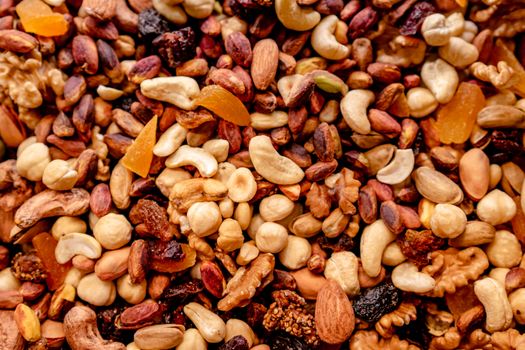 Photo: Atlantic Ambience / Pexels
Greek Yogurt with Berries: A true powerhouse. Greek yogurt is strained to remove much of the whey, resulting in a thicker, creamier product with significantly more protein than regular yogurt. A single serving can provide 15-20 grams of protein. Pair it with a handful of fresh berries (strawberries, blueberries, raspberries) for antioxidants, fiber, and natural sweetness without added sugars. Be sure to choose plain, unsweetened varieties to avoid hidden calories.
Hard-Boiled Eggs: Simple, portable, and packed with nutrients. One large hard-boiled egg contains about 6 grams of high-quality protein and a host of vitamins and minerals, including Vitamin D, B vitamins, and choline. They're incredibly versatile and can be prepared in advance for quick grab-and-go options throughout the week.
Cottage Cheese: Often overlooked, cottage cheese is an excellent source of casein protein, which digests slowly, providing a steady release of amino acids and promoting sustained fullness. A half-cup serving can offer around 12-14 grams of protein. Enjoy it plain, or sprinkle with black pepper, chives, or even a few slices of cucumber for a savory twist.
Edamame: These vibrant green soybeans are a fantastic plant-based protein source. A cup of shelled edamame provides about 18 grams of protein and 8 grams of fiber, making it incredibly satisfying. Lightly steam and sprinkle with a pinch of sea salt for a delicious and nutritious snack.
Turkey or Beef Jerky (Low Sodium): When choosing jerky, look for varieties that are low in sodium, sugar, and artificial ingredients. Lean cuts of meat provide a concentrated source of protein, making jerky a convenient option for busy days or when you need a quick protein boost. Always check the nutrition label carefully.
Roasted Chickpeas: A crunchy, fiber-rich, and protein-packed alternative to chips. Roast canned chickpeas with a little olive oil and your favorite spices (paprika, cumin, garlic powder) until crispy. A half-cup serving can offer around 7-8 grams of protein and a significant amount of fiber. These snacks are not only effective for weight loss but also incredibly satisfying and easy to prepare, ensuring you stay on track with your nutritional goals.
Fiber-Rich and Low-Calorie Healthy Snacks for Weight Loss
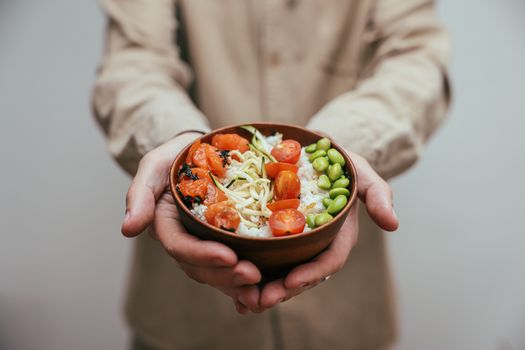 Photo: Cup of Couple / Pexels
Vegetable Sticks with Hummus: This classic combination is a winner. Carrots, celery, bell peppers, and cucumber are low in calories and high in fiber and water content. Hummus, made from chickpeas, provides a healthy dose of fiber, plant-based protein, and healthy fats. A two-tablespoon serving of hummus with a generous portion of veggies makes for a balanced and satisfying snack.
Apple Slices with Almond Butter: An apple a day keeps hunger at bay! Apples are rich in soluble and insoluble fiber, helping to fill you up. Pair them with a tablespoon of natural almond butter (check for no added sugars or oils) for healthy fats and a small protein boost. The combination of sweet apple and creamy nut butter is incredibly satisfying.
Air-Popped Popcorn: Believe it or not, popcorn can be a healthy snack for weight loss when prepared correctly. Air-popped, unsalted popcorn is a whole grain that's surprisingly high in fiber and low in calories. A 3-cup serving contains about 3.5 grams of fiber and only around 90 calories. Skip the butter and excess salt, and opt for a sprinkle of nutritional yeast for a cheesy flavor or a dash of chili powder for a kick.
Berries (Strawberries, Blueberries, Raspberries): These vibrant fruits are packed with fiber and antioxidants, and are naturally low in calories. Raspberries, in particular, are fiber superstars, with 8 grams per cup. Enjoy them plain, in yogurt, or as a refreshing component of a smoothie. Their natural sweetness can also help curb sugar cravings.
Oatmeal (Small Portion): While often considered a breakfast food, a small bowl of plain, unsweetened oatmeal can make an excellent fiber-rich snack, especially if you're feeling particularly hungry. Oats are a whole grain, high in soluble fiber (beta-glucan), which is known for its cholesterol-lowering properties and ability to increase satiety. Prepare with water or unsweetened almond milk and add a pinch of cinnamon. For more ideas on incorporating whole grains, explore our guide to whole grain benefits.
Rice Cakes with Avocado: Plain rice cakes are very low in calories and provide a neutral base. Top one or two with a thin slice of avocado for healthy monounsaturated fats and fiber. A sprinkle of 'everything but the bagel' seasoning can add a burst of flavor without adding significant calories. These fiber-rich, low-calorie options are designed to help you feel full and satisfied without derailing your weight loss progress, making them indispensable components of your healthy snacking repertoire.
Common Snacking Mistakes to Avoid and Smart Preparation Tips
Mistake 1: Mindless Snacking. Eating while distracted by TV, your phone, or work often leads to consuming more than intended. You lose track of how much you've eaten and don't register the feeling of fullness.
Tip: Practice mindful eating. Sit down, focus on your snack, savor each bite, and pay attention to your body's hunger and fullness cues.
Mistake 2: Eating Directly from the Bag/Container. This is a recipe for overeating. It's incredibly easy to polish off an entire bag of nuts or a large container of yogurt without realizing it.
Tip: Always portion out your snacks into a small bowl or plate. This visual cue helps regulate intake and reinforces portion control.
Mistake 3: Relying on 'Diet' or 'Low-Fat' Processed Snacks. Many of these products are laden with artificial sweeteners, added sugars, and unhealthy additives to compensate for reduced fat, and they often lack the fiber and protein needed for satiety.
Tip: Stick to whole, unprocessed foods as much as possible. If choosing packaged snacks, read labels carefully for sugar content and ingredient lists.
Mistake 4: Waiting Until You're Starving. When hunger reaches an extreme level, your willpower diminishes, and you're more likely to grab the quickest, often unhealthiest, option available.
Tip: Plan your snacks in advance and eat them proactively when you feel a moderate level of hunger. This helps you make rational, healthy choices.
Mistake 5: Not Having Snacks Readily Available. If healthy options aren't within easy reach, you'll default to convenience foods.
Tip: Dedicate time once or twice a week to meal prep your snacks. Wash and cut vegetables, portion out nuts, hard-boil eggs, or assemble small containers of yogurt and berries. Store them in visible spots in your fridge and pantry. Carry pre-portioned snacks in your bag for when you're on the go.
By avoiding these common mistakes and embracing proactive preparation, you can ensure that your healthy snacks for weight loss genuinely support your goals, rather than inadvertently hindering them. Consistency and planning are the unsung heroes of successful weight management, especially when it comes to snacking.
Comparison
| Feature | Greek Yogurt & Berries | Apple & Almond Butter | Veggie Sticks & Hummus |
|---|---|---|---|
| Protein Content | High | Medium | Medium |
| Fiber Content | Medium | High | High |
| Satiety Level | Excellent | Very Good | Good |
| Prep Time | Low | Low | Low |
| Portability | Good (container needed) | Excellent | Good (container needed) |
| Cost Effectiveness | Medium | Medium | Medium |
| Nutrient Density | ✓ | ✓ | ✓ |
What Readers Say
"Incorporating these healthy snacks for weight loss has been a game-changer for me. I used to grab chips when hungry, but now I reach for Greek yogurt and berries, and I feel so much better and more in control."
Sarah J. · Austin, TX"The tips on mindful snacking and planning ahead truly resonated. Since I started prepping my veggie sticks and hummus, I've stopped those afternoon cookie cravings. It's made a huge difference in my weight loss journey."
Mark T. · Chicago, IL"I've lost 15 pounds in two months, and a big part of it is switching to these healthy snack options. Hard-boiled eggs and roasted chickpeas are my go-to's; they keep me full for hours and are so easy to make."
Jessica L. · Phoenix, AZ"While I love the protein-packed ideas, some of them require a bit more prep than I initially expected. However, the results are undeniable – I'm less prone to impulse eating and feel more energized throughout the day."
David M. · Seattle, WA"As a busy student, finding quick healthy snacks for weight loss was crucial. The air-popped popcorn and pre-portioned nuts have been lifesavers, helping me stay on track without feeling deprived. Highly recommend!"
Emily R. · Boston, MAFrequently Asked Questions
How often should I snack for weight loss?
The ideal frequency varies per individual, but generally, 1-2 snacks between meals can be beneficial. The goal is to prevent extreme hunger that leads to overeating at main meals, while also ensuring you're not constantly grazing. Listen to your body's hunger cues.
Are all 'healthy' packaged snacks good for weight loss?
No, not necessarily. Many packaged snacks marketed as 'healthy' can still be high in added sugars, unhealthy fats, or artificial ingredients. Always check the nutrition label for sugar content, fiber, protein, and ingredient lists. Opt for whole, unprocessed foods whenever possible.
How can I prepare healthy snacks in advance?
Dedicate a small amount of time, perhaps on a Sunday, to 'snack prep.' This could involve washing and chopping vegetables, hard-boiling eggs, portioning out nuts or seeds into small containers, or making a batch of roasted chickpeas. Having them ready makes healthy choices easy.
Do I need to count calories for my snacks?
While not strictly necessary for everyone, being mindful of calorie content is important, especially if your primary goal is weight loss. Even healthy snacks can contribute to a caloric surplus if consumed in large quantities. Focus on nutrient density and portion control.
What's the difference between hunger and a craving?
Hunger typically comes on gradually, can be satisfied by various foods, and is accompanied by physical sensations like an empty stomach. Cravings are often sudden, specific to a certain food, and can be driven by emotions or habits rather than true physical need. Learning to distinguish between the two is crucial for mindful eating.
Who should incorporate healthy snacks for weight loss into their diet?
Anyone looking to manage their weight, improve their energy levels, or ensure consistent nutrient intake can benefit. They are particularly helpful for individuals who experience significant hunger between meals, have long gaps between meals, or are prone to overeating due to extreme hunger.
Are there any risks associated with frequent snacking?
The main risk of frequent snacking, even with healthy options, is consuming too many calories if portion sizes aren't controlled. It can also disrupt digestive processes if your body doesn't get enough time between eating episodes. Focus on quality, quantity, and listening to your body's signals.
What are future trends in healthy snacking?
Future trends point towards more plant-based protein options, functional snacks with added benefits (like probiotics or adaptogens), increased transparency in ingredients, and convenient, sustainable packaging. Personalization based on individual dietary needs and preferences will also grow.
Embrace the power of smart snacking to fuel your body, curb cravings, and accelerate your weight loss journey. By choosing nutrient-dense, satisfying healthy snacks for weight loss, you're not just eating better – you're building sustainable habits for a healthier, happier you. Start exploring these delicious options today and transform your relationship with food.