✓ Turmeric's primary active compound, curcumin, is responsible for most of its health benefits.
✓ It is a potent anti-inflammatory and antioxidant agent.
✓ Turmeric has been used in Ayurvedic and traditional Chinese medicine for centuries.
✓ Bioavailability of curcumin is low, often requiring black pepper (piperine) for enhanced absorption.
How It Works
1
Understanding Curcumin
Turmeric contains compounds called curcuminoids, with curcumin being the most studied and biologically active. It's this powerhouse compound that gives turmeric its vibrant color and therapeutic properties.
2
Targeting Inflammation
Curcumin works at a molecular level to block NF-kB, a molecule that plays a major role in chronic inflammation. This action helps reduce inflammation throughout the body, addressing a root cause of many chronic diseases.
3
Neutralizing Free Radicals
As a powerful antioxidant, curcumin combats oxidative damage by neutralizing free radicals and boosting the body's own antioxidant enzymes. This dual action protects cells from damage and supports overall cellular health.
4
Enhancing Bioavailability
To maximize its benefits, turmeric is often combined with black pepper, which contains piperine. Piperine significantly enhances the absorption of curcumin, making it more effective in the body.
The Golden Spice: Unveiling Turmeric's Anti-Inflammatory Prowess
Photo: Tamanna Rumee / Pexels
Turmeric, often dubbed 'the golden spice,' has captivated the attention of health enthusiasts and researchers alike for centuries. Its vibrant yellow hue, characteristic of many curry dishes, is more than just a culinary delight; it's a visual cue to the rich concentration of potent compounds known as curcuminoids. Among these, curcumin stands out as the star player, responsible for the vast majority of turmeric's celebrated health benefits. Understanding what are the health benefits of turmeric begins with appreciating its profound anti-inflammatory properties. Chronic inflammation is a silent instigator of numerous modern diseases, ranging from heart disease and cancer to metabolic syndrome and Alzheimer's. Unlike acute inflammation, which is a necessary protective response to injury or infection, chronic inflammation persists, slowly damaging tissues and organs.
Curcumin tackles this pervasive issue head-on. Scientific studies have revealed that curcumin can effectively inhibit several molecules known to play major roles in inflammation. One key mechanism involves its ability to block NF-kB (nuclear factor kappa-light-chain-enhancer of activated B cells), a protein complex that controls DNA transcription, cytokine production, and cell survival. NF-kB is essentially a master switch for inflammation, and by inhibiting its activity, curcumin can significantly dampen inflammatory responses throughout the body. This is a crucial distinction from many conventional anti-inflammatory drugs, which often target specific inflammatory pathways. Curcumin's broader action suggests a more holistic approach to managing inflammation, potentially reducing the burden on the body's systems.
Furthermore, curcumin has been shown to downregulate the expression of cyclooxygenase-2 (COX-2) and lipoxygenase (LOX), enzymes involved in the production of inflammatory mediators like prostaglandins and leukotrienes. By modulating these pathways, turmeric helps to mitigate the pain and swelling associated with inflammatory conditions. The implications of this anti-inflammatory power are vast. For individuals grappling with conditions like arthritis, inflammatory bowel disease, or even general aches and pains, incorporating turmeric into their diet or supplementation regimen could offer significant relief. It’s not just about symptom management; it's about addressing the underlying inflammatory processes that drive these conditions. The research continues to evolve, but the consistent findings underscore turmeric's potential as a natural, powerful ally in the fight against chronic inflammation. This fundamental benefit forms the cornerstone of many other health advantages associated with this remarkable spice. For more information on natural remedies, you might find this article on the benefits of ginger insightful.
Beyond Inflammation: Turmeric as a Potent Antioxidant
Photo: Tamanna Rumee / Pexels
While its anti-inflammatory effects are widely lauded, another cornerstone of what are the health benefits of turmeric lies in its extraordinary antioxidant capacity. Oxidative damage is a fundamental mechanism of aging and many diseases. It occurs when free radicals – unstable molecules with unpaired electrons – roam freely in the body, seeking to steal electrons from other molecules, leading to cellular damage, DNA mutations, and overall cellular dysfunction. Our bodies naturally produce free radicals as a byproduct of metabolism, and environmental factors like pollution, UV radiation, and an unhealthy diet can further exacerbate their production.
Curcumin is a powerful antioxidant for two primary reasons. Firstly, its chemical structure allows it to directly neutralize free radicals. It acts as a scavenger, readily donating electrons to these unstable molecules, thereby stabilizing them and preventing them from causing further harm. This direct action helps to protect vital cellular components like lipids, proteins, and DNA from oxidative stress. Secondly, and perhaps even more remarkably, curcumin boosts the activity of the body's own endogenous antioxidant enzymes. These enzymes, such as superoxide dismutase (SOD), catalase, and glutathione peroxidase, are the body's natural defense system against oxidative damage. By enhancing their production and activity, curcumin empowers the body to more effectively combat free radicals on its own. This dual approach – direct free radical scavenging and boosting intrinsic antioxidant defenses – makes turmeric an exceptionally potent antioxidant.
The implications of this antioxidant power are far-reaching. Oxidative stress is implicated in the development and progression of numerous chronic conditions, including cardiovascular disease, neurodegenerative disorders like Alzheimer's and Parkinson's, certain cancers, and even the aging process itself. By mitigating oxidative damage, turmeric can contribute to healthier aging and reduce the risk of these debilitating diseases. For instance, protecting cells from oxidative stress can help maintain the integrity of blood vessels, supporting cardiovascular health. In the brain, reducing oxidative damage is crucial for preserving cognitive function and protecting neurons. The beauty of turmeric's antioxidant action is that it works synergistically with its anti-inflammatory properties. Inflammation often leads to increased oxidative stress, and oxidative stress can, in turn, fuel inflammation, creating a vicious cycle. By addressing both these pathways, curcumin offers a comprehensive approach to protecting cellular health and promoting overall well-being. This multifaceted action highlights why turmeric is considered such a valuable addition to a health-conscious lifestyle, moving beyond just symptom relief to proactive cellular protection.
Turmeric's Impact on Brain Health and Cognitive Function
Photo: ROMAN ODINTSOV / Pexels
The exploration of what are the health benefits of turmeric would be incomplete without delving into its intriguing potential for brain health and cognitive function. Emerging research suggests that curcumin, the primary active compound in turmeric, may offer significant neuroprotective benefits, potentially helping to ward off age-related cognitive decline and even supporting mood regulation. One of the key factors in brain health is a protein called Brain-Derived Neurotrophic Factor (BDNF). BDNF is a type of growth hormone that functions in the brain, playing a crucial role in the growth of new neurons, the formation of new synapses, and the survival of existing neurons. Low levels of BDNF have been linked to various brain disorders, including depression and Alzheimer's disease.
Intriguingly, studies indicate that curcumin can increase brain levels of BDNF. By doing so, it may effectively promote brain plasticity, enhance learning and memory, and potentially delay or even reverse some age-related brain impairments. This ability to boost neurogenesis – the creation of new brain cells – is a particularly exciting area of research, as it offers a novel pathway for maintaining cognitive vitality. Beyond BDNF, curcumin's anti-inflammatory and antioxidant properties are also critical for brain health. The brain is highly susceptible to oxidative stress and inflammation, which are major contributors to neurodegenerative diseases. By reducing inflammation and neutralizing free radicals, curcumin helps to protect brain cells from damage, preserving their function and connectivity. This protective action is vital for maintaining sharp cognitive abilities as we age.
Furthermore, there is growing interest in turmeric's potential role in mood disorders. Some studies suggest that curcumin may have antidepressant effects, possibly by increasing levels of brain neurotransmitters like serotonin and dopamine, which are often deficient in individuals with depression. It may also influence the hypothalamic-pituitary-adrenal (HPA) axis, which plays a central role in the body's stress response. While more research is needed to fully understand these mechanisms and confirm these effects in human populations, the preliminary findings are promising. The challenge with curcumin for brain health, as with its other benefits, is its poor bioavailability. However, when properly formulated or consumed with piperine (found in black pepper), its absorption is significantly enhanced, allowing more of the active compounds to reach the brain. This makes it a fascinating natural compound for those looking to support their cognitive longevity and overall mental well-being. For further reading on cognitive enhancers, consider this article on the impact of omega-3s on brain function.
Maximizing Turmeric's Benefits: Tips for Incorporation and Common Mistakes
Photo: ROMAN ODINTSOV / Pexels
To truly harness what are the health benefits of turmeric, it's essential to understand how to best incorporate it into your diet and avoid common pitfalls. While turmeric is generally safe, maximizing its efficacy requires a few strategic considerations.
**Tips for Incorporating Turmeric:**
* **Pair with Black Pepper (Piperine):** This is perhaps the most crucial tip. Curcumin, the active compound in turmeric, has low bioavailability, meaning it's poorly absorbed into the bloodstream. Piperine, a compound found in black pepper, has been shown to enhance curcumin absorption by up to 2,000%. Always try to combine turmeric with black pepper, whether in cooking or when taking supplements.
* **Include Healthy Fats:** Curcumin is fat-soluble, meaning it dissolves in fat. Consuming turmeric with a source of healthy fat, such as avocado, olive oil, coconut oil, or nuts, can further improve its absorption. This is why it's often used in rich, oily curries.
* **Cook with It Regularly:** Don't just save turmeric for special occasions. Incorporate it into your daily cooking. Add it to stir-fries, soups, stews, scrambled eggs, roasted vegetables, or even smoothies. A teaspoon a day can go a long way.
* **Consider Quality Supplements:** If you're looking for therapeutic doses, especially for specific health concerns, a high-quality turmeric supplement standardized for curcuminoids is often recommended. Look for supplements that also include piperine for enhanced absorption.
* **Make Golden Milk:** A popular and delicious way to consume turmeric is in 'golden milk' (turmeric latte). Combine warm milk (dairy or non-dairy) with turmeric powder, a pinch of black pepper, and other spices like ginger and cinnamon. Sweeten with a touch of honey if desired.
**Common Mistakes to Avoid:**
* **Ignoring Bioavailability:** The biggest mistake is consuming turmeric without addressing its poor absorption. Simply sprinkling raw turmeric powder on food without black pepper or fat will yield minimal benefits.
* **Expecting Immediate Miracles:** Turmeric is a natural compound, and its effects are often subtle and cumulative. Don't expect dramatic overnight results. Consistent, long-term use is key to experiencing its full range of benefits.
* **Overdosing on Supplements:** While generally safe, extremely high doses of turmeric supplements can sometimes lead to digestive upset in sensitive individuals. Always follow the recommended dosage on supplement labels and consult a healthcare professional if unsure.
* **Relying Solely on Turmeric:** Turmeric is a powerful health aid, but it's not a magic bullet. It should be part of a holistic approach to health that includes a balanced diet, regular exercise, adequate sleep, and stress management.
* **Using Only Fresh Turmeric (if aiming for high curcumin):** While fresh turmeric root is wonderful for flavor and general health, the concentration of curcuminoids can vary significantly. For therapeutic doses, standardized powders or supplements are often more reliable.
By following these tips and avoiding common mistakes, you can effectively integrate turmeric into your lifestyle and maximize its impressive health-promoting properties.
Comparison
Feature
Turmeric (Curcumin)
Ginger
Cinnamon
Garlic
Primary Benefit
Anti-inflammatory, Antioxidant
Anti-inflammatory, Digestive Aid
Blood Sugar Regulation
Immune Support, Cardiovascular
Active Compound
Curcumin
Gingerol
Cinnamaldehyde
Allicin
Bioavailability Concern
High (needs piperine/fat)
Low (some compounds)
Moderate
Moderate
Common Use
Curries, supplements
Teas, stir-fries
Baked goods, drinks
Cooking, raw
Flavor Profile
Earthy, slightly bitter
Pungent, spicy
Sweet, warm
Pungent, savory
What Readers Say
★★★★★
"I started taking turmeric supplements with black pepper for my joint pain, and the health benefits of turmeric have been remarkable. I feel less stiffness and more mobility throughout the day. It's truly made a difference in my quality of life."
Sarah J. · Austin, TX
★★★★★
"Incorporating turmeric into my cooking has become a staple. I love knowing that I'm getting the anti-inflammatory and antioxidant health benefits of turmeric just by adding it to my stir-fries and roasted veggies. My gut health feels much better too."
Mark D. · Seattle, WA
★★★★★
"After struggling with chronic digestive issues, a friend recommended exploring the health benefits of turmeric. Within a few weeks of consistent use, I noticed a significant reduction in bloating and discomfort. It's been a game-changer for my digestion."
Jessica L. · Miami, FL
★★★★★
"I've been using turmeric in my morning smoothie for a few months now. While the health benefits of turmeric aren't as dramatic as I initially hoped, I do feel a general sense of improved well-being and less inflammation after workouts, which is a positive."
David P. · Denver, CO
★★★★★
"As someone focused on natural aging, learning about the antioxidant health benefits of turmeric was exciting. I've been making golden milk nightly, and I genuinely feel more vibrant and less susceptible to the usual aches and pains that come with age. It's become a cherished ritual."
Emily R. · Chicago, IL
Frequently Asked Questions
What is the most effective way to consume turmeric for health benefits?
The most effective way to consume turmeric is by combining it with black pepper (which contains piperine) and a source of healthy fat. This significantly enhances the absorption of curcumin, its active compound, into the bloodstream, allowing your body to utilize its health benefits more efficiently.
Are there any side effects or contraindications for turmeric?
Turmeric is generally safe for most people when consumed in moderate amounts. However, high doses, particularly of supplements, can sometimes cause digestive upset, nausea, or diarrhea. It may also interact with certain medications, such as blood thinners. Pregnant women, individuals with gallstones, or those on medication should consult a healthcare professional before taking turmeric supplements.
How long does it take to experience the health benefits of turmeric?
The time it takes to experience the health benefits of turmeric can vary widely depending on the individual, the condition being addressed, and the dosage and form of turmeric consumed. Some people may notice subtle improvements in a few weeks, while for chronic conditions, it might take several months of consistent use to observe significant effects. Consistency is key.
Is fresh turmeric root better than turmeric powder?
Fresh turmeric root offers a vibrant flavor and is great for general culinary use. However, for therapeutic health benefits, especially for specific conditions, standardized turmeric powder or supplements are often preferred because they contain a consistent and higher concentration of curcuminoids. Both forms offer benefits, but their application may differ.
How does turmeric compare to NSAIDs for inflammation?
While turmeric (curcumin) possesses potent anti-inflammatory properties and can be effective for managing mild to moderate inflammation, it generally works through different mechanisms and may not be as potent or fast-acting as prescription NSAIDs (Non-Steroidal Anti-Inflammatory Drugs) for severe acute pain or inflammation. However, turmeric offers a natural alternative with fewer potential side effects for long-term use and chronic conditions.
Who should consider incorporating turmeric into their diet?
Anyone looking to reduce inflammation, boost antioxidant defenses, support joint health, improve digestion, or enhance cognitive function could benefit from incorporating turmeric. It's particularly beneficial for individuals with chronic inflammatory conditions, active lifestyles, or those seeking general wellness and anti-aging support. Always consult a doctor if you have underlying health conditions.
Can I consume too much turmeric?
While consuming turmeric in food is unlikely to cause issues, taking very high doses of concentrated turmeric supplements can lead to side effects such as digestive upset, nausea, or increased risk of bleeding, especially if you're on blood-thinning medication. It's always best to adhere to recommended dosages on supplement labels and consult a healthcare provider for personalized advice.
What is the future outlook for turmeric in health and medicine?
The future outlook for turmeric is highly promising, with ongoing research exploring its potential in areas like cancer prevention and treatment, neurodegenerative diseases, metabolic disorders, and even mental health. As scientists develop more bioavailable formulations and better understand its complex mechanisms, turmeric is poised to become an even more significant player in integrative and preventive medicine.
Embrace the incredible power of this ancient golden spice. Start integrating turmeric into your daily routine and unlock the profound health benefits of turmeric, paving the way for a healthier, more vibrant you.
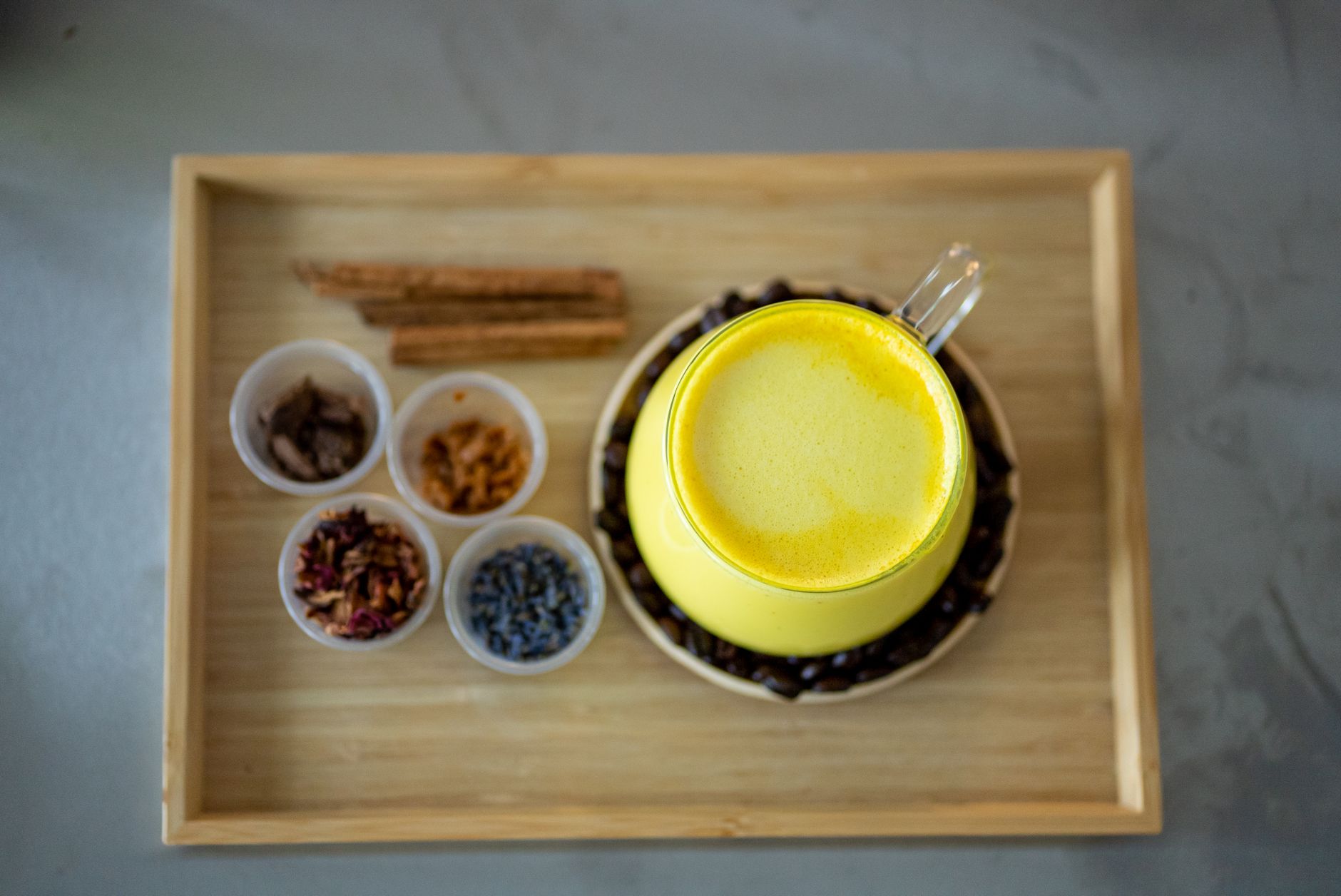
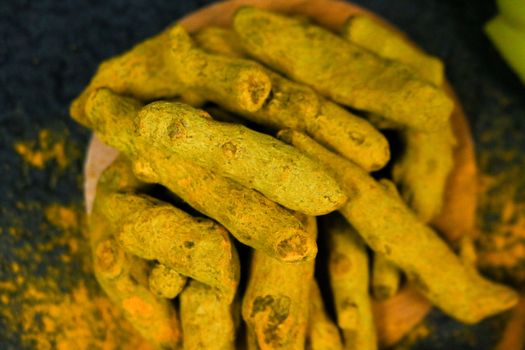 Photo: Tamanna Rumee / Pexels
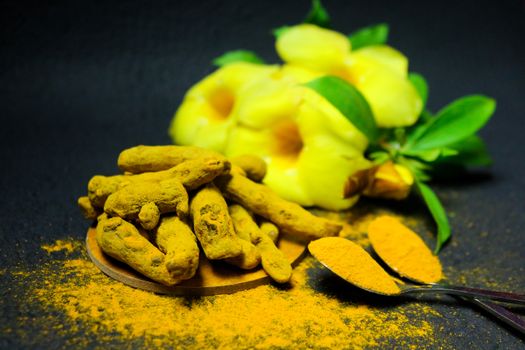 Photo: Tamanna Rumee / Pexels
 Photo: ROMAN ODINTSOV / Pexels
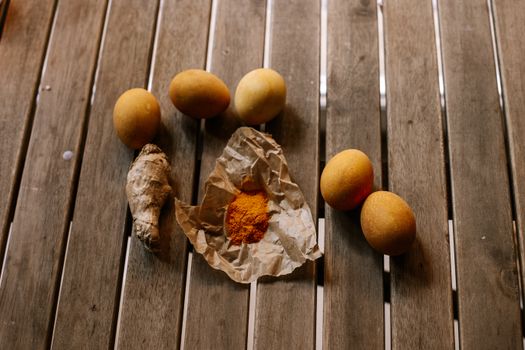 Photo: ROMAN ODINTSOV / Pexels