
Mastering Gluten-Free Baking Recipes for Beginners
Dive into the delightful world of gluten-free baking with confidence, creating delicious treats from scratch.
Start Baking Today!Key Takeaways
- ✓ Gluten-free baking often requires a blend of flours, not just one.
- ✓ Xanthan gum or guar gum is crucial for mimicking gluten's elasticity.
- ✓ Moisture content is key; gluten-free doughs can be drier or stickier.
- ✓ Room temperature ingredients yield better results in most recipes.
How It Works
Familiarize yourself with common gluten-free flours like rice, almond, and tapioca. Each offers unique properties affecting texture and flavor.
Start with simple, forgiving recipes such as cookies or muffins. These build confidence and teach fundamental techniques without overwhelming you.
Learn how to correctly substitute gluten-free flour blends and binders. Precision in measurements is more critical here than with traditional baking.
Gluten-free baking can be a journey of trial and error. Don't be discouraged by initial failures; each attempt teaches valuable lessons.
Demystifying Gluten-Free Flours for Beginners
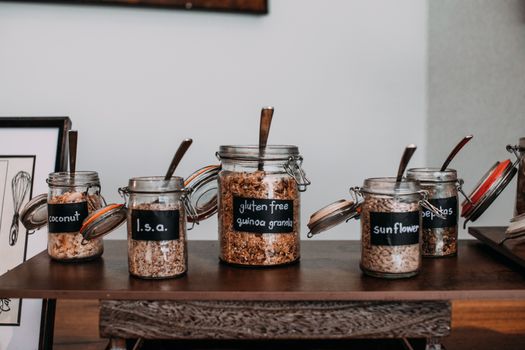 Photo: Rachel Claire / Pexels
Essential Techniques and Tools for Gluten-Free Baking Success
 Photo: Rachel Loughman / Pexels
Delicious and Easy Gluten-Free Baking Recipes for Beginners
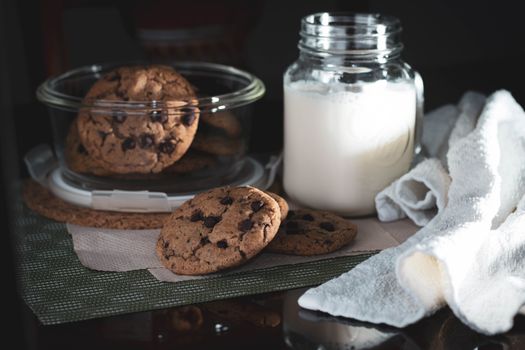 Photo: O'NEIL GONZALES / Pexels
Common Pitfalls and Pro Tips for Gluten-Free Baking Novices
 Photo: ready made / Pexels
Comparison
| Feature | Gluten-Free Baking | Traditional Wheat Baking | Key Difference |
|---|---|---|---|
| Flour Composition | Multiple flours (blends) | Single flour (wheat) | GF requires blending for structure |
| Binder Requirement | Essential (xanthan/guar gum) | Not required (gluten acts as binder) | GF needs binders for elasticity |
| Moisture Content | Often needs more moisture | Standard moisture levels | GF flours absorb differently |
| Texture | Can be drier/crumbly without care | Chewy, elastic, airy | GF requires specific techniques for texture |
| Precision | Highly critical (esp. flour weight) | More forgiving | GF ratios are more sensitive |
| Kneading | Rarely (can make tough) | Often required for gluten development | GF doesn't develop gluten structure |
What Readers Say
"This guide completely changed my approach to gluten free baking recipes beginners. My first batch of cookies came out perfect, not dry and crumbly like before. I finally feel confident in the kitchen!"
Sarah J. · Austin, TX"The explanation of different flours was a game-changer. I used to just grab any 'GF blend', but now I understand why certain recipes call for specific types. My muffins are so much better now."
Mark D. · Portland, OR"Thanks to this article, my family can enjoy delicious gluten-free brownies that taste just like the real thing. The tip about not overbaking was crucial for getting that fudgy texture."
Emily R. · Chicago, IL"While incredibly helpful, I wish there were a few more specific brand recommendations for gluten-free flour blends. But overall, the techniques and recipe ideas are excellent for anyone starting out."
David L. · Denver, CO"As someone with celiac disease, finding reliable gluten free baking recipes beginners has been a struggle. This guide made it so much easier to get started and enjoy baking again without fear of failure."
Jessica M. · Miami, FLFrequently Asked Questions
What is the best all-purpose gluten-free flour blend for beginners?
For beginners, a pre-made commercial all-purpose gluten-free flour blend that already contains xanthan gum is often the easiest starting point. Brands like Bob's Red Mill 1-to-1 Baking Flour or King Arthur Gluten-Free Measure for Measure Flour are popular and reliable choices. They are formulated to mimic wheat flour more closely in recipes.
Why do my gluten-free baked goods always turn out dry and crumbly?
Dryness and crumbling are common issues in gluten-free baking, often due to insufficient moisture, lack of proper binders (like xanthan gum), or overbaking. Ensure you're using accurate measurements, adding enough liquid or fat as specified in the recipe, and not baking for too long. Letting batters rest can also help flours absorb moisture better.
How do I substitute gluten-free flour for regular flour in existing recipes?
It's generally not recommended for beginners to directly substitute gluten-free flour for regular flour in traditional recipes without significant modifications. Gluten-free baking requires different ratios of flours, starches, and binders. It's best to start with recipes specifically developed for gluten-free baking to ensure success and avoid disappointment.
Is gluten-free baking more expensive than traditional baking?
Initially, gluten-free baking can be slightly more expensive due to the higher cost of individual gluten-free flours and binders compared to conventional wheat flour. However, as you build your pantry and become more adept at creating your own blends, the cost can become more manageable. Many find the health benefits and enjoyment outweigh the extra expense.
Can I use just one type of gluten-free flour, like almond or rice flour, for all my baking?
While some recipes might use a single gluten-free flour (like almond flour for certain cakes), most successful gluten-free baking relies on a blend of different flours and starches. Each flour contributes unique properties to texture, flavor, and structure. Using just one type often results in an unbalanced product, such as overly dense, crumbly, or gritty baked goods.
Who benefits most from learning gluten free baking recipes beginners?
Anyone with celiac disease, gluten sensitivity, or those choosing a gluten-free lifestyle for health reasons will benefit immensely. It allows them to enjoy baked goods without adverse health effects. Additionally, it's great for home bakers who want to expand their skills and cater to dietary needs of friends and family.
Are there any health risks associated with gluten-free baking ingredients?
Generally, gluten-free baking ingredients themselves are safe. The main concern is cross-contamination for individuals with celiac disease; always look for certified gluten-free labels, especially for oats. Some highly processed gluten-free products can be high in sugar and unhealthy fats, so focusing on whole, natural ingredients in your baking is always a good practice.
What new trends are emerging in gluten-free baking that beginners should know?
Emerging trends include a greater focus on nutrient-dense flours like teff and amaranth, and the increased use of natural binders like psyllium husk powder for a more flexible dough. There's also a growing interest in naturally leavened gluten-free sourdough, though this is an advanced technique. For beginners, sticking to well-tested recipes using common ingredients is best.
Ready to transform your kitchen into a gluten-free bakery? With these essential tips and beginner-friendly recipes, you're well on your way to creating delicious, wholesome baked goods. Don't wait – start your gluten free baking recipes beginners journey today and savor the sweet rewards!