Easy Weeknight Meal Ideas Kids Will Actually Love!
August 20, 2026 15 min read 3,081 words
Transform chaotic weeknights into joyful family dining with these simple, delicious, and kid-approved recipes.
Get Started Now!
The Ultimate Guide to Stress-Free Kid-Friendly Dinners
 Photo: Monstera Production / Pexels
As parents, the weeknight dinner dilemma is a universal challenge. After a long day of work, school, and extracurricular activities, the last thing anyone wants is a complicated, time-consuming cooking session that ends with picky eaters pushing food around their plates. The good news? It doesn't have to be this way! This comprehensive guide is packed with easy weeknight meal ideas kids will not only tolerate but genuinely love, transforming your evenings from frantic to fantastic. We understand the unique pressures of feeding a family – the need for speed, the demand for nutrition, and the ever-present battle against selective palates. That's why we've meticulously curated a collection of recipes and strategies designed to tackle these challenges head-on.
Our approach focuses on three core pillars: simplicity, nutrition, and kid-appeal. Simplicity means recipes with minimal ingredients, straightforward instructions, and often, quick cook times. We're talking about dishes that can go from pantry to plate in 30 minutes or less, or those that require minimal active cooking. Nutrition is paramount; we believe that 'kid-friendly' doesn't have to mean sacrificing health. Many of our suggestions cleverly incorporate vegetables, whole grains, and lean proteins in ways that are appealing to even the most discerning young diners. And finally, kid-appeal – because a meal, no matter how healthy or easy, is only successful if it actually gets eaten! We've drawn on countless parent experiences and culinary insights to bring you dishes that are consistently popular with children, often featuring familiar flavors and fun presentations.
Beyond just recipes, we'll delve into practical strategies for meal planning, grocery shopping, and even getting your kids involved in the cooking process. Involving children in meal preparation, even in small ways, has been shown to increase their willingness to try new foods and enjoy the meals they've helped create. From simple tasks like washing vegetables to stirring ingredients, these small contributions can make a big difference in fostering a positive relationship with food. We'll also explore clever hacks for sneaking in extra nutrients, managing picky eating, and making the most of leftovers to minimize food waste and maximize your time. Get ready to reclaim your weeknights and enjoy delicious, wholesome meals with your family, without the usual stress and struggle. This guide is your ultimate resource for mastering easy weeknight meal ideas kids will rave about, making dinner a highlight of your family's day. For more general cooking tips, check out our
guide to healthy cooking basics.
Top 10 Quick & Delicious Kid-Approved Dinners
 Photo: cottonbro studio / Pexels
Let's dive straight into some of the most beloved and easiest dinner ideas that consistently win over kids and parents alike. These recipes are designed for maximum flavor with minimal effort, perfect for those hectic weeknights.
1. **Sheet Pan Sausage & Veggies:** This is a weeknight hero! Toss sliced chicken or turkey sausage (or plant-based sausage), bell peppers, broccoli florets, and sweet potato cubes with a little olive oil, garlic powder, and paprika. Roast on a single sheet pan at 400°F (200°C) for 20-25 minutes until tender and slightly caramelized. It's customizable, colorful, and cleanup is a breeze.
2. **Homemade Pizza (Quick Version):** Forget delivery! Use pre-made pizza dough or pita bread as a base. Let kids choose their own sauce (marinara, pesto, BBQ), cheese, and toppings like pepperoni, cooked chicken, mushrooms, or pineapple. Bake until crust is golden and cheese is bubbly. It’s interactive and always a hit.
3. **Pasta with Hidden Veggie Sauce:** A classic for a reason. Blend cooked carrots, zucchini, and bell peppers into your favorite marinara sauce. Kids will never know! Serve with whole wheat pasta and a sprinkle of Parmesan cheese. Add ground turkey or lentils for extra protein.
4. **Chicken & Cheese Quesadillas:** Simple, fast, and satisfying. Layer shredded cooked chicken (rotisserie chicken works wonders!), cheese, and optional black beans or corn between two tortillas. Cook in a lightly oiled pan until golden and cheese is melted. Serve with salsa and guacamole.
5. **Mini Meatloaf Muffins:** Mix ground beef or turkey with breadcrumbs, egg, ketchup, and finely diced onion/bell pepper. Press into muffin tins and bake. These cook much faster than a traditional loaf and are perfectly portioned for kids. Serve with mashed potatoes or a simple salad.
6. **Tuna Melts or Salmon Patties:** For a quick protein boost. Tuna melts on whole wheat bread are a classic. Alternatively, make salmon patties by mixing canned salmon with breadcrumbs, egg, and seasonings, then pan-fry until crispy. Serve with a side of steamed green beans.
7. **Breakfast for Dinner (Brinner!):** Pancakes, waffles, scrambled eggs, or French toast aren't just for mornings. Kids adore the novelty of 'brinner.' Add fruit and a side of turkey bacon or sausage for a complete meal.
8. **Deconstructed Chicken Noodle Soup:** If you have leftover cooked chicken, this is lightning fast. Cook egg noodles, then add chicken broth, shredded chicken, and frozen mixed vegetables. Simmer until heated through. Kids can add their own crackers or a dollop of sour cream.
9. **Build-Your-Own Tacos/Burrito Bowls:** Set out cooked ground beef or black beans, tortillas or rice, shredded lettuce, cheese, salsa, sour cream, and avocado. Let kids assemble their own. This empowers them and makes dinner fun.
10. **Creamy Tomato Soup & Grilled Cheese:** The ultimate comfort food pairing. Use a good quality canned tomato soup (or make your own simple version) and pair it with classic grilled cheese sandwiches on whole wheat bread. Add a slice of tomato or spinach to the grilled cheese for extra nutrition.
These ten ideas are just the beginning. The key is to keep ingredients simple, flavors familiar, and presentation appealing. Don't be afraid to experiment with slight variations based on what your family enjoys and what you have on hand. These recipes are designed to be flexible and forgiving, perfect for the realities of busy family life.
Smart Strategies for Meal Planning & Prep Success
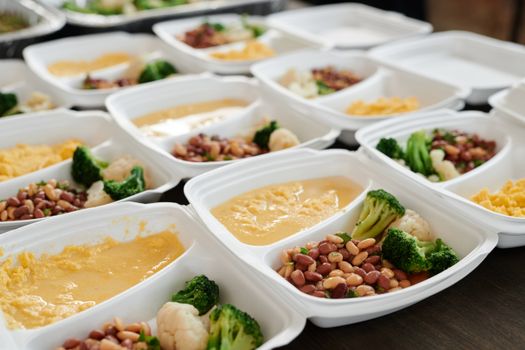 Photo: Julia M Cameron / Pexels
Beyond having a list of great recipes, the true secret to stress-free weeknight meals lies in effective planning and smart preparation. Without a solid strategy, even the easiest recipes can feel overwhelming when you're short on time and energy. Here’s how to master meal planning and prep, ensuring you always have easy weeknight meal ideas kids will love ready to go.
**1. The Weekly Meal Plan:** This is your foundation. Sit down once a week (Sunday is often ideal) and plan out your dinners for the next 5-7 days. Consider your family's schedule – are there late sports practices or meetings on certain nights? Those are perfect for super-quick meals or leftovers. Involve your kids in this process by giving them a few approved options to choose from. This gives them ownership and makes them more likely to eat what's served. Keep a running list of your family's favorite easy meals to draw from. Don't forget to account for 'theme nights' like 'Taco Tuesday' or 'Pizza Friday' if those work for your family. This predictability can be comforting for kids and simplifies your planning.
**2. Smart Grocery Shopping:** Once your meal plan is set, create a detailed grocery list. Stick to it! This prevents impulse buys and ensures you have all the ingredients you need, avoiding last-minute dashes to the store. Consider online grocery ordering or curbside pickup to save even more time. Buy staples in bulk when they're on sale, like pasta, rice, canned goods, and frozen vegetables. Having a well-stocked pantry and freezer is a game-changer for quick meals. When you're at the store, think about ingredients that can pull double duty; for instance, a rotisserie chicken can be used for quesadillas one night and then for chicken noodle soup another. This minimizes waste and maximizes efficiency.
**3. Weekend Prep Power Hour:** Dedicate 1-2 hours on a weekend day to 'meal prep.' This doesn't mean cooking every meal, but rather preparing components that will speed up weeknight cooking. This might include:
* Chopping and dicing vegetables (onions, bell peppers, carrots, celery) and storing them in airtight containers.
* Cooking a batch of grains like quinoa, rice, or farro.
* Washing and tearing lettuce for salads.
* Grilling or baking a large batch of chicken breasts or ground meat.
* Making a big pot of soup or chili that can be eaten over a few days or frozen.
* Pre-making sauces or dressings.
**4. Embrace the Freezer:** Your freezer is your best friend for easy weeknight meals. Batch cook larger portions of freezable meals like lasagna, casseroles, meatballs, or stews, and freeze them in individual or family-sized portions. On a busy night, simply pull one out to thaw and reheat. You can also freeze pre-chopped vegetables, cooked grains, and even smoothie packs. Don't forget to label everything clearly with the date and contents! For more freezer-friendly ideas, check out our
guide to freezer meal prep.
**5. One-Pot Wonders & Sheet Pan Dinners:** These types of recipes are invaluable for busy weeknights because they minimize cleanup. Everything cooks in a single pot, pan, or sheet, reducing the number of dishes you have to wash. They are often incredibly flavorful as ingredients meld together during cooking. Look for recipes that combine protein, vegetables, and a starch all in one vessel. Examples include sheet pan fajitas, one-pot pasta dishes, or skillet stir-fries. These methods are not only efficient but often result in beautifully cooked, tender ingredients.
By implementing these strategies, you'll find that the stress of weeknight dinners significantly diminishes. You'll spend less time scrambling and more time enjoying delicious, wholesome meals with your family, proving that easy weeknight meal ideas kids love are entirely achievable.
Tips for Picky Eaters & Common Mealtime Mistakes to Avoid
Photo: cottonbro studio / Pexels
Dealing with picky eaters can turn dinner into a battlefield. However, with a few smart strategies and by avoiding common pitfalls, you can encourage your children to try new foods and enjoy a wider variety of meals. It's about patience, consistency, and a bit of culinary stealth.
**Tips for Navigating Picky Eaters:**
* **Involve Them in the Process:** As mentioned, letting kids help choose meals or prepare ingredients gives them a sense of ownership. They're more likely to eat something they've invested time in. Even simple tasks like washing produce or setting the table can make a difference.
* **Offer Choices (Limited):** Instead of asking, 'What do you want for dinner?', offer two healthy, approved options: 'Would you prefer chicken and broccoli or pasta with meat sauce tonight?' This gives them control without giving them free rein.
* **The 'One Bite' Rule:** Encourage (but don't force) them to try just one bite of a new food. If they genuinely don't like it, that's okay. Repeated exposure is key; it can take 10-15 tries for a child to accept a new food.
* **Deconstruct Meals:** For very picky eaters, serve components separately. Instead of a casserole, offer chicken, rice, and broccoli on different parts of the plate. This allows them to eat what they're comfortable with and slowly integrate new items.
* **Hidden Veggies are Your Friend:** Puree vegetables like carrots, zucchini, or spinach into pasta sauces, smoothies, muffins, or even meatloaf. This is a fantastic way to boost nutrition without them noticing. Just be honest if they ask directly!
* **Make it Fun:** Cut sandwiches into fun shapes, arrange vegetables into faces, or use colorful plates. Presentation can make a big difference in appealing to young children.
* **Lead by Example:** Kids mimic their parents. If you eat a variety of healthy foods with enthusiasm, they are more likely to follow suit.
* **Don't Be a Short-Order Cook:** While it's tempting to make a separate meal for a picky eater, resist the urge. Offer one family meal. They don't have to eat it all, but they should be offered the same food as everyone else.
**Common Mealtime Mistakes to Avoid:**
* **Pressuring or Forcing:** This creates negative associations with food and mealtime. It can lead to power struggles and even disordered eating patterns.
* **Using Food as a Reward or Punishment:** 'Eat your vegetables, and you can have dessert' can make vegetables seem like a chore and dessert an ultimate prize. It distorts the intrinsic value of healthy eating.
* **Offering Too Many Alternatives:** Constantly providing a different meal if they don't like the first one teaches them that they don't have to try new things. Stick to the family meal.
* **Making Mealtime a Battleground:** Keep the atmosphere light and positive. Focus on family connection rather than food consumption. If a child isn't eating, calmly remove the plate after a reasonable amount of time.
* **Ignoring Hunger Cues:** Don't force children to eat when they're not hungry, or deny food when they are. Trust their innate ability to regulate their intake over time.
* **Lack of Consistency:** Kids thrive on routine. Try to have meals at similar times each day, and stick to your meal plan as much as possible.
By implementing these tips and avoiding common mistakes, you can create a more harmonious and healthy mealtime environment, encouraging your children to become more adventurous and well-rounded eaters.