✓ Meal prepping can save up to 8 hours a week and significantly reduce food waste.
✓ Focus on versatile base ingredients like grains, legumes, and roasted vegetables.
✓ Batch cooking components allows for diverse meal combinations throughout the week.
✓ Proper storage is crucial for maintaining freshness and food safety.
How It Works
1
Plan Your Weekly Menu
Decide on 3-4 key recipes for the week, focusing on dishes that can be easily scaled and repurposed. Consider breakfast, lunch, and dinner, and check your pantry first.
2
Shop Smart & Efficiently
Create a detailed grocery list based on your menu to avoid impulse buys and ensure you have all necessary ingredients. Prioritize fresh produce, whole grains, and protein sources.
3
Dedicated Prep Session
Set aside 2-3 hours on a designated day (e.g., Sunday) to wash, chop, cook, and portion your ingredients and meals. This concentrated effort saves time during busy weekdays.
4
Store & Enjoy
Portion out your prepped meals into airtight containers suitable for refrigeration or freezing. Label them clearly and enjoy your healthy, ready-to-eat vegetarian meals throughout the week.
Understanding the Basics of Vegetarian Meal Planning
Photo: Nataliya Vaitkevich / Pexels
Embarking on a vegetarian meal prep journey can feel daunting at first, especially for beginners. However, with a foundational understanding of key principles, it transforms into an incredibly rewarding and sustainable practice. The core idea behind vegetarian meal planning is to strategically prepare plant-based components and full meals in advance, ensuring you have nutritious options readily available throughout your busy week. This proactive approach not only saves valuable time during weekdays but also helps you stick to your dietary goals, reduce food waste, and often, save money on groceries and takeout.
For beginners, the first step is often demystifying what constitutes a balanced vegetarian meal. It's not just about removing meat; it's about thoughtfully replacing it with diverse plant-based proteins, healthy fats, complex carbohydrates, and an abundance of vegetables. Think about building your meals around a few key categories: a protein source (legumes, tofu, tempeh, edamame, nuts, seeds), a complex carbohydrate (quinoa, brown rice, whole wheat pasta, sweet potatoes), a healthy fat (avocado, olive oil, nuts, seeds), and plenty of non-starchy vegetables. Understanding these building blocks allows for endless creative combinations and ensures nutritional completeness. Don't be afraid to experiment with different flavor profiles and cuisines; this keeps your meal prep exciting and prevents palate fatigue.
Another crucial aspect for beginners is learning to identify versatile base ingredients. These are ingredients that can be cooked in larger batches and then adapted into multiple different meals. For example, a large batch of roasted sweet potatoes can become a side dish, a base for a grain bowl, or an addition to a breakfast hash. Similarly, cooked quinoa can be the foundation for a salad, a stir-fry, or even a veggie burger. This 'cook once, eat thrice' philosophy is a cornerstone of efficient meal prepping. It minimizes cooking time during your prep session and maximizes variety during the week. By focusing on these fundamental principles – balanced meal composition and versatile batch cooking – beginners can lay a strong foundation for successful and enjoyable vegetarian meal prepping. Remember, consistency is key, and even small steps toward planning can make a significant difference in your daily eating habits and overall well-being. For more general tips on healthy eating, check out our guide on nutritious food choices.
Essential Vegetarian Meal Prep Tools and Storage Solutions
Photo: Julia M Cameron / Pexels
Successful vegetarian meal prep, especially for beginners, hinges not just on recipes but also on having the right tools and storage solutions. Investing in a few key items can dramatically streamline your process and ensure your delicious creations stay fresh and safe to eat throughout the week. First and foremost, quality airtight containers are non-negotiable. Glass containers are often preferred as they are non-porous, don't retain odors or stains, are microwave-safe, and are generally more durable in the long run. Look for sets with various sizes, including those with compartments for separating different meal components. Silicone-sealed lids are excellent for preventing leaks, which is crucial when transporting lunches.
Beyond containers, consider a good set of sharp knives and a sturdy cutting board. Efficient chopping and dicing are fundamental to quick prep, and good tools make this task much less laborious and more enjoyable. A large pot for boiling grains and pasta, a spacious baking sheet for roasting vegetables, and a large skillet or wok for stir-fries are also essential. For those looking to elevate their prep, a food processor can be a game-changer for quickly chopping large quantities of vegetables, making dips, or even preparing veggie burger patties. An immersion blender is fantastic for soups and sauces, allowing you to blend directly in the pot, reducing cleanup.
When it comes to storage, understanding proper techniques is as important as the containers themselves. Always allow cooked food to cool completely before sealing and refrigerating. This prevents condensation from building up inside the container, which can lead to sogginess and faster spoilage. Most prepped meals will last 3-5 days in the refrigerator. For longer storage, embrace your freezer. Many vegetarian staples like cooked grains, legumes, roasted vegetables, and even some stews and curries freeze beautifully. Use freezer-safe containers or bags, ensuring you squeeze out as much air as possible to prevent freezer burn. Labeling containers with the date and contents is a small step that saves a lot of guesswork later. By equipping yourself with these essential tools and adopting smart storage habits, you'll find vegetarian meal prep for beginners to be a much more organized, efficient, and ultimately, delicious endeavor.
Top Vegetarian Meal Prep Ideas for Beginners: Recipes & Strategies
Photo: Ramazan Tunç / Pexels
For beginners diving into vegetarian meal prep, starting with simple, versatile recipes that don't require extensive cooking skills or exotic ingredients is key. The goal is to build confidence and establish a routine before tackling more complex dishes. One of the most effective strategies is to focus on 'component prepping.' Instead of preparing full meals, cook individual components in bulk that can then be mixed and matched throughout the week.
**Grains:** Cook a large batch of quinoa or brown rice. These serve as excellent bases for bowls, salads, or side dishes. For example, 3-4 cups of cooked quinoa can be used for lunch bowls Monday-Wednesday.
**Legumes:** Canned chickpeas or black beans are your friends. Rinse and drain them, then toss with some olive oil and spices (cumin, chili powder, paprika) and roast them until slightly crispy. These roasted legumes add protein and texture to salads, wraps, or as a topping for grain bowls. You can also cook dried lentils or beans in bulk; they store well and are incredibly versatile.
**Roasted Vegetables:** Chop a variety of hearty vegetables like broccoli, cauliflower, bell peppers, carrots, and sweet potatoes. Toss them with olive oil, salt, pepper, and herbs (rosemary, thyme) and roast them on a large baking sheet until tender-crisp. These can be added to virtually any meal – scrambled with eggs for breakfast, mixed into pasta, or served alongside grains and protein for lunch or dinner.
**Homemade Dressings/Sauces:** Whipping up a simple vinaigrette, a tahini-based dressing, or a peanut sauce at the beginning of the week can elevate otherwise simple meals. Store them in separate jars and add just before serving to prevent sogginess.
**Sample Meal Combinations Using Components:**
* **Breakfast:** Overnight oats with berries and nuts, or a breakfast burrito with scrambled tofu, black beans, and roasted peppers.
* **Lunch:** Quinoa bowl with roasted chickpeas, roasted veggies, a handful of spinach, and a lemon-tahini dressing. Or, a large salad with pre-chopped greens, bell peppers, cucumber, and a scoop of lentil salad.
* **Dinner:** Whole wheat pasta with pre-made marinara sauce, roasted broccoli, and white beans. Or, veggie burgers (pre-made patties) on whole wheat buns with a side of roasted sweet potato fries.
By focusing on these adaptable components, beginners can create a diverse and exciting menu without feeling overwhelmed. Remember to keep it simple, focus on flavors you enjoy, and gradually expand your repertoire. For more ideas on plant-based protein, see our article on vegan protein sources.
Common Pitfalls and Pro Tips for Beginner Vegetarian Meal Preppers
Photo: Ella Olsson / Pexels
While vegetarian meal prep offers numerous benefits, beginners often encounter a few common pitfalls that can derail their efforts. Being aware of these challenges and knowing how to navigate them can significantly increase your chances of success.
**Common Pitfalls:**
* **Over-prepping:** Trying to cook every single meal for the entire week from scratch can be overwhelming and lead to burnout. Start small, perhaps with just lunches or dinners for 3-4 days.
* **Lack of variety:** Eating the same meal every day can lead to boredom and make you crave other foods. Component prepping helps mitigate this by allowing for flexible combinations.
* **Improper storage:** Not cooling food properly before storing, or using non-airtight containers, can lead to food spoilage and waste.
* **Underseasoning:** Vegetarian food can taste bland if not seasoned adequately. Don't be shy with herbs, spices, and sauces.
* **Forgetting snacks:** Hunger between meals can lead to unhealthy choices. Prep some healthy snacks too!
**Pro Tips for Success:**
* **Start with your favorite recipes:** Adapt your go-to vegetarian meals for meal prep. This familiarity will make the process more enjoyable.
* **Batch cook staples:** Focus on cooking large quantities of grains, legumes, and roasted vegetables. These are the building blocks for many meals.
* **Invest in good containers:** Airtight, microwave-safe, and freezer-safe containers are worth the investment for food safety and convenience.
* **Taste and adjust:** Don't be afraid to taste your food as you cook and adjust seasonings. A little extra salt, pepper, or a squeeze of lemon can make a huge difference.
* **Utilize your freezer:** If you make a large batch of soup, chili, or curry, portion some out for the freezer. Future-you will thank you on a busy weeknight.
* **Theme your prep:** Dedicate your prep session to a certain cuisine (e.g., Mexican, Mediterranean) to streamline ingredient use and maintain flavor consistency.
* **Don't forget healthy fats:** Include sources like avocado, nuts, seeds, and olive oil to keep you satiated and provide essential nutrients.
* **Prep snacks:** Chop veggies for dipping, portion out nuts and seeds, or make a batch of energy bites to keep hunger at bay between meals.
* **Embrace 'assembly-only' meals:** Some meals require no cooking on prep day, just assembly. Think salads, wraps, or overnight oats. This can save time and effort.
* **Keep a pantry inventory:** Knowing what you have on hand prevents duplicate purchases and inspires meal ideas. Regularly check expiration dates to avoid waste. By implementing these tips, beginners can overcome common challenges and establish a sustainable and enjoyable vegetarian meal prep routine.
Comparison
Feature
Batch Cooking Components
Full Meal Assembly
Hybrid Approach
Time Efficiency
High
Medium
High
Variety Potential
Very High
Low
High
Flexibility
Excellent
Limited
Good
Beginner Friendly
✓
✗
✓
Storage Complexity
Low
Medium
Medium
What Readers Say
★★★★★
"These vegetarian meal prep ideas for beginners completely changed my week! I used to stress about lunch, but now I have delicious, healthy options ready to go. The roasted veggie and quinoa bowl is a lifesaver."
Sarah J. · Austin, TX
★★★★★
"As someone new to vegetarian eating, this guide was incredibly helpful. The focus on component prepping made it feel achievable, and I've saved so much money on takeout. Highly recommend for any beginner."
Mark L. · Denver, CO
★★★★★
"I followed the advice on batch cooking grains and legumes, and now I have healthy meals ready for days. My energy levels are up, and I've cut my weekly food waste by at least 50% thanks to these vegetarian meal prep ideas for beginners."
Emily P. · Seattle, WA
★★★★★
"Good starting point for vegetarian meal prep, though some recipes could use a bit more spice. The storage tips were particularly useful, and I appreciate the emphasis on fresh ingredients."
David M. · Boston, MA
★★★★★
"I travel frequently for work, and these vegetarian meal prep ideas for beginners have made it so much easier to eat healthy on the go. Prepping my meals means I'm not relying on unhealthy airport food."
Jessica R. · Miami, FL
Frequently Asked Questions
What are the easiest vegetarian meal prep ideas for beginners?
For beginners, focus on simple, versatile components like batch-cooked grains (quinoa, brown rice), roasted vegetables (broccoli, sweet potatoes, bell peppers), and pre-cooked legumes (chickpeas, black beans, lentils). These can be combined in various ways throughout the week into bowls, salads, or wraps without requiring complex recipes.
How long do prepped vegetarian meals typically last?
Most vegetarian meal preps, when stored properly in airtight containers in the refrigerator, will last for 3-5 days. Cooked grains and legumes tend to last well, as do roasted vegetables. Dishes with fresh greens or dressings added directly may have a shorter shelf life, so it's best to add those just before eating.
How can I prevent my vegetarian meal prep from getting soggy?
To prevent sogginess, always allow cooked food to cool completely before sealing it in containers and refrigerating. Store wet ingredients like dressings or sauces separately and add them just before serving. For salads, keep the dressing on the side and layer your ingredients with sturdy items at the bottom and greens on top.
Is vegetarian meal prep more expensive than regular meal prep?
Vegetarian meal prep can often be more cost-effective than meal prep that includes meat. Plant-based protein sources like legumes, tofu, and eggs are generally less expensive per serving than animal proteins. Buying seasonal produce and staples in bulk can further reduce costs, making it a budget-friendly option.
What's the difference between component prepping and full meal prepping?
Component prepping involves cooking individual ingredients (like roasted vegetables, cooked grains, or protein sources) in bulk, which are then mixed and matched to create different meals throughout the week. Full meal prepping means preparing entire, ready-to-eat meals and portioning them out. Component prepping offers more variety and flexibility, making it ideal for beginners.
Who should use vegetarian meal prep ideas for beginners?
These ideas are perfect for anyone looking to transition to a more plant-based diet, save time during busy weekdays, reduce food waste, or improve their overall nutrition. Beginners to cooking or meal prepping, in general, will find the strategies and recipes accessible and empowering.
Are there any food safety concerns with vegetarian meal prepping?
Yes, standard food safety practices apply. Ensure food is cooked to safe temperatures, cooled quickly (within 2 hours) before refrigeration, and stored in clean, airtight containers. Do not leave perishable food at room temperature for extended periods. Reheat meals thoroughly until steaming hot.
What's the future trend for vegetarian meal prep?
The future of vegetarian meal prep is moving towards even greater convenience and customization. Expect more subscription services offering pre-portioned ingredients, innovative plant-based protein options, and increased focus on sustainable packaging. Smart kitchen tech will also likely play a role in optimizing cooking and storage.
Ready to transform your eating habits and simplify your week? Dive into these vegetarian meal prep ideas for beginners and discover how easy and delicious plant-based eating can be. Start planning, prepping, and enjoying healthier meals today!
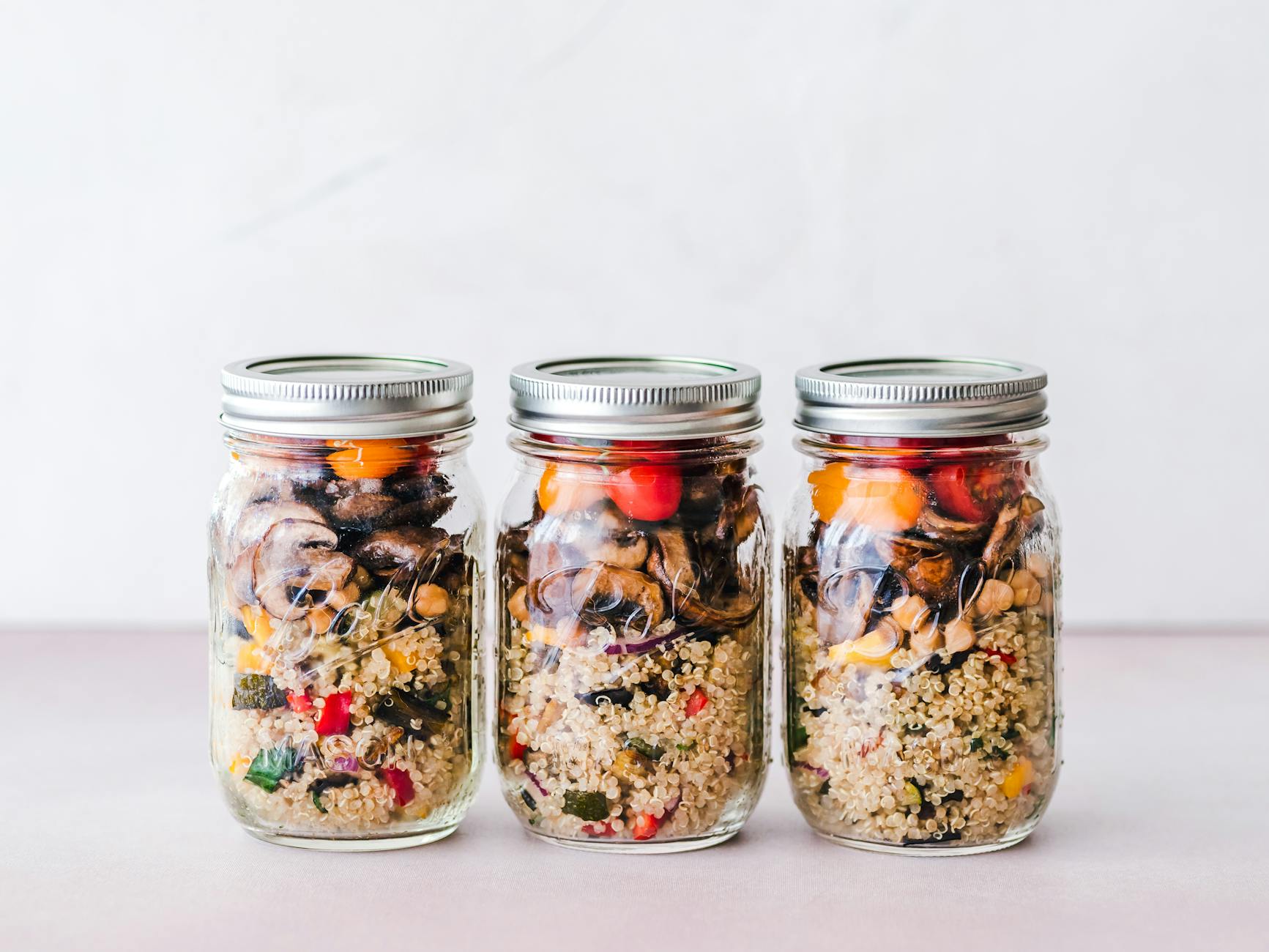
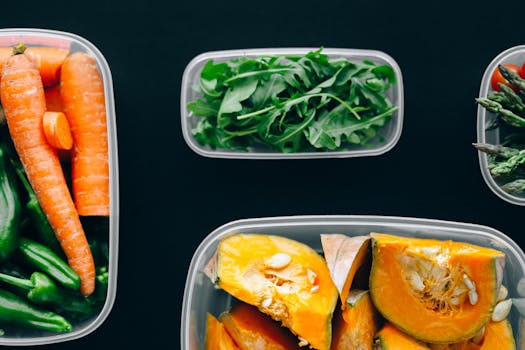 Photo: Nataliya Vaitkevich / Pexels
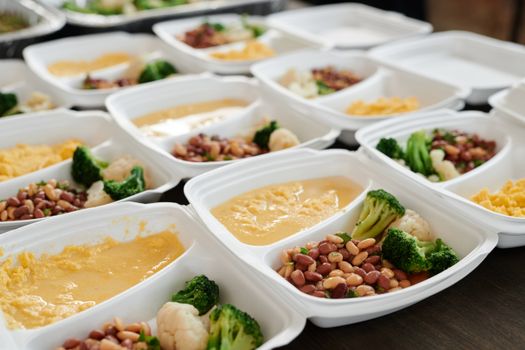 Photo: Julia M Cameron / Pexels
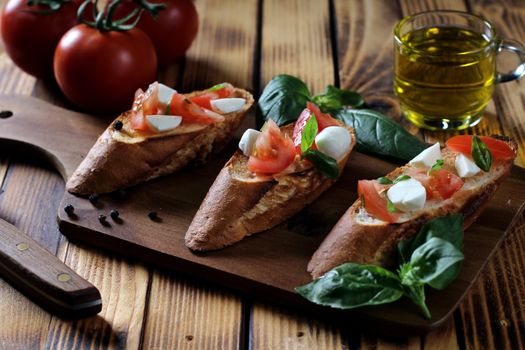 Photo: Ramazan Tunç / Pexels
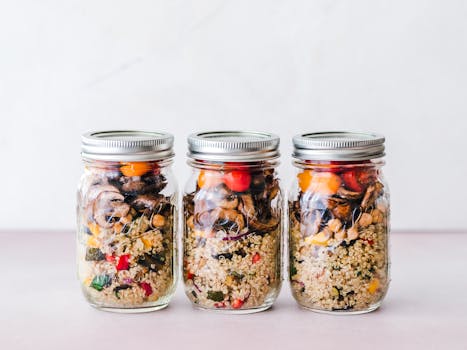 Photo: Ella Olsson / Pexels