✓ Gluten-free baking doesn't have to be complicated or intimidating.
✓ The right flour blend is crucial for successful gluten-free results.
✓ Many traditional baking techniques translate well to gluten-free versions.
✓ Moisture content is key in gluten-free baking to prevent dryness.
How It Works
1
Understand Your Flours
Learn about different gluten-free flours and how they behave. This knowledge is fundamental to adapting recipes and achieving desired textures.
2
Master Basic Recipes
Start with simple, forgiving recipes like cookies or muffins. These build confidence and teach you the nuances of gluten-free doughs and batters.
3
Embrace New Ingredients
Discover binders like xanthan gum and psyllium husk, and alternative leaveners. These are often essential for structure and rise in gluten-free baking.
4
Adjust and Experiment
Don't be afraid to tweak recipes slightly based on your environment and ingredients. Baking is an art, and gluten-free baking offers room for creative adjustments.
Demystifying Gluten-Free Flours for Beginners
Photo: 军 胡 / Pexels
Embarking on your gluten-free baking journey begins with understanding the cornerstone of all baked goods: flour. Unlike traditional wheat flour, which contains gluten—a protein that provides elasticity and structure—gluten-free baking relies on a blend of various flours, starches, and sometimes gums to replicate these properties. For beginners, this can seem overwhelming, but with a little guidance, it becomes much clearer. The key is to think of gluten-free flour not as a single ingredient, but as a team of ingredients working together.
Common gluten-free flours include rice flour (brown and white), almond flour, oat flour (certified gluten-free), sorghum flour, and millet flour. Each brings unique characteristics to the table. Rice flour, for instance, is neutral in flavor and provides a good base, but can be a bit gritty on its own. Almond flour adds moisture, richness, and a slightly nutty flavor, while oat flour contributes a chewy texture and mild sweetness. Sorghum and millet flours offer whole-grain nutrition and a tender crumb. Starches like tapioca starch, potato starch, and cornstarch are crucial for lightness, binding, and crispness. They help prevent baked goods from becoming dense or crumbly.
For beginners, the easiest way to start is by using a pre-made gluten-free all-purpose flour blend. These blends are scientifically formulated to mimic the properties of wheat flour, taking the guesswork out of combining individual flours. Look for blends that specifically state they are suitable for 'all-purpose' baking or 'cup-for-cup' substitution. Many popular brands offer excellent options that can be directly substituted in most traditional recipes. However, be aware that not all blends are created equal; some may contain xanthan gum, while others may require you to add it separately. Xanthan gum is a vital ingredient in gluten-free baking, acting as a binder to provide elasticity and prevent crumbling, effectively replacing the role of gluten. Without it, your baked goods might fall apart. A good rule of thumb is to add about 1/4 teaspoon of xanthan gum per cup of gluten-free flour blend for cookies and cakes, and up to 1/2 teaspoon for breads.
Understanding the role of each component in a gluten-free flour blend is empowering. It allows you to troubleshoot issues, such as dryness or excessive crumbling, and eventually, to experiment with creating your own blends for specific recipes. Don't be afraid to read labels and research the properties of different flours. This foundational knowledge will transform your baking from a series of hopeful attempts into consistently delicious successes. For more in-depth information on specific flour properties, check out this guide on understanding gluten-free ingredients. Remember, patience and practice are your best allies as you navigate the exciting world of gluten-free flours.
Essential Gluten-Free Baking Techniques for Success
Photo: Eva Bronzini / Pexels
While the ingredients are different, many fundamental baking techniques remain the same when going gluten-free. However, there are crucial adjustments and specific considerations that beginners should be aware of to ensure consistent success. One of the most significant differences lies in how gluten-free doughs and batters behave. Without gluten, there's no elastic network to develop, meaning you won't typically knead gluten-free bread doughs in the same vigorous way you would traditional wheat dough. Overmixing can actually introduce too much air or break down the delicate structure provided by alternative binders, leading to a crumbly or dense product. Gentle mixing until just combined is often the best approach for cakes, muffins, and cookies.
Moisture management is another critical aspect of gluten-free baking. Gluten-free flours tend to absorb more liquid than wheat flours, and they can also lead to drier baked goods if not properly hydrated. Many gluten-free recipes call for slightly more liquid, or incorporate ingredients like applesauce, mashed banana, yogurt, or extra eggs to add moisture and richness. Don't be alarmed if your gluten-free batter seems thinner than its wheat-based counterpart; this is often intentional. Conversely, if a recipe seems too dry, a tablespoon or two of extra liquid can make a big difference. Pay close attention to the visual cues of your batter or dough – it should be moist but not overly sticky, and hold its shape without crumbling.
Temperature and baking time also require careful monitoring. Gluten-free baked goods can sometimes brown faster on the outside while remaining undercooked inside. It's often recommended to bake at a slightly lower temperature for a longer duration, or to tent the baked goods with foil if they are browning too quickly. Always use a toothpick test to check for doneness; it should come out clean or with moist crumbs attached, but not wet batter. Cooling is equally important. Gluten-free items can be more fragile when hot, so allowing them to cool completely in the pan or on a wire rack before handling is crucial to prevent them from falling apart. Patience here will be rewarded with a beautifully structured final product.
Finally, consider the role of leavening agents. Baking powder and baking soda work similarly in gluten-free recipes, providing the necessary lift. However, because gluten-free flours can be heavier, some recipes might call for a slightly increased amount of leavening. Always ensure your leavening agents are fresh for optimal rise. By understanding these key techniques—gentle mixing, careful moisture balance, precise temperature control, and proper cooling—you'll be well on your way to mastering delicious gluten-free treats that rival their traditional counterparts. These adjustments are not roadblocks but rather opportunities to learn and refine your baking skills, leading to truly satisfying results.
Simple & Satisfying Gluten-Free Baking Recipes for Beginners
Photo: maria eugenia bedoya lopez / Pexels
Now that you're equipped with an understanding of gluten-free flours and essential techniques, it's time to put that knowledge into practice with some truly delicious and beginner-friendly recipes. Starting with simpler recipes builds confidence and allows you to get a feel for how gluten-free ingredients behave. Forget complex artisan breads for your first few attempts; instead, focus on forgiving treats that offer quick gratification.
**Classic Gluten-Free Chocolate Chip Cookies:** This is often the gateway recipe for many gluten-free bakers. A good chocolate chip cookie recipe is inherently forgiving. The key here is using a reliable gluten-free all-purpose flour blend (one that ideally includes xanthan gum, or add it separately as discussed). Ensure your butter is at room temperature, and don't overbake them; gluten-free cookies can go from perfectly chewy to rock-hard very quickly. They often look slightly underdone when you pull them from the oven but will firm up as they cool. This recipe teaches you about proper mixing, portioning, and the critical cooling stage.
**Moist Gluten-Free Blueberry Muffins:** Muffins are another excellent starting point. They are quick to mix, don't require much precision in shaping, and are incredibly versatile. The moisture from the blueberries and often from ingredients like yogurt or milk helps keep them tender. The trick with gluten-free muffins is to mix the wet and dry ingredients until just combined – a few lumps are perfectly fine. Overmixing develops toughness, even without gluten. These are perfect for breakfast or a snack and show you how easy it can be to bake delicious gluten-free goods. You can easily swap blueberries for other fruits or chocolate chips.
**Easy Gluten-Free Brownies:** Who doesn't love a fudgy brownie? Gluten-free brownies are surprisingly easy to make and often turn out incredibly rich and decadent. The high fat content from butter (or oil) and chocolate helps to keep them moist and prevents them from becoming dry or crumbly. The absence of gluten actually works in their favor, as you want a dense, chewy texture rather than a light, airy one. This recipe is a fantastic way to learn about melting chocolate and butter together, and how to achieve that perfect crackly top. It's a testament to how some traditional recipes translate almost seamlessly to their gluten-free counterparts. For more dessert inspiration, explore our collection of easy gluten-free dessert ideas.
**Simple Gluten-Free Banana Bread:** Banana bread is a staple for a reason – it's comforting, delicious, and a great way to use up overripe bananas. The mashed bananas provide natural sweetness and a tremendous amount of moisture, making it very forgiving for gluten-free flours. This recipe is an excellent introduction to quick breads. Again, use a good gluten-free all-purpose blend, and don't be afraid to add extra spices like cinnamon or nutmeg. The dense, moist crumb of banana bread is naturally well-suited to gluten-free adaptations, making it a reliable win for beginners. These recipes are designed to build your confidence and demonstrate that gluten-free baking can be just as enjoyable and delicious as traditional baking.
Troubleshooting & Tips for Gluten-Free Baking Beginners
Photo: ROMAN ODINTSOV / Pexels
Even with the best recipes and intentions, beginners in gluten-free baking might encounter a few common challenges. Knowing how to troubleshoot these issues can save you frustration and lead to more consistent success. Here are some common problems and practical tips:
**Common Problem: Dry, Crumbly Baked Goods**
* **Tip:** This is perhaps the most frequent complaint. Gluten-free flours are thirsty! Ensure you're using enough liquid in your recipe. Consider adding an extra tablespoon or two of milk, water, or oil if your batter seems too thick. Ingredients like applesauce, mashed banana, pumpkin puree, or yogurt can also significantly boost moisture. Don't overbake; remove items from the oven as soon as a toothpick comes out clean.
**Common Problem: Dense or Gummy Texture**
* **Tip:** Overmixing is a common culprit. Mix wet and dry ingredients only until just combined. Also, check your leavening agents (baking powder/soda) – ensure they are fresh. If using a blend without xanthan gum, you might need to add a small amount (1/4 tsp per cup of flour for cakes/cookies, 1/2 tsp for breads) to provide structure without gumminess. Too much xanthan gum can also lead to a gummy texture, so use it sparingly.
**Common Problem: Baked Goods Falling Apart**
* **Tip:** This often points to a lack of binder. If your gluten-free flour blend doesn't contain xanthan gum, add it. Psyllium husk powder is another excellent binder, especially for bread-like textures. Ensure your ingredients are at the correct temperature (e.g., room temperature butter and eggs) to allow for proper emulsification and structure development. Also, remember to let baked goods cool completely before handling.
**General Tips for Beginners:**
* **Use a Kitchen Scale:** Measuring gluten-free flours by weight (grams) is far more accurate than by volume (cups), as their density can vary significantly. This eliminates a major variable in baking consistency.
* **Read the Recipe Thoroughly:** Before you start, read the entire recipe. Understand the steps, ingredients, and any specific instructions for gluten-free variations.
* **Invest in a Good Gluten-Free All-Purpose Blend:** While individual flours are great for advanced bakers, a high-quality, pre-mixed blend is your best friend as a beginner. It simplifies the process immensely.
* **Don't Overfill Pans:** Gluten-free batters often rise differently. Overfilling can lead to uneven baking or overflow.
* **Store Properly:** Gluten-free baked goods can dry out faster. Store them in airtight containers, and consider freezing portions for longer freshness.
* **Embrace Imperfection:** Your first few attempts might not be perfect, and that's okay! Every bake is a learning experience. Enjoy the process and the delicious results, even if they're not picture-perfect.
By keeping these tips in mind, you'll be better equipped to tackle any challenges and enjoy a rewarding gluten-free baking experience.
Comparison
Feature
Gluten-Free All-Purpose Blend
Single GF Flour (e.g., Rice)
Traditional Wheat Flour
Ease of Use
Excellent for beginners
Requires blending expertise
Straightforward
Texture Consistency
Formulated for reliable results
Varies greatly, can be gritty
Highly consistent
Structural Integrity
Often includes binders (xanthan gum)
Needs added binders
Naturally elastic (gluten)
Flavor Profile
Neutral to slightly starchy
Distinct, can be strong
Neutral, classic
Cost
Moderate to high
Low to moderate (individual)
Low
What Readers Say
★★★★★
"This guide on gluten free baking recipes beginners is a game-changer! I finally feel confident enough to try baking for my celiac daughter. The tips on flour blends were incredibly helpful and easy to understand."
Sarah J. · Austin, TX
★★★★★
"I've always been intimidated by gluten-free baking, but this article breaks it down perfectly. The beginner recipes are simple, and my first batch of cookies turned out amazing. No more dense, crumbly messes!"
Mark D. · Seattle, WA
★★★★★
"Following the advice here, I baked my first gluten-free banana bread, and it was moist and delicious, just like the traditional version. This resource truly delivers on its promise for gluten free baking recipes beginners."
Emily R. · Denver, CO
★★★★★
"The information on troubleshooting dry baked goods was spot on. My muffins were a bit dry initially, but adding a bit more liquid as suggested made a huge difference. Still learning, but this is a great start."
David L. · Miami, FL
★★★★★
"As someone new to a gluten-free diet, this article was exactly what I needed. It's comprehensive without being overwhelming, making gluten free baking recipes beginners accessible and fun. Highly recommend!"
Jessica P. · Chicago, IL
Frequently Asked Questions
What is the best gluten-free flour blend for beginners?
For beginners, a high-quality, pre-mixed gluten-free all-purpose flour blend that is labeled 'cup-for-cup' or '1:1' is highly recommended. These blends are formulated to mimic wheat flour and often include necessary binders like xanthan gum, simplifying the process and increasing your chances of success in various recipes.
Will my gluten-free baked goods taste different from traditional ones?
While some subtle differences in texture or flavor might be present, modern gluten-free baking has come a long way. With the right ingredients and techniques, many gluten-free baked goods can be just as delicious, if not indistinguishable from, their traditional counterparts. Often, the difference is negligible, especially in recipes like brownies or cookies.
How do I prevent gluten-free baked goods from being dry and crumbly?
To prevent dryness and crumbling, ensure adequate moisture in your recipe. This might involve adding slightly more liquid than a traditional recipe, using ingredients like applesauce or mashed banana, and being careful not to overbake. Also, incorporating a binder like xanthan gum (if not already in your flour blend) is crucial for structure.
Is gluten-free baking more expensive?
Initially, gluten-free ingredients, especially specialized flours and blends, can be more expensive than traditional wheat flour. However, as demand grows, prices are becoming more competitive. Investing in a good all-purpose blend and understanding how to use it efficiently can help manage costs while still enjoying delicious homemade treats.
Can I convert any regular recipe to gluten-free?
While many recipes can be successfully converted, it's generally easier for beginners to start with recipes specifically developed for gluten-free baking. Converting recipes requires a deeper understanding of flour properties and binder ratios. Simple recipes like cookies, muffins, and quick breads are often the easiest to adapt.
Who should consider gluten-free baking?
Gluten-free baking is essential for individuals with celiac disease, gluten sensitivity, or wheat allergies who need to avoid gluten for health reasons. It's also a great option for those looking to explore different types of flours, expand their baking skills, or simply enjoy a wider variety of dietary options.
Are there any health risks associated with gluten-free baking?
For individuals who do not have a medical need to avoid gluten, there are no inherent health risks with gluten-free baking. However, some commercially prepared gluten-free products can be higher in sugar, fat, or refined starches, and lower in fiber and certain nutrients. Homemade gluten-free baking allows for control over ingredients, making it a healthier option.
What are the future trends in gluten-free baking?
Future trends in gluten-free baking are leaning towards more whole-grain and nutrient-dense flours like teff, buckwheat, and quinoa. There's also a growing focus on plant-based and allergen-friendly options, as well as innovative ways to achieve superior texture and flavor without relying heavily on starches or gums, making gluten-free treats even more appealing and wholesome.
Ready to transform your kitchen into a gluten-free bakery? With these beginner-friendly recipes and expert tips, you're well on your way to creating delicious, satisfying treats. Don't let gluten-free baking intimidate you any longer – start your culinary adventure today and discover the joy of baking without limits!

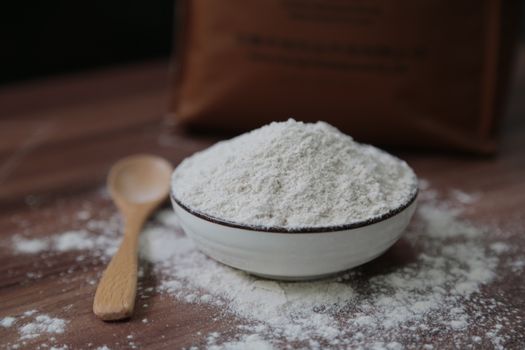 Photo: 军 胡 / Pexels
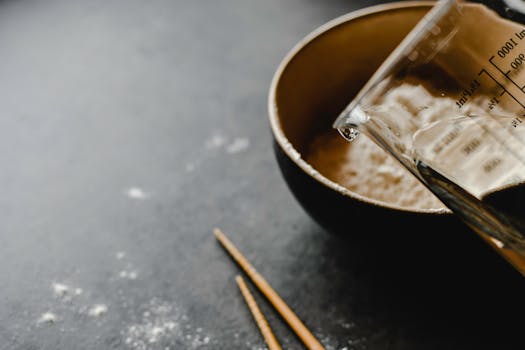 Photo: Eva Bronzini / Pexels
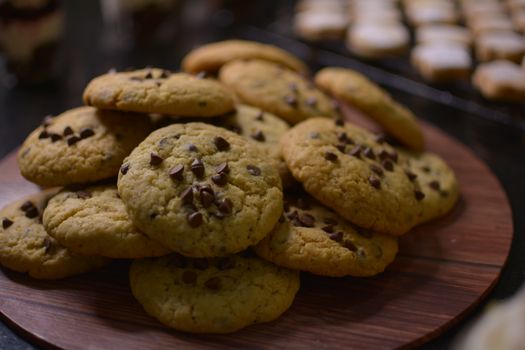 Photo: maria eugenia bedoya lopez / Pexels
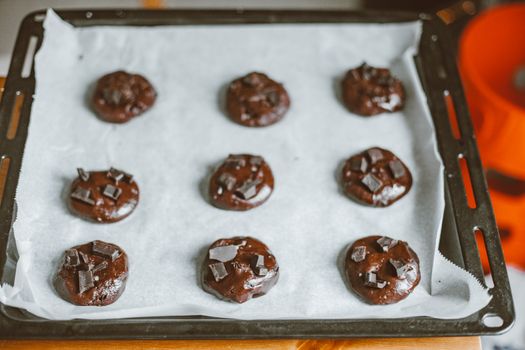 Photo: ROMAN ODINTSOV / Pexels