✓ Organic food has strict USDA certification requirements.
✓ Natural food has no formal USDA definition for most products.
✓ Organic means no synthetic pesticides, fertilizers, GMOs, or antibiotics.
✓ Natural generally implies minimal processing and no artificial ingredients, but is unregulated.
How It Works
1
Identify the 'USDA Organic' Seal
Look for the green and white seal on products. This is your definitive sign of certified organic ingredients and practices.
2
Check Ingredient Lists for 'Natural'
For 'natural' claims, scrutinize the ingredient list yourself. Ensure it contains only whole, recognizable components and no artificial additives.
3
Understand the Regulatory Gap
Remember that 'natural' is largely a marketing term, especially for packaged foods, and lacks federal oversight. Organic is a legally defined standard.
4
Prioritize Your Values
Decide what's most important to you: strict adherence to production standards (organic) or simply avoiding artificial ingredients (natural).
Demystifying Organic Food: The Gold Standard of Regulation
Photo: Kindel Media / Pexels
When you see the term 'organic' on a food product, especially accompanied by the prominent green and white USDA Organic seal, you're looking at an item that has undergone rigorous scrutiny and adhered to a comprehensive set of federal standards. This isn't just a marketing buzzword; it's a legally defined and regulated term in the United States, backed by the National Organic Program (NOP) of the U.S. Department of Agriculture (USDA). The NOP sets the rules for producing, handling, labeling, and enforcing all USDA organic products. For a product to be certified organic, it must meet specific criteria across various stages, from soil quality and pest control to livestock practices and processing methods. This includes a prohibition on synthetic pesticides, artificial fertilizers, genetically modified organisms (GMOs), irradiation, and sewage sludge in crop production. For animal products, organic means animals are raised without antibiotics or growth hormones, have access to the outdoors, and are fed 100% organic feed. The entire supply chain, from farm to table, must be free from prohibited substances and practices. This comprehensive approach ensures that 'organic' is a reliable indicator of how your food was grown and processed. Understanding these stringent requirements is the first step in appreciating the true value of organic food. It's a commitment to environmental stewardship, animal welfare, and avoiding certain synthetic inputs. Farmers and processors seeking organic certification must submit detailed plans, undergo annual inspections, and maintain meticulous records. This multi-layered system is designed to build consumer trust and protect the integrity of the organic label. Without this certification process, the term 'organic' would be as ambiguous as 'natural,' leading to widespread consumer confusion. The USDA Organic seal is your assurance that the product has met these high standards. It signifies a product that is not only free from specific prohibited substances but also produced with an emphasis on ecological balance and biodiversity. This commitment extends beyond the ingredients themselves to the very methods of production, distinguishing it significantly from other food labels. It's important to note that even a product labeled 'organic' can have different levels of organic content: '100% Organic,' 'Organic' (at least 95% organic ingredients), or 'Made with Organic Ingredients' (at least 70% organic ingredients). The USDA seal only appears on the first two categories. This level of detail underscores the regulated nature of organic claims, providing consumers with clear guidance. For many, choosing organic is a choice to support sustainable farming practices and to minimize exposure to synthetic chemicals and GMOs in their diet.
The Ambiguity of 'Natural' Food: A Marketing Maze
Photo: Digital Buggu / Pexels
In stark contrast to the tightly regulated world of organic food, the term 'natural' on food labels exists in a largely unregulated space, creating significant confusion for consumers. For most products, especially processed and packaged foods, the USDA has not established a formal definition for 'natural.' This means that a food product can be labeled 'natural' even if it contains ingredients that have been heavily processed, or if it comes from animals raised with antibiotics or growth hormones, or if it contains genetically modified organisms (GMOs). The general guideline from the FDA (which regulates most packaged foods, while USDA regulates meat, poultry, and egg products) is that 'natural' means nothing artificial or synthetic (including all color additives regardless of source) has been included in, or has been added to, the food that would not normally be expected to be in that food. However, this definition is vague and open to broad interpretation by manufacturers. For instance, high-fructose corn syrup, while derived from corn, is a highly processed ingredient, yet some manufacturers might still consider products containing it as 'natural' under their interpretation. The lack of a clear, legally enforceable standard means that the term 'natural' often serves more as a marketing tool than a reliable indicator of a food's quality, purity, or production methods. Consumers often associate 'natural' with 'healthy,' 'minimally processed,' or 'free from harmful substances,' but these assumptions are not guaranteed by the label. This ambiguity allows a wide range of products, from minimally processed fruits to packaged snacks with several processed components, to carry the 'natural' claim. The only exception to this broad lack of regulation for 'natural' claims is in the meat and poultry industry. For meat and poultry products, the USDA does have a definition: 'natural' means the product contains no artificial ingredients or colors and is only minimally processed. Minimal processing means the product has been processed in a manner that does not fundamentally alter the product. The label must also include a statement explaining the meaning of 'natural' (e.g., 'no artificial ingredients; minimally processed'). Even with this specific definition for meat and poultry, it's crucial to understand that 'natural' does not address how the animals were raised—whether they were given antibiotics, growth hormones, or had access to pastures. Therefore, a 'natural' chicken could still have been raised in conventional factory farm conditions, a far cry from the ethical and environmental standards associated with organic chicken. The takeaway is clear: when you see 'natural' on a food label, approach it with skepticism and always read the ingredient list to understand exactly what you're consuming. Do not equate 'natural' with 'organic' or even necessarily with 'healthy' without further investigation.
Key Distinctions: Production Standards vs. Ingredient Composition
Photo: Deon Black / Pexels
The fundamental difference between organic and natural food boils down to their regulatory frameworks and what each term specifically guarantees. Organic certification is a process-based standard, meaning it dictates *how* food is grown and processed. It encompasses everything from the soil composition and pest management techniques for crops to the feed, living conditions, and medical treatments for livestock. This holistic approach ensures that the entire lifecycle of an organic product adheres to strict environmental and ethical guidelines. For example, an organic apple isn't just an apple without synthetic pesticides; it's an apple grown in soil that hasn't been treated with prohibited substances for years, on a farm that practices crop rotation and biodiversity to maintain soil health. Similarly, organic milk comes from cows that have been fed organic feed, had access to pasture, and have not been treated with antibiotics or synthetic hormones. This comprehensive oversight is what gives the USDA Organic seal its authority and consumer trust. In essence, organic is about the journey of the food, not just its final destination on your plate. In contrast, 'natural' primarily focuses on the *composition* of the finished product, and even then, often only on the absence of artificial ingredients or colors. As discussed, there's no federal oversight for 'natural' claims on most packaged foods beyond the vague guideline about artificial ingredients. This means a 'natural' product could still contain ingredients that were grown with synthetic pesticides, derived from GMO crops, or processed using methods not permitted in organic production. The focus is on what's *in* the box, not *how* it got there. For instance, a 'natural' granola bar might boast whole grains and no artificial flavors, but those grains could have been grown using conventional methods involving synthetic fertilizers and pesticides. The nuts might be from trees sprayed with conventional chemicals, and the sweeteners could be highly refined sugars. The 'natural' label simply doesn't address these upstream production practices. This distinction is crucial for consumers who are concerned about environmental impact, animal welfare, or exposure to specific chemicals. If your priority is to avoid GMOs, synthetic pesticides, or antibiotics in animal products, then 'organic' is the label you should seek. 'Natural' offers no such guarantees. While 'natural' products might appeal to those looking to avoid obvious artificial additives, they fall far short of the comprehensive standards set by organic certification. Therefore, when making purchasing decisions, understand that 'organic' speaks to a rigorous, audited system of production, whereas 'natural' primarily refers to a limited aspect of ingredient composition, often self-declared by the manufacturer. One is a legally defined promise, the other is largely a marketing claim. Always remember that a product can be 'natural' without being organic, and vice versa, although many organic products would also qualify as natural. However, the organic label provides a much higher level of assurance regarding the entire production process. For more information on making informed choices, consider exploring resources on sustainable food systems.
Making Informed Choices: Tips for Navigating Food Labels
Photo: cottonbro studio / Pexels
Given the significant differences and ambiguities between organic and natural food labels, making informed choices requires a discerning eye and a proactive approach. Here are practical tips to help you navigate the grocery aisles with confidence:
* **Prioritize the USDA Organic Seal:** If avoiding synthetic pesticides, GMOs, antibiotics (in animal products), and supporting sustainable farming practices are your main concerns, always look for the USDA Organic seal. This is your most reliable indicator of adherence to strict federal standards. Don't be fooled by green packaging or terms like 'eco-friendly' alone; the seal is key.
* **Read Ingredient Lists Diligently for 'Natural' Products:** When a product is labeled 'natural,' assume nothing beyond the manufacturer's interpretation of 'no artificial ingredients.' Turn the package over and scrutinize the ingredient list. Look for whole, recognizable ingredients. If you see ingredients you can't pronounce, or a long list of additives, it may not align with your personal definition of 'natural,' regardless of the front-of-package claim. Be especially wary of sugars, oils, and highly processed components.
* **Understand the 'Made with Organic' Distinction:** Remember that a product labeled 'Made with Organic Ingredients' only requires 70% organic content. While better than nothing, it's not the same as 'Organic' (95% or more) or '100% Organic.' Choose according to your priorities and budget.
* **Consider Third-Party Certifications:** Beyond USDA Organic, some other certifications can offer additional assurances. For instance, 'Certified Humane' or 'Animal Welfare Approved' labels provide details about animal treatment, while 'Non-GMO Project Verified' specifically addresses the absence of GMOs. These can complement or provide alternatives to organic certification depending on your specific concerns.
* **Know Your Product Categories:** The 'natural' definition is slightly stricter for meat and poultry (no artificial ingredients or minimal processing) but still doesn't cover how animals were raised. For produce, 'natural' usually just means it's a fruit or vegetable, with no specific claims about how it was grown. Be aware of these nuances across different food types.
* **Balance Cost and Priorities:** Organic foods often come with a higher price tag due to the increased costs of production, certification, and smaller-scale farming. If your budget is a concern, consider prioritizing organic for the 'Dirty Dozen' (produce with the highest pesticide residue) and conventionally grown for the 'Clean Fifteen' (produce with the lowest pesticide residue), as identified by the Environmental Working Group (EWG). For other items, weigh the specific benefits of organic against your financial constraints.
* **Look Beyond the Label: Know Your Source:** Whenever possible, learn about the farms and producers behind your food. Local farmers' markets can be excellent places to ask direct questions about farming practices, even if they aren't USDA certified organic. Direct communication offers transparency that labels sometimes can't capture.
By adopting these strategies, you empower yourself to make more informed decisions that align with your health goals, ethical values, and budget, moving beyond the surface-level claims on food packaging.
Comparison
Feature
Organic Food
Natural Food (Most Packaged)
Natural Food (Meat/Poultry)
Regulatory Oversight
Strict USDA standards (NOP)
No formal USDA/FDA definition
USDA definition (minimal processing, no artificial ingredients)
Pesticides/Fertilizers
No synthetic pesticides/fertilizers
Permitted (conventional)
Permitted (conventional)
GMOs
Prohibited
Permitted
Permitted
Antibiotics/Hormones
Prohibited (livestock)
Permitted (livestock)
Permitted (livestock)
Artificial Ingredients
Prohibited
Generally prohibited (manufacturer's claim)
Prohibited
Processing
Minimal, specific methods allowed
Can be highly processed
Minimal processing only
Cost
Generally higher
Varies (can be similar to conventional)
Varies (can be similar to conventional)
What Readers Say
★★★★★
"This article finally clarified the difference between organic and natural food for me. I always assumed 'natural' was almost as good, but now I understand the strict regulations behind organic. It's truly eye-opening."
Sarah J. · Austin, TX
★★★★★
"As a parent, I'm constantly looking for the best options for my family. This guide to the difference between organic and natural food empowers me to make smarter choices at the grocery store. No more falling for vague 'natural' claims!"
Mark T. · Seattle, WA
★★★★★
"Thanks to this article, I've started prioritizing USDA Organic products, especially for produce and dairy. I feel more confident in what I'm buying, knowing the strict standards involved, which has definitely improved my peace of mind."
Emily R. · Miami, FL
★★★★★
"While I appreciate the deep dive into the difference between organic and natural food, I wish there was more discussion on the cost implications for families on a tighter budget. Still, a very valuable read."
David L. · Denver, CO
★★★★★
"I work in the food industry and even I learned new nuances about labeling from this piece. The clear distinction between process-based (organic) and ingredient-based (natural) standards is a game-changer for consumer education."
Jessica M. · Chicago, IL
Frequently Asked Questions
What is the single most important difference between organic and natural food?
The most important difference is regulation. Organic food is strictly regulated by the USDA with specific standards for farming and processing, ensuring no synthetic pesticides, GMOs, or antibiotics. 'Natural' food, for most products, has no formal federal definition or regulation, leaving its meaning largely up to the manufacturer.
Does 'natural' mean a product is healthier than conventional food?
Not necessarily. While 'natural' generally implies the absence of artificial ingredients, it doesn't guarantee the food is minimally processed, free of GMOs, or grown without synthetic pesticides. A 'natural' product can still be high in sugar, unhealthy fats, or heavily refined ingredients, so always check the nutrition label.
How can I tell if a food is truly organic?
To confirm a food is truly organic, look for the green and white 'USDA Organic' seal on the packaging. For multi-ingredient products, check the ingredient list for '100% Organic,' 'Organic' (meaning 95%+ organic ingredients), or 'Made with Organic Ingredients' (meaning 70%+ organic ingredients, but without the USDA seal on the front).
Is organic food always more expensive than natural food?
Organic food is generally more expensive than both conventional and 'natural' food due to the higher costs associated with organic farming practices, certification, and often smaller-scale production. 'Natural' food prices can vary widely, sometimes being similar to conventional items, but typically less than certified organic options.
Can a food be both organic and natural?
Yes, many organic foods would also qualify as 'natural' because organic standards prohibit artificial ingredients and promote minimal processing. However, a food can be 'natural' without being organic, as the 'natural' label doesn't require adherence to the strict farming and processing standards of organic certification.
Who should prioritize buying organic food?
Individuals concerned about exposure to synthetic pesticides, GMOs, antibiotics (in meat/dairy), growth hormones, and those who wish to support environmentally sustainable farming practices should prioritize buying organic food. It's also often recommended for pregnant women, young children, and those with compromised immune systems.
Are there any health risks associated with 'natural' food claims?
The primary risk with 'natural' food claims is consumer deception. Believing a product is healthier or purer than it is, simply because it's labeled 'natural,' can lead to poor dietary choices. Since the term is largely unregulated, it provides no guarantee against ingredients or processing methods that some consumers might wish to avoid.
What future trends might impact organic and natural food labeling?
Future trends may include increased consumer demand for transparency, potentially leading to clearer definitions for 'natural' or new third-party certifications. There's also a growing interest in 'regenerative organic' and 'biodynamic' labels, which go beyond current organic standards to focus on soil health and ecosystem regeneration, offering even stricter environmental guarantees.
Understanding the crucial difference between organic and natural food empowers you to make informed decisions about what you eat. Use this knowledge to navigate food labels confidently and choose products that truly align with your health values and dietary preferences. Start making smarter food choices today!
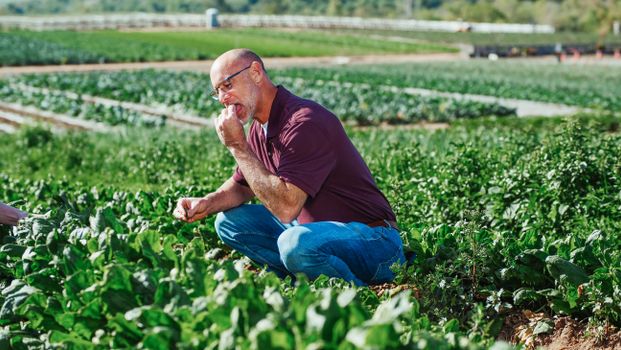 Photo: Kindel Media / Pexels
 Photo: Digital Buggu / Pexels
 Photo: Deon Black / Pexels
 Photo: cottonbro studio / Pexels