✓ Gluten and dairy are common allergens affecting millions in the US.
✓ Many chronic health conditions can benefit from a gluten-free and dairy-free diet.
✓ Eliminating gluten and dairy doesn't mean sacrificing flavor or variety.
✓ Processed foods often contain hidden gluten and dairy, making home cooking key.
How It Works
1
Understand Your Ingredients
Familiarize yourself with common gluten and dairy substitutes, such as almond flour, coconut milk, nutritional yeast, and gluten-free oats. Reading labels carefully is crucial to avoid hidden allergens.
2
Master Basic Swaps
Learn simple ingredient substitutions for your favorite dishes, like using gluten-free pasta or dairy-free cheese alternatives. This makes adapting existing recipes much easier and more intuitive.
3
Build a Core Recipe Collection
Start with a handful of reliable gluten-free dairy-free recipes for breakfast, lunch, and dinner that you enjoy. Expanding from a solid foundation prevents mealtime stress and encourages consistency.
4
Embrace Experimentation
Don't be afraid to try new ingredients and cooking methods. Many plant-based ingredients offer unique flavors and textures that can elevate your gluten-free dairy-free cooking to new heights.
Embracing a Gluten-Free and Dairy-Free Lifestyle
Photo: Gustavo Fring / Pexels
Adopting a gluten-free and dairy-free lifestyle can initially feel daunting, especially if you're new to managing dietary restrictions. However, for many, it's a necessary and incredibly beneficial change, driven by health concerns such as celiac disease, non-celiac gluten sensitivity, lactose intolerance, dairy allergies, or simply a desire to reduce inflammation and improve overall well-being. The good news is that the culinary landscape has evolved dramatically, offering an abundance of delicious and satisfying gluten-free dairy-free recipes that prove you don't have to compromise on taste or variety. This isn't just about exclusion; it's about inclusion – discovering new ingredients, flavors, and cooking techniques that can transform your relationship with food.
For those with celiac disease, consuming even small amounts of gluten can lead to severe intestinal damage and a host of debilitating symptoms. Similarly, dairy allergies can trigger life-threatening reactions, while lactose intolerance causes digestive discomfort. Beyond these specific diagnoses, many individuals report feeling better, experiencing improved digestion, increased energy, and reduced inflammation when they eliminate gluten and dairy from their diets. The challenge often lies in navigating the grocery store aisles and understanding how to adapt traditional recipes. This article aims to simplify that process, providing you with foundational knowledge, essential tips, and inspiring gluten-free dairy-free recipes to make your journey both manageable and enjoyable. We'll delve into the 'why' behind these dietary choices and, more importantly, the 'how' to thrive on them.
One of the biggest misconceptions is that a gluten-free, dairy-free diet is restrictive and bland. This couldn't be further from the truth. With the rise of plant-based eating and increased awareness around food sensitivities, the market is now flooded with innovative products and ingredients. From nutrient-dense flours like almond and oat to creamy dairy alternatives made from cashews, coconuts, and oats, the possibilities are endless. Learning to work with these ingredients opens up a world of culinary creativity. It encourages a return to whole, unprocessed foods, which is a health benefit in itself. We'll explore how to stock your pantry effectively, ensuring you always have the right components on hand to whip up a delicious, compliant meal. This proactive approach not only saves time but also reduces the temptation to resort to less healthy, pre-packaged options that might contain hidden allergens. The key is to view this dietary shift not as a limitation, but as an opportunity for culinary exploration and improved health. Discover more about healthy eating habits here.
Understanding the nutritional aspects is also vital. When removing gluten-containing grains and dairy products, it’s important to ensure you're still getting adequate vitamins, minerals, and fiber. For example, calcium can be sourced from fortified plant milks, leafy greens, and sesame seeds, while iron can be found in lentils, spinach, and quinoa. A well-planned gluten-free dairy-free diet can be incredibly nutrient-dense and supportive of overall health. Our recipes focus on incorporating a wide array of vegetables, fruits, lean proteins, and healthy fats to ensure balanced nutrition. This holistic approach ensures that while you're avoiding potential triggers, you're also actively nourishing your body with beneficial components. The goal is not just to survive on this diet, but to truly flourish.
Essential Gluten-Free Dairy-Free Pantry Staples
Photo: Alexy Almond / Pexels
Building a well-stocked pantry is the cornerstone of successful gluten-free and dairy-free cooking. Having the right ingredients on hand makes meal preparation quicker, less stressful, and ensures you're always prepared to create delicious, compliant dishes. Think of your pantry as your personal culinary arsenal, ready to tackle any recipe challenge. Let's break down the essential categories to focus on.
**Gluten-Free Flours and Grains:** This is perhaps the most critical section. Instead of traditional wheat flour, you'll want a variety of gluten-free alternatives. Almond flour and coconut flour are excellent for baking, providing distinct textures and flavors, and are often lower in carbs. Oat flour (ensure it's certified gluten-free) is fantastic for pancakes, muffins, and thickening. For all-purpose needs, a pre-mixed gluten-free all-purpose flour blend (often containing rice flour, potato starch, tapioca starch, and xanthan gum) is invaluable. Beyond flours, stock up on naturally gluten-free grains like quinoa, brown rice, wild rice, millet, and buckwheat. These are versatile bases for meals, offering complex carbohydrates and fiber. Gluten-free pasta, typically made from corn, rice, or legumes, is a must-have for comforting dishes.
**Dairy Alternatives:** The market for dairy-free products has exploded, offering incredible variety. For milk, consider unsweetened almond milk, oat milk, cashew milk, or coconut milk (both canned for richness and carton for drinking/cooking). Dairy-free yogurts made from coconut, almond, or oat milk are great for breakfasts and snacks. For cheese, while many options exist, focus on brands that melt well and have a good flavor profile for your specific needs (e.g., shredded mozzarella alternatives for pizza, or slices for sandwiches). Nutritional yeast is a fantastic, savory, cheesy-flavored seasoning that's dairy-free and packed with B vitamins. Dairy-free butter alternatives, often made from avocado, coconut, or palm oil, are excellent for cooking and baking.
**Healthy Fats and Oils:** Olive oil, avocado oil, and coconut oil are versatile staples for sautéing, roasting, and baking. Keep apple cider vinegar and various types of vinegar (balsamic, red wine) for dressings and marinades. Tahini, a sesame seed paste, is wonderful for sauces and spreads, offering healthy fats and a creamy texture. Nut and seed butters (almond, cashew, sunflower seed) are also fantastic sources of healthy fats and protein.
**Proteins and Legumes:** Canned beans (black beans, chickpeas, kidney beans), lentils, and split peas are budget-friendly, protein-packed, and fiber-rich additions to many meals. Tofu and tempeh are excellent plant-based protein sources for main dishes. For those who consume animal protein, ensure you have a good supply of lean meats, poultry, and fish, keeping in mind that many marinades and processed meats can contain hidden gluten or dairy. Eggs are also naturally gluten-free and dairy-free and incredibly versatile.
**Flavor Enhancers and Spices:** A robust collection of dried herbs and spices is crucial for adding depth to your gluten-free dairy-free recipes. Don't forget salt, pepper, garlic powder, onion powder, cumin, paprika, oregano, basil, and chili powder. Fresh herbs like parsley, cilantro, and basil can elevate any dish. Tamari (gluten-free soy sauce), coconut aminos, and various hot sauces are great for umami and spice. Stock up on natural sweeteners like maple syrup, honey, and dates. Having these ingredients readily available transforms cooking from a chore into an exciting creative process, ensuring every meal is flavorful and satisfying.
Delectable Gluten-Free Dairy-Free Recipe Ideas
Now that your pantry is stocked, let's dive into some truly delectable gluten-free dairy-free recipes that will excite your taste buds and prove that dietary restrictions don't mean culinary deprivation. These recipes are designed to be both delicious and approachable, suitable for weeknight dinners, special occasions, or simply satisfying your cravings. We'll cover a range of meal types to ensure you have options for any time of day.
**Breakfast Bliss:** Start your day right with a hearty and satisfying meal. Imagine a stack of fluffy **Gluten-Free Dairy-Free Pancakes** made with oat flour and almond milk, topped with fresh berries and a drizzle of maple syrup. For a savory option, try a **Tofu Scramble with Spinach and Mushrooms**. Sauté crumbled firm tofu with turmeric for color, nutritional yeast for cheesiness, and plenty of your favorite vegetables. Another fantastic choice is overnight oats made with gluten-free rolled oats, chia seeds, and your preferred dairy-free milk, flavored with cinnamon, fruit, and a touch of sweetener. These options are quick to prepare, packed with nutrients, and incredibly versatile, allowing for endless variations based on your personal preferences and what's in season. They demonstrate how easily traditional breakfast items can be adapted without losing their comforting appeal. Explore more breakfast ideas here.
**Lunchtime Legends:** For midday meals, ease and efficiency are key. A vibrant **Quinoa Salad with Roasted Vegetables and Lemon-Tahini Dressing** is both satisfying and light. Combine cooked quinoa with roasted broccoli, bell peppers, and cherry tomatoes, then toss with a tangy dressing made from tahini, lemon juice, garlic, and water. Another excellent option is a **Chickpea Salad Sandwich**. Mash chickpeas with dairy-free mayonnaise, celery, red onion, and herbs, then serve on gluten-free bread or in lettuce wraps. For something warm, a **Lentil Soup** is incredibly nourishing and can be made in a large batch for meal prepping throughout the week. These lunch ideas are designed to be flavorful, packed with plant-based protein and fiber, ensuring you stay full and energized without the post-lunch slump.
**Dinner Delights:** Dinner is often the meal where creativity shines. Picture a comforting **Creamy Tomato Pasta with Dairy-Free Sausage**. Use gluten-free pasta and create a rich sauce with crushed tomatoes, garlic, basil, and a splash of full-fat coconut milk or cashew cream for silkiness. Add pre-cooked dairy-free or plant-based sausage for extra protein and flavor. Another showstopper is **Sheet Pan Lemon Herb Salmon with Asparagus and Potatoes**. Simply toss salmon fillets, asparagus spears, and chopped potatoes with olive oil, lemon juice, and your favorite herbs (dill, parsley, thyme), then roast on a single sheet pan for an easy cleanup and maximum flavor. For a plant-based centerpiece, try **Black Bean Burgers on Gluten-Free Buns** with all the fixings, including dairy-free cheese, avocado, and a zesty salsa. These dinner recipes prove that a gluten-free dairy-free diet can be gourmet, comforting, and utterly delicious, making mealtime something to look forward to every day.
Tips for Successful Gluten-Free Dairy-Free Cooking
Navigating the world of gluten-free and dairy-free cooking can be a rewarding experience, but it comes with its own set of considerations. Here are some essential tips and common mistakes to avoid, ensuring your culinary journey is smooth and delicious:
**Tips for Success:**
* **Read Labels Diligently:** Gluten and dairy can hide in unexpected places, from soy sauce and salad dressings to spice blends and processed meats. Always check ingredient lists, even on products you've bought before, as formulations can change.
* **Prevent Cross-Contamination:** If you're cooking for someone with celiac disease or a severe allergy, cross-contamination is a serious concern. Use separate cutting boards, utensils, toasters, and even sponges. Clean surfaces thoroughly before preparing allergen-free meals.
* **Experiment with Flour Blends:** Don't rely solely on one gluten-free flour. Different flours (almond, coconut, oat, rice, tapioca, etc.) have distinct properties. Learn which flours work best for different applications – almond for moist cakes, rice for crispy coatings, tapioca for chewiness.
* **Embrace Plant-Based Fats:** For richness and flavor, use healthy fats like avocado oil, olive oil, and coconut oil. Dairy-free butter alternatives are great, but whole food fats offer more nutritional benefits.
* **Master Flavor Building:** When removing dairy, you might miss some of the richness. Nutritional yeast is your best friend for a cheesy flavor. Umami-rich ingredients like mushrooms, sun-dried tomatoes, and tamari can add depth. Don't shy away from fresh herbs and spices.
* **Batch Cook and Meal Prep:** Prepare larger quantities of staple ingredients like cooked grains (quinoa, brown rice), roasted vegetables, or a big batch of soup. This saves time during the week and ensures you always have compliant options available.
* **Hydration is Key:** Gluten-free flours can absorb more liquid than wheat flour, so you might need to adjust liquid amounts in baking recipes. Dairy-free milks can also vary in thickness, impacting the final consistency of your dish.
**Common Mistakes to Avoid:**
* **Substituting 1:1 with Gluten-Free Flour:** This rarely works. Gluten-free flours behave differently than wheat flour, often requiring binders like xanthan gum (which is often pre-mixed in GF all-purpose blends) or additional moisture.
* **Neglecting Fiber:** When removing whole wheat, ensure you're getting enough fiber from other sources like fruits, vegetables, legumes, and gluten-free whole grains.
* **Over-reliance on Processed GF/DF Foods:** While convenient, many pre-made gluten-free and dairy-free products can be high in sugar, unhealthy fats, and additives. Focus on whole, unprocessed ingredients as much as possible.
* **Forgetting Hidden Ingredients:** As mentioned, dairy and gluten can appear in unexpected places. Be vigilant with labels, especially for sauces, marinades, and seasonings.
* **Giving Up Too Soon:** It takes time to adapt to new cooking methods and ingredient profiles. Don't get discouraged by a few failed attempts. View them as learning opportunities and keep experimenting.
* **Not Planning Ahead:** Spontaneous eating out or unplanned meals can lead to accidentally consuming allergens. Always have a plan, whether it's packing snacks or researching restaurant menus in advance.
By keeping these tips in mind and avoiding common pitfalls, you'll find gluten-free dairy-free cooking to be an empowering and delicious experience.
Comparison
Feature
Best Option (GF/DF)
Traditional Option
Alternative 2 (GF/DF)
Bread Base
Almond Flour Bread
Wheat Flour Bread
Gluten-Free Oat Bread
Creaminess in Sauces
Cashew Cream
Heavy Cream
Full-Fat Coconut Milk
Cheese Substitute
Nutritional Yeast
Dairy Cheese
Dairy-Free Shreds
Baking Flour
Gluten-Free All-Purpose Blend
All-Purpose Wheat Flour
Coconut Flour
What Our Readers Say
5★★★★★
"These gluten-free dairy-free recipes have been a game-changer for my family! My son has multiple allergies, and we finally have delicious meals he can enjoy without worry. The creamy tomato pasta is a weekly favorite."
Sarah J.Austin, TX
5★★★★★
"I thought going gluten-free and dairy-free would mean bland food, but these recipes proved me wrong. The flavor combinations are incredible, and I've never felt better. The sheet pan salmon recipe is so easy and flavorful."
Mark D.Seattle, WA
5★★★★★
"After struggling with digestive issues for years, I tried these recipes, and my symptoms have significantly improved. I've lost weight and have more energy, all while eating truly delicious food. The breakfast ideas are my go-to."
Emily R.Denver, CO
4★★★★☆
"While most recipes are fantastic, a few required slight adjustments to my taste preferences, which is common with any new diet. However, the foundational advice and variety provided are truly invaluable for anyone on this journey."
David L.Miami, FL
5★★★★★
"As a busy professional, I appreciate how many of these gluten-free dairy-free recipes are suitable for meal prepping. It's made sticking to my diet so much easier and has saved me a ton of time during the week. Highly recommend!"
Jessica M.Chicago, IL
Frequently Asked Questions
What are the biggest challenges of cooking gluten-free and dairy-free?
The biggest challenges often involve learning new ingredients, understanding potential cross-contamination, and adapting traditional recipes. It takes time to familiarize yourself with gluten-free flours and dairy-free substitutes, but with practice, it becomes second nature. Reading labels carefully is also crucial to avoid hidden allergens in processed foods.
Will I miss the taste and texture of my favorite foods?
While some textures and flavors will be different, modern gluten-free and dairy-free ingredients have come a long way. Many substitutes closely mimic their traditional counterparts, and with creative cooking, you can achieve incredibly satisfying and delicious results. You'll likely discover new favorite foods you never knew existed!
How can I make gluten-free dairy-free baking successful?
Successful gluten-free dairy-free baking requires understanding the properties of different flours and often using binders like xanthan gum (if not in your blend). Ensure ingredients are at room temperature, measure accurately, and don't overmix. Using recipes specifically designed for GF/DF baking will yield the best results.
Is eating gluten-free and dairy-free more expensive?
It can be, especially if you rely heavily on pre-made specialty products. However, focusing on whole, naturally gluten-free and dairy-free foods like fruits, vegetables, lean proteins, legumes, and grains like rice and quinoa can be very cost-effective. Batch cooking and meal prepping also help manage costs.
How do gluten-free dairy-free alternatives compare nutritionally to their traditional counterparts?
It varies. Some alternatives, like almond milk, may be lower in calories and protein than dairy milk but can be fortified with calcium and vitamin D. Gluten-free grains like quinoa offer excellent protein and fiber. It's important to choose nutrient-dense alternatives and ensure a balanced diet rich in whole foods to meet nutritional needs.
Who should consider gluten-free dairy-free recipes?
Anyone with celiac disease, non-celiac gluten sensitivity, dairy allergy, or lactose intolerance should definitely consider these recipes. Additionally, many individuals choose this diet for general wellness, to reduce inflammation, improve digestion, or as part of an autoimmune protocol. Consult a healthcare professional or registered dietitian for personalized advice.
Are there any risks to going gluten-free and dairy-free?
If not done thoughtfully, a poorly planned gluten-free dairy-free diet can lead to nutritional deficiencies, particularly in fiber, B vitamins, calcium, and vitamin D. It's crucial to ensure you're consuming a wide variety of nutrient-dense whole foods and fortified alternatives. Consulting a dietitian can help mitigate these risks.
What are the future trends in gluten-free dairy-free cooking?
The future of gluten-free dairy-free cooking is exciting, with trends pointing towards more innovative plant-based proteins, advanced fermentation techniques for dairy alternatives that mimic traditional dairy more closely, and an increased focus on gut-health-supporting ingredients. Expect even more delicious and accessible options in the coming years.
Ready to transform your kitchen and your health? Dive into the world of delicious gluten-free dairy-free recipes today. Discover how easy and satisfying it can be to eat well, without compromise, and feel your best every single day.

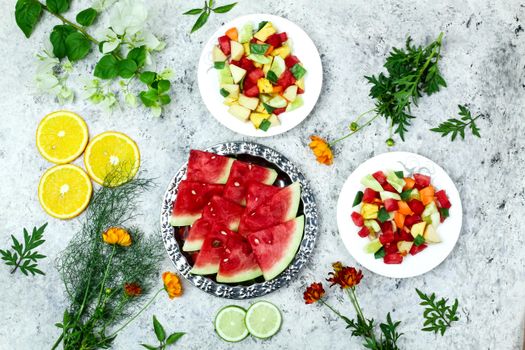 Photo: Tamanna Rumee / Pexels
 Photo: Gustavo Fring / Pexels
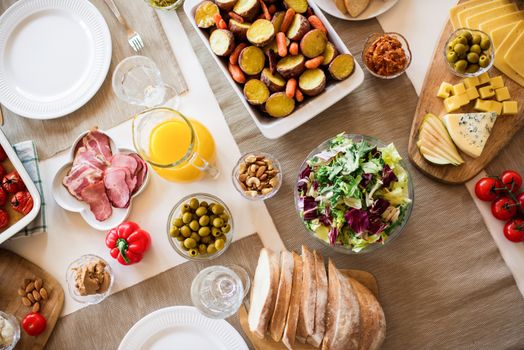 Photo: Alexy Almond / Pexels