Car rental Portugal accident protocol: Your US foodie guide
Car rental Portugal accident protocol

Car rental Portugal accident protocol: Your US foodie guide

Master the unexpected to ensure your Portuguese culinary journey remains delightful and stress-free, no matter what happens on the road.

Prepare for Peace of Mind

Key Takeaways

  • ✓ Always carry your rental agreement, driver's license, and passport.
  • ✓ Report all accidents to the police (112) and your rental company immediately.
  • ✓ Document everything: photos, witness details, police report number.
  • ✓ Understand your insurance coverage before you leave the US.

How It Works

1
Pre-Trip Planning & Insurance

Before even stepping foot in Portugal, thoroughly review your car rental agreement and understand all insurance options. Confirm coverage from your US credit card or personal auto insurance and consider additional rental company policies.

2
Immediate Accident Response

In case of an accident, prioritize safety. Move to a safe location if possible, check for injuries, and immediately call the emergency services (112) for police and medical assistance if needed.

3
Documentation & Reporting

Document the scene meticulously with photos and gather all relevant information, including other drivers' details and witness contacts. Crucially, obtain a police report and inform your car rental company promptly.

4
Post-Accident Follow-Up

Follow your rental company's instructions for vehicle repair or replacement. Keep detailed records of all communications and expenses to facilitate claims with your insurance providers upon returning to the US.

Understanding Your Portugal Car Rental Insurance Options

Asian delivery woman handing paper bag through car window with man inside, suburban Portugal setting. Photo: Kampus Production / Pexels
Embarking on a culinary journey through Portugal, from the sun-drenched Algarve to the historic streets of Lisbon and the Douro Valley’s wine country, often means renting a car. For US foodies, the freedom to explore hidden taverns and remote vineyards is invaluable. However, understanding the intricacies of car rental Portugal accident protocol begins long before you pick up the keys – it starts with insurance. Navigating the myriad of insurance options can be daunting, but it's a critical step in protecting your travel investment and peace of mind. Typically, when renting a car in Portugal, you'll encounter several types of insurance. The most common is Collision Damage Waiver (CDW) or Loss Damage Waiver (LDW). This isn't technically insurance but a waiver that relieves you of financial responsibility for damage to the rental car, often with an excess (deductible) that can be substantial. It's crucial to understand what this excess is and whether you can reduce it by purchasing Super CDW or a similar product that lowers or eliminates the deductible. This is especially pertinent if you plan on driving on Portugal's narrower, sometimes challenging, rural roads in search of that perfect pastéis de nata or a hidden seafood restaurant. Beyond CDW, you'll need to consider Third-Party Liability (TPL) insurance, which is mandatory in Portugal and covers damages or injuries you might cause to other people or their property. Most rental agreements include a basic level of TPL, but the coverage limits might be lower than what you're accustomed to in the US. Supplemental Liability Insurance (SLI) can be purchased to increase these limits, offering greater protection. Personal Accident Insurance (PAI) covers medical expenses and accidental death benefits for you and your passengers, a good consideration given that your US health insurance might have limitations abroad. Lastly, theft protection (TP) is often bundled with CDW but should be confirmed. Some US credit cards offer car rental insurance as a benefit, typically covering CDW/LDW. However, this coverage is usually secondary, meaning it kicks in after your primary insurance (if you have any) and often excludes certain vehicle types or scenarios. It's imperative to call your credit card company before your trip to understand their specific terms, conditions, and any limitations. Similarly, your personal US auto insurance policy might offer some coverage for international rentals, but this is less common and should be verified directly with your insurer. A comprehensive understanding of these options will empower you to make informed decisions and ensure you're adequately covered, allowing you to focus on the delicious journey ahead.

Immediate Steps After a Car Accident in Portugal
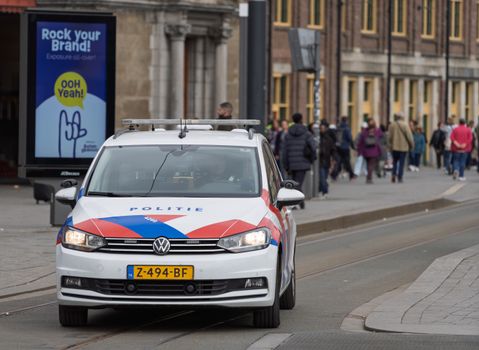
A Dutch police car on a bustling city street, capturing daily life and urban security. Photo: Martijn Stoof / Pexels
Even the most meticulous planning can’t prevent every unforeseen event, especially when driving in a new country. If you find yourself involved in a car accident in Portugal, staying calm and following a clear protocol is paramount. Your immediate actions can significantly impact the safety of all involved and the subsequent claims process. First and foremost, ensure the safety of yourself and your passengers. If the vehicle is drivable and it's safe to do so, move it to the side of the road or a safe shoulder to prevent further incidents. Turn on your hazard lights and set up a warning triangle (which should be provided with your rental car) at an appropriate distance to alert oncoming traffic. Check for injuries – yours, your passengers', and anyone else involved. If there are any injuries, even minor ones, or if there's significant damage to the vehicles, immediately call Portugal's emergency services by dialing 112. This is the equivalent of 911 in the US and will connect you to police, fire, and ambulance services. Clearly state your location and the nature of the emergency. While waiting for emergency services, do not admit fault or make any statements that could be construed as such. Exchange information with the other driver(s) involved. You'll need their name, address, contact number, driver's license number, vehicle registration number, and their insurance company details and policy number. If there are witnesses, politely ask for their contact information as well. Crucially, document the scene extensively. Use your smartphone to take numerous photos and videos from various angles – capture the positions of the vehicles, damage to all cars involved, road conditions, traffic signs, and any relevant landmarks. The more visual evidence you have, the better. When the police arrive, they will assess the situation and generate an official police report (Auto de Ocorrência or Participação de Acidente de Viação). This report is absolutely vital for your insurance claim and for the car rental company. Make sure you obtain the police report number and, if possible, a copy of the report itself before leaving the scene. Do not leave the scene of an accident, especially if there are injuries or significant damage, until the police have given you permission to do so. Only after attending to safety, contacting emergency services, and thoroughly documenting the scene should you contact your car rental company to inform them of the incident. This immediate and thorough response is a critical component of the car rental Portugal accident protocol and will streamline your recovery process, allowing you to hopefully resume your quest for the perfect caldo verde or bacalhau.

Our partners at Rental Car Portugal offer related services.

Post-Accident Procedures and Navigating Rental Company Requirements

Once the immediate aftermath of an accident in Portugal has been handled – safety secured, emergency services contacted, and documentation gathered – the next crucial step is to navigate the requirements of your car rental company. This phase of the car rental Portugal accident protocol is where many travelers encounter challenges, especially if they haven't thoroughly reviewed their rental agreement beforehand. You should have contacted your rental company from the scene, but if you haven't, do so as soon as possible. They will provide specific instructions on what to do next. This typically involves filling out an accident report form provided by them, which might be called a 'Declaração Amigável de Acidente Automóvel' (DAAA) if it was a minor collision with another vehicle and both parties agreed on the facts. Even if the police were involved, the rental company will still require their own internal report. The rental company will advise you on the next steps for the damaged vehicle. Depending on the severity of the damage and your location, they might arrange for a tow, provide a replacement vehicle, or instruct you to bring the car to a specific service center. It’s important to understand their policy regarding replacement vehicles, especially concerning additional costs or insurance implications. Keep all receipts for any expenses incurred due to the accident, such as towing fees, taxi fares, or temporary accommodation, as these might be reimbursable by your insurance or the rental company, depending on your coverage. Throughout this process, maintain meticulous records of all communications with the rental company, including names of representatives, dates, times, and summaries of discussions. Email correspondence is often preferable as it provides a written trail. Forward them copies of the police report, your photos, and any other documentation you collected. This comprehensive record-keeping is invaluable when you return to the US and begin the process of filing claims with your personal auto insurance, credit card company, or travel insurance. Remember that the rental company’s primary concern is their vehicle and their standard operating procedures. While they might offer assistance, their priority is not necessarily your personal comfort or convenience. Therefore, being proactive and informed about your rights and responsibilities, as outlined in your rental agreement, is key. If you have any doubts or feel overwhelmed, consider contacting your travel insurance provider or even your country's embassy or consulate in Portugal for guidance. Successfully navigating these post-accident procedures ensures that, despite the setback, you can resume your Portuguese adventure, perhaps with a renewed appreciation for the country's resilience and the comforting taste of a francesinha.

Avoiding Common Pitfalls and Ensuring a Smooth Resolution

While no one plans for an accident, being aware of common pitfalls and taking proactive steps can significantly smooth the resolution process if one occurs during your Portuguese culinary road trip. One major mistake US travelers make is not thoroughly understanding their insurance coverage before they leave home. Assuming your US auto insurance or credit card automatically covers everything in Portugal can lead to costly surprises. Always get written confirmation of your coverage, including deductibles and exclusions, from your providers. Another common pitfall is failing to document sufficiently. In the stress of an accident, it’s easy to overlook details. Take more photos than you think you need, from all angles, including close-ups of damage and wider shots showing the general scene. Note down exact locations, times, and weather conditions. Failure to obtain a police report, especially for significant incidents, is a critical error. Without this official document, proving the circumstances of the accident to your rental company or insurance provider can become incredibly difficult. Always insist on a police report, even if it seems like a minor fender bender. Don't be afraid to ask for help from locals if there's a language barrier; many Portuguese speak English, especially in tourist areas. Here are crucial tips to ensure a smoother resolution: * **Read the Fine Print:** Before signing, meticulously review your car rental agreement for clauses related to accidents, reporting procedures, and your responsibilities. Pay close attention to the excess/deductible amount on your CDW. * **Emergency Kit Check:** Before driving off, ensure your rental car has a reflective vest and a warning triangle, both mandatory in Portugal and essential for safety after a breakdown or accident. * **Keep Key Contacts Handy:** Store the emergency number (112), your rental company's roadside assistance number, and your insurance provider's international claims number in your phone and on a physical piece of paper. * **Language Barrier Preparedness:** Consider downloading a translation app or learning a few key Portuguese phrases related to emergencies. This can be invaluable when communicating with police or other drivers. * **Don't Settle on the Spot:** Never agree to pay for damages directly to the other party involved in an accident, even if it seems minor. Always follow official channels through the police and insurance providers. * **Document All Expenses:** Keep detailed records and receipts for any out-of-pocket expenses resulting from the accident (e.g., tow fees, replacement transportation, medical costs). These will be crucial for any reimbursement claims. * **Follow Up Diligently:** Once back home, promptly follow up with your insurance companies and credit card providers to initiate claims. Be prepared to provide all documentation you collected during your trip. Proactive communication and thorough documentation are your best allies in navigating the car rental Portugal accident protocol, allowing you to eventually reminisce about your delicious culinary discoveries rather than accident headaches.

Comparison

FeatureRental Company Basic CDWCredit Card CoverageThird-Party Rental InsurancePersonal US Auto Insurance
Damage to Rental Car✓ (with deductible)✓ (secondary, usually no deductible)✓ (often zero deductible)✗ (rarely covers international)
Third-Party Liability✓ (basic limits)✗ (almost never covers)✗ (must be purchased separately)✗ (rarely covers international)
Theft Protection✓ (often bundled)✓ (secondary)✓ (often bundled)
Roadside Assistance✓ (often extra cost)
Medical Expenses (PAI)✗ (often extra cost)✓ (if policy includes international)

What Readers Say

"My family and I were driving near Porto to find a specific winery when we had a minor fender bender. Following the car rental Portugal accident protocol outlined in this guide made a huge difference. The police report and photos I took were invaluable for the rental company."

Sarah J. · Austin, TX

"I was nervous about driving in a foreign country, but this article's advice on insurance options saved me. When a small incident occurred in Lisbon, knowing my credit card's secondary coverage limitations helped me choose the right rental company insurance from the start."

Mark D. · Chicago, IL

"We were on a foodie tour in Alentejo when a deer ran into our rental. It was chaotic, but because I had all the emergency numbers and knew to call 112 immediately, the situation was handled efficiently. The rental company got us a replacement car within hours, and our trip continued with minimal disruption."

Emily R. · San Francisco, CA

"The information on documentation was excellent. I wish I had read the part about getting a physical copy of the police report, as getting it electronically after returning to the US proved a bit challenging. Still, the overall guidance on car rental Portugal accident protocol was very helpful."

David L. · Miami, FL

"As a solo traveler, preparing for the unexpected is key. This guide gave me peace of mind about driving through Portugal's culinary regions. Thankfully, I didn't have an accident, but knowing the car rental Portugal accident protocol meant I could relax and enjoy every moment, from the markets to the Michelin stars."

Jessica M. · New York, NY

Frequently Asked Questions

What is the absolute first thing I should do if I have a car accident in Portugal?

Your absolute first priority is safety. Move your vehicle to a safe location if possible, turn on hazard lights, and check for injuries. Immediately call Portugal's emergency services by dialing 112 for police and medical assistance if needed. Do not leave the scene, especially if there are injuries or significant damage, until authorized by the police.

Will my US car insurance or credit card cover me for an accident in Portugal?

It depends. Many US personal auto insurance policies do not extend coverage internationally for rental cars. Some credit cards offer secondary Collision Damage Waiver (CDW) or Loss Damage Waiver (LDW) coverage, but typically exclude third-party liability. You must contact your specific providers before your trip to confirm their international policies and any limitations.

How do I report an accident to my car rental company in Portugal?

After ensuring safety and contacting emergency services (112), locate the emergency contact number for your specific rental company, usually found on your rental agreement or key fob. Call them as soon as reasonably possible to report the incident and follow their instructions regarding accident reports, vehicle recovery, and potential replacement cars.

What are the potential costs if I'm involved in an accident in Portugal without full coverage?

Without adequate coverage, you could be responsible for the full cost of damages to the rental vehicle, any third-party property damage or injuries, and potentially administrative fees from the rental company. Deductibles on basic CDW can be high, often ranging from hundreds to over a thousand euros, which you would pay out of pocket.

Is it better to purchase insurance directly from the rental company or from a third-party provider?

Both options have pros and cons. Rental company insurance is convenient and often means less hassle if an incident occurs, but it can be more expensive. Third-party rental car insurance providers often offer more comprehensive coverage at a lower price, sometimes with zero deductible, but you usually pay out-of-pocket first and then claim reimbursement.

Who should be particularly diligent about understanding car rental Portugal accident protocol?

Anyone planning a road trip through Portugal, especially US citizens who may not be familiar with European driving laws or insurance nuances, should be diligent. This includes foodies exploring diverse regions, families on vacation, and solo adventurers, as proper preparation ensures a smoother trip even if unforeseen events occur.

What are the biggest risks I face if I don't follow the proper accident protocol?

The biggest risks include being held fully liable for significant repair costs, facing legal issues if you don't report correctly, delays in resolving claims, potential loss of your travel deposit, and considerable stress and disruption to your travel plans. Incomplete documentation or failure to report can invalidate your insurance claims.

How might technology impact car rental accident protocols in the future?

Future protocols may increasingly leverage technology like in-car telematics for automatic accident detection and reporting, integrated apps for streamlined documentation and communication with rental companies and emergency services, and advanced driver-assistance systems (ADAS) to help prevent accidents in the first place, making the process more efficient and safer.

Don't let the unexpected derail your dream culinary adventure in Portugal. By understanding and preparing for the car rental Portugal accident protocol, you empower yourself to travel with confidence. Take the time to review your insurance, know your steps, and ensure your journey is filled with delicious memories, not stress.

Topics: Car rental Portugal accident protocolPortugal car rental insurancedriving in Portugal tipsPortugal travel safetyfoodie road trip Portugal
Leo List
Brampton weed
Adultwork