Top Vegan Protein Powder Reviews: Fuel Your Plant-Based Life
August 21, 2026 16 min read 3,132 words
Uncover the ultimate guide to selecting the best plant-based protein powders for your health and fitness goals.
Find Your Perfect Protein!
Understanding Vegan Protein Sources: A Deep Dive
 Photo: https://kaboompics.com/ / Pexels
The world of vegan protein powders is vast and varied, offering a plethora of options for individuals committed to a plant-based lifestyle, or simply looking to diversify their protein intake. Unlike animal-derived proteins, which are often considered 'complete' in their amino acid profile, many individual plant proteins may be lacking in one or more essential amino acids. However, this is not a cause for concern. The beauty of plant-based nutrition lies in combining different sources to achieve a complete amino acid profile throughout the day. This strategic combination is often what makes the best vegan protein powders so effective. For instance, pea protein, known for its high branched-chain amino acid (BCAA) content, is frequently paired with rice protein, which is rich in methionine. This synergy creates a comprehensive amino acid profile that rivals animal proteins in supporting muscle repair, growth, and overall bodily functions. Other popular sources include hemp protein, celebrated for its omega-3 and omega-6 fatty acid content and fiber, and soy protein, a long-standing staple in vegetarian and vegan diets, offering a complete amino acid profile on its own. The choice among these sources often comes down to personal preference, digestibility, and specific dietary needs or restrictions. Some individuals might find pea protein slightly gritty, while others appreciate its neutral flavor. Rice protein is often hypoallergenic, making it a good choice for those with sensitivities. Hemp protein boasts a distinctive earthy flavor that some enjoy, while others prefer more neutral options. Soy protein, while complete, can be a concern for those avoiding soy due to allergies or hormonal considerations. Our in-depth vegan protein powder reviews will explore these nuances, helping you navigate the options. Beyond the primary protein source, many premium vegan protein powders incorporate blends of various plant proteins to ensure a superior amino acid profile and a more balanced nutritional punch. These blends often include ingredients like quinoa, cranberry, or even algae-derived proteins, each contributing unique nutritional benefits. The goal is always to provide a protein source that is not only effective for muscle synthesis and recovery but also easily digestible and free from common allergens. When evaluating different products, it's crucial to look beyond just the protein content per serving. Consider the source of the protein, whether it's organic, non-GMO, and free from artificial sweeteners, colors, and fillers. The quality of the ingredients directly impacts the effectiveness and health benefits of the powder. Many brands are now focusing on creating products that are not only high in protein but also enriched with digestive enzymes to aid absorption, or probiotics to support gut health, further enhancing their value. Understanding these foundational aspects of vegan protein sources is the first step towards making an informed decision when sifting through the numerous vegan protein powder reviews available. It empowers you to choose a product that aligns with your health goals, dietary preferences, and ethical considerations. For more insights into plant-based eating, check out our guide on
sustainable food choices. This foundational knowledge will be invaluable as we delve into specific product evaluations. The ultimate aim is to find a protein powder that seamlessly integrates into your daily routine, providing the necessary building blocks for a healthy, active, and plant-powered life.
Key Factors in Choosing the Best Vegan Protein Powder
 Photo: ready made / Pexels
Selecting the 'best' vegan protein powder is a highly personal journey, influenced by a variety of factors that extend beyond just the protein content. To truly make an informed decision, it's essential to consider several key aspects that impact a product's effectiveness, taste, and overall suitability for your lifestyle. First and foremost is the amino acid profile. While individual plant proteins may be incomplete, the best vegan protein powders are formulated to provide all nine essential amino acids. This is often achieved through strategic blending, as discussed previously (e.g., pea and rice protein). Always look for products that clearly state their amino acid profile or confirm they offer a complete protein. This ensures your body has all the necessary building blocks for muscle repair, hormone production, and enzyme function. Next, consider the presence of added ingredients. Many protein powders include artificial sweeteners, flavors, or colors to enhance palatability. For those seeking a cleaner product, opt for powders sweetened with natural alternatives like stevia, monk fruit, or even unsweetened varieties that allow you to control the flavor. Be wary of excessive fillers or proprietary blends that don't disclose the exact amounts of each ingredient. Transparency in labeling is a hallmark of a high-quality product. Digestibility is another critical factor. Some individuals experience bloating, gas, or stomach discomfort with certain protein sources. Pea protein, while popular, can be challenging for some. Rice protein is generally considered highly digestible and hypoallergenic. Hemp protein contains fiber, which can aid digestion but might also cause mild discomfort for sensitive individuals. Looking for powders that include digestive enzymes (like papain or bromelain) can significantly improve nutrient absorption and reduce digestive issues. These enzymes help break down protein into smaller, more easily absorbed peptides. Taste and mixability are, for many, deal-breakers. A protein powder can have the best nutritional profile, but if it tastes terrible or clumps relentlessly, you're unlikely to consistently use it. Read vegan protein powder reviews specifically addressing these aspects. Brands have made significant strides in improving the taste and texture of plant-based proteins, but preferences vary widely. Some prefer creamy, milkshake-like textures, while others like thinner, more watery consistency. Experimenting with smaller sizes or samples can prevent investing in a large tub you won't enjoy. Finally, certifications and third-party testing offer an invaluable layer of assurance regarding product quality and safety. Look for certifications such as USDA Organic, Non-GMO Project Verified, or certifications for being gluten-free or soy-free if these are concerns for you. Third-party testing, often indicated by seals from organizations like NSF Certified for Sport or Informed-Sport, verifies that the product contains what it claims and is free from contaminants, heavy metals, and banned substances. This is particularly important for athletes or anyone prioritizing purity. By diligently evaluating these factors – amino acid profile, added ingredients, digestibility, taste/mixability, and certifications – you can confidently navigate the crowded market of vegan protein powders and select a product that not only meets your protein needs but also supports your overall health and well-being.
Top Vegan Protein Powder Reviews: Our Picks for 2024
 Photo: https://kaboompics.com/ / Pexels
After extensive research, ingredient analysis, and a thorough review of user feedback, we've compiled a list of our top vegan protein powder picks for 2024. These selections stand out for their superior nutritional profiles, ingredient quality, taste, and overall value. Remember, individual preferences vary, so consider these as highly recommended starting points for your own exploration.
**1. Garden of Life Sport Organic Plant-Based Protein:** This consistently ranks high in vegan protein powder reviews for good reason. It's a blend of organic pea, sprouted brown rice, and other plant proteins, providing a complete amino acid profile. It boasts 30g of protein per serving, along with 5g of BCAAs and 5g of glutamine, making it excellent for post-workout recovery. Users frequently praise its smooth texture and pleasant, natural flavors (especially vanilla and chocolate), though some find it a bit sweet. It's also third-party certified, organic, non-GMO, and free from common allergens. The inclusion of digestive enzymes further aids absorption and reduces potential stomach upset. Its commitment to clean ingredients and athletic performance makes it a top contender for serious fitness enthusiasts.
**2. Orgain Organic Plant-Based Protein Powder:** Orgain has carved out a significant niche with its accessible and delicious vegan protein options. Their flagship product features a blend of pea, brown rice, and chia seed proteins, delivering 21g of protein per serving. It's USDA organic, non-GMO, and free from soy and gluten. What sets Orgain apart for many is its taste and mixability; it's often cited as one of the best-tasting plant proteins, dissolving well in water, smoothies, or plant milk without grittiness. It's a fantastic all-rounder for general wellness, meal replacement, or moderate post-workout needs. The vanilla bean and chocolate fudge flavors are particularly popular. While it has slightly less protein per serving than some 'sport' specific powders, its excellent palatability makes it a consistent choice for daily use.
**3. Myprotein Vegan Blend:** For those seeking a high-protein, cost-effective option, Myprotein's Vegan Blend is a strong candidate. This blend typically combines pea and faba bean protein, offering a robust amino acid profile and around 22g of protein per serving. Myprotein is known for its wide array of flavors, from classic chocolate and vanilla to more adventurous options like coffee caramel. While some flavors are hit-or-miss, the core offerings are generally well-received. It's also often competitively priced, making it a great option for budget-conscious consumers who don't want to compromise on protein quality. Users often recommend blending it thoroughly for the best texture. It's a reliable choice for muscle building and general protein supplementation, particularly when purchasing larger quantities.
**4. Transparent Labs Vegan Rice & Pea Protein:** As its name suggests, Transparent Labs prides itself on full ingredient transparency. This powder combines organic pea protein isolate and organic rice protein concentrate to provide 24g of complete protein per serving. It's sweetened with stevia and contains no artificial colors, flavors, or preservatives. The brand also provides third-party testing results directly on their website, offering peace of mind regarding purity and potency. While the flavor options are more limited (typically chocolate and vanilla), they are generally well-regarded for their natural taste. This option is particularly appealing to those who prioritize minimal, high-quality ingredients and complete transparency from their supplement brands. It's an excellent choice for athletes and health-conscious individuals who want to know exactly what they're putting into their bodies. For more dietary considerations, consult our guide on
healthy eating patterns.
Common Mistakes and Smart Tips When Using Vegan Protein Powder
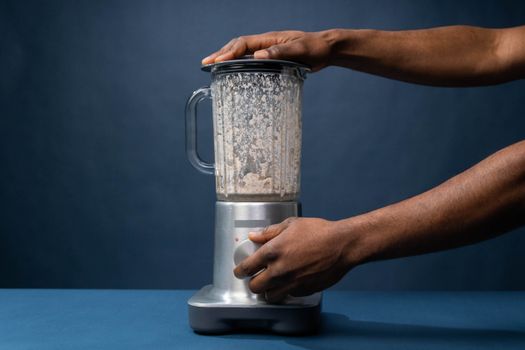 Photo: cottonbro studio / Pexels
Even with the best vegan protein powder, how you use it can significantly impact your results and overall experience. Avoiding common pitfalls and adopting smart strategies will help you maximize the benefits of your plant-based protein.
**Common Mistakes to Avoid:**
* **Relying Solely on Powder:** Protein powder is a supplement, not a meal replacement for all your protein needs. Ensure you're still consuming a variety of whole food plant-based protein sources like legumes, nuts, seeds, and whole grains. Over-reliance can lead to nutrient deficiencies.
* **Ignoring Mixability and Taste:** Buying a large tub of a flavor you despise or a powder that won't blend smoothly is a waste. Always check vegan protein powder reviews for feedback on these aspects. Start with smaller sizes or samples if available.
* **Overdosing on Protein:** While protein is vital, consuming excessively high amounts beyond your body's needs won't lead to faster muscle growth and can put strain on your kidneys. Calculate your protein requirements based on your activity level and goals.
* **Not Reading Labels Carefully:** Missing key allergens (like soy or gluten), artificial ingredients, or excessive sugar content can derail your health goals. Always scrutinize the ingredient list and nutritional panel.
* **Using Improperly Timed:** While protein timing isn't as critical as once believed, consuming protein within a few hours post-workout can aid recovery. For general health, spreading protein intake throughout the day is more effective than consuming it all at once.
**Smart Tips for Optimal Use:**
* **Experiment with Recipes:** Don't just stick to shakes. Incorporate your vegan protein powder into oatmeal, pancakes, muffins, energy balls, or even savory dishes (unflavored varieties work best here). This adds variety and makes protein consumption more enjoyable.
* **Blend with Nutrient-Dense Ingredients:** Enhance your shakes by adding fruits, vegetables (spinach, kale), healthy fats (avocado, nut butter), and fiber sources (chia seeds, flax seeds). This turns your protein shake into a balanced, nutrient-packed meal or snack.
* **Adjust Liquid Amounts:** If your powder is too thick, add more liquid. Too thin? Use less. Experiment with different types of plant milk (almond, soy, oat, cashew) to find the best texture and flavor combination.
* **Stay Hydrated:** Adequate water intake is crucial for protein metabolism and overall health, especially when increasing protein consumption.
* **Consider Digestive Support:** If you experience digestive issues, look for powders with added digestive enzymes or try a different protein source. Alternatively, consider taking a separate digestive enzyme supplement.
* **Rotate Protein Sources:** To ensure a wide range of amino acids and micronutrients, consider rotating between different types of vegan protein powders (e.g., pea one month, a blend the next) or incorporating various whole food protein sources. This prevents dietary monotony and ensures comprehensive nutrition. By applying these tips and avoiding common mistakes, you can significantly enhance your experience with vegan protein powders and more effectively support your health and fitness journey.