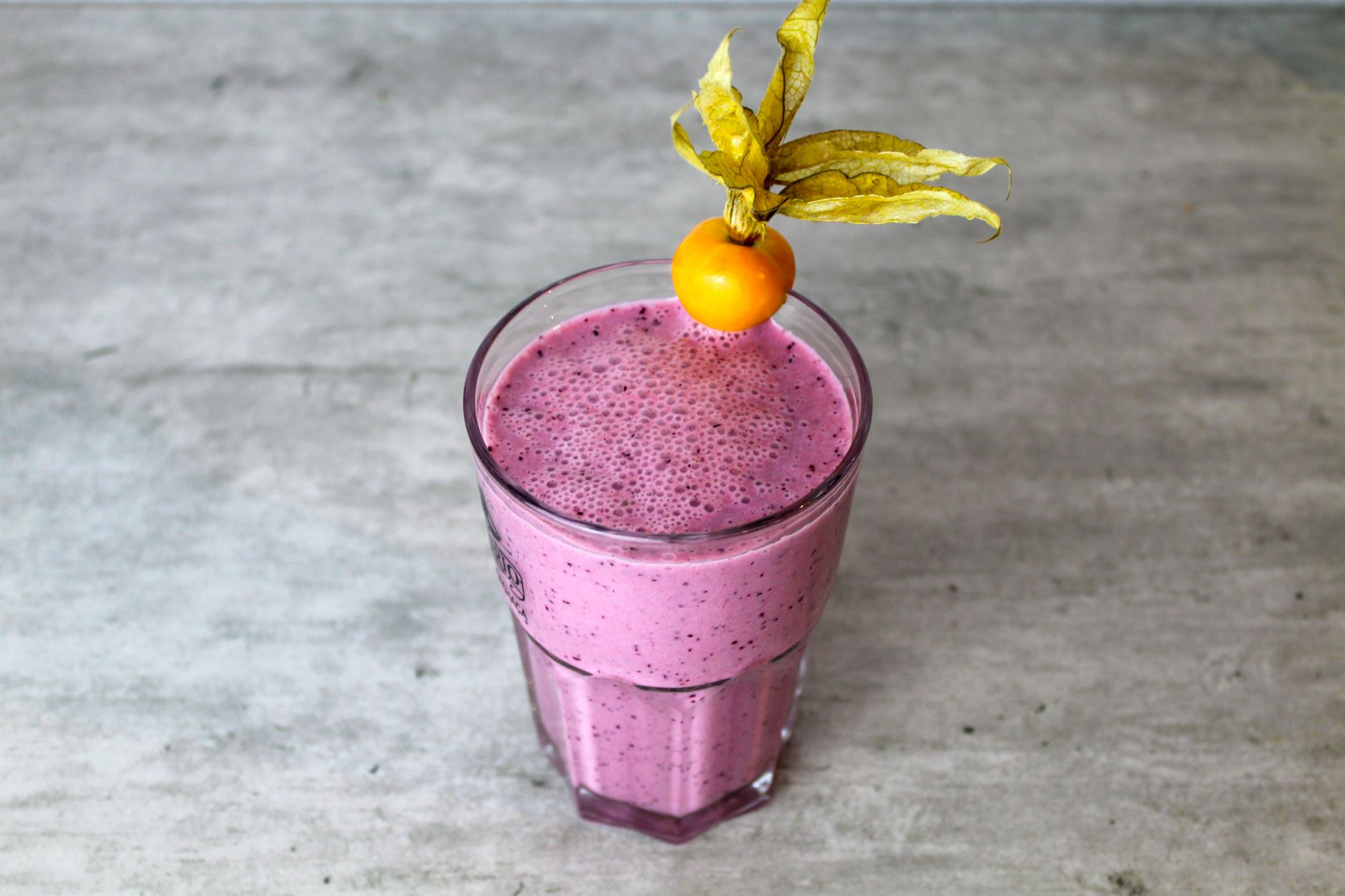
Top Plant-Based Protein Powder Reviews: Your Ultimate Guide
Navigate the vast world of plant-based protein powders to find your ideal match for health, taste, and performance.
Find Your Perfect ProteinKey Takeaways
- ✓ Plant-based protein powders offer a complete amino acid profile when blended correctly.
- ✓ Common sources include pea, rice, hemp, soy, and pumpkin seed proteins.
- ✓ Digestibility and absorption rates vary significantly between different plant proteins.
- ✓ Many brands fortify their powders with digestive enzymes, vitamins, and minerals.
How It Works
Determine if you're seeking muscle growth, weight management, or general wellness. This will help narrow down protein types and formulations.
Look for clean, organic ingredients, minimal fillers, and a diverse blend of plant proteins for a complete amino acid profile. Avoid artificial sweeteners and excessive additives.
Compare protein content per serving, carbohydrate count, fat content, and fiber. Ensure it aligns with your dietary needs and macros.
Consult reputable reviews for insights into taste, mixability, and digestive comfort from real users. This helps manage expectations before purchase.
Understanding Plant-Based Protein Powder Reviews: Why They Matter
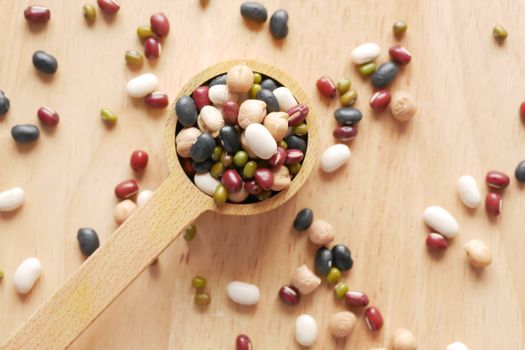 Photo: Towfiqu barbhuiya / Pexels
Deconstructing the Best Plant-Based Protein Powders: Ingredients and Nutrition
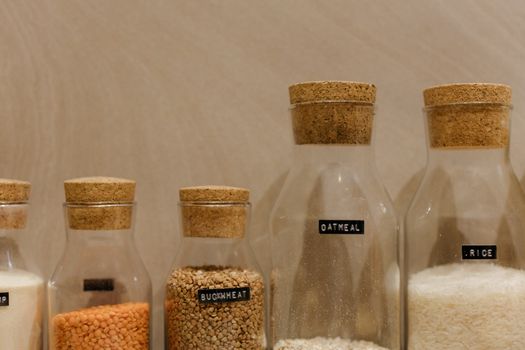 Photo: cottonbro studio / Pexels
Taste, Texture, and Mixability: What Plant-Based Protein Powder Reviews Reveal
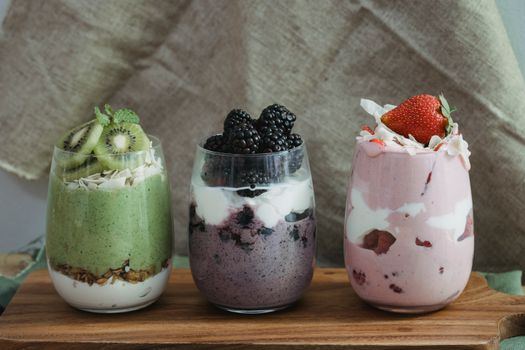 Photo: Nicola Barts / Pexels
Digestibility and Potential Side Effects: Navigating Plant-Based Protein Powders
 Photo: Sora Shimazaki / Pexels
Comparison
| Feature | Ora Organic So Lean & So Clean | Garden of Life Sport Organic Plant-Based Protein | Vega Protein & Greens |
|---|---|---|---|
| Protein Source | Pea, Rice, Cranberry, Sacha Inchi | Pea, Navy Bean, Lentil, Garbanzo Bean | Pea, Brown Rice, Sacha Inchi, Alfalfa |
| Protein per Serving | 21g | 30g | 20g |
| Added Digestives | ✓ (Digestive Enzymes) | ✓ (Probiotics & Enzymes) | ✗ |
| Flavor Options | Vanilla, Chocolate, Unflavored | Vanilla, Chocolate, Peanut Butter | Vanilla, Chocolate, Berry, Coconut Almond |
| Organic Certified | ✓ | ✓ | ✗ (Non-GMO Verified) |
| Sweetener | Stevia | Erythritol, Stevia | Stevia, Monk Fruit |
| Texture/Mixability (Avg.) | Smooth, good mix | Very smooth, excellent mix | Slightly gritty, decent mix |
What Readers Say
"I've tried so many plant-based protein powders, and this review helped me find the Ora Organic one. The vanilla flavor is subtle, and it mixes perfectly into my morning smoothie without any grit. I feel energized and never bloated after using it, which is a huge win for my sensitive stomach."
Sarah J. · Austin, TX"As a competitive cyclist, I need high-quality protein for recovery. The Garden of Life Sport protein, recommended in several plant-based protein powder reviews, delivers 30g of clean protein and the added probiotics have definitely improved my digestion. No more post-workout stomach issues!"
Mark D. · Denver, CO"My goal was to find a plant-based protein that tasted great and helped me feel full. After reading these plant-based protein powder reviews, I tried the Vega Protein & Greens. The Berry flavor is delicious, and I've successfully replaced my afternoon snack with a shake, helping me stay on track with my weight management."
Emily R. · Miami, FL"The information on ingredient blends in these plant-based protein powder reviews was really insightful. I opted for a blend that included rice and pea protein for a complete profile. While the texture isn't as creamy as dairy, it's still very drinkable, and I appreciate the clean ingredients. It's a great product for my needs, just a slight adjustment to the mouthfeel."
David L. · Portland, OR"I use protein powder primarily for baking and adding to oatmeal. The detailed plant-based protein powder reviews here helped me identify powders that don't change the texture or taste of my recipes too much. I settled on an unflavored pea protein and it's been fantastic for boosting protein in everything from pancakes to muffins without any weird aftertaste."
Jessica M. · Chicago, ILFrequently Asked Questions
What is the best plant-based protein powder for muscle gain?
For muscle gain, look for plant-based protein powders with a high protein content (20-30g per serving) and a complete amino acid profile, often achieved through blends of pea, brown rice, and hemp proteins. Brands like Garden of Life Sport or Orgain Organic Protein are frequently cited in plant-based protein powder reviews for their muscle-building efficacy.
Are plant-based protein powders harder to digest than whey?
Not necessarily. While some individuals might find certain plant proteins (like soy) harder to digest, many plant-based protein powders are formulated with digestive enzymes and probiotics to enhance absorption and prevent bloating. For many, they are actually easier on the stomach than dairy-based whey proteins due to the absence of lactose.
How do I choose a plant-based protein powder that tastes good?
Choosing a good-tasting plant-based protein powder often comes down to reading plant-based protein powder reviews for feedback on specific flavors and brands. Look for comments on sweetness, aftertaste, and how well it mixes with various liquids. Vanilla and chocolate are generally safe bets, but many brands offer unique and delicious flavors now.
Are plant-based protein powders more expensive than whey?
Historically, some premium plant-based protein powders could be slightly more expensive per serving than conventional whey. However, as demand grows and production scales, the price gap is narrowing. Many affordable and high-quality plant-based options are now available, offering comparable value to whey while providing additional benefits like fiber and beneficial plant compounds.
How do plant-based protein powders compare to whole food protein sources?
Plant-based protein powders offer a convenient and concentrated source of protein, especially useful for post-workout recovery or when whole food options aren't readily available. While whole foods provide a broader spectrum of nutrients, protein powders can efficiently help meet daily protein targets, complementing a balanced diet rich in other plant-based whole foods like lentils, beans, and nuts.
Who should use plant-based protein powder reviews?
Anyone considering a plant-based protein powder, from seasoned vegans and athletes to those with dairy allergies or simply looking to diversify their protein sources, should consult plant-based protein powder reviews. They are especially helpful for navigating the vast market, understanding ingredient differences, and finding a product that meets specific dietary, health, and taste preferences.
Are there any risks or side effects associated with plant-based protein powders?
Generally, plant-based protein powders are safe. Potential side effects are usually mild and include digestive discomfort (bloating, gas) for sensitive individuals, especially with new ingredients or high fiber content. Always check for allergens (like soy or gluten) if you have sensitivities. Choosing reputable brands with third-party testing can also mitigate risks of heavy metal contamination, a rare concern sometimes raised.
What are the future trends in plant-based protein powder development?
Future trends in plant-based protein powders are likely to focus on novel protein sources (e.g., fungi, algae), enhanced digestibility through advanced enzyme and probiotic formulations, improved taste and texture to rival dairy proteins, and increased sustainability in sourcing and packaging. Expect more personalized blends catering to specific health goals and dietary restrictions, as well as innovative flavor profiles.
Armed with these comprehensive plant-based protein powder reviews, you're now ready to confidently choose a product that perfectly supports your health goals and taste preferences. Don't settle for less – your body deserves the best plant-powered nutrition. Start exploring today!