
Unbiased Plant Based Protein Powder Reviews: Your Ultimate Guide
Unlock your potential with the perfect plant-based protein, tailored to your dietary needs and fitness goals.
Find Your Perfect PowderKey Takeaways
- ✓ Plant-based protein powders offer a dairy-free, sustainable, and often allergen-friendly alternative to whey.
- ✓ Common sources include pea, rice, hemp, soy, and blends, each with unique amino acid profiles.
- ✓ Taste, texture, and mixability are crucial factors often overlooked in product selection.
- ✓ Third-party testing for heavy metals and contaminants is vital for consumer safety and product quality.
How It Works
Consider your dietary restrictions, fitness goals (muscle gain, weight loss, general health), and flavor preferences. This initial assessment will narrow down your options significantly.
Look for complete amino acid profiles, organic certifications, and absence of artificial additives or excessive sugars. Understand the differences between pea, rice, hemp, and blended proteins.
Consult expert and user plant based protein powder reviews for insights into taste, mixability, and effectiveness. Pay attention to common complaints and praises to get a balanced view.
Purchase a small size or sample if available to test the product yourself. Assess its performance in your preferred recipes, how it affects your digestion, and if it meets your expectations.
Understanding the Landscape of Vegan Protein Powders
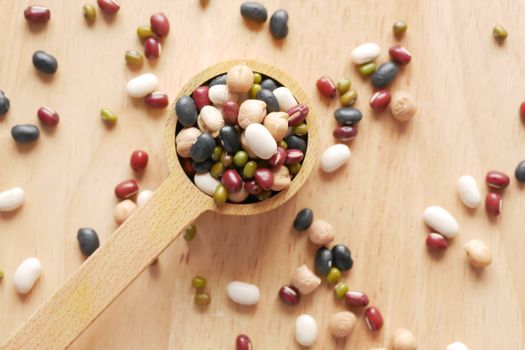 Photo: Towfiqu barbhuiya / Pexels
Key Factors in Evaluating Plant-Based Protein Powders
Top Contenders in Plant-Based Protein Powders: Our In-Depth Reviews
Common Mistakes to Avoid When Choosing Plant-Based Protein
Comparison
| Feature | Naked Pea Protein | Orgain Organic Protein | Vega Sport Premium |
|---|---|---|---|
| Primary Protein Source | Pea Protein Isolate | Pea, Brown Rice, Chia | Pea, Alfalfa, Pumpkin, Sunflower |
| Amino Acid Profile | Complete | Complete | Complete |
| Added Digestive Enzymes | ✗ | ✓ (Probiotics) | ✓ (Probiotics) |
| Organic Certified | ✗ | ✓ | ✓ |
| Sweeteners Used | None (Unflavored) | Stevia, Erythritol | Stevia, Natural Flavors |
| Texture/Mixability | Good (Slightly Earthy) | Very Good (Creamy) | Good (Slightly Thick) |
| Key Benefit | Pure, Single-Ingredient | Organic, Gut-Friendly Blend | Performance & Recovery Focus |
What Readers Say
"After reading countless plant based protein powder reviews, I tried Orgain Organic. The vanilla flavor is fantastic, and it mixes so smoothly in my morning smoothie. No bloating, which is a huge plus for me!"
Sarah J. · Austin, TX"I'm an avid runner and needed a protein for recovery. Vega Sport Premium was mentioned in several plant based protein powder reviews, and it lives up to the hype. I feel less sore and appreciate the added recovery ingredients."
Mark D. · Denver, CO"Naked Pea Protein was exactly what I was looking for – no frills, just pure protein. It's unflavored, so I can add it to anything without altering the taste. My muscle recovery has definitely improved since I started using it."
Emily R. · Portland, OR"I've been trying various plant based protein powder reviews for taste. While some flavors of Garden of Life are a bit too sweet for me due to stevia, the nutritional profile and gut health benefits are undeniable. It's a solid choice, just wish for less sweetness."
David L. · Chicago, IL"As someone with several food allergies, finding a safe and effective protein was tough. This guide's plant based protein powder reviews led me to a blend that's soy-free and gluten-free, and my digestion has never been better. Highly recommend doing your research!"
Jessica M. · Miami, FLFrequently Asked Questions
What's the best plant-based protein powder for muscle gain?
For muscle gain, look for plant-based protein powders that offer a complete amino acid profile, ideally from a blend of sources like pea and brown rice protein, providing at least 20-25 grams of protein per serving. These blends ensure you get all essential amino acids necessary for muscle protein synthesis, comparable to whey protein. Consider products with added digestive enzymes for optimal absorption.
Do plant-based protein powders taste good?
The taste and texture of plant-based protein powders have significantly improved over the years. While some older formulations had an earthy or gritty taste, modern blends often feature natural flavorings and sweeteners like stevia or monk fruit, resulting in delicious options like chocolate, vanilla, and berry. Reading plant based protein powder reviews for specific flavor feedback is highly recommended, as taste is subjective.
How do I choose between pea, rice, or hemp protein?
Pea protein is popular for its high protein content and complete amino acid profile, often used for muscle building. Rice protein is hypoallergenic and easily digestible but often blended with other proteins (like pea) to ensure a complete amino acid profile. Hemp protein offers additional omega fatty acids and fiber, but typically has a lower protein concentration per serving and a more distinct, earthy flavor. Your choice depends on your specific dietary needs, allergies, and desired nutritional benefits.
Are plant-based protein powders more expensive than whey?
The price of plant-based protein powders can vary significantly, with some premium organic or specialty blends being more expensive than conventional whey protein. However, many standard pea or rice protein isolates are competitively priced. Factors like organic certification, complex blends, added superfoods, and third-party testing can contribute to a higher cost. It's important to compare cost per serving rather than just the total price.
Can plant-based protein cause bloating or digestive issues?
Some individuals may experience bloating or digestive issues with plant-based protein powders, often due to high fiber content, specific protein sources, or added artificial ingredients. To minimize this, choose products with digestive enzymes or probiotics, opt for hypoallergenic proteins like rice or carefully processed pea protein, and avoid artificial sweeteners or fillers. Start with smaller servings to assess your tolerance.
Who should use plant based protein powder reviews?
Anyone looking to incorporate more protein into their diet, especially those following a vegan or vegetarian lifestyle, individuals with dairy allergies or lactose intolerance, and those seeking a more sustainable or easily digestible protein source. Athletes, fitness enthusiasts, and anyone focused on muscle recovery, weight management, or general health can benefit from carefully selected plant-based protein powders.
Are plant-based protein powders safe?
Generally, plant-based protein powders are safe when sourced from reputable brands that prioritize ingredient quality and purity. However, concerns about heavy metals and contaminants can arise if products are not properly tested. Always look for third-party certifications (e.g., NSF Certified, Informed-Sport) which verify that products are free from harmful substances and accurately labeled, ensuring consumer safety.
What are the future trends in plant-based protein powders?
The future of plant-based protein powders is moving towards novel protein sources like fava bean, mung bean, and algae, offering improved taste, texture, and sustainability profiles. Expect more personalized blends catering to specific health conditions or dietary needs, increased focus on gut health with advanced probiotic and prebiotic inclusions, and greater transparency in ingredient sourcing and environmental impact reporting. Innovation in flavor and mixability will continue to be a driving force.
Ready to transform your nutrition? Dive into our comprehensive plant based protein powder reviews and make an informed decision that aligns with your health goals and values. Start building a stronger, healthier you today by choosing the perfect plant-based protein.