Top Gluten-Free Pasta Brands Review: Your Guide to Delicious Meals
gluten-free pasta brands review

Top Gluten-Free Pasta Brands Review: Your Guide to Delicious Meals

Unlock the secrets to truly satisfying gluten-free pasta that stands up to any sauce and satisfies every craving.

Find Your Favorite

Key Takeaways

  • ✓ Gluten-free pasta has significantly improved in taste and texture over the past decade.
  • ✓ Common ingredients include rice, corn, legumes (lentil, chickpea), and quinoa.
  • ✓ Cooking times for GF pasta can vary greatly from traditional wheat pasta.
  • ✓ Proper cooking techniques are crucial for achieving optimal al dente texture.

How It Works

1
Understand Ingredient Bases

Different gluten-free pasta brands use various ingredients like rice, corn, or legumes. Each base offers unique nutritional profiles and culinary characteristics, affecting flavor and texture.

2
Consider Your Recipe

The type of sauce and dish you're preparing can influence which gluten-free pasta works best. Delicate sauces might pair better with milder pasta, while robust sauces can stand up to heartier options.

3
Master Cooking Techniques

Gluten-free pasta requires careful attention during cooking to prevent stickiness or mushiness. Follow package instructions closely and consider rinsing some varieties after cooking.

4
Experiment and Discover

The best gluten-free pasta is subjective, so don't be afraid to try different brands and ingredient blends. Your personal preference for taste and texture is key to finding your perfect match.

Navigating the Gluten-Free Pasta Landscape: What to Look For
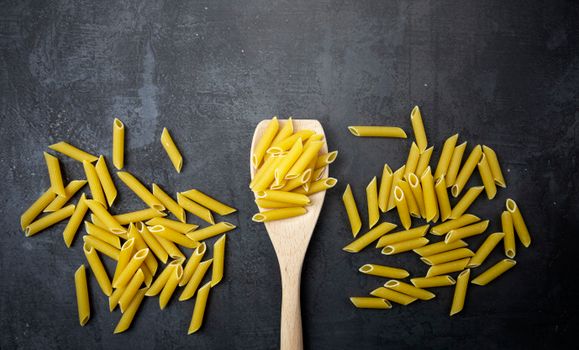
Top view of uncooked penne pasta and wooden spoon on a black surface, perfect for food-related content. Photo: Mateusz Feliksik / Pexels
For anyone avoiding gluten, whether due to celiac disease, gluten sensitivity, or simply a dietary choice, the quest for a truly satisfying pasta experience can feel like an endless journey. Gone are the days of dense, gummy, or crumbly gluten-free alternatives that left much to be desired. The market has exploded with innovative options, making the gluten-free pasta brands review more critical than ever. But with so many choices, how do you sift through the noise to find the gems? It starts with understanding the fundamentals: ingredients, texture, and flavor profile. Most gluten-free pastas are crafted from a blend of flours, with common bases including corn, rice (brown or white), quinoa, lentils, chickpeas, and even alternative grains like sorghum or millet. Each base brings its own unique characteristics to the table. For instance, corn and rice-based pastas often mimic the taste and texture of traditional wheat pasta more closely, offering a neutral flavor that readily absorbs sauces. They tend to hold their shape well and provide that familiar al dente bite when cooked correctly. On the other hand, legume-based pastas, such as those made from chickpeas or red lentils, boast a higher protein and fiber content, making them a more nutritionally dense option. However, they can sometimes carry a distinct, earthy flavor that might not appeal to everyone or pair well with all sauces. Their texture can also be slightly different, often being a bit firmer or requiring precise cooking to avoid becoming too soft. Quinoa pasta falls somewhere in between, offering a good balance of nutrition and a pleasant, slightly nutty flavor. The key is to identify what you prioritize in your pasta – is it a neutral taste for versatile use, a high-protein boost, or a specific texture? This initial assessment will significantly narrow down your choices and help you focus on brands that align with your culinary goals. Additionally, consider the shape of the pasta. While a spaghetti made from corn and rice might perform beautifully, a lentil-based penne could offer a different cooking experience. The milling process and the binders used (like tapioca starch or xanthan gum) also play a crucial role in the pasta's integrity. Don't be afraid to read labels thoroughly and understand the ingredient list. Many brands are now offering single-ingredient pastas, which simplifies the choice for those with multiple sensitivities. A deeper dive into healthy eating habits often reveals the importance of such ingredient transparency.

Top Performers: Our In-Depth Gluten-Free Pasta Brands Review
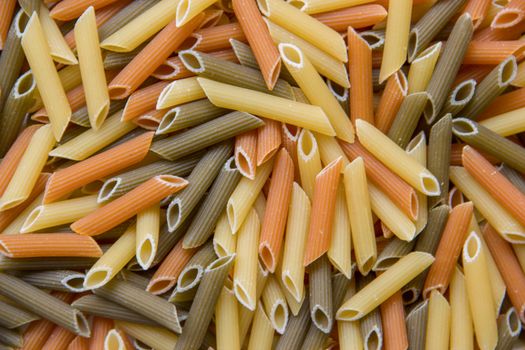
Vibrant close-up of uncooked tri-color penne pasta. Photo: Jess Ho / Pexels
After extensive testing and culinary exploration, several brands consistently rise to the top in our gluten-free pasta brands review for their exceptional taste, texture, and overall performance. These brands have mastered the art of creating gluten-free pasta that not only satisfies but often surprises even the most discerning palates. Let's delve into some of the standout options. Barilla Gluten Free, for example, is a widely available and highly reliable choice. Made from a blend of corn and rice, it boasts an incredibly neutral flavor and a texture that closely mimics traditional wheat pasta. It holds its shape beautifully, even when slightly overcooked, and absorbs sauces like a dream. For those new to gluten-free pasta, Barilla is an excellent entry point, offering a familiar experience across various shapes like spaghetti, penne, and rotini. Another strong contender is Jovial Foods. Their organic gluten-free pasta line, primarily made from brown rice, is celebrated for its authentic al dente bite and superior taste. Jovial's commitment to quality ingredients shines through, and their pasta rarely turns gummy or sticky. It's a favorite among serious home cooks and those who appreciate a more artisanal approach to gluten-free dining. They offer a wide range of shapes, including unique options like casarecce and tagliatelle, which can be harder to find in the GF market. For a high-protein alternative, Banza Chickpea Pasta has revolutionized the gluten-free landscape. Made entirely from chickpeas, Banza offers a substantial protein and fiber boost, making it a favorite for health-conscious individuals. While its flavor is distinctly chickpea-forward, it pairs exceptionally well with robust sauces like pesto, marinara, or even in pasta salads. The texture is firm and satisfying, though it requires careful attention to cooking times to avoid becoming too soft. TruEats, a newer player, offers an innovative blend of quinoa and brown rice, delivering a pasta that is both delicious and nutritious. It cooks quickly and maintains a good texture, making it a great option for weeknight meals. Similarly, Le Veneziane, an Italian brand, offers a corn-only pasta that is remarkably similar to traditional Italian pasta, providing a wonderfully firm texture and delicate flavor. Finally, explore brands like Catelli Gluten Free, which uses a blend of brown rice, white rice, and corn, providing a consistent and enjoyable experience. These brands represent the pinnacle of gluten-free pasta innovation, each offering something unique while delivering on the promise of delicious, safe, and satisfying meals.

Beyond Taste: Nutritional Benefits and Versatility of Gluten-Free Pastas

Vibrant close-up of uncooked tri-color penne pasta. Photo: Jess Ho / Pexels
While taste and texture are paramount in any gluten-free pasta brands review, the nutritional benefits and versatility of these alternatives are equally important considerations. The shift from traditional wheat pasta often opens doors to a wider array of nutrient-dense ingredients, transforming a simple meal into a powerhouse of vitamins, minerals, protein, and fiber. For instance, as mentioned previously, legume-based pastas like those from Banza (chickpea) or Explore Cuisine (lentil, edamame) are game-changers in terms of protein content. A single serving can provide upwards of 14-25 grams of protein, significantly more than traditional pasta, making them an excellent choice for vegetarians, vegans, or anyone looking to increase their protein intake. This also contributes to greater satiety, helping you feel fuller for longer. Beyond protein, these pastas are typically rich in dietary fiber, which is crucial for digestive health, blood sugar regulation, and cholesterol management. The fiber content can be particularly beneficial for those who find their gluten-free diet lacking in this essential nutrient. Brown rice and quinoa-based pastas, while not as protein-heavy as legumes, still offer a good source of complex carbohydrates, providing sustained energy without the sharp blood sugar spikes often associated with refined wheat products. They also often contain a broader spectrum of micronutrients, including B vitamins, magnesium, and iron, depending on the specific grains used. The versatility of gluten-free pasta extends far beyond its nutritional profile. Many brands are now available in a multitude of shapes – from classic spaghetti and penne to more intricate options like orzo, fettuccine, and even lasagna sheets. This allows for seamless integration into virtually any recipe that calls for traditional pasta. Imagine a hearty lentil Bolognese over chickpea spaghetti, a vibrant pesto with brown rice fusilli, or a creamy carbonara with corn-based fettuccine. The possibilities are endless. Moreover, the neutral flavor profiles of many corn and rice-based options make them incredibly adaptable to a wide range of cuisines, from Italian and Asian to American comfort food. Even the more distinct legume pastas can be perfectly matched with complementary sauces and ingredients. For example, the slightly earthy notes of chickpea pasta are fantastic with roasted vegetables, sun-dried tomatoes, and a drizzle of olive oil. The key is to view gluten-free pasta not as a mere substitute, but as an ingredient in its own right, offering unique characteristics and opportunities to enhance your cooking. Understanding the nuances of each type allows you to make informed choices that elevate both the taste and nutritional value of your meals. This journey of discovery often leads to a more diverse and exciting culinary experience, proving that eating gluten-free doesn't mean sacrificing flavor or variety. It's an integral part of creating wholesome meals for your family.

Common Mistakes and Expert Tips for Cooking Gluten-Free Pasta
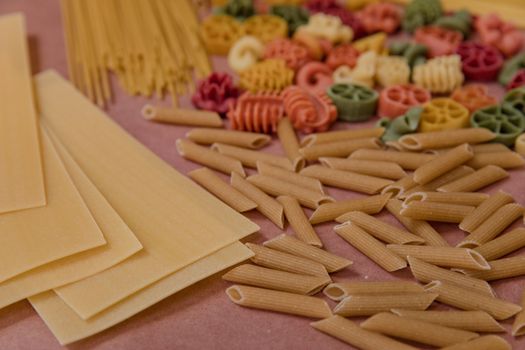
Assorted uncooked pasta varieties displayed on a wooden surface, perfect for culinary concepts. Photo: RDNE Stock project / Pexels
Even the best gluten-free pasta brands can disappoint if not cooked correctly. Many common pitfalls can lead to a less-than-ideal meal, from mushy strands to a sticky, clumpy mess. Avoiding these mistakes and adopting expert tips will ensure your gluten-free pasta always comes out perfectly al dente. **Common Mistakes to Avoid:** * **Not Enough Water:** Just like traditional pasta, gluten-free pasta needs ample space to move and hydrate. Using too little water leads to sticky, clumped pasta and an uneven cook. Aim for at least 4-6 quarts of water per pound of pasta. * **Adding Oil to Water:** While some believe oil prevents sticking, it can actually coat the pasta, preventing sauce from adhering properly. A good stir in plenty of boiling water is usually sufficient. * **Overcooking:** Gluten-free pasta cooks much faster than wheat pasta, and it can go from perfectly al dente to mushy very quickly. Always follow package instructions but start checking for doneness a minute or two before the suggested minimum time. * **Not Stirring Enough:** Especially in the first few minutes, gluten-free pasta tends to stick to itself and the bottom of the pot. Stir frequently to prevent this. * **Rinsing All Pastas:** While some rice-based pastas benefit from a quick rinse to remove excess starch and prevent stickiness, others, especially legume-based ones, should not be rinsed as it can wash away flavor and desirable starch needed for sauce adhesion. **Expert Tips for Success:** 1. **Use a Large Pot and Plenty of Water:** This cannot be stressed enough. It ensures even cooking and prevents sticking. 2. **Bring Water to a Rolling Boil:** Ensure the water is vigorously boiling before adding the pasta. This helps the pasta cook quickly and evenly. 3. **Salt the Water Generously:** Just like traditional pasta, salting the water adds flavor to the pasta itself, not just the sauce. 4. **Stir Frequently, Especially Early On:** Keep the pasta moving in the pot during the first 2-3 minutes of cooking. 5. **Cook to Al Dente (or Slightly Under):** Since gluten-free pasta continues to cook a bit after draining, aim for firm but tender. If you're going to add it directly to a hot sauce, consider cooking it a minute or so under al dente. 6. **Reserve Pasta Water:** The starchy water leftover from cooking can be a magical ingredient. Add a splash or two to your sauce to help emulsify it and create a richer, more cohesive coating for your pasta. 7. **Serve Immediately:** Gluten-free pasta tends to firm up and can become drier as it cools. For the best experience, serve it hot and fresh. 8. **Match Pasta to Sauce:** Consider the type of pasta. Delicate sauces might suit a corn or rice pasta, while heartier sauces stand up well to legume-based options. Following these simple yet effective tips will transform your gluten-free pasta cooking experience, ensuring delicious results every time.

Comparison

FeatureBarilla Gluten Free (Corn/Rice)Banza Chickpea PastaJovial Brown Rice Pasta
Primary IngredientsCorn, RiceChickpeasBrown Rice
Texture (Cooked)Al Dente, SmoothFirm, Slightly ChewyAuthentic Al Dente
Flavor ProfileNeutralEarthy, NuttyMild, Slightly Nutty
Protein per Serving4g14g5g
Fiber per Serving2g8g3g
Holds Shape Well
Best for Neutral Sauces
Best for Hearty Sauces

What Readers Say

"I've tried so many gluten-free pasta brands, and this review truly helped me find Barilla. It's incredibly close to traditional pasta in texture and taste, perfect for my family's weekly spaghetti night."

Sarah J. · Austin, TX

"The insights on Banza's chickpea pasta were spot on! I love the protein boost and it holds up great in my pasta salads. It's a staple in my pantry now, thanks to this detailed gluten-free pasta brands review."

Mark D. · Seattle, WA

"This article led me to Jovial's brown rice pasta, and I'm so grateful! The al dente texture is unmatched, and it never gets gummy. My non-GF husband even loves it."

Emily R. · Miami, FL

"Great review, very comprehensive. I appreciated the cooking tips, which improved my gluten-free pasta experience significantly. Some brands still need a bit of work on texture, but the top recommendations are solid."

David L. · Denver, CO

"As someone with celiac, finding good pasta is a game-changer. This gluten-free pasta brands review broke down the best options by ingredient, which was incredibly helpful for my specific needs."

Jessica M. · Chicago, IL

Frequently Asked Questions

What is the best gluten-free pasta brand for taste and texture?

Based on our extensive gluten-free pasta brands review, Barilla Gluten Free (corn/rice blend) and Jovial Organic Brown Rice Pasta consistently rank highest for mimicking the taste and texture of traditional wheat pasta, offering a neutral flavor and excellent al dente bite. The 'best' often depends on personal preference and the dish you're preparing, but these are strong contenders for overall satisfaction.

Does gluten-free pasta get mushy easily?

Older generations of gluten-free pasta were prone to becoming mushy, but modern brands have significantly improved. With proper cooking techniques – using plenty of water, stirring frequently, and precise cooking times – many premium gluten-free pastas can maintain an excellent al dente texture without becoming mushy. Overcooking is the primary cause of mushiness.

How do I cook gluten-free pasta so it doesn't stick together?

To prevent sticking, use a very large pot with ample boiling, generously salted water. Add pasta only when the water is at a rolling boil, and stir frequently, especially during the first few minutes of cooking. Do not overcrowd the pot. For some rice-based pastas, a quick rinse after draining can also help remove excess starch and reduce stickiness, but this isn't always recommended for all types.

Is gluten-free pasta more expensive than regular pasta?

Generally, yes, gluten-free pasta tends to be slightly more expensive than traditional wheat pasta. This is due to specialized ingredients, smaller production batches, and often higher processing costs. However, the price difference has narrowed considerably in recent years, and many brands offer good value for the quality and dietary benefits they provide.

How does chickpea pasta compare to rice or corn pasta?

Chickpea pasta (e.g., Banza) offers a significantly higher protein and fiber content, making it a more nutritionally dense option. It has a distinct, earthy flavor and a firmer, slightly chewier texture. Rice or corn-based pastas (e.g., Barilla, Jovial) tend to have a more neutral flavor and a texture closer to traditional wheat pasta, making them more versatile for a wider range of sauces and dishes.

Who should consider switching to gluten-free pasta?

Individuals diagnosed with celiac disease or non-celiac gluten sensitivity must adhere to a gluten-free diet. Beyond medical necessity, others may choose gluten-free pasta for digestive comfort, to explore different nutritional profiles (like higher protein from legume pastas), or simply to diversify their diet. It's a great option for anyone looking for delicious pasta without gluten.

Are there any risks associated with gluten-free pasta?

For those with celiac disease or severe gluten sensitivity, the primary risk is cross-contamination if the pasta is not certified gluten-free or produced in a dedicated facility. Nutritionally, some gluten-free pastas can be lower in fiber and certain micronutrients if made from refined flours, but many modern brands (especially those using whole grains or legumes) are very nutritious. Always check ingredient labels for allergens.

What are the future trends for gluten-free pasta?

Future trends in gluten-free pasta include an even greater focus on single-ingredient options, innovative blends for enhanced texture and nutrition (e.g., ancient grains like teff or millet), and more sustainable sourcing. We can also expect to see more fresh gluten-free pasta options becoming widely available, further closing the gap with traditional pasta experiences.

Ready to transform your gluten-free meals? Dive into our comprehensive gluten-free pasta brands review, select your perfect match, and rediscover the joy of delicious, satisfying pasta. Your next favorite meal awaits!

Topics: gluten-free pasta brands reviewbest gluten-free pastagluten-free pasta taste testrice pasta vs corn pastagluten-free pasta texture
Leo List

IE Escorts NO Escorts US Escorts NZ Escorts AU Escorts
Brampton weed
Adultwork EstrelaBet Vai de Bet R7 Bet Betão Galera Bet Rainbet Bet9ja Shop SportyBet BetKing Sisal Loto Foot Hollywoodbets YesPlay Odibets RushBet Jugabet BetWarrior BetCity MSport betPawa Fortebet