Best Food Processors for Chopping Vegetables
August 18, 2026 15 min read 2,927 words
Unlock effortless meal prep and culinary creativity with the ultimate guide to selecting your perfect vegetable-chopping powerhouse.
Find Your Perfect Processor
Understanding Food Processor Essentials for Vegetable Preparation
 Photo: Kampus Production / Pexels
In the bustling world of modern kitchens, a food processor isn't just a convenience; it's a culinary game-changer, especially when it comes to the often-tedious task of chopping vegetables. From finely minced garlic to perfectly diced onions, and uniformly sliced carrots, the right food processor can transform hours of prep into minutes of effortless work. But with an overwhelming array of models, features, and price points, how do you pinpoint the best food processors for chopping vegetables? It all starts with understanding the core essentials that define a superior chopping experience.
First and foremost, consider the motor's power. Measured in watts, a higher wattage generally translates to better performance, particularly when dealing with dense or hard vegetables like sweet potatoes, carrots, or even nuts. For general vegetable chopping, a motor in the range of 600-1000 watts is usually sufficient, offering a good balance of power and efficiency. However, if you frequently process large quantities of tough ingredients, opting for models above 1000 watts can prevent motor strain and extend the appliance's lifespan. This power ensures that the blades rotate consistently and forcefully, preventing jamming and producing more uniform results. A weak motor, conversely, might struggle, leading to uneven chops, or worse, overheating.
Next, bowl capacity is a critical factor. Food processors come in various sizes, typically ranging from mini choppers (1-4 cups) to full-sized models (7-16 cups). For individuals or couples who cook occasionally, a compact 7-cup processor might suffice. However, for families, avid home cooks, or those who frequently prepare meals in batches (think meal prepping for the week), a 10-12 cup capacity is often the sweet spot. Larger capacities allow you to process more vegetables at once, reducing the need for multiple batches and saving valuable time. It's important not to confuse 'cup capacity' with 'liquid capacity' – always refer to the dry ingredient capacity for chopping purposes. An adequately sized bowl also provides enough space for vegetables to tumble and be chopped evenly, without being squashed or stuck. For those who frequently make large soups, stews, or salads, a 14-cup or even 16-cup model might be a worthwhile investment. This ensures you can chop an entire head of cabbage or several onions without needing to empty and refill the bowl multiple times.
Finally, the quality and variety of blades and discs are paramount. The standard S-blade (or sabre blade) is the workhorse for most chopping, mincing, and pureeing tasks. Look for blades made from high-quality stainless steel that are sharp and durable. Beyond the S-blade, many processors offer a range of interchangeable discs for slicing, shredding, and even julienning. A reversible slicing/shredding disc is incredibly useful for uniform vegetable slices or grated cheese. Some advanced models even include dicing kits, which are a dream come true for achieving perfectly cubed vegetables for salads or roasts. The ease with which these blades can be interchanged and cleaned also plays a significant role in the overall user experience. For more on maximizing your kitchen efficiency, explore our guide on
essential kitchen gadgets for healthy eating.
Top Contenders: Features That Define the Best Choppers
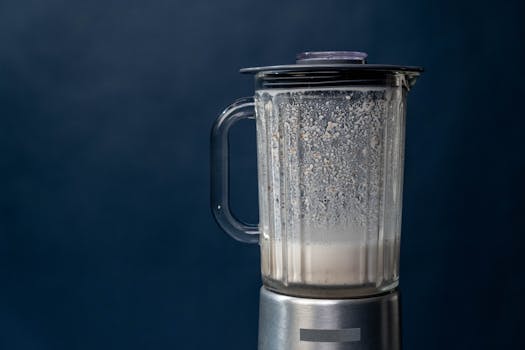 Photo: cottonbro studio / Pexels
When evaluating the best food processors for chopping vegetables, certain features consistently stand out among top-performing models, making them a worthwhile investment for any home chef. These aren't just bells and whistles; they are functionalities that genuinely enhance the user experience, improve efficiency, and deliver superior results.
One of the most crucial features is variable speed settings, often complemented by a 'pulse' function. While a single 'on/off' switch might seem straightforward, the ability to control processing speed offers immense versatility. The 'pulse' button is particularly vital for chopping vegetables, as it allows you to achieve precise textures. A quick pulse or two might give you a coarse chop for salsa, while a few more pulses can lead to a finer mince for sauces or spreads. This control prevents over-processing, which can quickly turn perfectly chopped vegetables into an unappetizing purée. High and low-speed settings, on the other hand, cater to different ingredient types and desired outcomes, from gentle mixing to powerful pulverizing.
Another significant feature is a wide feed tube. This seemingly small detail makes a monumental difference in convenience. A wide feed tube allows you to insert larger pieces of vegetables, such as whole potatoes, large carrots, or bell peppers, without the need for extensive pre-cutting. This dramatically reduces prep time and effort, making the entire chopping process much smoother. Some premium models even offer extra-wide feed tubes that can accommodate entire small fruits or vegetables, further streamlining the process.
Durability and construction quality are also paramount. A sturdy base, often weighted, ensures the processor remains stable on your countertop during operation, preventing wobbling or movement. High-quality, BPA-free plastic for the bowl and lid is essential for food safety and longevity. Look for models with robust locking mechanisms that securely attach the bowl and lid to the base, as this is a key safety feature and often a prerequisite for the machine to operate.
Ease of cleaning is another non-negotiable feature. No one wants to spend more time cleaning than cooking. Dishwasher-safe parts (bowl, lid, blades, and discs) are a huge advantage. Additionally, designs with minimal crevices or hard-to-reach areas make hand-washing much simpler. Some models even feature sealed bowls to prevent leaks, which is invaluable when processing liquids or wetter ingredients alongside your vegetables.
Finally, consider advanced attachments. While the basic S-blade is essential, the inclusion of specialized discs for grating, shredding, and even dicing elevates a good food processor to a great one. A dicing kit, for instance, can produce perfectly uniform cubes of vegetables, ideal for salads, stir-fries, or soups, saving incredible amounts of time compared to dicing by hand. Other useful attachments might include dough blades for baking or citrus juicers for added versatility. The more versatile your food processor, the more value it brings to your kitchen, making it a true multi-tasking workhorse.
Choosing Your Ideal Vegetable Chopping Companion: Brands and Budget
 Photo: Felicity Tai / Pexels
Selecting the perfect food processor for chopping vegetables often comes down to balancing brand reputation, desired features, and your budget. While premium models offer advanced functionalities and robust construction, there are excellent options across all price points that can significantly upgrade your meal prep game. Understanding the landscape of brands and what they typically offer can guide your decision.
At the higher end, brands like Cuisinart and Breville are often lauded for their powerful motors, durable construction, and comprehensive range of attachments. Cuisinart, often credited with introducing the food processor to the US market, is renowned for its reliable workhorses, with models like the Custom 14-Cup Food Processor consistently receiving high marks for performance and longevity. Breville, on the other hand, is known for its innovative designs, intuitive controls, and robust commercial-grade motors, making them a favorite among serious home cooks. These premium brands typically offer larger capacities, wider feed tubes, and often include advanced features like integrated storage for blades or specialized dicing kits. While the initial investment is higher, their durability and performance often justify the cost for frequent users.
In the mid-range, brands such as KitchenAid and Hamilton Beach offer excellent value. KitchenAid processors often boast stylish designs that complement their iconic stand mixers and provide solid performance for everyday chopping, slicing, and shredding. They strike a good balance between power and price, making them a popular choice for families. Hamilton Beach provides reliable and affordable options, often with user-friendly features and decent power for most vegetable chopping tasks. These brands are ideal for those who need a dependable food processor without breaking the bank, offering good capacity and essential attachments without some of the more niche, high-end features. For more on kitchen tool investments, see our guide on
essential kitchen tools for every home cook.
For budget-conscious shoppers or those with limited counter space, compact food processors from brands like Ninja or Proctor Silex can be surprisingly effective. While their capacities are smaller (typically 4-7 cups), they are perfect for quick tasks like chopping a single onion, mincing garlic, or making a small batch of salsa. They are also easier to store and clean. While they might lack the sheer power for heavy-duty tasks or large batches of hard root vegetables, they excel at basic vegetable chopping and can be a great entry point into the world of food processors.
When considering your budget, think about how often you'll use the appliance and for what types of tasks. If you're a daily cook who preps large quantities of diverse vegetables, investing in a powerful, large-capacity model from a reputable brand will pay dividends in time saved and culinary enjoyment. If you only occasionally chop vegetables and primarily need assistance with smaller tasks, a mid-range or compact model might be more appropriate. Always compare wattage, bowl capacity, included attachments, and read user reviews focused on vegetable chopping performance before making your final decision. Don't forget to factor in the warranty and customer support offered by the brand, as this can be a significant aspect of your ownership experience.
Mastering Your Food Processor: Tips for Perfect Vegetable Chops and Common Mistakes
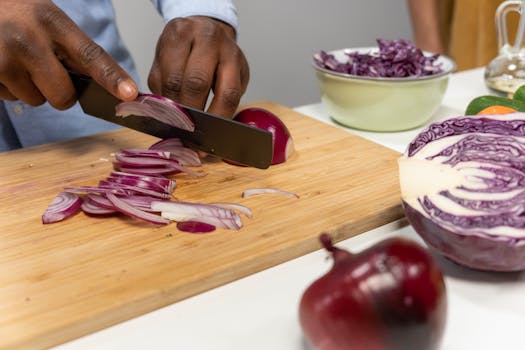 Photo: cottonbro studio / Pexels
Harnessing the full potential of your food processor for vegetable chopping requires more than just pressing a button; it involves understanding best practices and avoiding common pitfalls. With a few simple tips, you can consistently achieve perfectly chopped vegetables, whether you're aiming for a fine mince or a coarse dice.
Here are some essential tips for mastering your food processor:
* **Pre-cut for Success:** While wide feed tubes are a blessing, don't just shove whole vegetables in. Cut larger vegetables into pieces that fit comfortably down the feed tube with some room to spare. For instance, cut onions into quarters, carrots into 2-inch chunks, and bell peppers into large strips. This allows the blades to grab and process ingredients more effectively and evenly.
* **Don't Overfill the Bowl:** Resist the temptation to pack the processor bowl to the brim. Overfilling restricts the movement of the vegetables, preventing them from tumbling freely and leading to uneven chopping. Process in batches if necessary; it's better to do two smaller batches than one poorly chopped, overworked batch.
* **Utilize the Pulse Function:** The 'pulse' button is your best friend for chopping vegetables. Instead of continuous processing, use short, sharp pulses. This gives you greater control over the texture and prevents over-processing. A few pulses for a coarse chop, a few more for a medium dice, and several more for a fine mince. Stop and check the consistency frequently.
* **Process Similar Textures Together:** For best results, avoid mixing very hard vegetables with very soft ones in the same batch. For example, don't chop tomatoes with carrots simultaneously, as the tomatoes will likely become puréed before the carrots are adequately chopped. Process ingredients with similar densities together.
* **Add Liquid for Smoother Results (When Appropriate):** For certain recipes like pestos or sauces where you want a very fine, consistent chop of herbs and some vegetables, a small amount of liquid (like olive oil or water) can help circulate the ingredients and create a smoother consistency. However, this isn't applicable for dry chopping like dicing onions for a stir-fry.
* **Chill Sticky Vegetables:** For sticky vegetables like bell peppers or tomatoes, chilling them slightly before processing can help achieve cleaner cuts and prevent them from turning into a mush.
Common Mistakes to Avoid:
* **Ignoring the Feed Tube Pusher:** The pusher isn't just a lid; it's designed to guide food down the feed tube towards the spinning blades. Always use it, and don't use your fingers or other utensils, which is a major safety hazard.
* **Continuous Processing for Chopping:** Unless you're making a purée, continuous processing is generally a mistake for chopping vegetables. It quickly leads to uneven textures, with some pieces being perfectly chopped and others reduced to liquid.
* **Not Cleaning Immediately:** Food particles can dry and harden on blades and in crevices, making cleanup much harder later. Rinse all parts immediately after use, especially the blades, to prevent food from sticking.
* **Dull Blades:** Over time, even high-quality blades can dull. While most food processor blades are not designed for sharpening at home, if you notice a significant decline in performance, it might be time to consider replacement blades or a new machine.
* **Attempting to Process Hot Ingredients:** Processing hot liquids or ingredients can create steam pressure within the sealed bowl, potentially leading to a dangerous eruption when the lid is removed. Always allow hot ingredients to cool before processing.
By following these tips and avoiding common errors, you'll find your food processor becomes an indispensable tool for efficient and perfectly prepared vegetables, enhancing your cooking experience and the quality of your meals.
